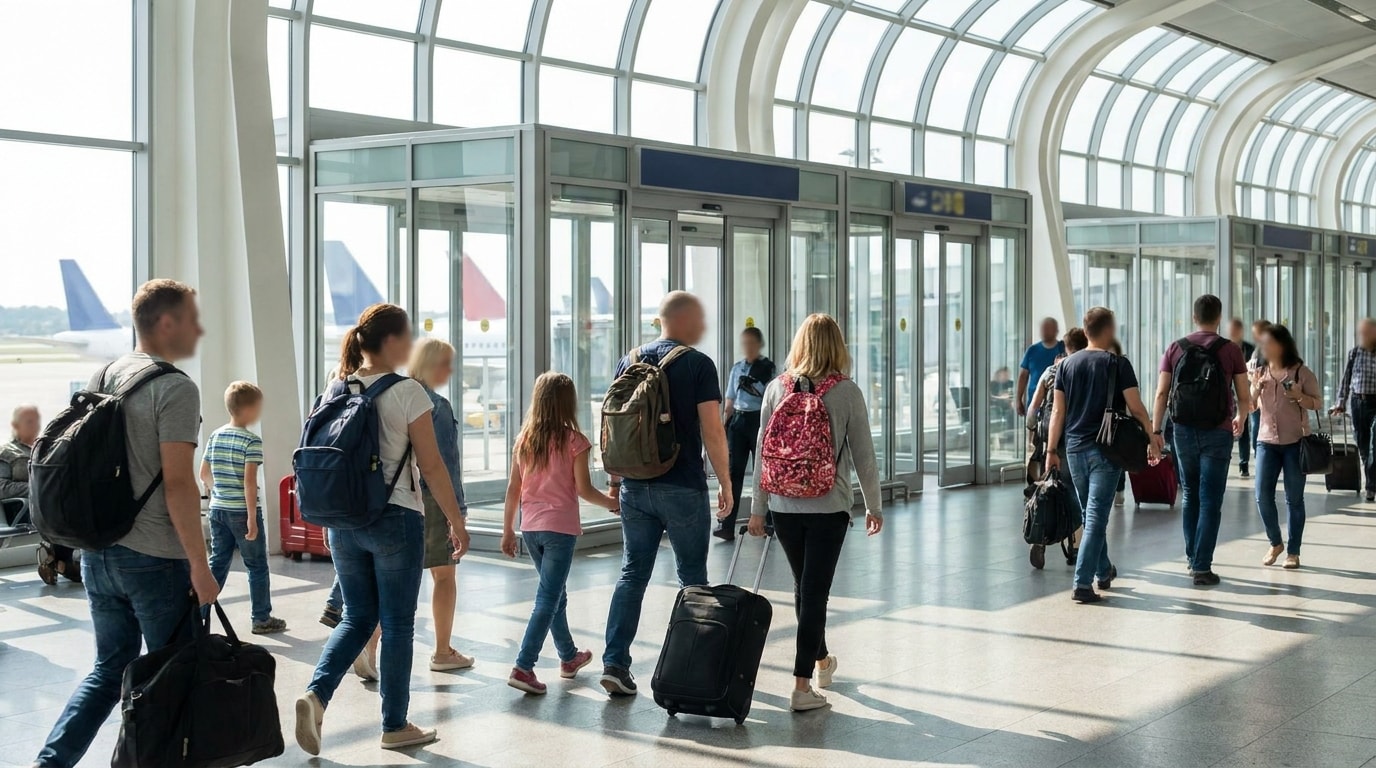
MyNIISe will be introduced across major Malaysian airports from March 1, 2026, promising faster immigration checks, improved security, and reduced waiting times for travellers.
Summary: MyNIISe, a QR code-based immigration system, will launch at major Malaysian airports on March 1, 2026. The initiative replaces myIMMS, integrates with MyBorderPass, and aims to shorten border wait times while boosting security and transparency.
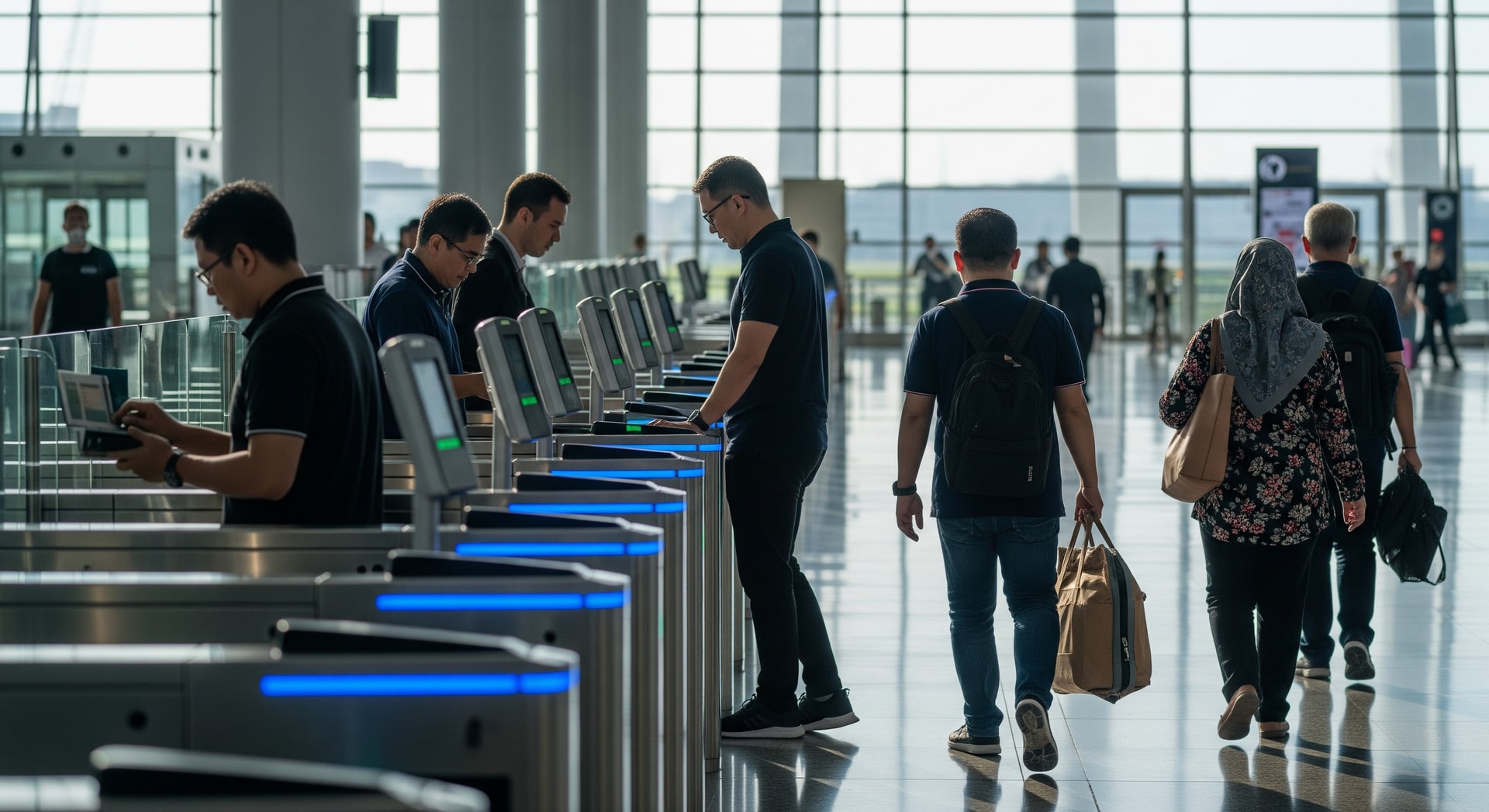
Malaysia will roll out the MyNIISe QR code immigration system at major international airports beginning March 1, 2026. MyNIISe is designed to streamline immigration inspections, reduce queues at e-gates, and provide a faster, more transparent process for both Malaysian citizens and foreign visitors.
What is MyNIISe?
MyNIISe is a modern, QR code-based immigration clearance platform intended to replace the older myIMMS system. It links a mobile app to existing border systems, including integration with the MyBorderPass platform, to provide an end-to-end inspection workflow that leverages biometric verification and QR code scanning at e-gates.
Pilot locations and deployment plan
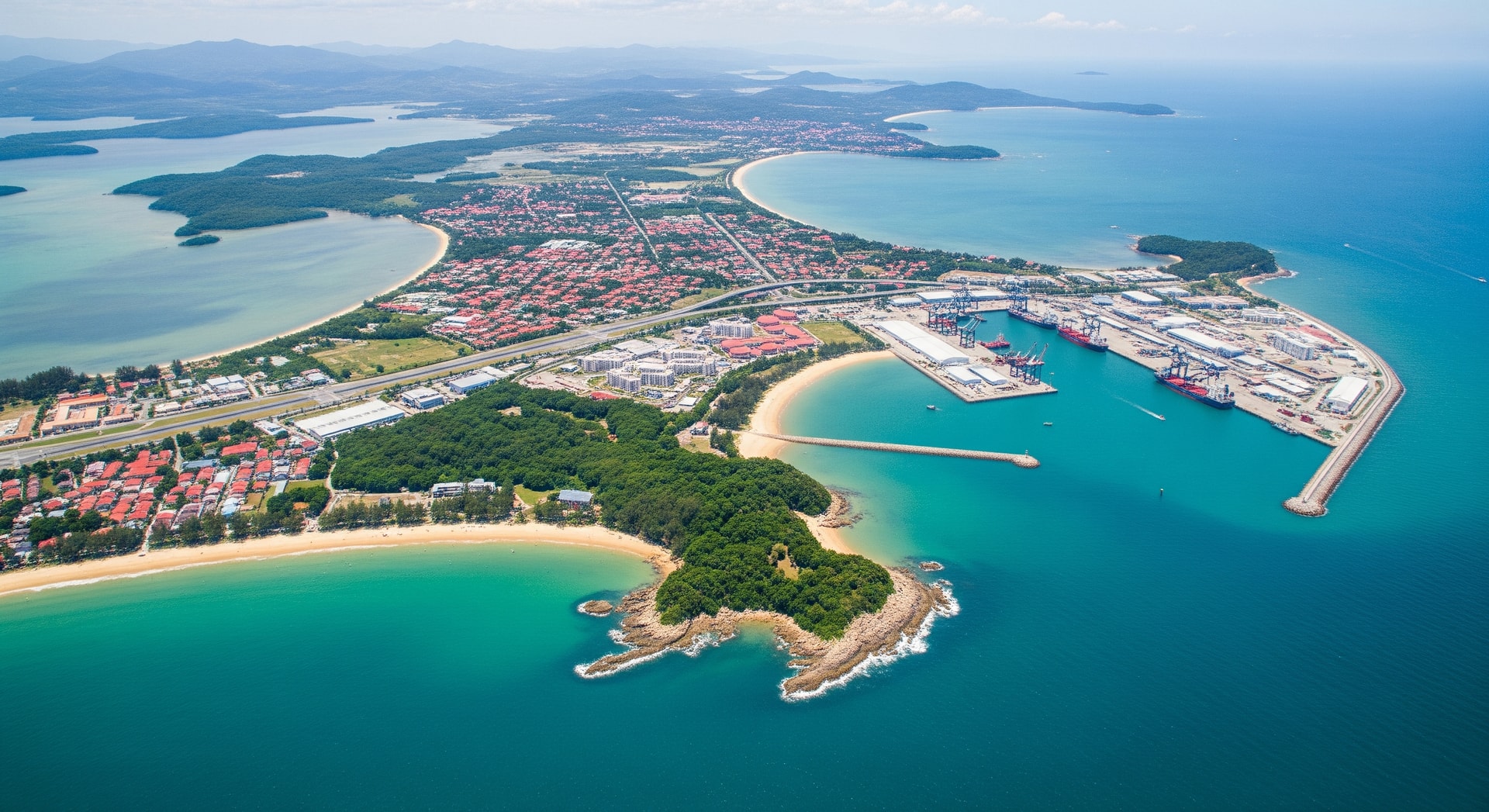
The new system will begin with a pilot at Kuala Lumpur International Airport (KLIA) Terminals 1 and 2, before being expanded to additional international gateways. In total, authorities plan to deploy MyNIISe across five major airports to handle international arrivals more efficiently.
- KLIA Terminal 1 and Terminal 2 (pilot sites)
- Bayan Lepas International Airport (Penang)
- Kota Kinabalu International Airport
- Kuching International Airport
- Each airport to install 46 e-gates configured for MyNIISe
How travellers will use the system
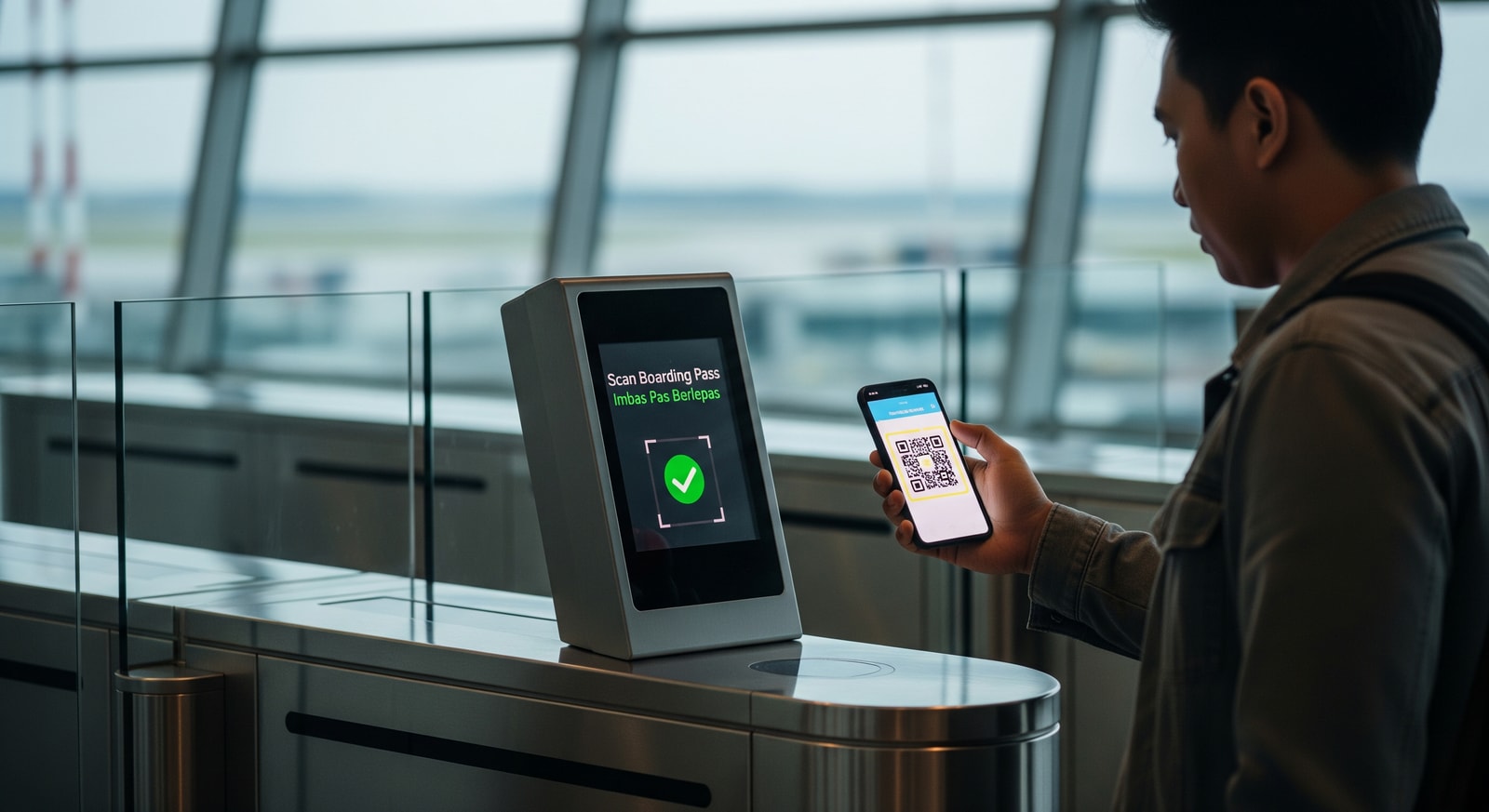
First-time foreign travellers must register in the MyNIISe app, available on Google Play and the Apple App Store. Registration requires scanning the passport photo page, reading biometric chip data via NFC, and taking a selfie for identity verification. Registered users will scan a MyNIISe QR code to complete their immigration check at the e-gates.
Transition and alternative clearance options
Malaysian citizens who are already registered for MyNIISe can keep using their existing login method until February 28, 2026, after which the country will move fully to the MyDigital ID system. Authorities have confirmed that travellers will still have options beyond MyNIISe, including the MyBorderPass app, the passport scanning function within MyNIISe, existing e-gates, and manual immigration counters for those who prefer or require them.
- Existing myIMMS users: transition to MyNIISe and MyDigital ID by Feb 28, 2026
- Options for clearance: MyNIISe app, MyBorderPass, e-gates, manual counters
- App availability: Google Play Store and Apple App Store
Expected benefits for passengers and the travel sector
Officials say MyNIISe will cut waiting times at border control, increase transparency in processing, and strengthen security through biometric checks. The authorities also expect the smoother throughput to support tourism and trade by making Malaysia more competitive as a regional travel hub.
For travellers, the key advantages are shorter queues and a clearer, app-driven process. For airports and airlines, faster processing can improve on-time performance and passenger satisfaction, while digital verification reduces paperwork and human bottlenecks.
So what? Why this matters to travellers
MyNIISe means travellers should prepare by downloading the app and registering in advance, particularly if arriving at KLIA or the other rollout airports. Doing so can reduce landing stress, speed up entry, and give visitors more certainty about arrival times. For the industry, the system promises improved operational flow and a potential uplift in visitor experience that could encourage repeat travel to Malaysia.
Sources