Leros Island offers a tranquil spring getaway with Italian-influenced architecture, secluded beaches and pleasant 20°C April temperatures.
Summary: Leros Island, a quieter choice in the Dodecanese, combines Italian-era architecture in Lakki, secluded beaches and green hills — with April temperatures around 20°C, it’s an ideal spring retreat.
Tucked away from the high-profile tourist routes of Mykonos and Santorini, Leros Island offers a calm Mediterranean escape. This lesser-known Dodecanese island is prized for its peaceful atmosphere, spring temperatures that reach about 20°C in April, and a blend of cultural influences that set it apart from Greece’s more visited isles.
Why Leros Stands Out
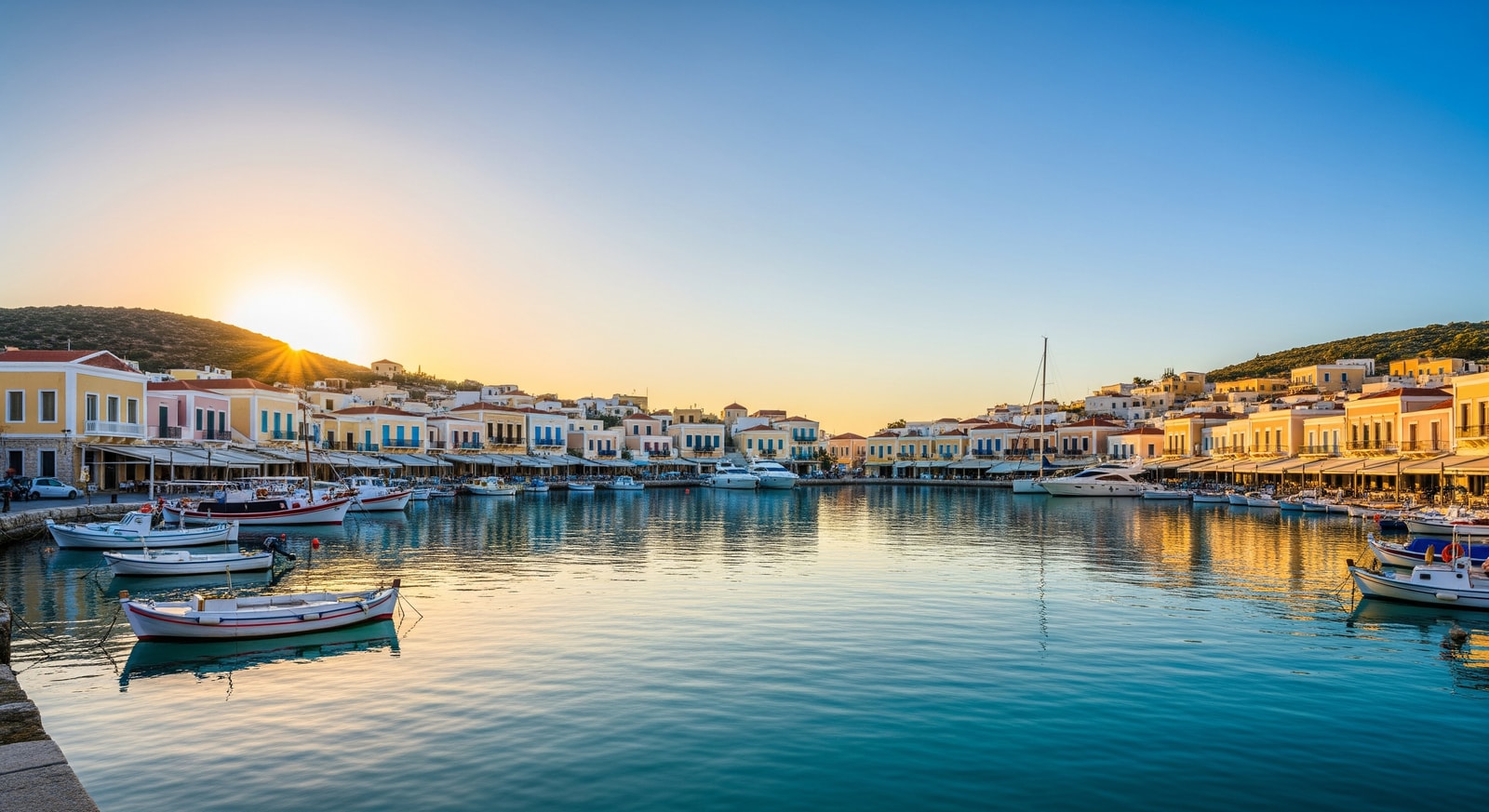
Leros is often remarked upon for its Italianate character, a legacy of the island’s history. From 1912 to 1943 Leros was under Italian occupation, and buildings and urban planning from that period remain visible today. The main settlement of Lakki exemplifies this influence with broad boulevards, public squares and examples of Art Deco design uncommon on other Greek islands.
Walking through Lakki gives a different impression than the narrow, whitewashed lanes found on many Cycladic islands — visitors can enjoy cafes along wide streets and encounter an architectural mix that reflects both Greek tradition and Italian-era planning.
Secluded Bays and Natural Beauty
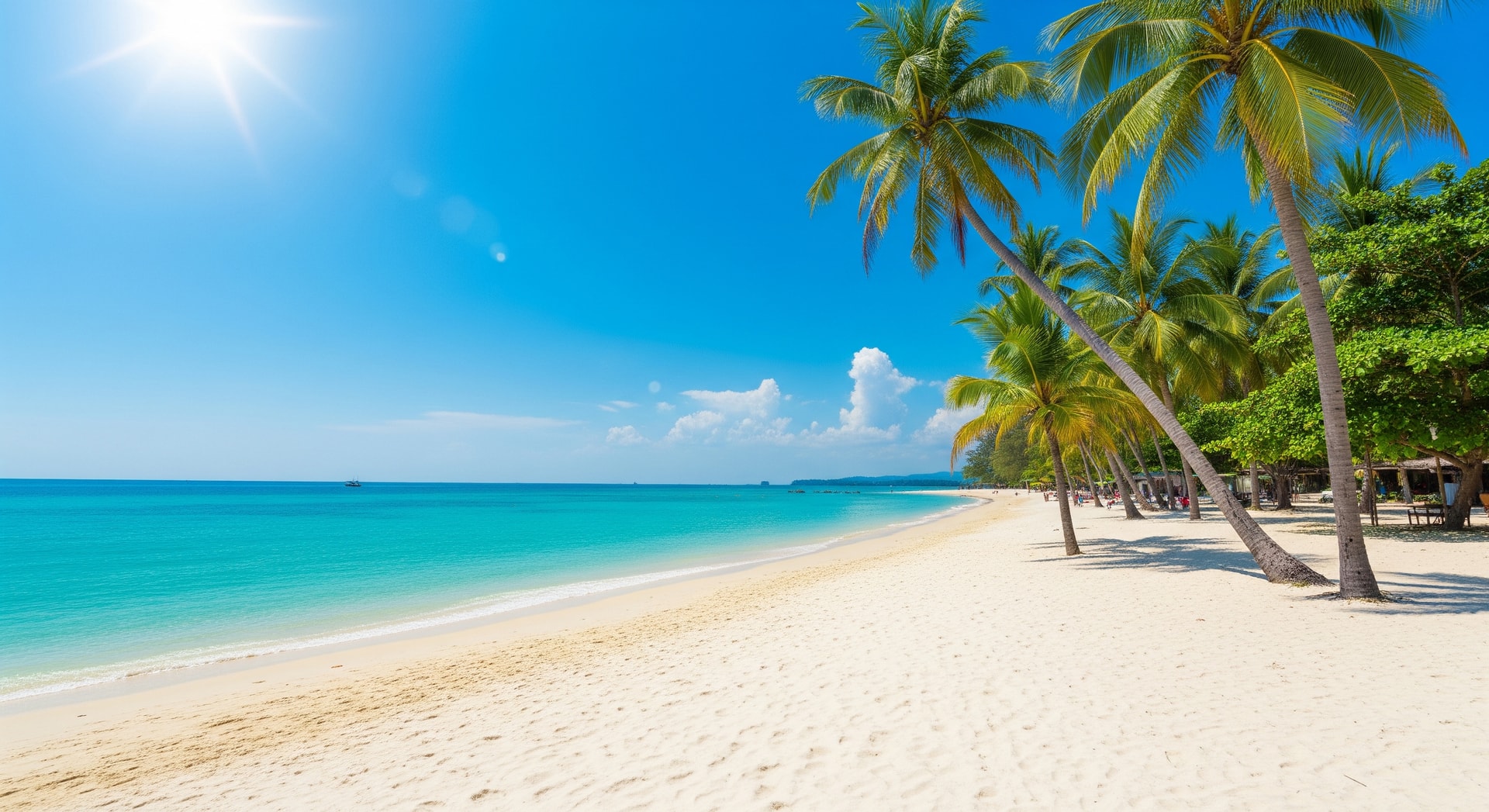
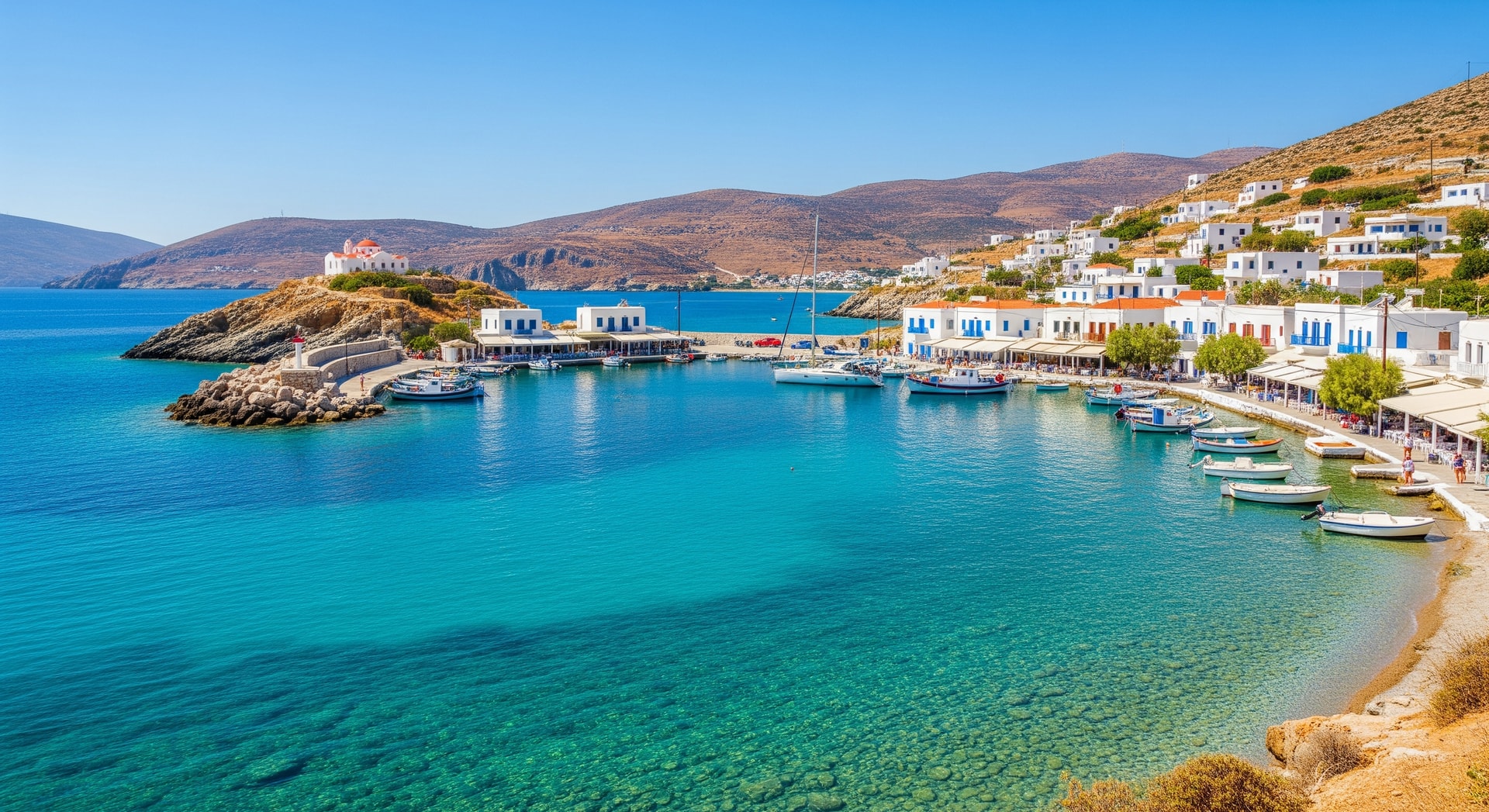
Beyond its towns, Leros is known for quiet beaches, hidden coves and clear Aegean waters. The island’s coastline is dotted with small sandy stretches and secluded spots ideal for swimming or sunbathing without the crowds common elsewhere in the Greek islands.
- Secluded beaches and coves for peaceful swimming
- Hills and valleys lined with olive groves and pine trees
- Scenic hiking and panoramic viewpoints across the island
Getting to Leros
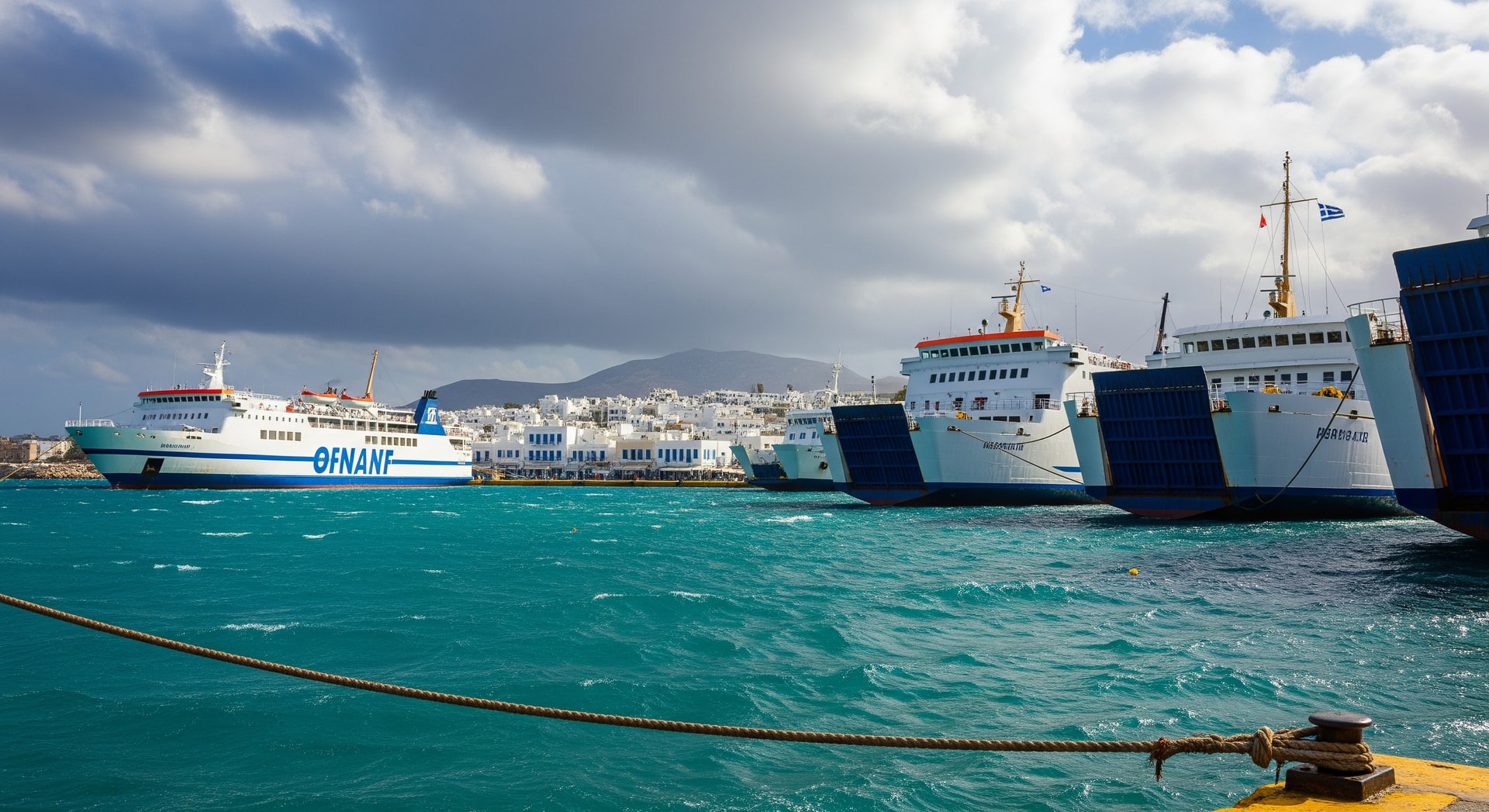
Leros does not host an international airport, but it remains straightforward to reach. Regular ferries connect the island with nearby hubs such as Kos and Rhodes, both of which have international flight connections. The ferry crossing also offers scenic views of the Aegean, and once on Leros visitors can use local buses or taxis to move between towns and beaches.
Leros vs. Santorini: A Different Spring Experience
Where Santorini draws crowds for dramatic sunsets and iconic vistas, Leros appeals to travellers seeking an authentic, low-key getaway. With comfortable April temperatures near 20°C, the island is well suited to outdoor pursuits like hiking, cycling and relaxed beach days, all without the queues and packed attractions of Greece’s busiest destinations.
Local Flavours and Dining
Culinary offerings on Leros reflect both Greek tradition and Italian influence. Fresh seafood is widely available, often prepared simply with olive oil, herbs and local vegetables. Visitors will find dining options that range from relaxed beachfront tavernas to more formal tavernas where local wines accompany sunset views over the Aegean.
Why this matters: For travellers seeking a slower-paced, authentic Greek island experience in spring, Leros offers a compelling alternative to crowded hotspots. So what? Choosing Leros means enjoying moderate April temperatures around 20°C, fewer tourists, accessible ferry connections via Kos or Rhodes, and a distinctive cultural atmosphere shaped by decades of Italian influence — all of which translate to a more relaxed, genuine Mediterranean holiday and opportunities for sustainable, off-the-beaten-path tourism growth.
Sources