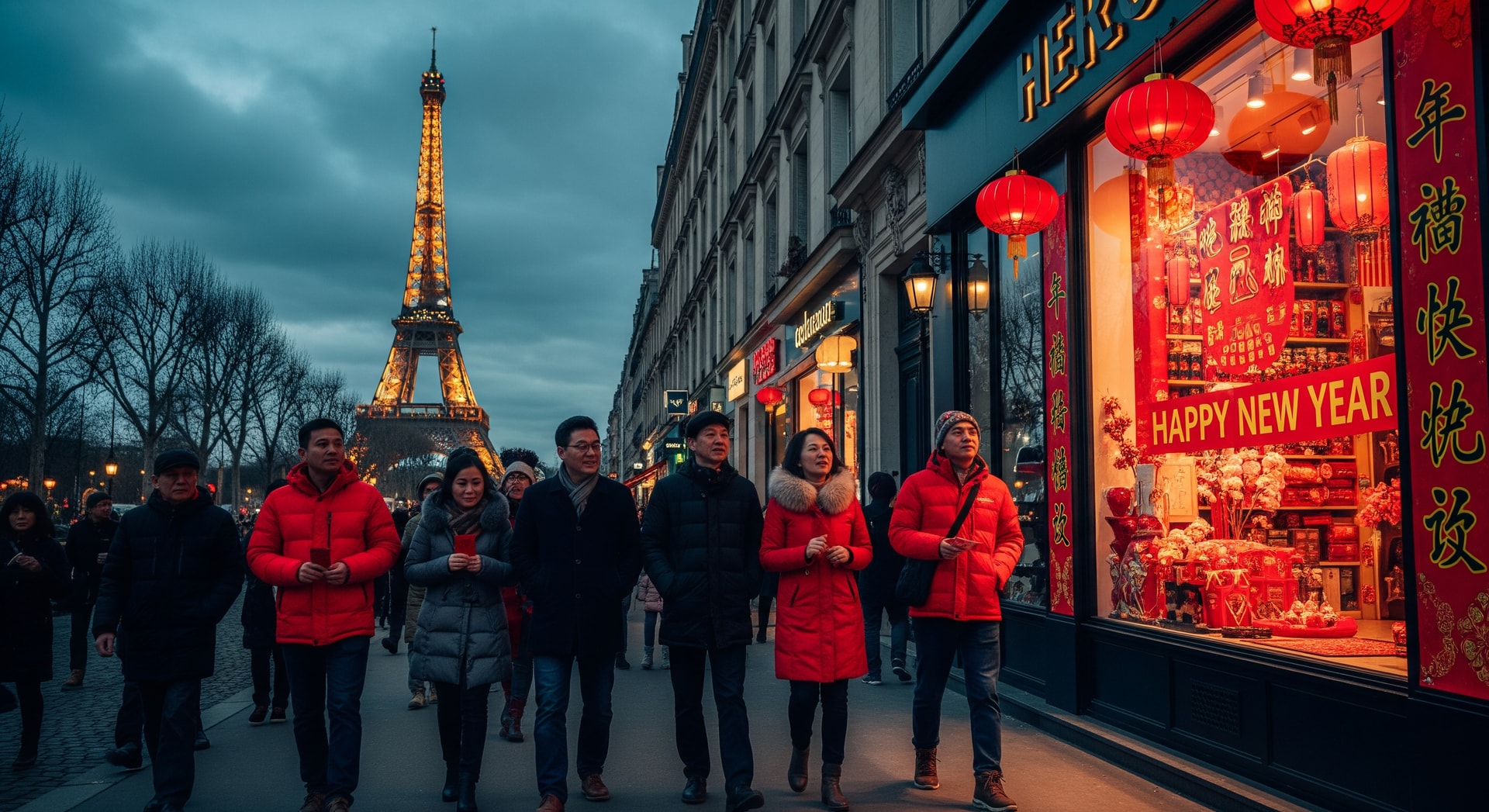
Chinese tourists are choosing Russia, Thailand and Australia over Japan this Lunar New Year, driven by visa-free travel, warm climates and shifting spending priorities.
Summary: As the 2026 Spring Festival begins, Chinese tourists are favoring destinations such as Thailand, Russia and Australia over Japan, driven by a 9-day holiday window, visa-free access to Russia, warm weather in Southeast Asia and a broader shift to experiential spending.
Chinese tourists are showing a clear change in destination preferences this Lunar New Year, with bookings rising for Thailand, Russia and Australia while Japan’s share appears to be slipping.
Spring Festival travel surge and what’s different in 2026
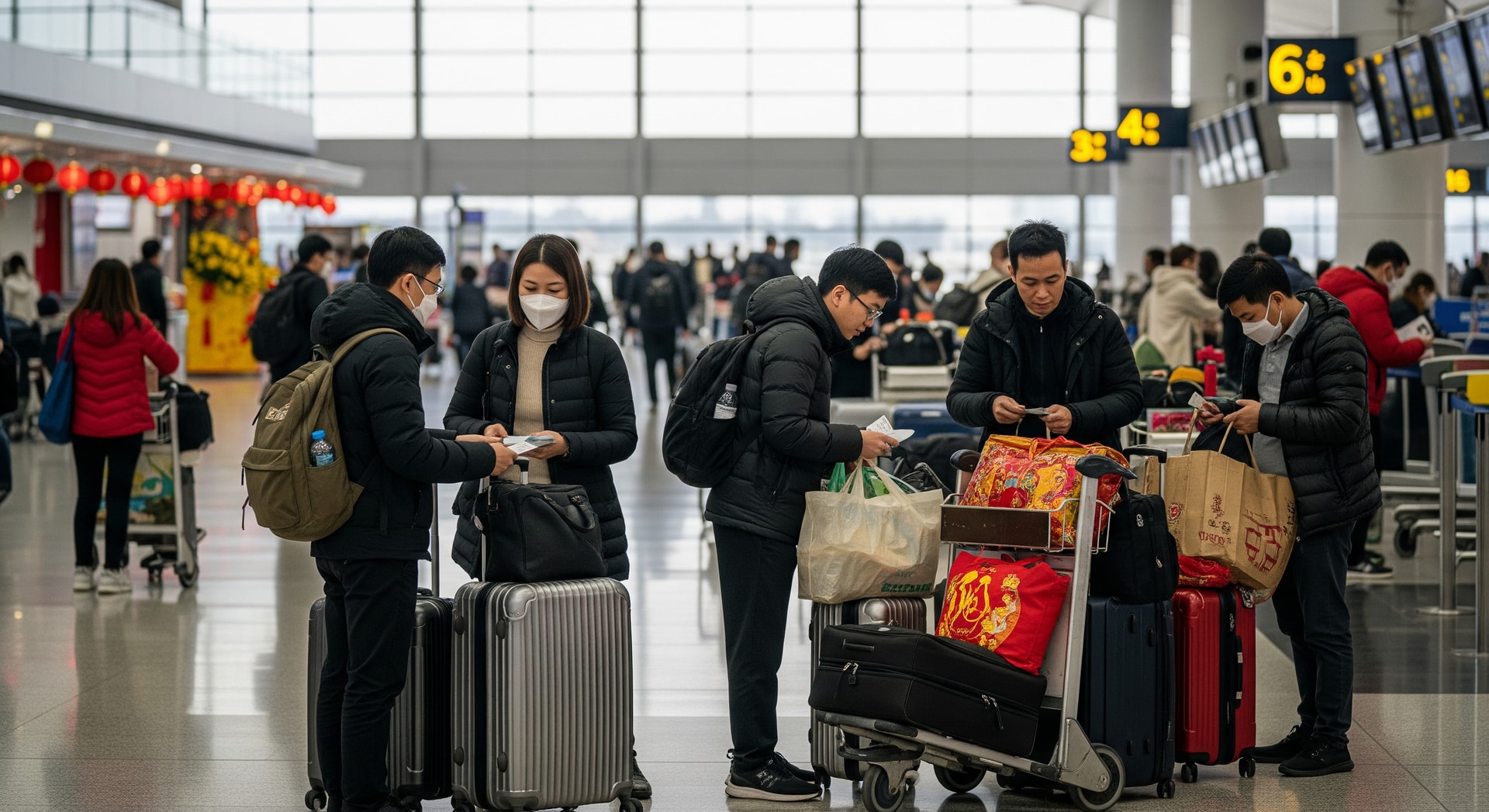
This year’s Spring Festival begins on February 15 and offers an unusual nine-day holiday, one day longer than usual. Chinese authorities forecast about 9.5 billion passenger trips during the period, up from roughly 9.02 billion last year, a boost that is sending many travellers abroad as well as around the country.
Thailand reclaims the top outbound spot
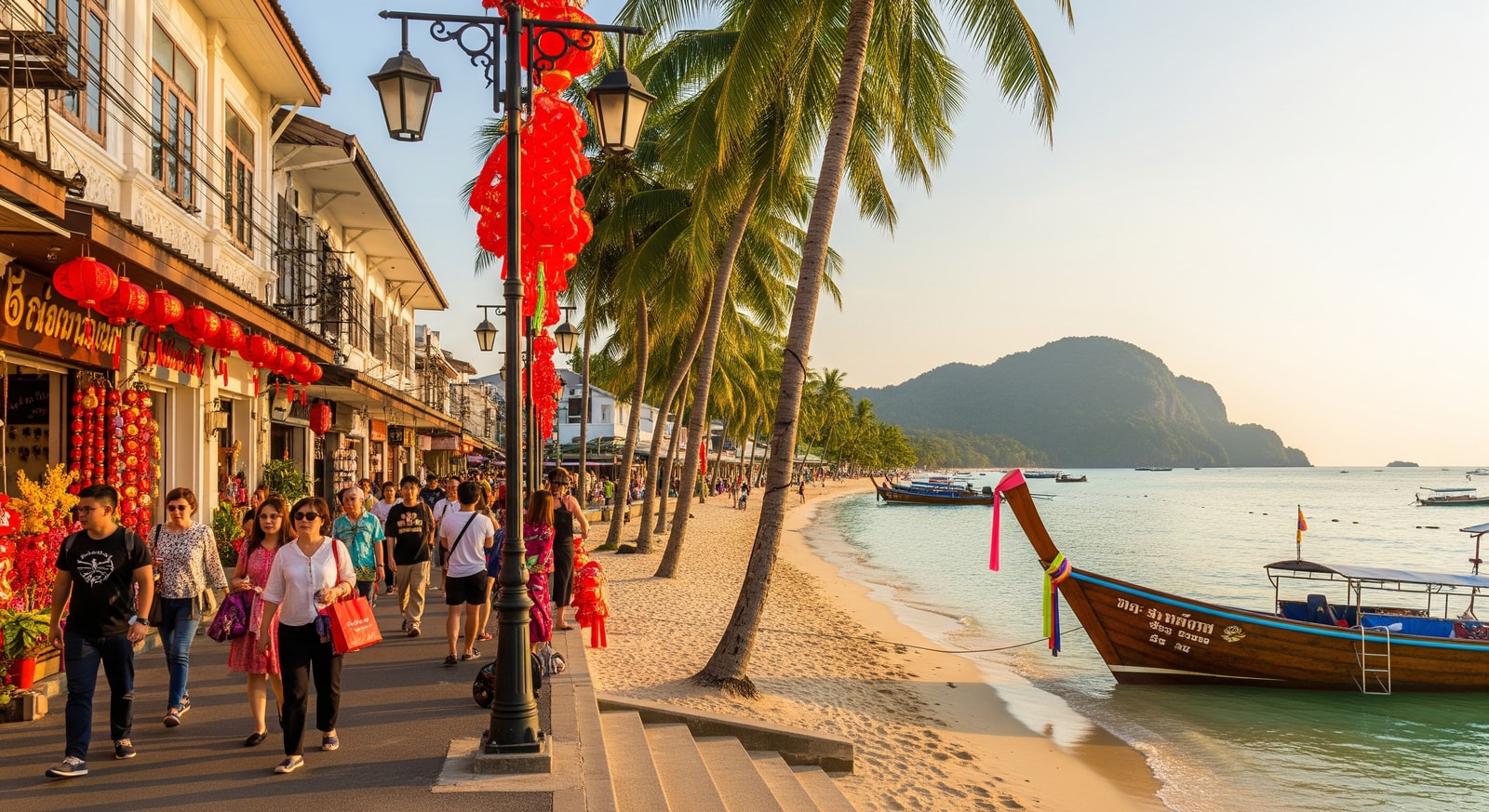
Industry sources report that Thailand has once again become the leading overseas destination for many Chinese holidaymakers. Zhou Weihong of Shanghai-based Spring Tour says Thailand’s warm climate, close proximity and budget-friendly options make it a perennial favourite for those seeking a comfortable winter escape.
- Warm tropical weather and beaches
- Vibrant cities such as Bangkok with varied dining and nightlife
- Affordability and short flight times from China
- Established tourism infrastructure popular with Chinese groups
Economic pressures are reshaping spending priorities
The downturn in China’s property sector and uneven post-pandemic recovery have dented household wealth for many families. With job concerns and economic uncertainty, consumers are increasingly directing money toward experiences rather than goods. Consulting firm McKinsey has flagged this shift toward experiential spending as a major change in Chinese consumption patterns, supporting stronger demand for travel.
Russia sees a booking boom after visa waiver
A notable surprise this season is the surge in bookings to Russia after Moscow introduced a visa-waiver policy for Chinese visitors. Spring Tour reports that reservations to Russia have more than doubled compared with the same period last year, as easier entry rules open the door to destinations that were previously less convenient for short breaks.
- Historic and cultural sites including the Kremlin and St. Basil’s Cathedral
- Shorter travel corridors from northeast China to western Russia
- Perception of value and new promotional activity from Russian tourism bodies
Australia’s long-haul appeal strengthens
Long-haul travel to Australia is also on the rise. Data from Trip.com Group indicate bookings to Australia have more than doubled from the prior year. The country’s natural attractions, outdoor experiences and reputation for safety continue to attract Chinese travellers seeking more extensive international itineraries.
Why Japan is losing ground
Although Japan remains a popular destination, its dominance among Chinese tourists has softened. Industry observers point to higher travel costs, geopolitical tensions and changing traveller priorities after the pandemic as factors that have reduced Japan’s relative appeal. Newer or more affordable options such as visa-free Russia and familiar Southeast Asian destinations are capturing attention that Japan once easily commanded.
So what? For travellers, travel agents and destination marketers, these shifts mean preparing for different demand patterns: airlines and tour operators should adjust capacity and promotions toward Southeast Asia, Russia and Australia, while Japanese tourism authorities may need fresh incentives to regain market share. For travellers, understanding visa rules, seasonal prices and service availability during peak holiday windows will be increasingly important when planning Lunar New Year trips.
Sources