Japan overtourism crisis pressures have led Fujiyoshida to cancel the Sakura Festival for 2026 near Mount Fuji, as officials respond to resident disruption and strained local infrastructure.
Summary: Fujiyoshida has announced the Sakura Festival will not take place in 2026 near Mount Fuji, citing overtourism pressures, resident complaints, and infrastructure strain. Officials still expect visitors during bloom season and plan added security, portable toilets, and expanded parking to manage crowds.
Japan overtourism crisis concerns are reshaping spring travel plans around Mount Fuji after officials said the Fujiyoshida Sakura Festival will not be held in 2026. March is typically associated with hanami celebrations and peak cherry blossom viewing, but travelers heading to the Mount Fuji area this year are being told to adjust their itineraries following the official announcement.
The decision marks a significant moment for the local community and Japan’s tourism sector, highlighting the tension between the destination’s global appeal and the need to keep daily life sustainable for residents.
Why Fujiyoshida cancelled the Sakura Festival in 2026
Fujiyoshida—home to about 44,000 residents—has become a focal point of Japan’s recent tourism surge. The article attributes the spike to a historically weakened yen and the growth of “Instagrammable” travel trends, which have pushed more visitors toward iconic viewpoints in the area.
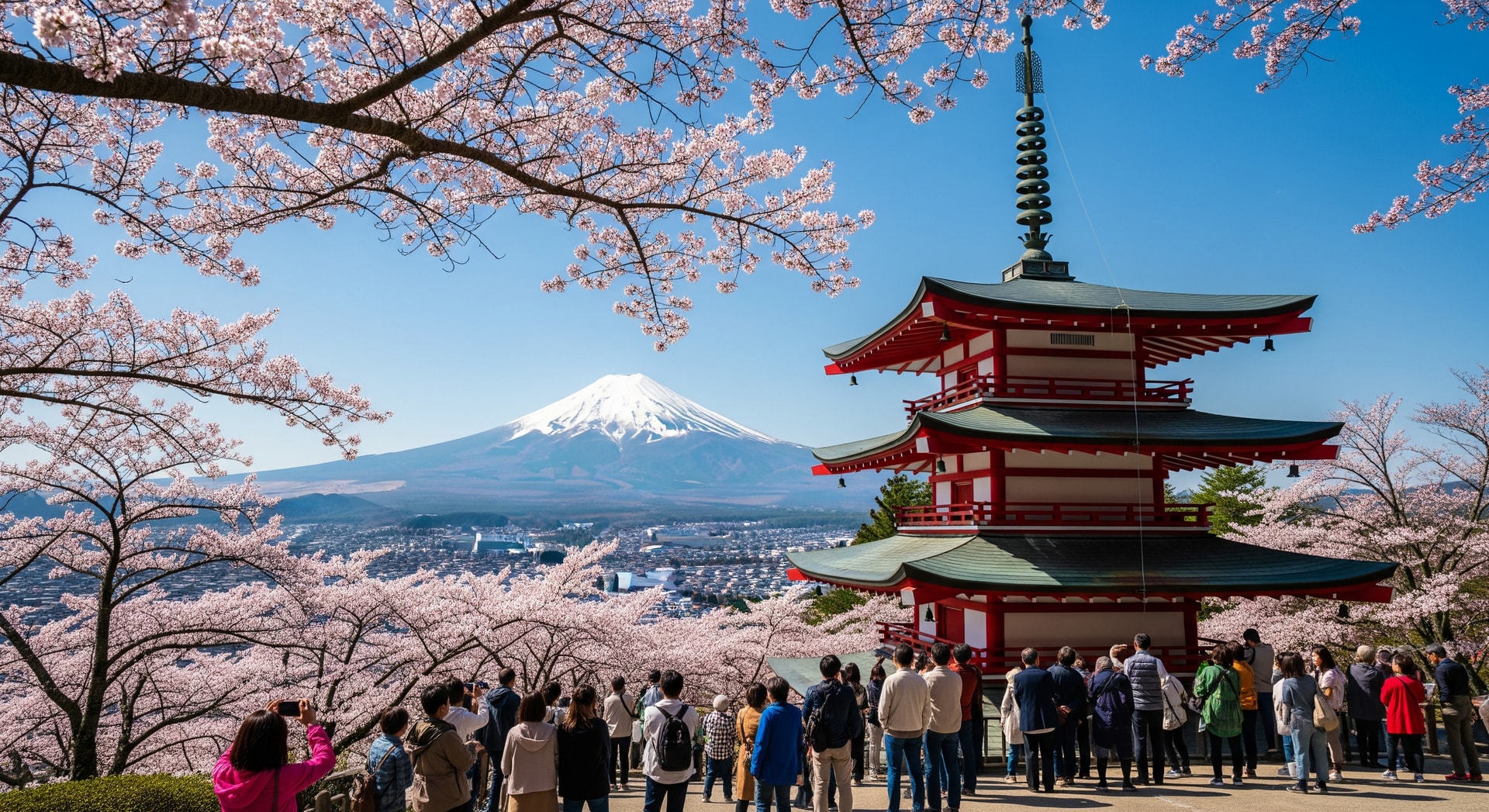
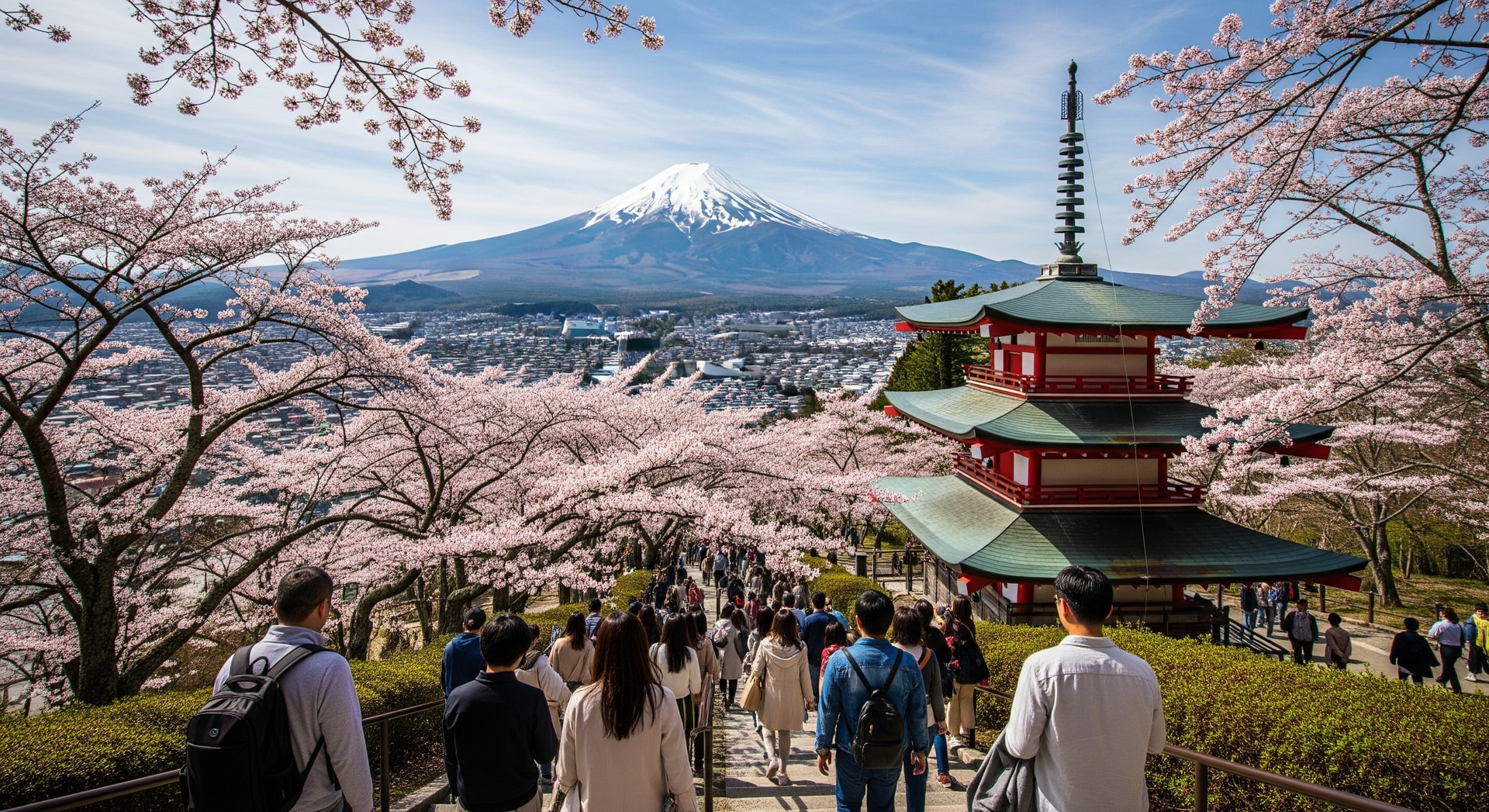
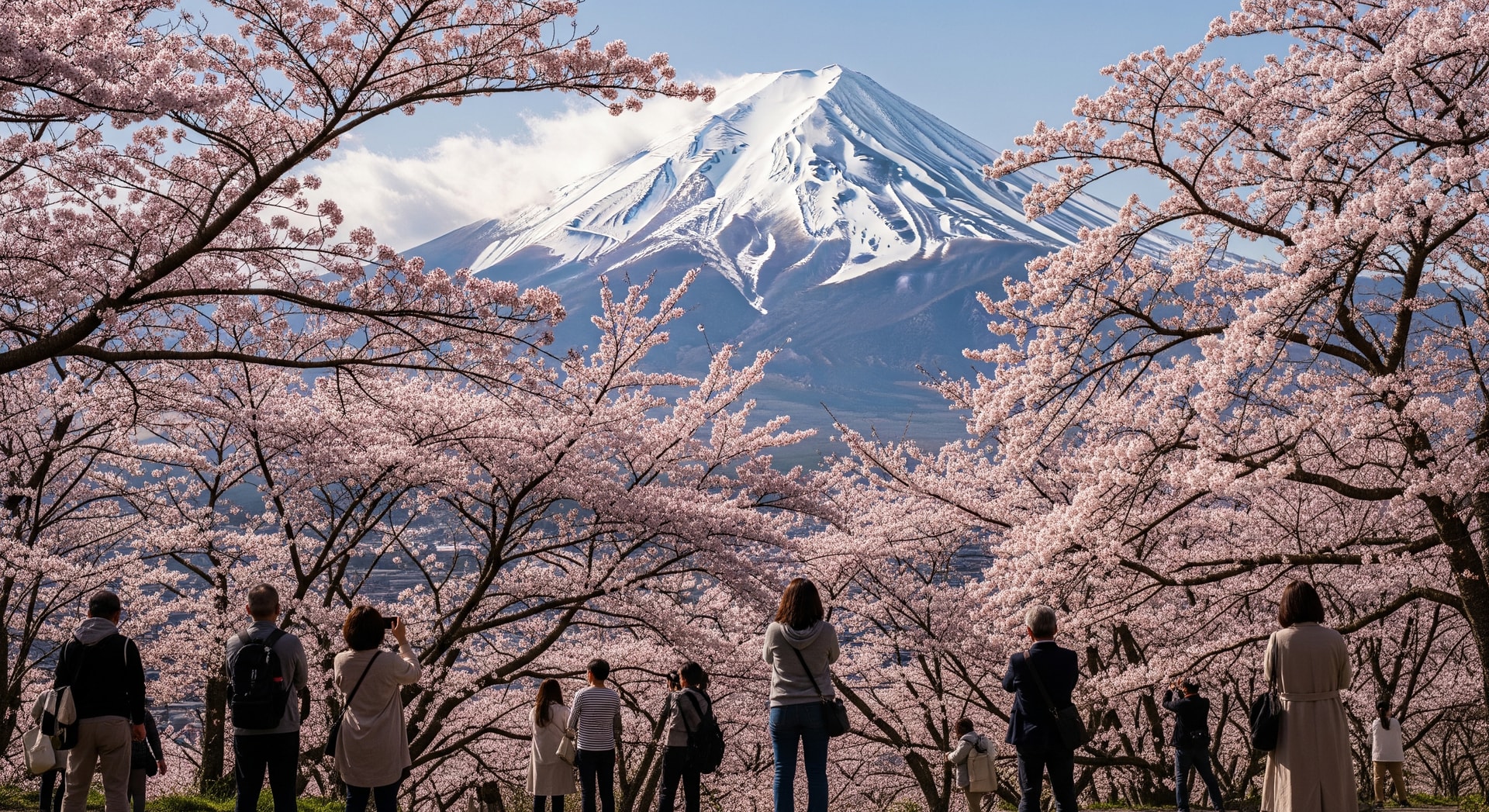
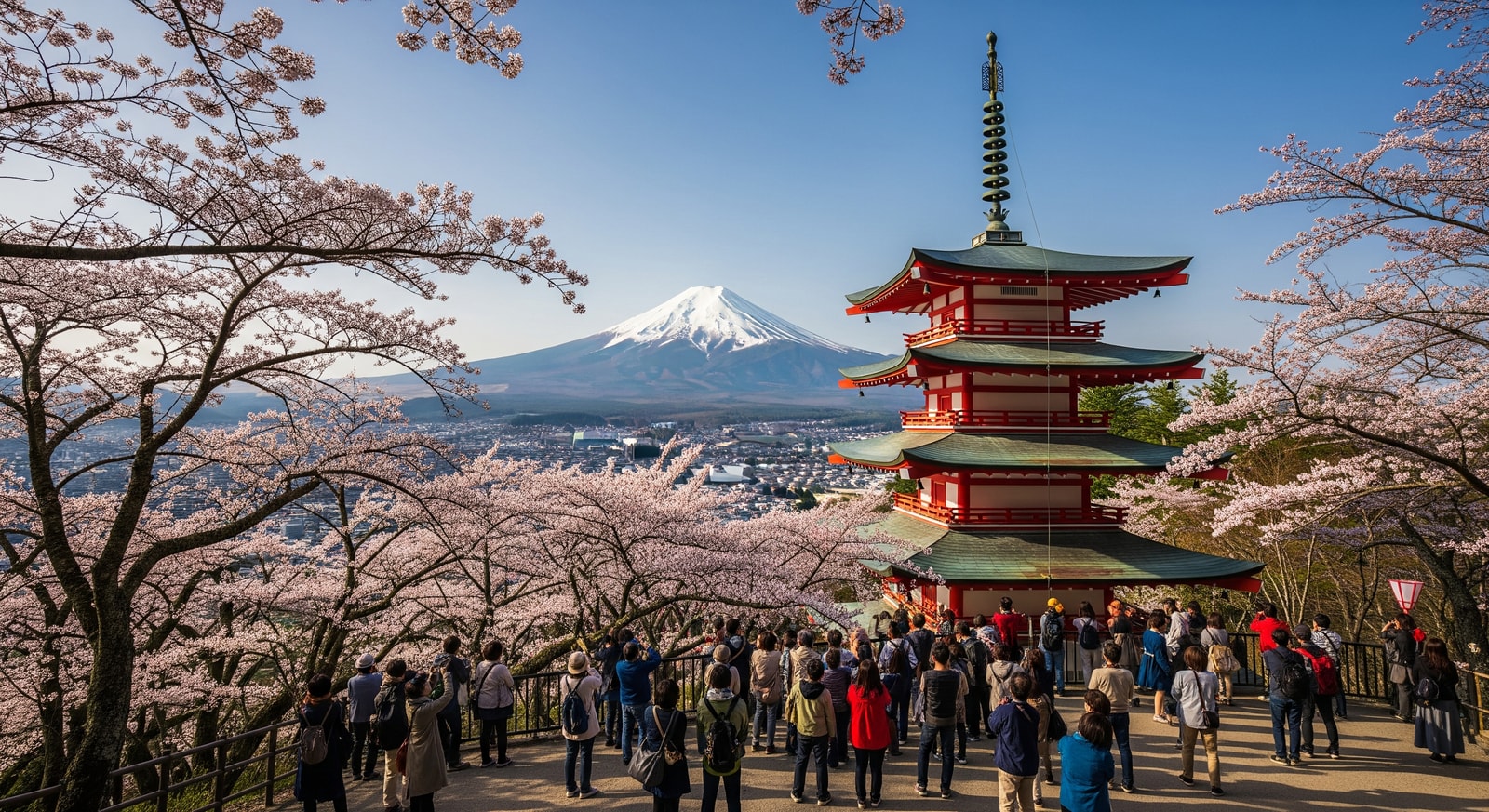
Among the most photographed scenes are views of the Chureito Pagoda framed by cherry blossoms with Mount Fuji in the background. However, the town’s infrastructure was not designed for the current scale of visitation, particularly during the short, intense bloom period.
Crowd levels and pressure on local infrastructure
During peak season, daily foot traffic has been observed exceeding 10,000 people, with total visitor numbers reaching approximately 200,000 across the blooming period, according to the report. The influx has increased pressure on local services and has tested residents’ tolerance as neighborhoods become crowded and noisy.
- Town population: approximately 44,000 residents
- Peak daily foot traffic: exceeding 10,000 individuals
- Total visitors during bloom period: approximately 200,000
Resident complaints: trespassing and neighborhood disruption
The report says the cancellation followed persistent grievances from the local community. Officials cited disruptions linked to the behavior of some visitors, including trespassing and ignoring posted signs.
According to the account, there were reports of tourists entering private residences in search of restroom access or better angles for photos. The broader concern was that residential areas were losing their normal sense of calm during the busiest weeks of the season.
In response, the town chose to remove the event’s official festival status, framing the move as a way to protect local life and support the long-term viability of the area as a place to live—not only a place to visit.
What will happen during cherry blossom season anyway
While the formal festival is cancelled, officials still expect visitors because the cherry blossoms will bloom regardless of event programming. The report says Fujiyoshida has launched a broader management plan aimed at reducing disorder during the peak weeks.
Planned steps include a heightened security presence during the busiest period, along with temporary upgrades such as additional portable toilets and expanded designated parking areas. The goal is to avoid the chaotic conditions seen in previous years and to steer visitors toward more respectful behavior.
Japan’s wider response to overtourism in 2026
The Fujiyoshida decision is presented as part of a broader national challenge. The report says Japanese authorities are taking a more assertive approach to overtourism in 2026, moving away from unchecked growth and toward a “high-value” tourism model.
Reforms mentioned include a major overhaul of the tax-free shopping system, intended to streamline the process while keeping more economic benefit within local municipalities. The report also notes rising accommodation costs in popular prefectures, often linked to localized lodging taxes designed to fund heritage maintenance and public services under strain from high visitor volumes.
What this means for travelers visiting Mount Fuji and Fujiyoshida
For travelers planning Japan trips in spring 2026, the changes signal a different on-the-ground experience. The report says the interventions are intended to protect the landscapes and neighborhoods that attract visitors, not to discourage travel outright.
Visitors are encouraged to consider “hidden gems” and secondary cities to help spread tourism benefits beyond heavily visited areas such as Tokyo, Kyoto, and the Fuji region. Those who still go to Fujiyoshida during blossom season may encounter a more controlled environment, and the report suggests that removing the official festival draw could reduce the number of day-trippers and support a quieter appreciation of the scenery.
Why this matters: For travelers, the cancellation is a practical planning signal—expect tighter crowd management, fewer “festival” elements, and potentially higher costs in popular areas as Japan adjusts policies to address overtourism. For the industry, Fujiyoshida’s move underscores a growing priority shift toward protecting residents and maintaining destinations over maximizing visitor volume.
Sources