The Aviation Health Conference 2026 will take place in Istanbul on 29–30 September, bringing global experts together to advance air travel health.
Summary: The Aviation Health Conference 2026 will be held in Istanbul on 29–30 September. Co‑hosted with the International Airlines Medical Association (IAMA) and chaired by Dr Rui Pombal (Medical Advisor to IATA), the two‑day event will feature expert panels, an exhibition and networking opportunities ahead of ICAM from 1–3 October 2026.
Istanbul will host the Aviation Health Conference 2026 on 29–30 September, bringing leading aviation health specialists from the US, UK, China, Germany and beyond to discuss new approaches to passenger and crew wellbeing. The event aims to spotlight innovations in aviation medicine, updated health protocols and technologies designed to improve safety across air travel.
Conference overview
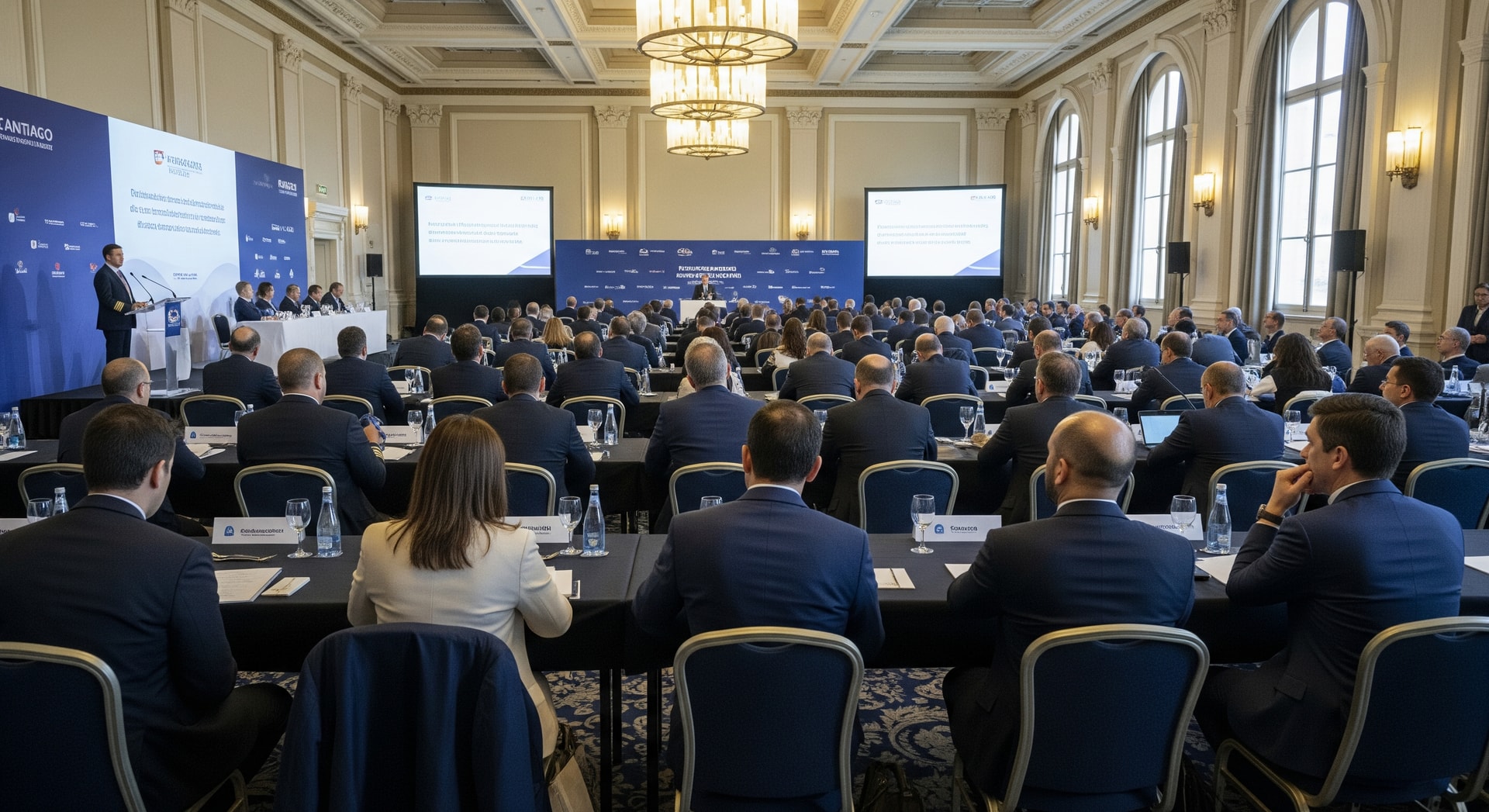
The two‑day conference will offer a full programme of presentations, workshops and an exhibition area showcasing the latest developments in aviation health technology and practice. Co‑hosted by the International Airlines Medical Association (IAMA), the event is expected to attract airline medical officers, aviation health researchers, travel health professionals and industry stakeholders.
Dr Rui Pombal, Medical Advisor to IATA, will chair the conference, bringing leadership aimed at translating scientific insight into practical measures for airlines and airports. The schedule includes expert-led sessions on emergency response, long‑haul health issues and passenger wellbeing technologies.
- Dates: 29–30 September 2026
- Co‑host: International Airlines Medical Association (IAMA)
- Conference Chair: Dr Rui Pombal, Medical Advisor to IATA
- Linked event: ICAM (International Conference on Aerospace Medicine) follows 1–3 October 2026
Why Istanbul was chosen
Istanbul’s position straddling Europe and Asia and its established conference infrastructure make it a logical host for this global summit. Organisers note the city’s accessibility to international delegates and the opportunity it provides attendees to combine the conference with cultural and professional travel in the region.
The timing of the Aviation Health Conference, immediately before ICAM (1–3 October 2026), was highlighted as a strategic advantage, enabling participants to extend their stay and engage in a broader set of aerospace medicine discussions.

Programme highlights and topics
The agenda will include workshops, lectures and panel discussions on pressing aviation health issues. Sessions are designed to blend clinical evidence with operational guidance so airlines and medical teams can apply new approaches in real-world settings.
- In‑flight medical emergencies and emergency medical services
- Health risks on long‑haul flights
- Infectious disease control and post‑pandemic protocols
- Mental health and wellbeing for cabin crew
- Passenger health monitoring systems and new technologies
Networking, exhibition and social events
Beyond sessions, the conference will feature an exhibition area highlighting medical equipment, health management systems and other innovations. A drinks reception is planned at the end of the first day to facilitate informal discussions and partnership-building among delegates.
Who should attend
The conference is aimed at airline medical officers, aviation health professionals, travel medicine experts, airport health managers and industry suppliers. The organisers also recommend the event to US tourism professionals and US tourists to Europe who are interested in how evolving health protocols may affect travel.
Registration and practical details
Organisers urge interested delegates to register early to secure places and to plan travel around the adjoining ICAM meeting from 1–3 October 2026. Further registration details and the full programme will be published by the conference organisers.
Why this matters: As global travel rebounds, aviation health standards and emergency responses are under renewed scrutiny. The Aviation Health Conference 2026 aims to accelerate practical improvements that can directly affect passenger safety, airline operations and public confidence in air travel.
Sources