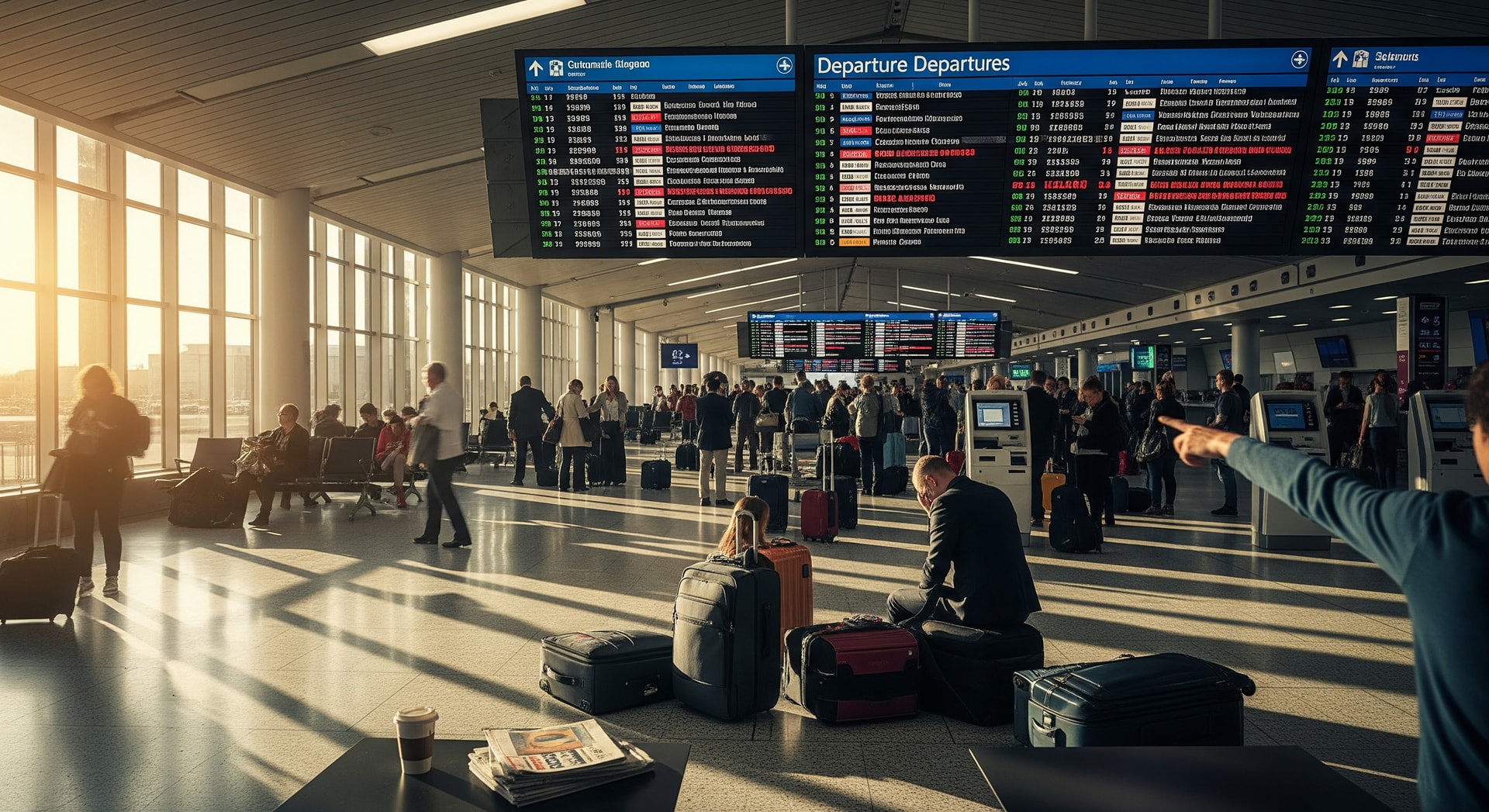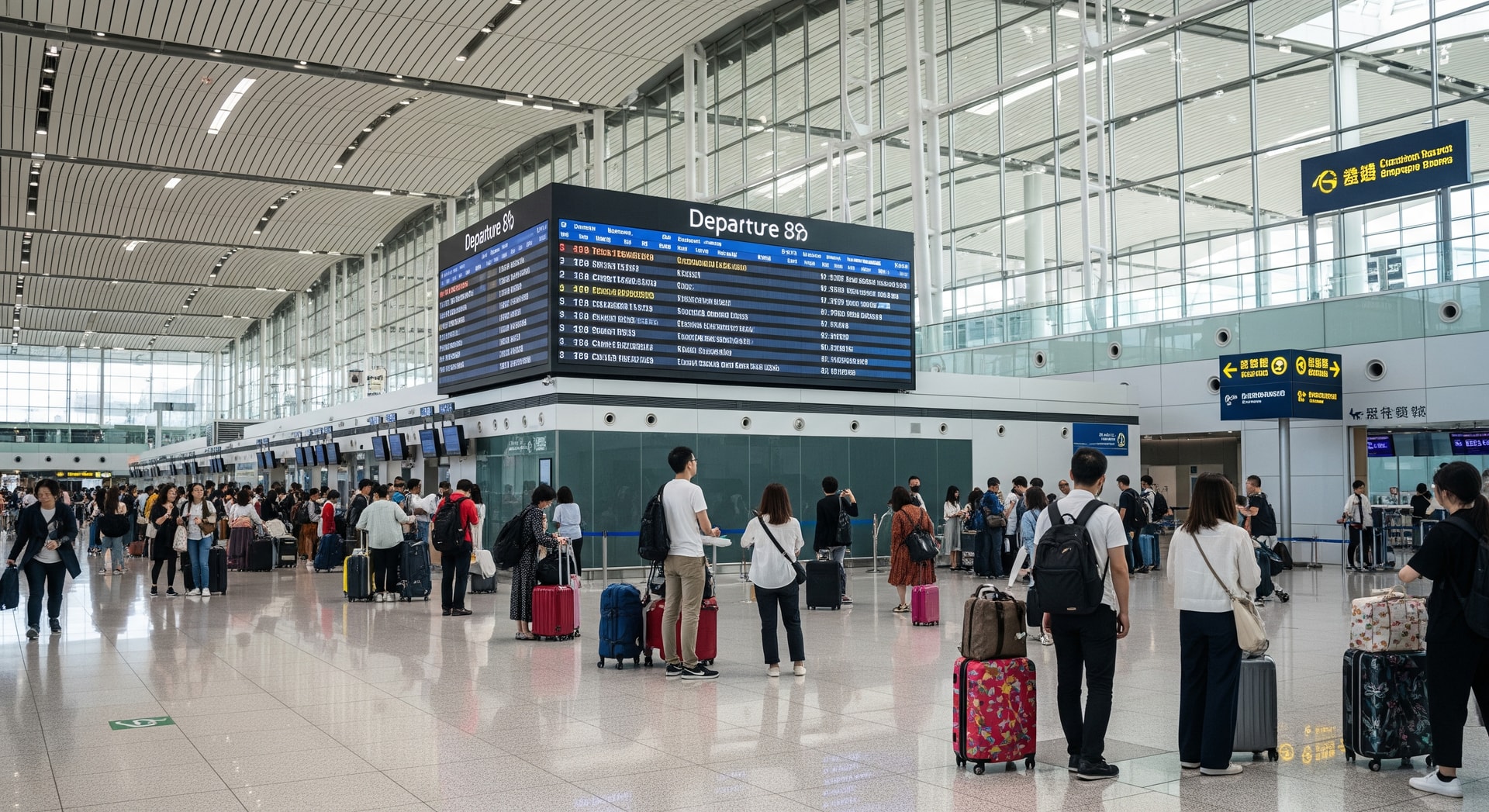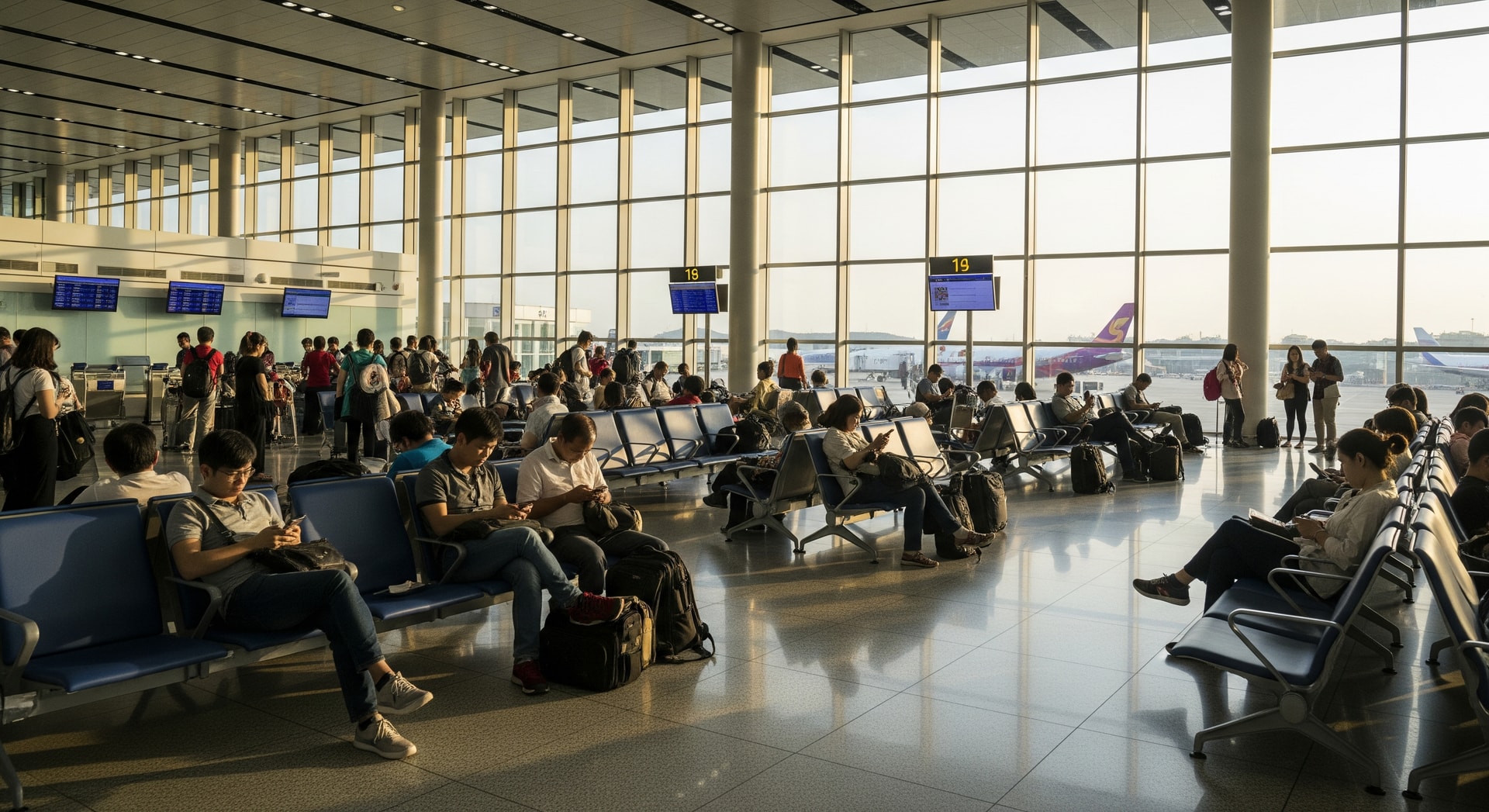
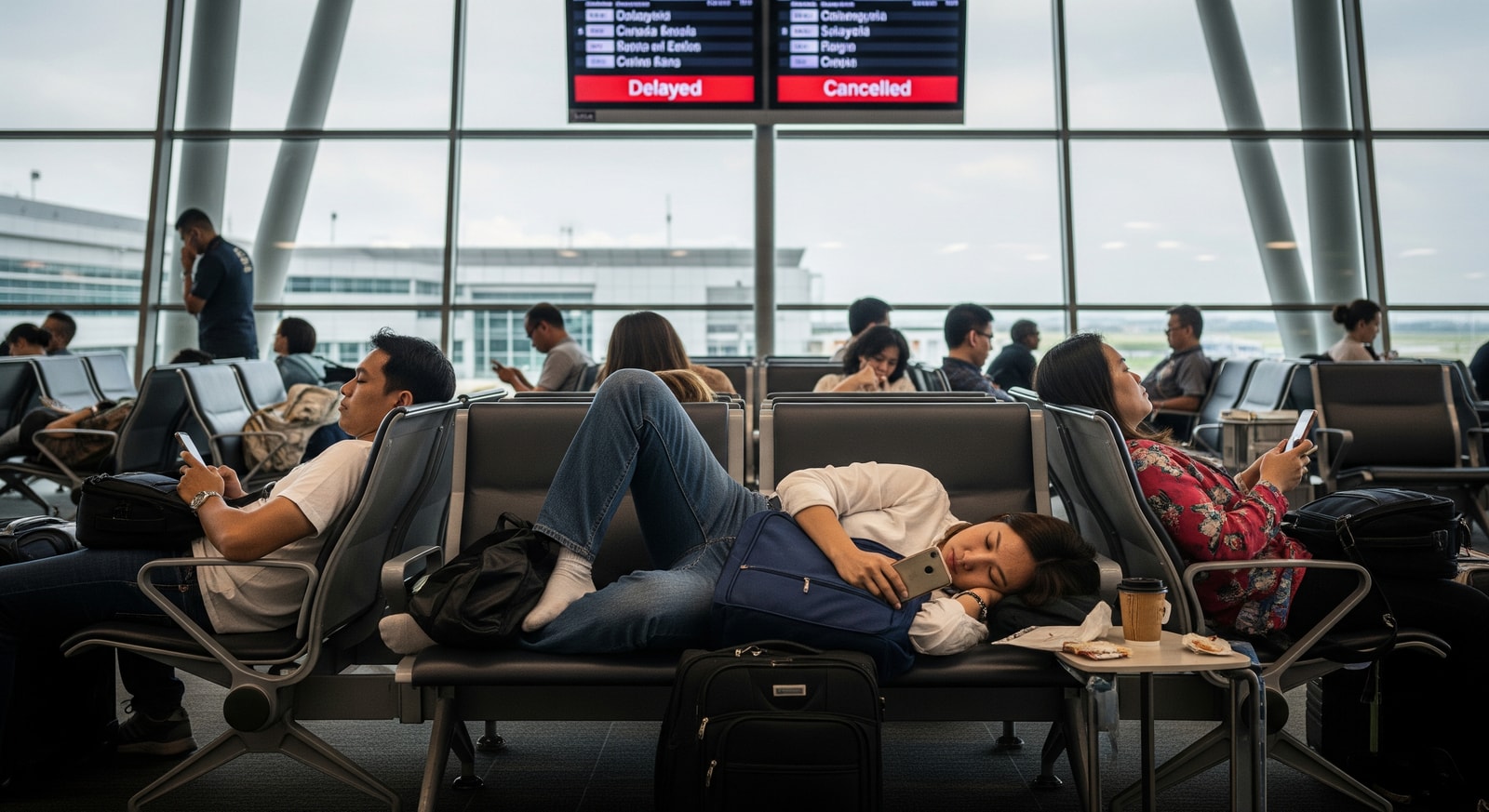
Flight disruptions left hundreds of passengers stranded across Singapore, Indonesia and the Philippines as 1,219 delays and cancellations were recorded on 11 February 2026.
Summary: Flight disruptions left hundreds of passengers stranded across Singapore, Indonesia and the Philippines on 11 February 2026, with 1,219 delays and cancellations recorded — driven largely by delays rather than outright cancellations.
Hundreds of travellers were affected across major Southeast Asian airports on 11 February 2026 after 1,219 flight disruptions — principally delays — were reported at hubs including Singapore Changi, Jakarta Soekarno-Hatta, Sultan Hasanuddin (Makassar), Ngurah Rai (Bali), Manila International and Mactan–Cebu.
Scope of the disruption
Data compiled from airport and traffic reports show that delays far outnumbered cancellations across the six busiest affected airports. The operational strain was most concentrated in Indonesia, though Singapore and the Philippines also recorded high delay volumes that disrupted regional connections.
Airport-level impact
The largest single-airport effect was at Jakarta Soekarno-Hatta, with Singapore Changi and several Indonesian hubs also reporting triple-digit delays. Manila and Cebu in the Philippines experienced sustained congestion, primarily affecting domestic flows and regional itineraries.
- Jakarta Soekarno-Hatta: 357 delays, 10 cancellations
- Singapore Changi: 287 delays, 3 cancellations
- Sultan Hasanuddin (Makassar): 171 delays, 6 cancellations
- Ngurah Rai / Bali: 150 delays
- Manila International: 138 delays, 2 cancellations
- Mactan–Cebu: 95 delays
Airlines bearing the brunt
Several major carriers showed high delay volumes at individual hubs. Indonesian operators and regional low-cost carriers figured prominently in the counts, while full-service and long-haul carriers also reported knock-on delays that affected connecting passengers.
- Scoot: 86 delays at Singapore Changi (plus additional delays at other hubs)
- Singapore Airlines: 82 delays at Singapore Changi (also delays at Bali, Manila and Jakarta)
- Lion Air: 94 delays at Sultan Hasanuddin; 22 delays at Bali
- Batik Air: 9 cancellations and 67 delays at Jakarta Soekarno-Hatta; 6 cancellations at Sultan Hasanuddin
- Cebu Pacific Air: 60 delays at Manila; 28 delays at Mactan–Cebu
- Philippine Airlines: 1 cancellation and 30 delays at Manila
Why delays dominated today’s figures
Reports indicate the pattern for the day was schedule slippage rather than mass cancellations. Operational pressures concentrated at Indonesian airports produced the most cancellations (notably at Jakarta Soekarno‑Hatta and Sultan Hasanuddin), while Singapore and Philippine hubs experienced larger numbers of late departures that disrupted onward connections.
What affected passengers should do
- Check real‑time flight status with your airline before heading to the airport.
- Allow extra time for connections through high‑impact hubs such as Singapore Changi, Jakarta Soekarno‑Hatta and Manila International.
- Keep boarding passes and booking references easily accessible for rebooking at airport service desks.
- Consider flexible rebooking options if travelling through Bali or Cebu, where delays were significant.
- Remain inside terminals during extended waits and confirm departure gates with airport staff.
Travel and airport authorities continue to monitor flows. While the majority of disruptions were delays, cancellations were concentrated in certain Indonesian airports and primarily involved a small subset of carriers, including Batik Air’s reported cancellations at Jakarta and Sultan Hasanuddin.
Why this matters: For travellers, the scale of today’s disruptions underlines the need to build time buffers into itineraries across Southeast Asia and to verify transfer protections with carriers. For airlines and airports, repeated high‑volume delays highlight ongoing operational pressures that can ripple across regional schedules and affect connectivity for passengers and cargo alike.
Sources