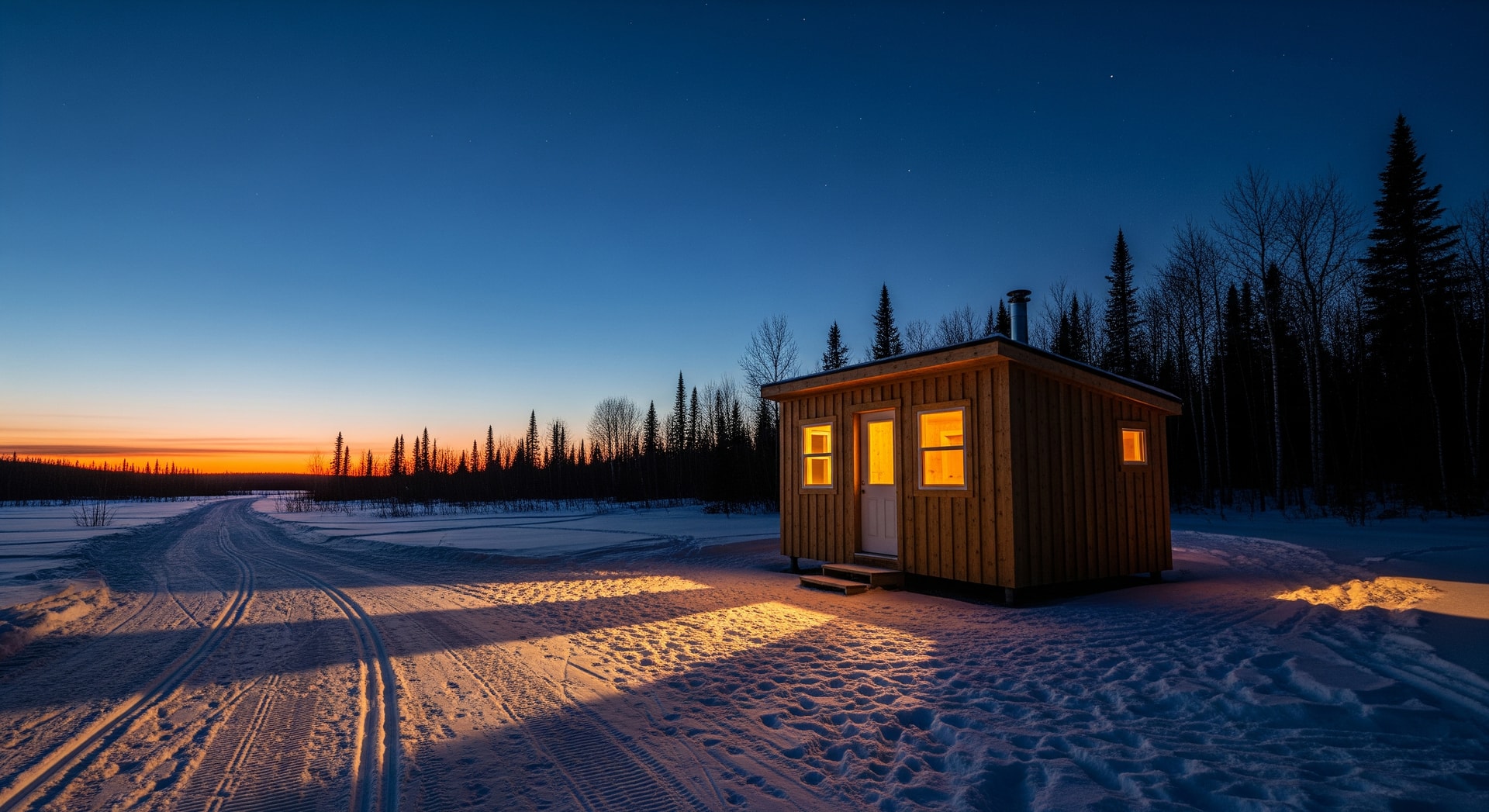
Sudbury warming huts have opened across Greater Sudbury trails, providing emergency shelter and expected to generate $6 million in annual tourism spin-offs.
Summary: Five high-tech Sudbury warming huts have been installed along Greater Sudbury trails as part of a $234,000 trail upgrade, improving rider safety and expected to deliver about $6 million in annual tourism spin-offs.
The crisp boreal air around Greater Sudbury now has a new point of warmth: five Sudbury warming huts have been completed and opened along the region’s snowmobile routes, offering shelter, amenities and an enhanced sense of safety for riders during the 2026 season.
Project overview and funding
The City of Greater Sudbury finalised a $234,000 trail enhancement initiative that includes the five warming huts. The project received a $125,000 contribution from the Greater Sudbury Development Corporation (GSDC) via its Tourism Development Fund and also funded the purchase of a new brusher head to help maintain the network.
- Total project cost: $234,000
- GSDC grant: $125,000 (Tourism Development Fund)
- Trail maintenance upgrade: new brusher head
- Local trail network maintained: 79 kilometres
- Five newly constructed warming huts
Safety-first design and emergency readiness
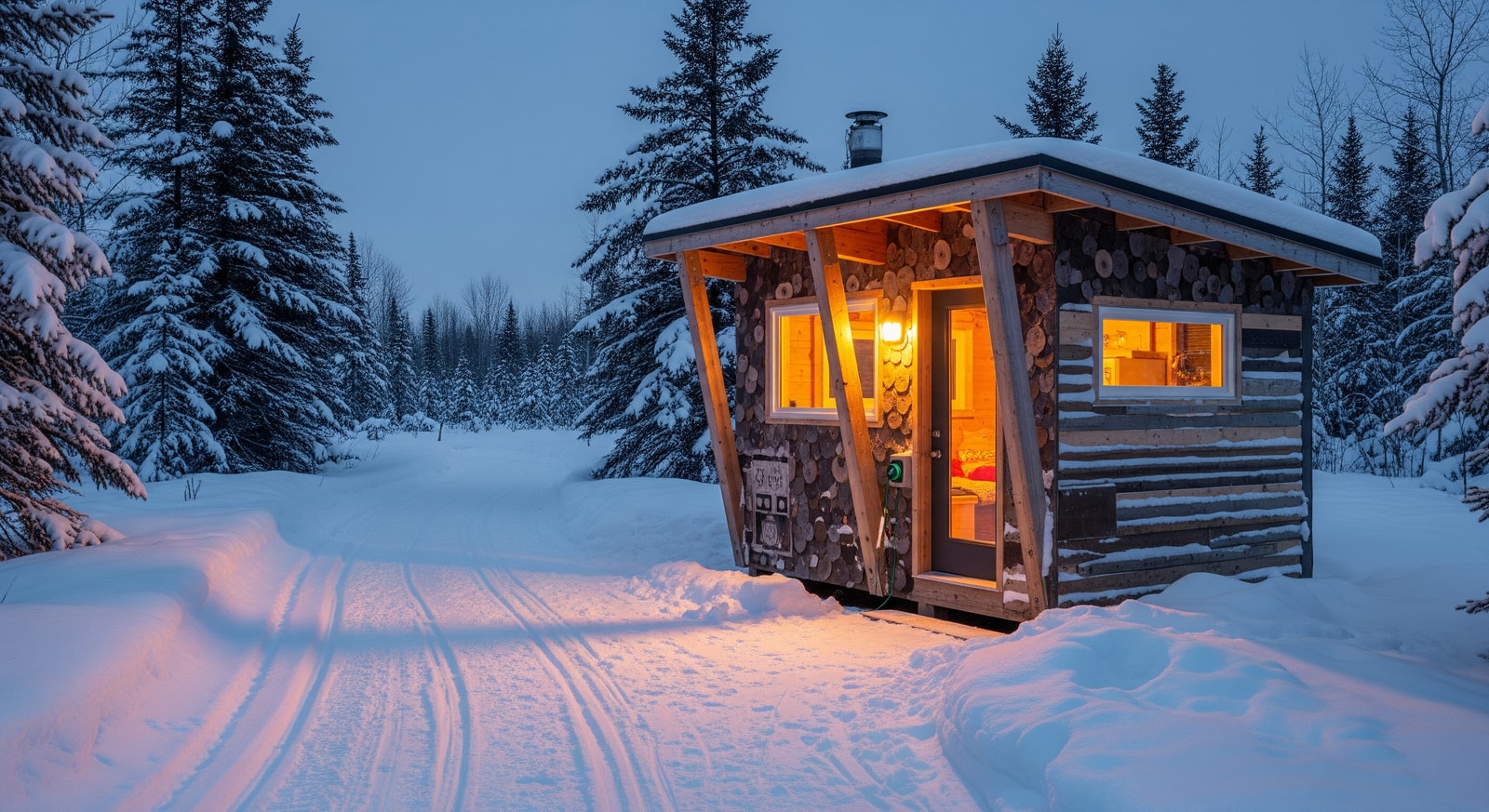
While the huts provide a comfortable pause from sub-zero conditions, their principal function is life safety. The structures are positioned to act as emergency refuges where riders can shelter, access fire pits and wood supplies, and use charging points for critical communication devices—features intended to reduce the risk of an overnight survival situation should a snowmobiler become stranded.
Built by students to support skills development
Construction of the warming huts involved local students from Cambrian College, Collège Boréal and several Catholic secondary schools including École secondaire catholique L’Horizon. The Sudbury Trail Plan made a deliberate decision to engage students so the project would also serve as hands-on training in carpentry and electrical trades. City tourism official Lara Fielding said the collaboration both increased student skills and improved the visitor experience.
Economic impact: turning winter recreation into revenue
The Greater Sudbury Development Corporation expects the upgraded trail experience to deliver significant economic benefits. Richard Picard of the GSDC says the enhanced system could produce roughly $6 million in annual tourism spin-offs as riders lengthen stays and increase demand for local accommodation and services.
- Projected annual tourism spin-off: $6 million
- Targeted additional hotel room nights: 1,500–2,000 per year
- Context: snowmobiling contributes nearly $1.5 billion to Ontario’s economy annually
Rider experience in the 2026 season
For visitors in 2026 the trails are reported to be in excellent condition. The warming huts are live on the Sudbury Trail Plan’s digital maps and are available as stopovers along popular routes such as the Rainbow Elk Loop and the Chiniguchi Wolf Loop. The city is already seeing increased participation from leisure riders and events like Snowarama, many eager to see the student craftsmanship in person.
A legacy of community resilience
Beyond immediate safety and economic gains, the huts represent a community-driven approach to winter infrastructure: combining municipal investment, development funding and hands-on learning. As smoke rises from their chimneys, these structures symbolise a practical, local response to winter hazards and a commitment to supporting the next generation of skilled tradespeople.
Why this matters: For travellers, the Sudbury warming huts mean safer, more confident exploration of Northern Ontario’s trail network, with improved facilities and clearer route information. For the tourism industry and local economy, the investment aims to convert short visits into longer stays and to capture a larger share of winter recreation spending—turning safety upgrades into sustained economic opportunity.
Sources