The HBX Group and Dida partnership will create a seven-year strategic alliance to build AI-driven travel distribution and expand HBX’s reach into China’s digital travel market.
Summary: HBX Group and Dida Holdings have entered a seven-year preferred strategic partnership to integrate HBX’s global accommodation supply into Dida’s AI-first distribution ecosystem, focusing on China and wider Asia and including fintech, localisation and machine-to-machine optimisation.
HBX Group and Dida have agreed a seven-year preferred strategic partnership designed to accelerate AI-driven travel distribution across China and Asia. The HBX Group and Dida partnership positions HBX as a preferred global supply partner inside Dida’s AI-led, mobile-first ecosystem, and sets out to better source, manage and scale international travel demand over the next decade.
Partnership scope and strategic intent
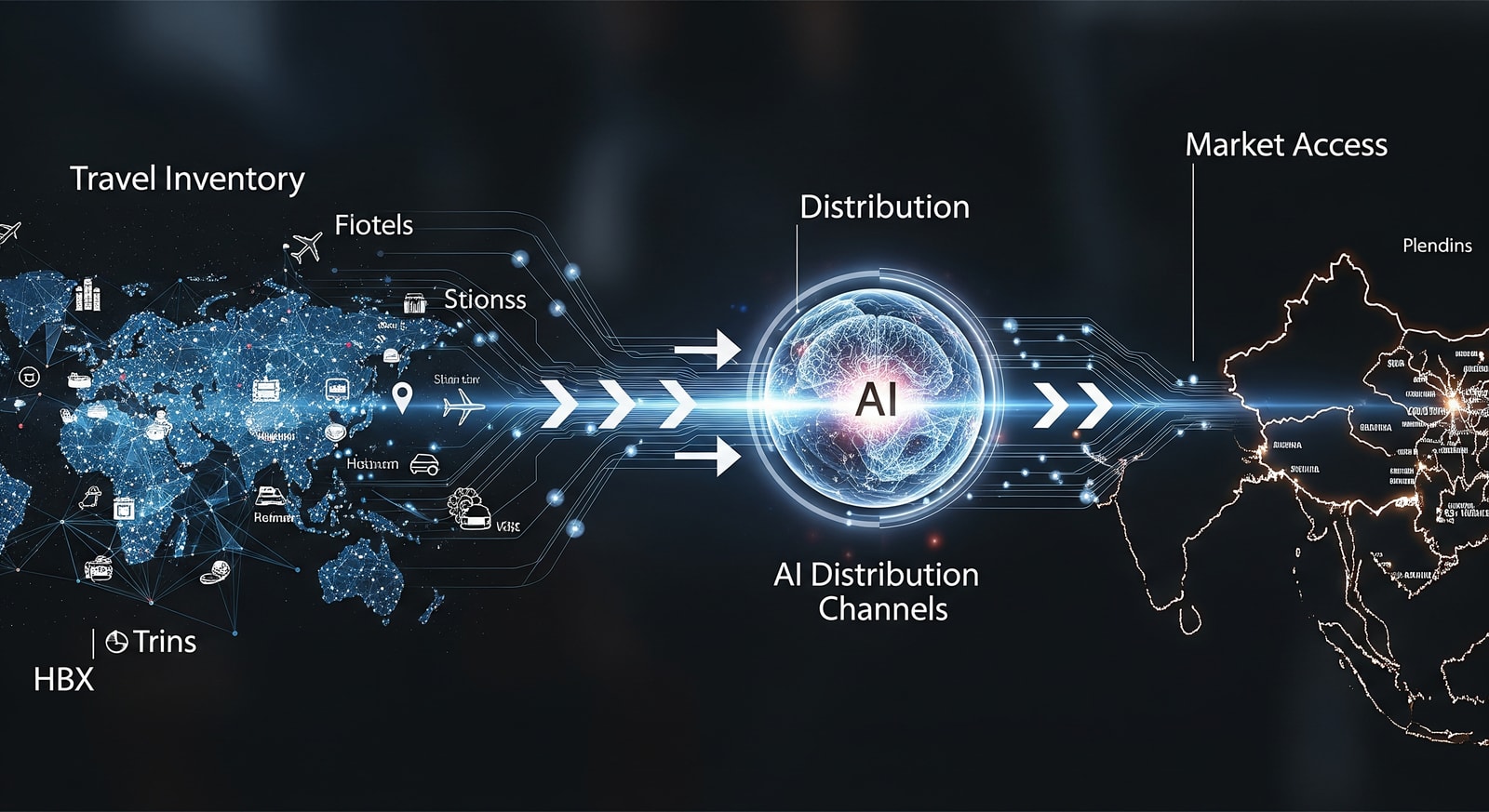
The agreement formally names HBX Group, a global B2B TravelTech marketplace, as a preferred supply partner within Dida Holdings’ distribution architecture. Dida, described as an AI-first travel distribution platform, will embed HBX’s accommodation inventory into its AI-powered channels to reach China’s extensive digital travel audience.
What each company will contribute
- Dida Holdings: provide access to China’s digital travel market and embed HBX inventory into AI-led, mobile-first demand channels
- HBX Group: supply a global portfolio of accommodation, including premium and hard-to-source properties, with structured content and attributes to improve AI recommendations
Both firms say the deal is intended to address the shift to AI-led, machine-to-machine distribution where discovery, pricing and fulfilment are increasingly automated and optimised in real time. They emphasise that long-term competitive advantage will depend on deep technology integration rather than scale measured solely by transactions.
As travel distribution enters an AI-led, machine-to-machine era, long-term alignment matters more than breadth. This partnership reflects deliberate choices about how we build at an infrastructure level – not just the products we transact with. Together with HBX, we are laying down a foundation designed for the next decade of global travel.
The companies have also included collaboration beyond accommodation distribution. The partnership covers fintech and payment solutions tailored to China’s digital ecosystem, aiming to streamline cross-border transactions and improve the traveller experience for bookings originating in China.
Technology development is another pillar of the alliance. HBX will aid localisation for China and APAC markets while Dida contributes AI and automation expertise to scale next-generation distribution capabilities globally. Both parties will explore distribution models optimised for agent-based booking, real-time decision making and automated fulfilment.
Dida represents a unique convergence of China leadership, AI-ready distribution, and global reach. By formalising this long-term partnership, we are positioning our supply to perform where travel demand is heading, not where it has been.
Why the deal matters for the industry
Industry observers view the tie-up as a response to the rising importance of AI and automation in travel commerce. By pairing HBX’s hard-to-source inventory and structured metadata with Dida’s AI distribution channels, the partnership aims to make inventory more discoverable and better matched to Chinese consumer demand patterns.
Considerations and next steps
Implementation will require close technical integration, content standardisation and compliance with local payment and regulatory frameworks. Both companies say they will work on localisation and cross-market technology development to ensure inventory performance and payment efficiency in China and APAC.
So what? For travel suppliers and distribution partners, the deal underscores that future competitiveness will rely on embedded technology partnerships and tailored access to large, mobile-first markets such as China. For travel buyers and agents, it signals potential improvements in discovery, pricing accuracy and booking fulfilment driven by AI-led channels.
The seven-year arrangement positions both organisations to prioritise infrastructure and automation as demand patterns evolve. Market participants should watch for product rollouts that leverage structured content, automated decisioning and China-specific payment flows — changes that could reshape agent workflows and traveller booking experiences over the coming years.
Sources