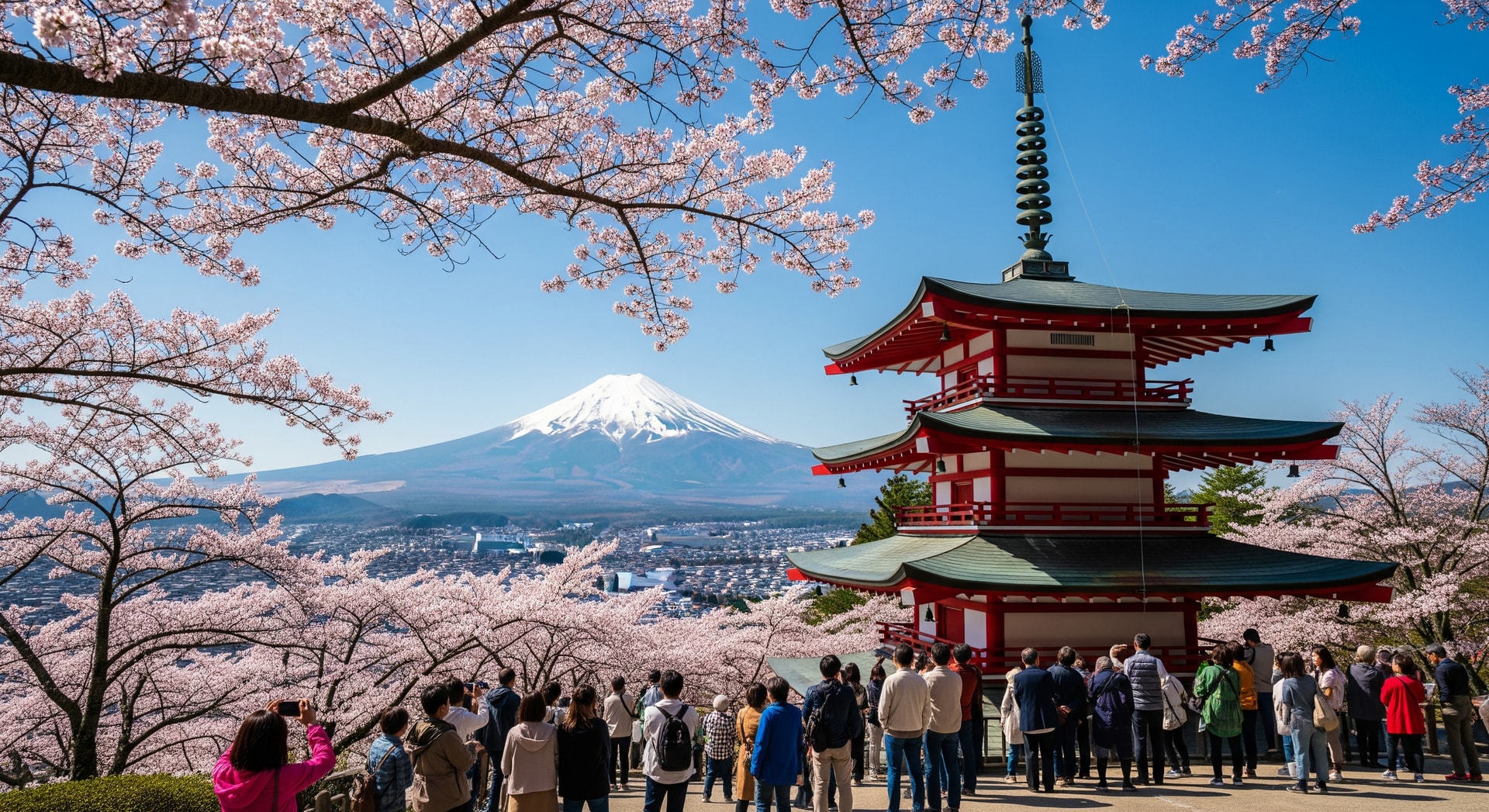
Fujiyoshida has cancelled the 2026 Arakurayama Sengen Park Cherry Blossom Festival as a response to overtourism and escalating disruptions to local life.
Summary: Fujiyoshida City has cancelled the 2026 Arakurayama Sengen Park Cherry Blossom Festival in response to an overtourism crisis that has led to trespassing, hygiene problems and safety concerns. The park will remain open while temporary management measures run from April 1–17, 2026.
Fujiyoshida City, located at the base of Mount Fuji, has announced the cancellation of the 2026 Arakurayama Sengen Park Cherry Blossom Festival after city officials cited an escalating overtourism crisis that has deeply affected local residents. Mayor Shigeru Horiuchi and the municipal government said the decision puts community safety and daily life ahead of staging a popular 10-year-old event that had drawn international crowds.
Why the festival was called off
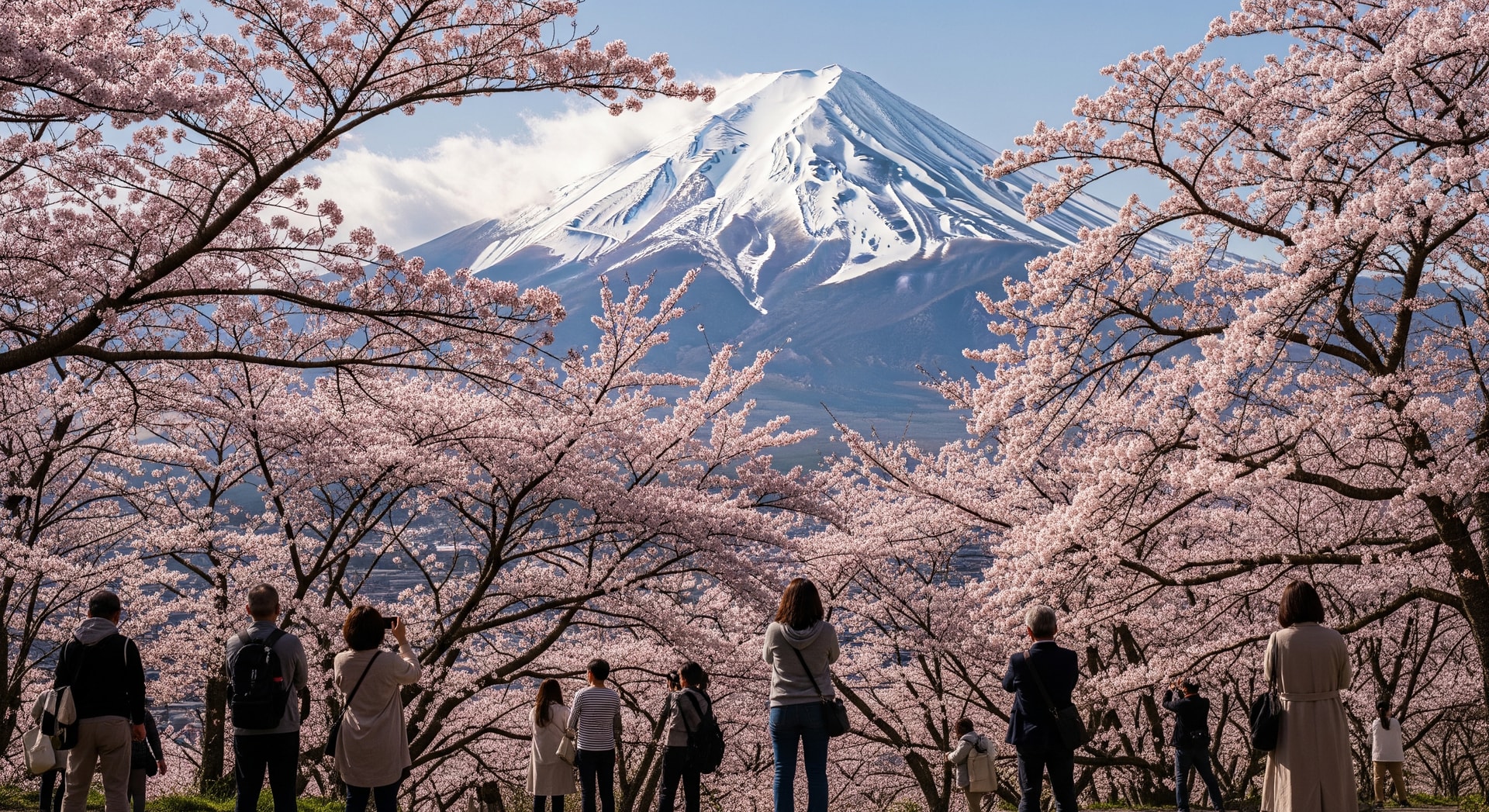
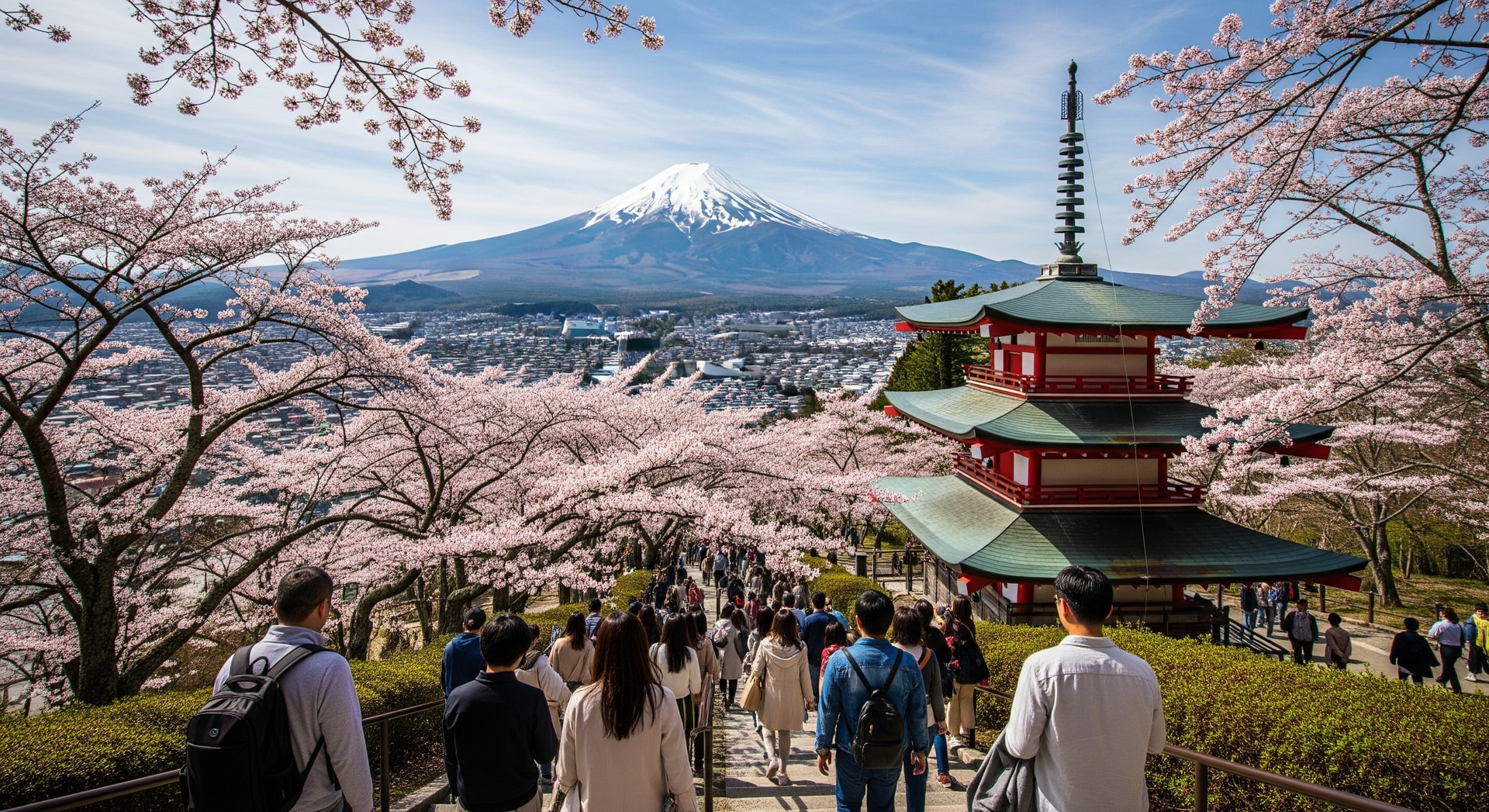
Arakurayama Sengen Park, famed for views of the Chureito Pagoda framed by cherry blossoms and Mount Fuji, has faced mounting complaints from residents about unruly visitor behaviour and logistics that the city says have become impossible to manage. Officials listed several specific problems that led to the cancellation.
- Invasive behaviour, including tourists entering private homes to use toilets without permission.
- Property trespassing: visitors entering private yards and gardens to take photographs despite residents' objections.
- Hygiene problems, such as widespread littering and reports of tourists defecating in private gardens.
- Safety concerns for schoolchildren as crowded, narrow sidewalks have led to children being pushed while walking to school.
- Severe traffic congestion that, at times, has impeded emergency vehicles and daily movement.
Temporary management measures for April 2026
Although the organized festival is cancelled, the park itself will remain open and the city will deploy temporary controls between April 1 and April 17, 2026 to reduce disruption while blossoms are expected to draw visitors.
- Increased security staffing to manage crowds and deter trespassing onto private property.
- Temporary traffic regulations and additional designated parking to ease road congestion.
- Installation of portable toilets around the park to address hygiene concerns and reduce unauthorized access to private homes.
- A public appeal to use public transport—particularly the Fujikyuko Line—to limit pressure on local roads.
- Enforcement tied to Japan’s new "Blue Ticket" system, effective April 1, 2026, allowing on-the-spot fines for cyclists who break traffic laws, including using mobile phones while riding.
When will the blossoms peak in 2026?
Visitors planning trips should note that blooming times vary by elevation. Fujiyoshida, sitting at a higher altitude than nearby cities, typically sees later peak bloom compared with lower-lying areas.
- Kofu (Yamanashi): Full bloom expected March 29–April 5, 2026.
- Fujiyoshida (Mt. Fuji area): Full bloom expected April 8–15, 2026.

What visitors should expect on site
Although the festival programming is suspended, the public may still visit the park. City officials request quiet, respectful viewing and ask tourists to avoid private properties. Popular vantage points, such as the Chureito Pagoda viewing deck, could see queues of up to three hours at peak bloom.
Broader context: overtourism challenges in Japan
Fujiyoshida’s move highlights a wider struggle across Japan as popular sites—especially those near Mount Fuji—grapple with rising visitor numbers. Local governments are increasingly weighing the economic benefits of tourism against residents’ quality of life and community safety.
Why this matters: For travellers and the tourism industry, Fujiyoshida’s decision is a reminder that iconic attractions may change how they operate when visitor behaviour threatens local communities. Plan ahead, use public transport like the Fujikyuko Line, respect private property signs, and expect longer wait times during peak bloom.
Sources