Flydubai is moving all Dubai–Riyadh flights to Riyadh Terminal 5 from 25 February 2026, aiming to speed connections and improve passenger experience.
Summary: Flydubai will transfer all Dubai–Riyadh services from Terminal 3 to the newly opened Terminal 5 at King Khalid International Airport from 25 February 2026, bringing biometric e-gates, 30 self-service kiosks, a dedicated narrow-body pier and faster connections.
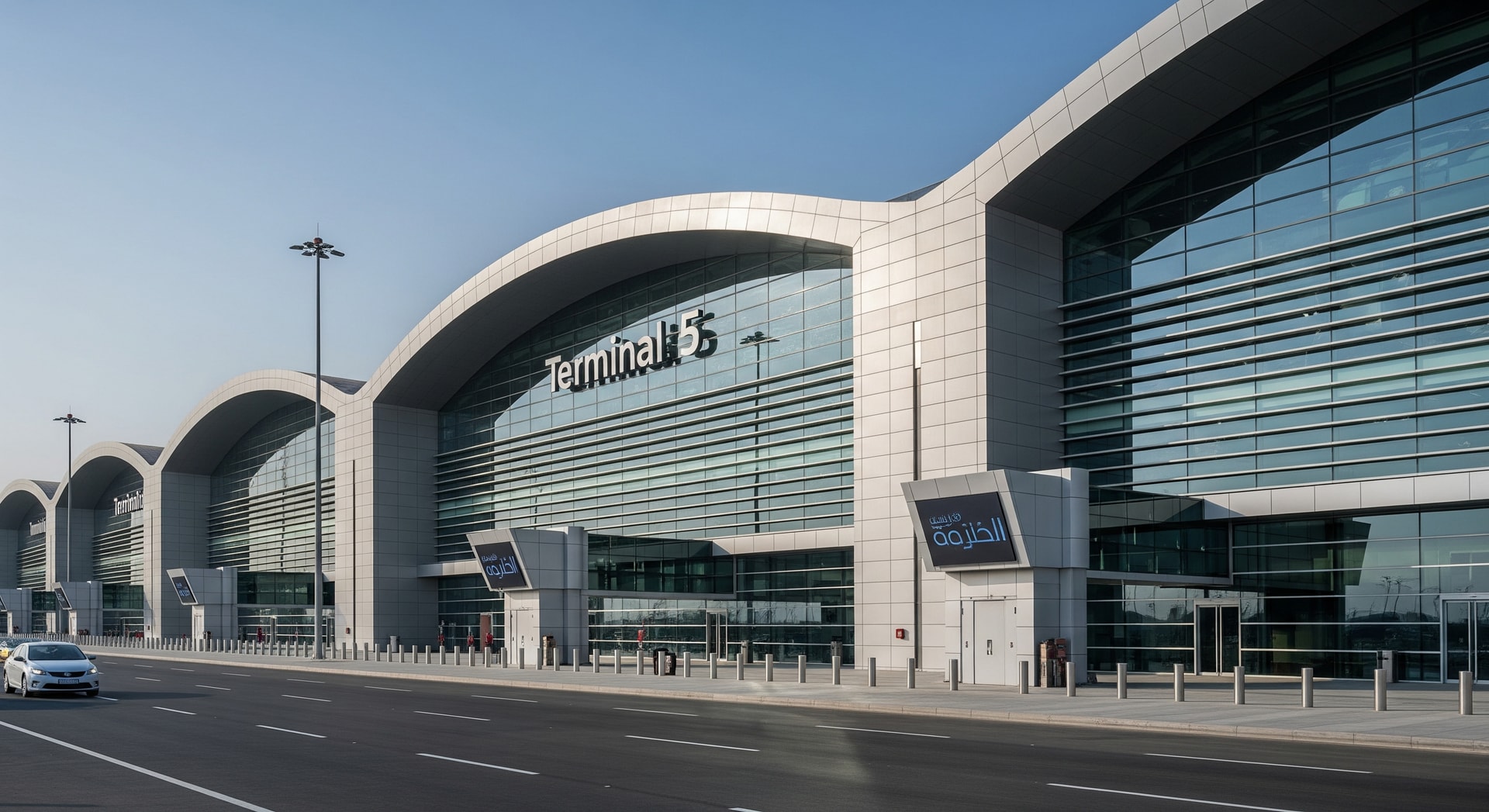
Flydubai has confirmed that, beginning 25 February 2026, it will move all flights between Dubai International Airport (DXB) and King Khalid International Airport (RUH) to the brand-new Terminal 5 in Riyadh. The relocation is intended to shorten transfer times and provide passengers — especially business travellers — with a more efficient airport experience.
When the change takes effect
Flydubai’s final services to depart from Terminal 3 will be flight pair FZ 843/844 on the morning of 25 February 2026. From that moment, all Flydubai operations on the Dubai–Riyadh route will originate and arrive at Terminal 5, with FZ 849/850 recorded as the first flight scheduled from the new facility.
- Last Flydubai flight from Terminal 3: FZ 843/844 (morning of 25 Feb 2026)
- First Flydubai flight from Terminal 5: FZ 849/850 (25 Feb 2026)
- Effective relocation date: 25 February 2026
Terminal 5: facilities and capacity
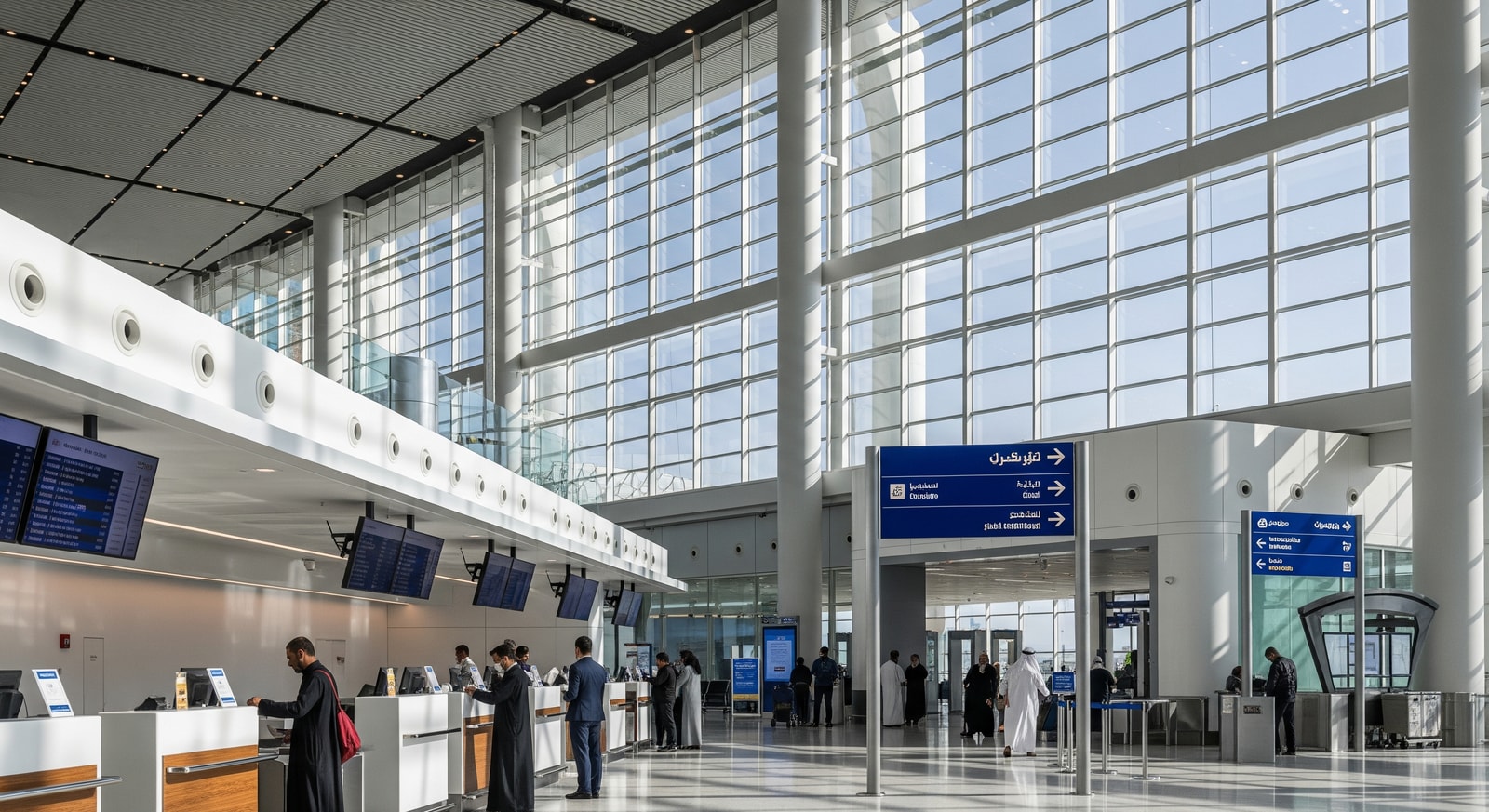
Terminal 5 is built to handle up to 12 million passengers a year and forms part of Saudi Arabia’s Vision 2030 strategy to expand aviation capacity and position Riyadh as a regional hub. The terminal includes modern technologies designed to speed passenger processing and reduce queue times between landside and airside.
- 30 self-service kiosks to accelerate check-in
- Biometric e-gates providing priority processing
- A dedicated pier for narrow-body aircraft to improve boarding flow
What travellers should prepare for
Passengers on Flydubai between Dubai and Riyadh should confirm their flight details and ensure ground transport is routed to Terminal 5 from 25 February. The airline warns that initial operations at a new terminal can involve minor delays as staff and systems stabilise, so extra time for transfers is advisable during the handover period.
- Double-check departure and arrival terminal on travel documents
- Direct drivers and shuttles to Terminal 5, not Terminal 3
- Allow additional transfer time during the first weeks of operation
Benefits for business travel and connections
The move aims to streamline corporate travel by shortening minimum connection times and offering priority lanes for business-class and premium-economy passengers. Biometric e-gates and dedicated processing lanes are expected to make same-day turnarounds and multi-leg itineraries more efficient for corporate mobility teams.
- Faster minimum connection times for onward travel
- Priority immigration lanes and biometric processing for premium travellers
- Improved transfer experience for connections with Saudia and partner airlines
Corporate mobility: actions to take now
Companies that manage frequent travel between the UAE and Saudi Arabia should update duty-of-care systems, transport policies and itineraries to reflect Terminal 5 operations. The article notes that platforms offering door-to-door processing for travel documents — such as VisaHQ — can help employers track visa and permit applications for staff moving between the two countries.
Preparing for the transition
As Terminal 5 begins operations, organisations are advised to brief employees in advance, confirm bookings, and route drivers correctly. Allowing buffer time in schedules and monitoring the first days of the terminal’s service will reduce the risk of disruptions from any initial operational issues.
Why this matters: The relocation highlights Riyadh’s growing role as a regional aviation hub under Saudi Vision 2030 and promises smoother, faster travel between Dubai and Riyadh. For travellers and corporate mobility teams, the switch to Terminal 5 means better technology-driven processing and improved connection times — but also a need to update travel plans and allow extra time during the early days of the terminal’s operation.
Sources