Mukojima in Tokyo offers a new cultural program combining Edo-era walking tours, hands-on ukiyo-e woodblock printing and artisan studio shopping.
Summary: Mukojima, on Tokyo’s eastern Sumida Riverbank, now features the “Ukiyo-e Guided Walking Tour + Woodblock Printing Experience and Artisan Studio Shopping” — a combined 60-minute heritage walk, hands-on printing of Hokusai’s “The Great Wave,” and visits to local craft studios including the Kataoka Byobu Shop.
Mukojima, a quieter historic quarter on the eastern bank of the Sumida River, is being promoted as a destination where visitors can experience Tokyo’s Edo-period culture through a newly launched cultural tourism program that blends history, art and traditional craftsmanship.
Discover Mukojima’s Edo heritage
The offering, called the “Ukiyo-e Guided Walking Tour + Woodblock Printing Experience and Artisan Studio Shopping,” is aimed at both international and domestic visitors who want to engage directly with traditional Japanese arts and the artisans who continue those practices in Mukojima.
A scenic, 60-minute walk from Tokyo Skytree Station
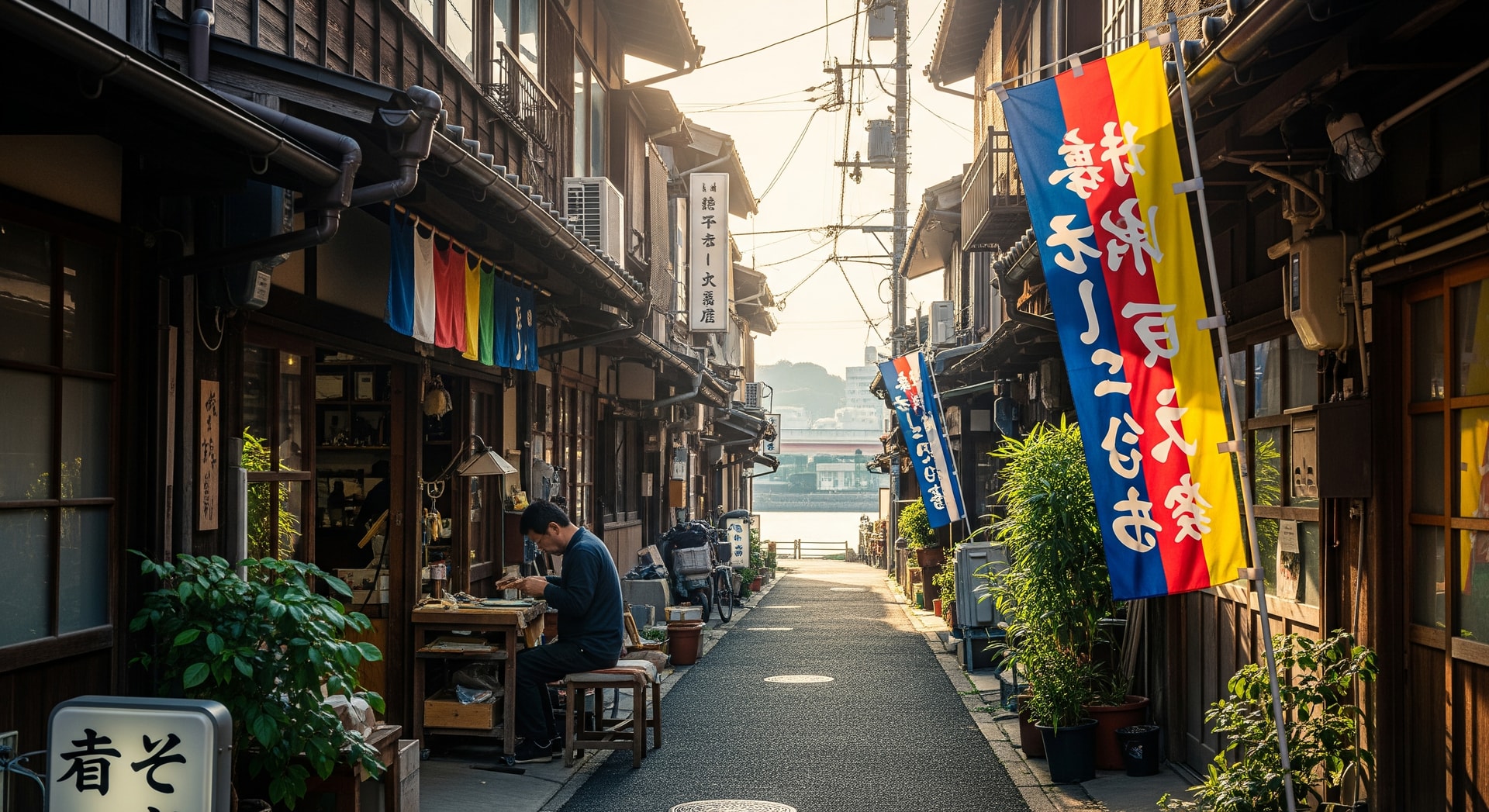
The experience begins near Tokyo Skytree Station, which is accessible via the Tobu Skytree Line. Participants follow a roughly 60-minute guided route through Mukojima’s Sumida River area, where historic scenes that inspired ukiyo-e masters are still visible alongside modern Tokyo landmarks.
- Former Hikifune Canal
- Tokyo Mizumachi
- Sumida Park
- Ushijima Shrine
Many of these sites were subjects of ukiyo-e prints by artists such as Katsushika Hokusai, and the walk is designed to highlight how Edo-period landscapes blend with the city’s contemporary skyline while local guides share historical context.
Hands-on woodblock printing: recreate Hokusai’s The Great Wave
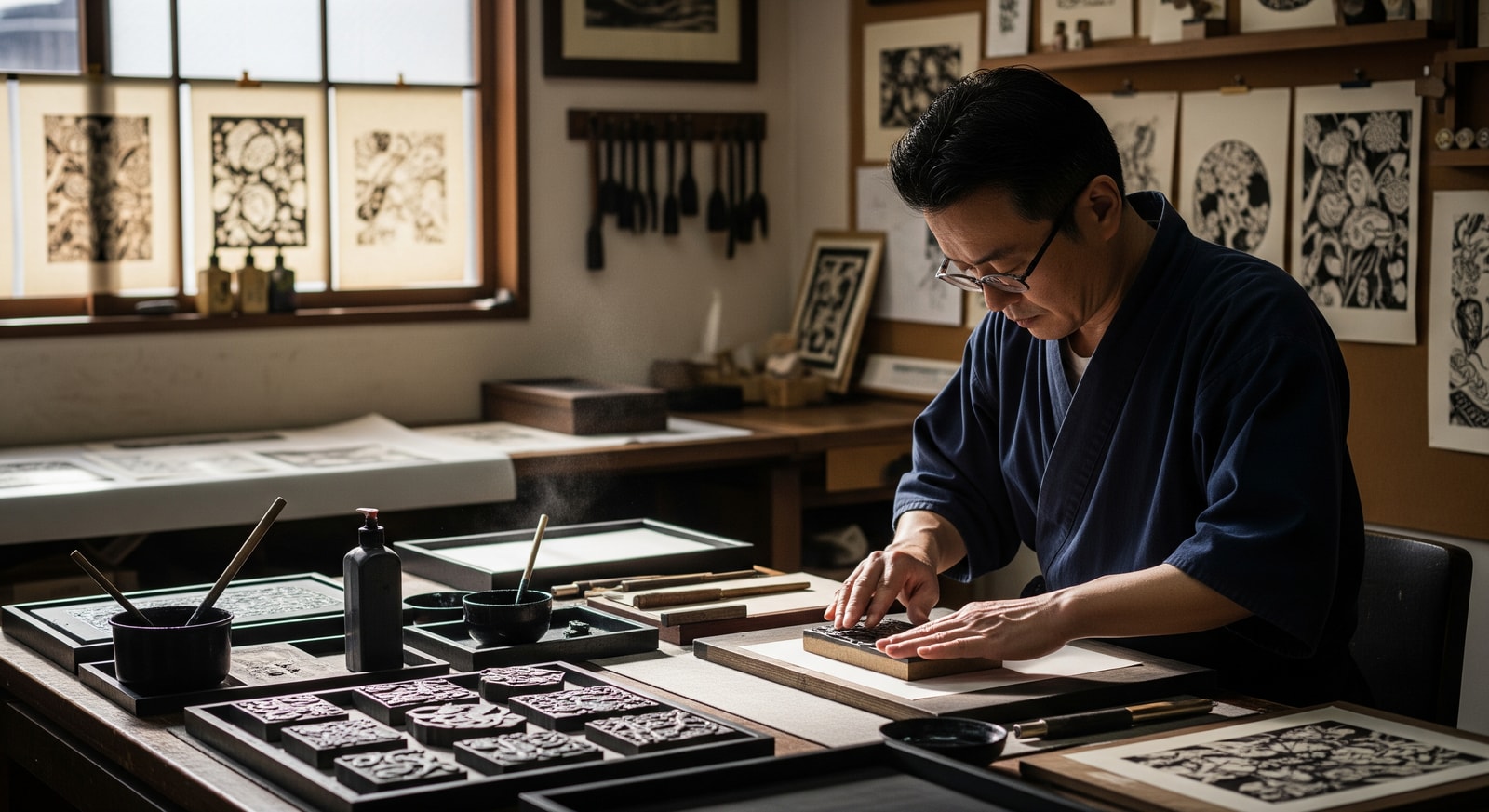
After the walk, participants enter a local artisan workshop for a practical woodblock printing session, where they reproduce Katsushika Hokusai’s iconic “The Great Wave.” The workshop teaches traditional techniques such as layering pigments, working with washi paper and using classic tools.
- Choice of printing methods: traditional three-color print or a more complex six-color method
- Hands-on instruction in pigment layering and washi paper handling
- Participants take home their personal print
The workshop offers a rare chance to practice centuries-old techniques and produce a tangible souvenir that reflects Japan’s ukiyo-e tradition.
Artisan studio shopping and the Kataoka Byobu Shop
Following the workshop, guests can browse a traditional artisan shop that sells handcrafted ukiyo-e prints, folding screens and washi paper products. The shopping component emphasizes meeting artisans and learning about their processes.
A highlight is the Kataoka Byobu Shop, founded in 1946, where visitors can view a range of folding screens (byōbu) from gold-leaf-decorated traditional pieces to more contemporary works, and observe the intersection of museum-like display and active workshop practice.
Supporting traditional crafts and local artisans
Beyond offering an engaging visitor experience, the program aims to provide economic support to Mukojima’s craftspeople, who face declining demand and limited income opportunities. By involving tourists directly in the creative process and enabling purchases from artisans, the initiative helps sustain these traditional practices.
What this means for travelers
For visitors to Tokyo seeking a quieter, hands-on cultural experience, Mukojima’s program offers a direct way to connect with Japan’s artistic heritage — from walking Edo-era streets to crafting a personal ukiyo-e print and meeting the artisans who keep these traditions alive.
So what? The Mukojima initiative demonstrates how focused, small-group cultural tourism can both enrich visitor experiences and deliver practical economic support to local craftspeople. Travelers gain meaningful engagement with Japan’s living heritage, while artisans receive direct patronage that helps preserve traditional techniques for future generations.
Sources