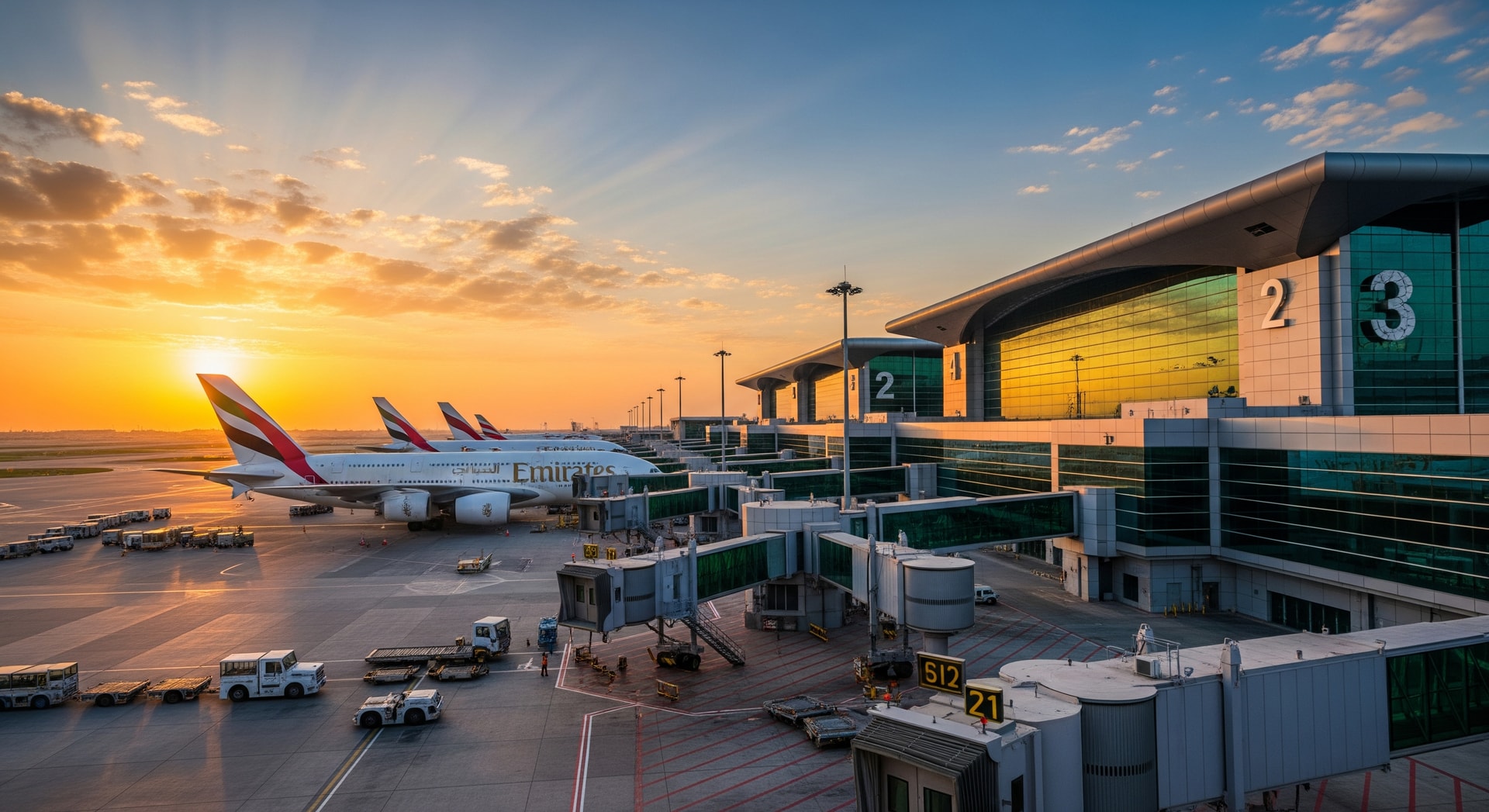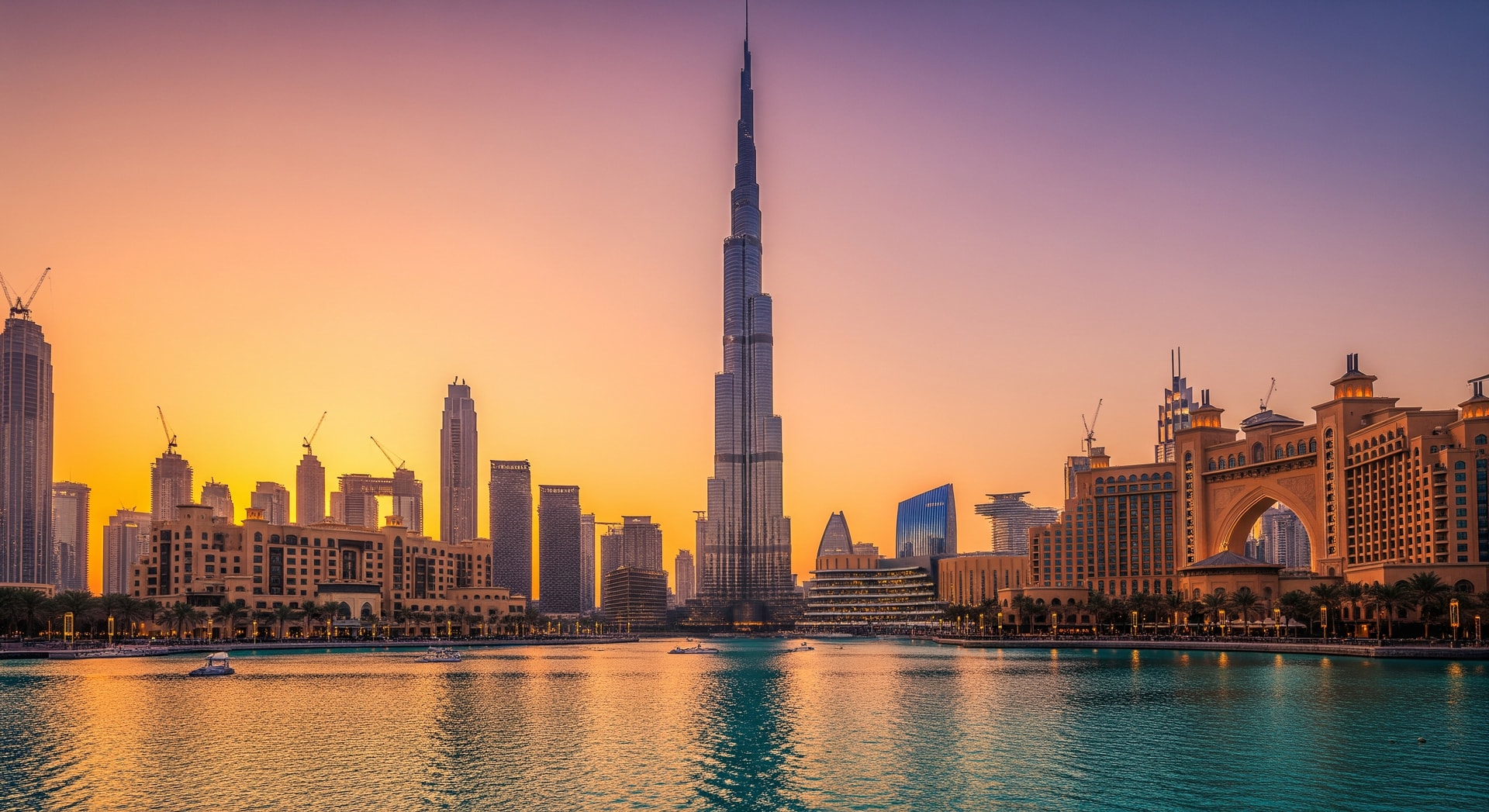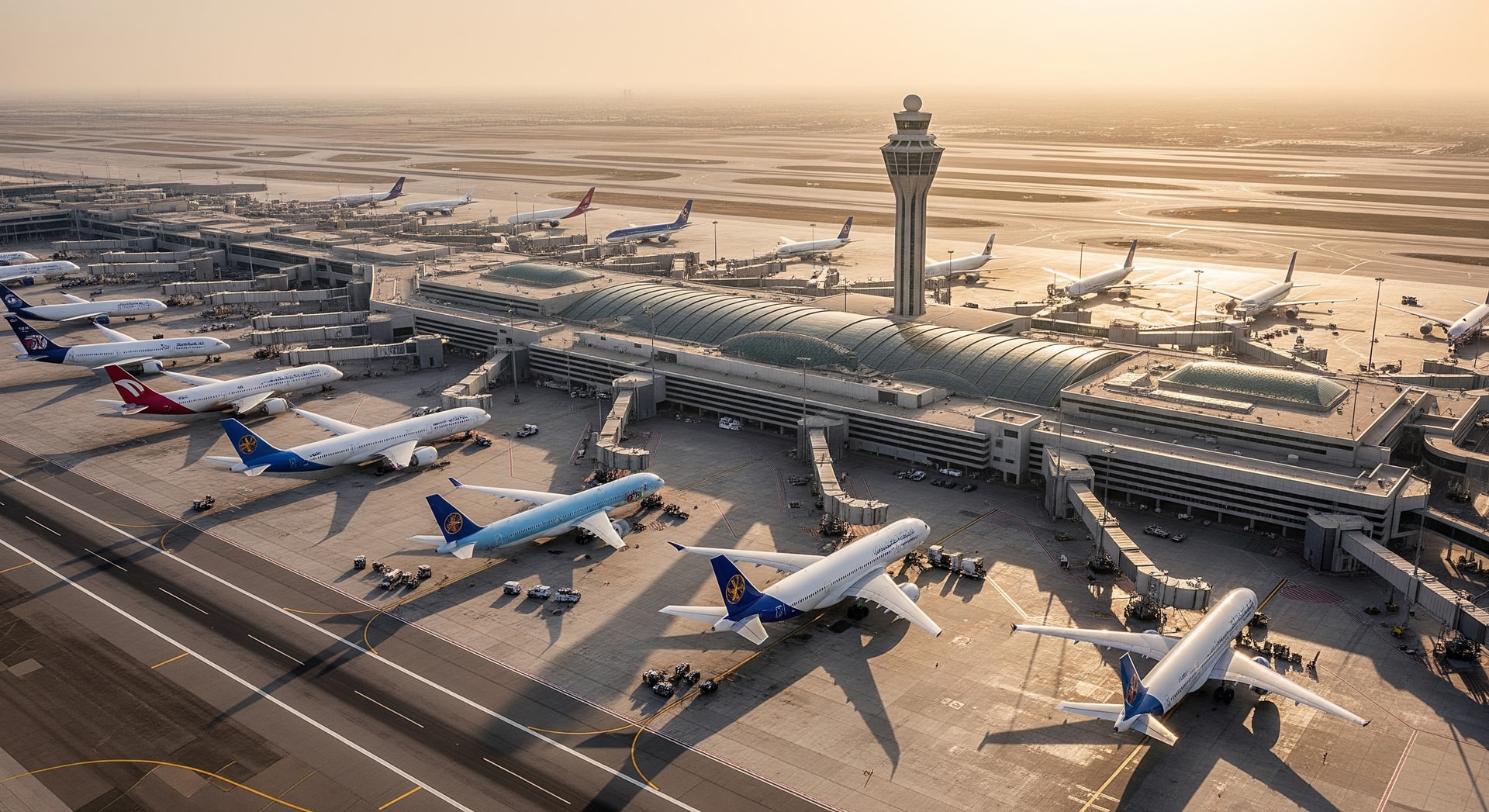
Dubai International Airport (DXB) handled 95.2 million passengers in 2025, marking a new record and underscoring plans to expand Al Maktoum into a mega-hub to meet rising demand.
Summary: Dubai International Airport (DXB) set a new record in 2025, handling 95.2 million passengers — a 3% increase year-on-year — as Dubai prepares Al Maktoum to expand capacity to as much as 260 million passengers by 2032.
Dubai International Airport (DXB) recorded 95.2 million passengers in 2025, a milestone that exceeds pre-pandemic traffic and reaffirms the airport’s status as the world’s busiest international hub. The figure was disclosed by Dubai Airports CEO Paul Griffiths on 11 February and reflects Dubai’s role as a major connector between Europe, Asia and Africa.
Key statistics from DXB’s 2025 performance
Passenger traffic grew 3% year-on-year, supported by a 5% rise in visitors to the emirate. Dubai received 19.6 million visitors in 2025, with India remaining the largest market for DXB.
- Total passengers at DXB (2025): 95.2 million
- Year-on-year growth: 3%
- Visitors to Dubai: 19.6 million (up 5%)
- Top origin-destination markets: India (11.9 million), Saudi Arabia (7.5 million), United Kingdom (6.3 million)
- Airlines and network: 108 airlines serving 291 cities in 110 countries
Impact on business travel and tourism
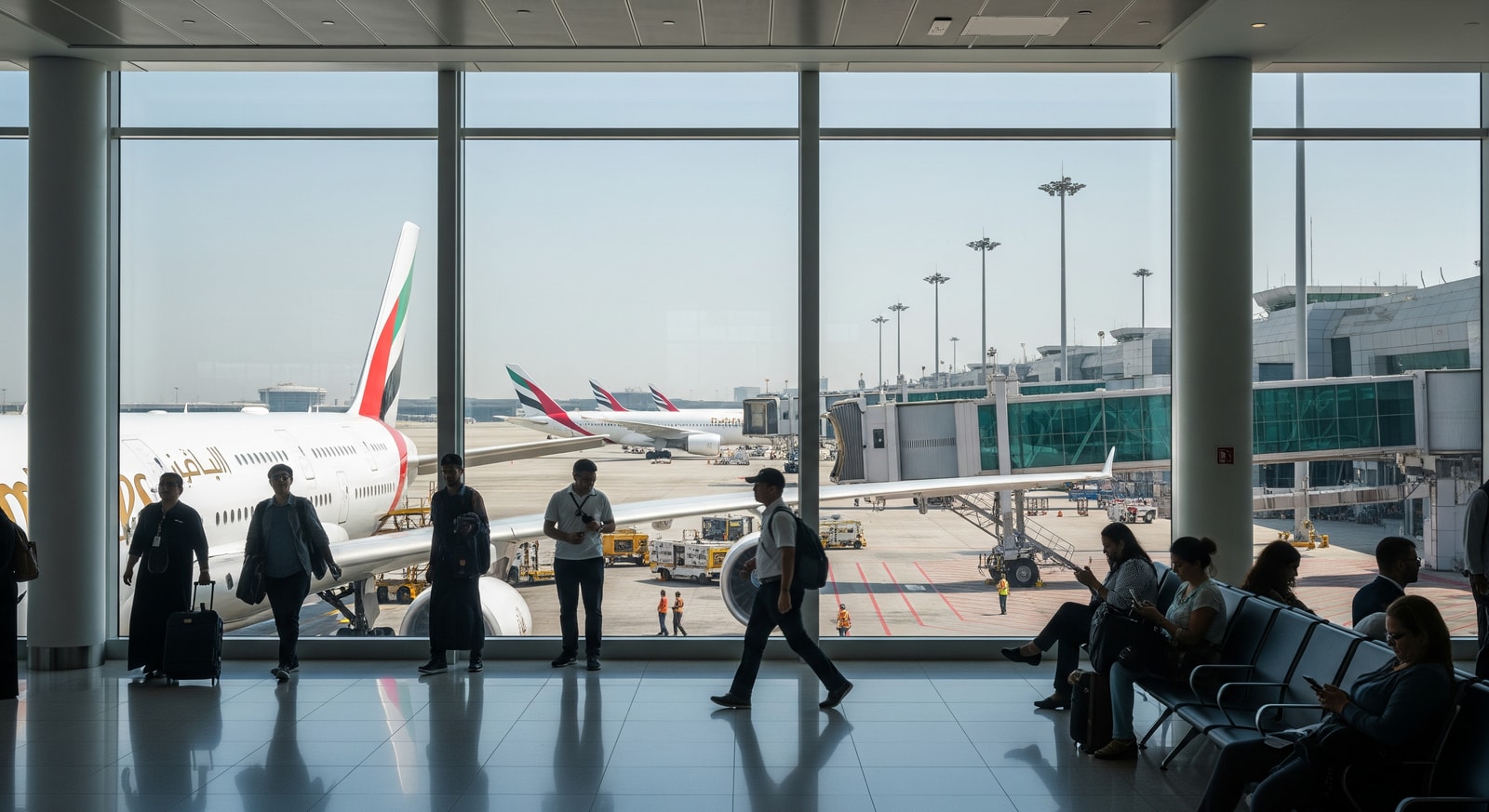
The rise in passengers boosts both leisure and corporate travel demand. Greater connectivity gives business travelers more routing options, but it also increases congestion at peak times, putting pressure on airport services and terminal capacity.
Services such as fast-track immigration, biometric e-gates and priority boarding have become more important for time-sensitive travelers as terminals grow busier, and demand for short- and long-term accommodation in Dubai has risen alongside connectivity.
Al Maktoum mega-hub: expansion plans and timeline
To address long-term capacity needs, Al Maktoum International Airport (DWC) is being developed into a mega-hub. The AED 128 billion ($35 billion) expansion, paused during the COVID-19 pandemic, is back on track with a scheduled completion in 2032.
- Planned capacity: up to 260 million passengers annually
- Project cost: AED 128 billion ($35 billion)
- Completion target: 2032
- Infrastructure: five parallel runways and advanced passenger facilities
How expansion will affect travelers and airlines
Greater capacity at DWC and continued investment at DXB should translate into more flight options, competitive fares and improved airport facilities. Airlines will be able to serve new routes and offer better connections to markets across Africa, Asia and Europe.
- Increased connectivity to emerging markets
- Potentially lower airfares due to greater competition
- Improved passenger services and technologies
- Possible shifts in ground transport and accommodation logistics as flights move to DWC
Practical tips for travelers visiting Dubai
With higher passenger volumes expected to continue, visitors should plan ahead to avoid delays and secure the best value. Early booking and choosing off-peak travel times can make a significant difference to the journey experience.
- Plan early for peak seasons and busy terminals
- Consider flights into Al Maktoum (DWC) as an alternative to DXB
- Use fast-track immigration or biometric e-gates where available
- Book airport transfers in advance to avoid delays
- Combine leisure and cultural activities to make the most of your visit
Why this matters: Dubai’s record traffic and the Al Maktoum expansion together signal a stronger, more connected aviation hub that will shape travel patterns across three continents. For travelers and the aviation industry, the developments promise more options, but also require planning around busier airports and evolving logistics.
Sources