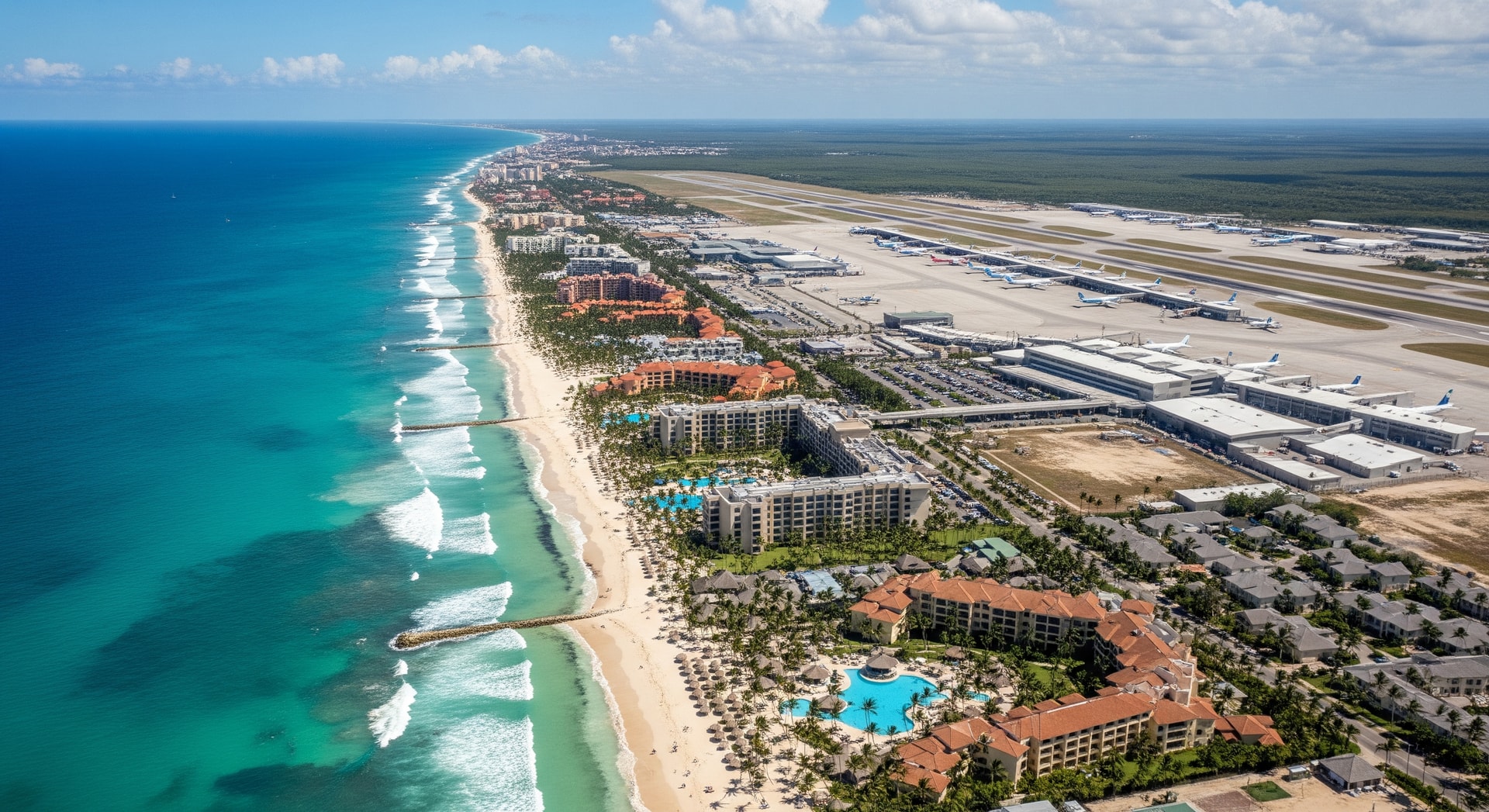
Dominican Republic air arrivals jumped to more than 825,000 in January 2026, marking a strong start to the year for the island's tourism recovery and signalling robust Caribbean demand.
Summary: Dominican Republic air arrivals exceeded 825,000 in January 2026, driven mainly by visitors from North America and strong growth from Latin America and Europe. Punta Cana remains the primary gateway while cruise ports and rising hotel demand bolster the tourism rebound.
The Dominican Republic began 2026 with a notable upswing in international visitors. Dominican Republic air arrivals topped more than 825,000 in January alone, signalling a firm start to the year for the nation’s travel sector and reflecting renewed global interest in Caribbean getaways.
Air travel leads the recovery
Air transport accounted for the bulk of arrivals in January, with North America remaining the dominant feeder market. The United States and Canada supplied the largest share of visitors, while Latin American markets — notably Colombia and Argentina — recorded marked growth. European arrivals, particularly from Italy and France, also contributed to the uptick, underscoring the Dominican Republic’s broad international appeal.
Which airports to use: Punta Cana, Santo Domingo and Santiago
Punta Cana International Airport remains the primary entry point for holidaymakers, offering fast access to the eastern beach resorts. Travellers aiming for cultural sites or urban experiences often arrive via Las Américas International Airport in Santo Domingo, while Cibao International Airport in Santiago is convenient for visitors exploring the northern and inland attractions.
Cruise arrivals continue to complement air traffic
Although air travel was the primary driver of January arrivals, cruise tourism also added significant visitor volumes. Thousands of cruise passengers arrived at ports including La Romana, Amber Cove and Taíno Bay, combining sea voyages with shore excursions that highlight the country’s beaches and cultural sites.
- Air arrivals in January 2026: more than 825,000 passengers
- Key source markets: United States, Canada, Colombia, Argentina, Italy, France
- Major airports: Punta Cana, Las Américas (Santo Domingo), Cibao (Santiago)
- Notable cruise ports: La Romana, Amber Cove, Taíno Bay

Why travellers are choosing the Dominican Republic
The island’s combination of white-sand beaches, clear waters, resort infrastructure and lively cultural offerings is drawing a wide spectrum of visitors — families, couples on honeymoon and independent explorers alike. The timing of the surge in January positions the Dominican Republic as a preferred winter escape for travellers from colder regions.
Hotel demand, emerging destinations and traveller tips
High arrival numbers have translated into strong hotel occupancy. Established hotspots such as Bávaro-Punta Cana and La Romana reported full bookings, while growing destinations like Miches and Sosúa-Cabarete also saw increased interest. Accommodation options span all budgets, from all-inclusive resorts to smaller boutique stays and eco-lodges.
- Book flights and hotels early to secure availability and better rates
- Choose your arrival airport based on whether you prioritise beaches or cultural sites
- Consider combining flights with cruise segments for a broader Caribbean itinerary
- Explore quieter locales such as Miches and Bayahíbe for more authentic experiences
Exploring beyond the shoreline
Beyond beaches, visitors can explore the colonial streets of Santo Domingo, hike in protected forests, visit waterfalls and enjoy bird-watching and mountain excursions. Eco-tourism offerings are expanding, giving travellers a chance to pair seaside relaxation with active, nature-based experiences.
So what? For travellers and industry stakeholders the January surge signals strong demand for Dominican Republic holidays through 2026. Early booking, selecting the most suitable airport and considering both air and cruise options will help visitors make the most of the island’s varied attractions. For airlines, hoteliers and tour operators, sustained interest presents opportunities to expand routes, services and off-peak offerings to capture a broader market.
Sources