Djerba Island is drawing growing numbers of British tourists seeking quiet beaches, rich culture and convenient flights from the UK.
Summary: Djerba Island is rising in popularity with British travellers seeking a quieter Mediterranean option — offering pristine beaches, cultural attractions like Djerbahood, all‑inclusive resorts through UK operators and convenient flights from the UK.
Djerba Island has become an increasingly attractive option for British tourists looking for a calmer Mediterranean break. The Tunisian island combines unspoilt beaches, a strong local culture and art scene, and straightforward access from the UK — positioning it as a relaxed alternative to crowded European hotspots.
Why British Travellers Are Choosing Djerba
Concerns about overtourism at popular European destinations have prompted many UK holidaymakers to look farther afield. Djerba offers a quieter experience where visitors can enjoy coastal calm, historic sites and local life without the crowds that have sparked protests and resentment in some major tourist cities.
- Appeal of less‑crowded beaches and relaxed atmosphere
- Growing availability of budget flights and package holidays
- Blend of natural scenery, cultural attractions and family‑friendly resorts
Beaches, Resorts and All‑Inclusive Options
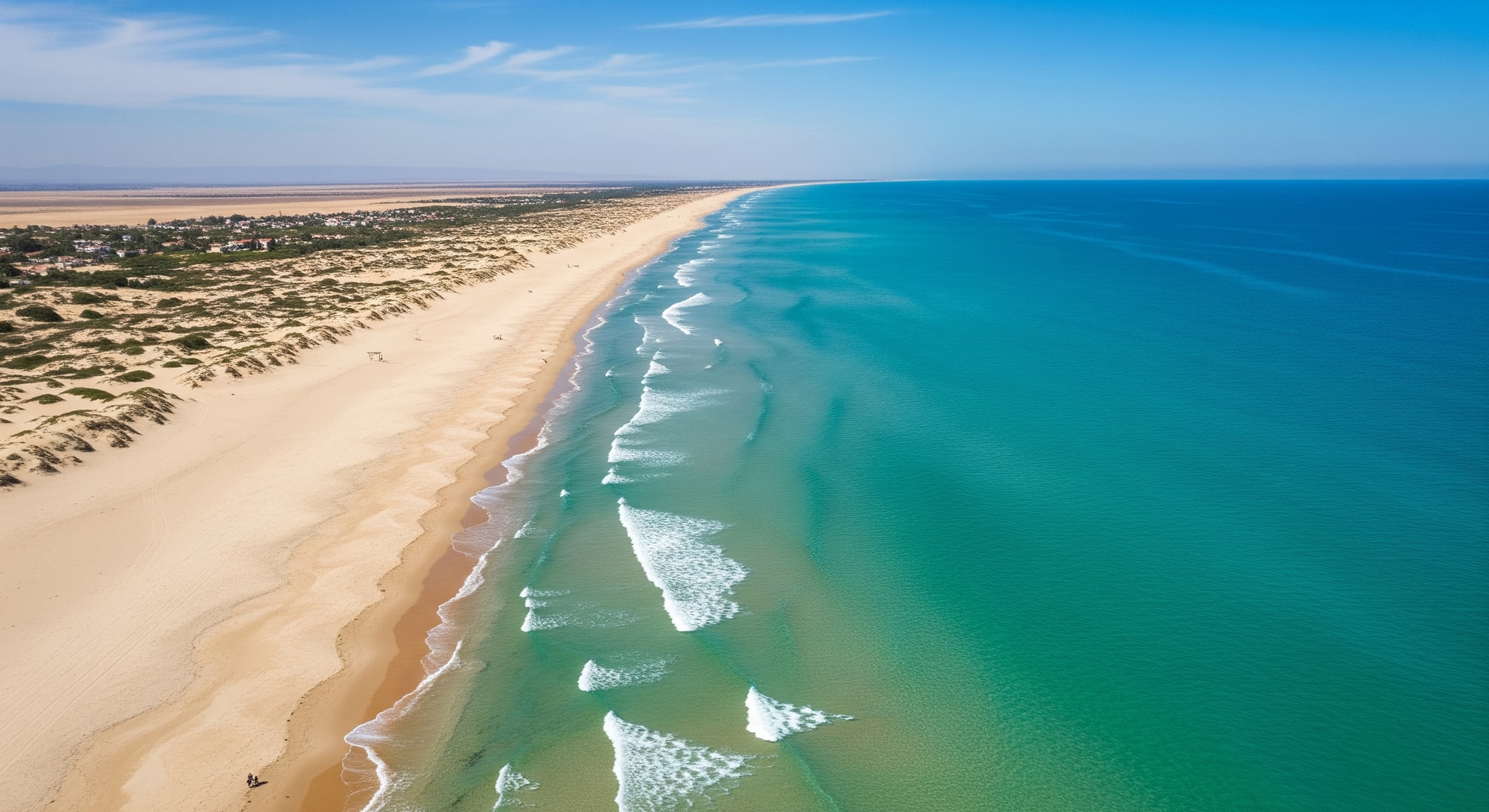
Djerba is prized for its soft sands and calm, turquoise waters. UK holiday operators including TUI and Love Holidays feature a range of all‑inclusive resorts on the island, catering to families, couples and solo travellers seeking low‑hassle beach breaks.
- Sidi Mahrez — known for peaceful sands and swimming
- Plage de la Seguia — popular for sunbathing and relaxation
- Aghir Beach — favoured for its tranquil coastal setting
Culture, Art and Active Experiences
Beyond the shoreline, Djerba offers a varied cultural programme. Park Djerba Explore brings together exhibitions, heritage displays and a crocodile park, while Djerbahood — an open‑air gallery — showcases murals by Tunisian and international artists. Visitors can also experience horseback rides along the coast at Ranch Yassmina Djerba La Douce.
Markets and museums add depth to the island visit: Bazaar Homut Suk offers traditional shopping for spices, textiles and crafts, and the Guella Museum highlights local customs and history, providing context to the island’s cultural life.

Accessibility and Seasonality
Accessibility from the UK is a key draw. easyJet operates two weekly flights from London Luton with a flight time just over three and a half hours, and direct services from Manchester are available as well, making Djerba a convenient option compared with longer‑haul island destinations.
Climate reinforces the island’s appeal: summer peaks around 31°C in July and August, while spring and autumn remain mild — with April and November averaging roughly 22–23°C. Summer tends to be dry, with occasional autumn showers.
What This Means for Travellers
For British holidaymakers, Djerba offers a quieter Mediterranean alternative with easy flight options, family‑friendly all‑inclusive resorts and a mix of cultural experiences. Travellers seeking to avoid overcrowded European hotspots can find a more relaxed pace, diverse local cuisine, and authentic markets on the island.
So what? Choosing Djerba means shorter travel times than many long‑haul beach options, a lower likelihood of crowded attractions, and opportunities to combine beach relaxation with cultural discovery — factors that matter to families, couples and independent travellers planning a meaningful Mediterranean break.
Sources