Mardi Gras 2026 in New Orleans is expected to draw close to 1 million visitors between January 6 and Fat Tuesday on February 17, driving tens of millions in tourism spending.
Summary: Mardi Gras 2026 in New Orleans is expected to attract close to 1 million visitors between January 6 and Fat Tuesday on February 17, generating tens of millions in tourism spending and putting pressure on hotels, flights, and local services.
As Mardi Gras 2026 approaches, New Orleans is preparing for one of its busiest Carnival seasons in recent memory. With festivities running from January 6 through Fat Tuesday on February 17, the city expects close to 1 million visitors, a surge that industry leaders say will inject substantial revenue into the local economy.
Mardi Gras: History and Cultural Importance
Mardi Gras — French for “Fat Tuesday” — marks the end of Carnival and the start of Lent in many Christian traditions, but in New Orleans the season has long evolved into a city-wide cultural celebration. The Carnival season in the city stretches for nearly six weeks and brings together locals and visitors for parades, masked balls, musical performances and costumed pageantry.
Parades, Krewes and Traditions
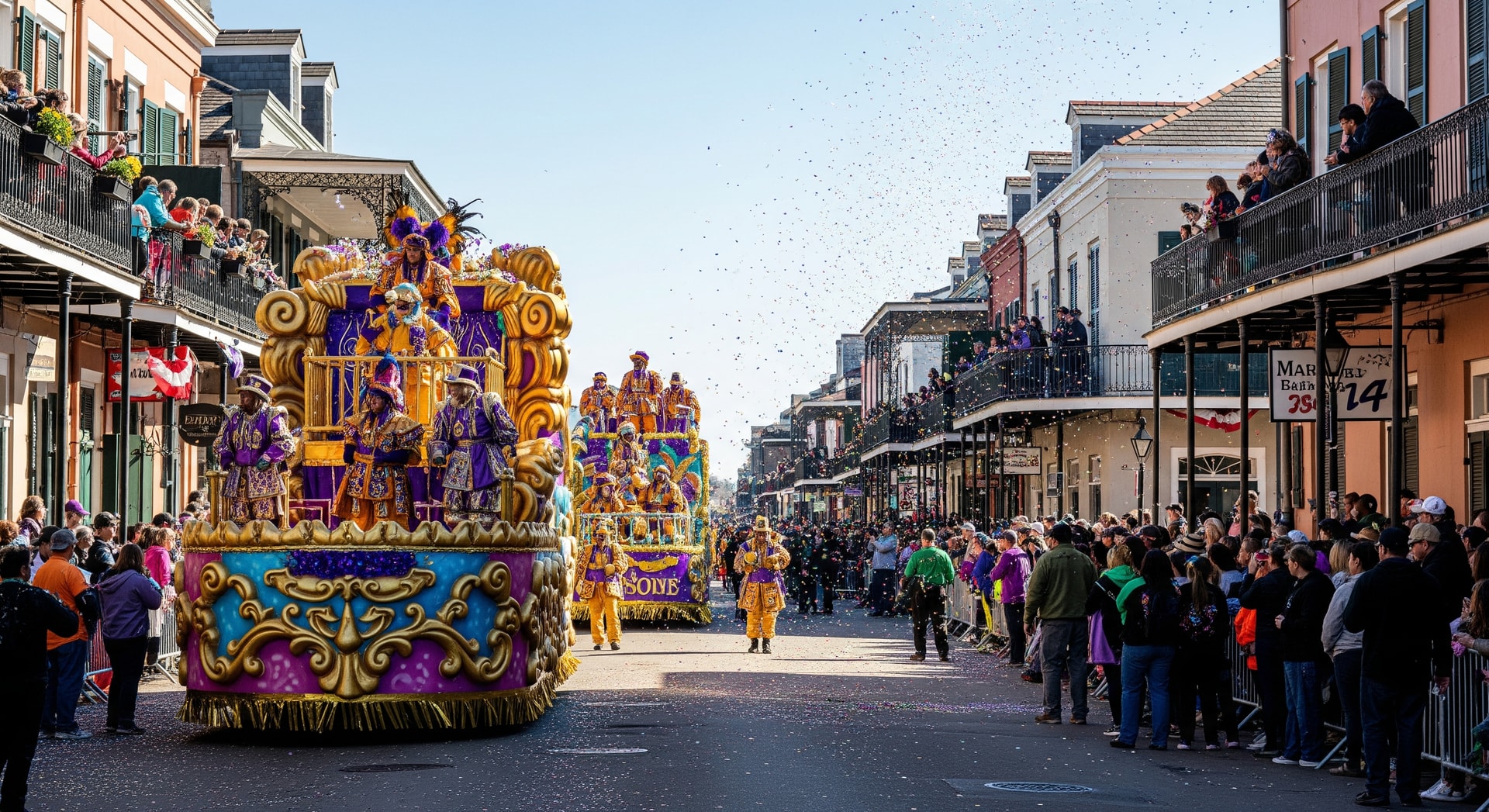
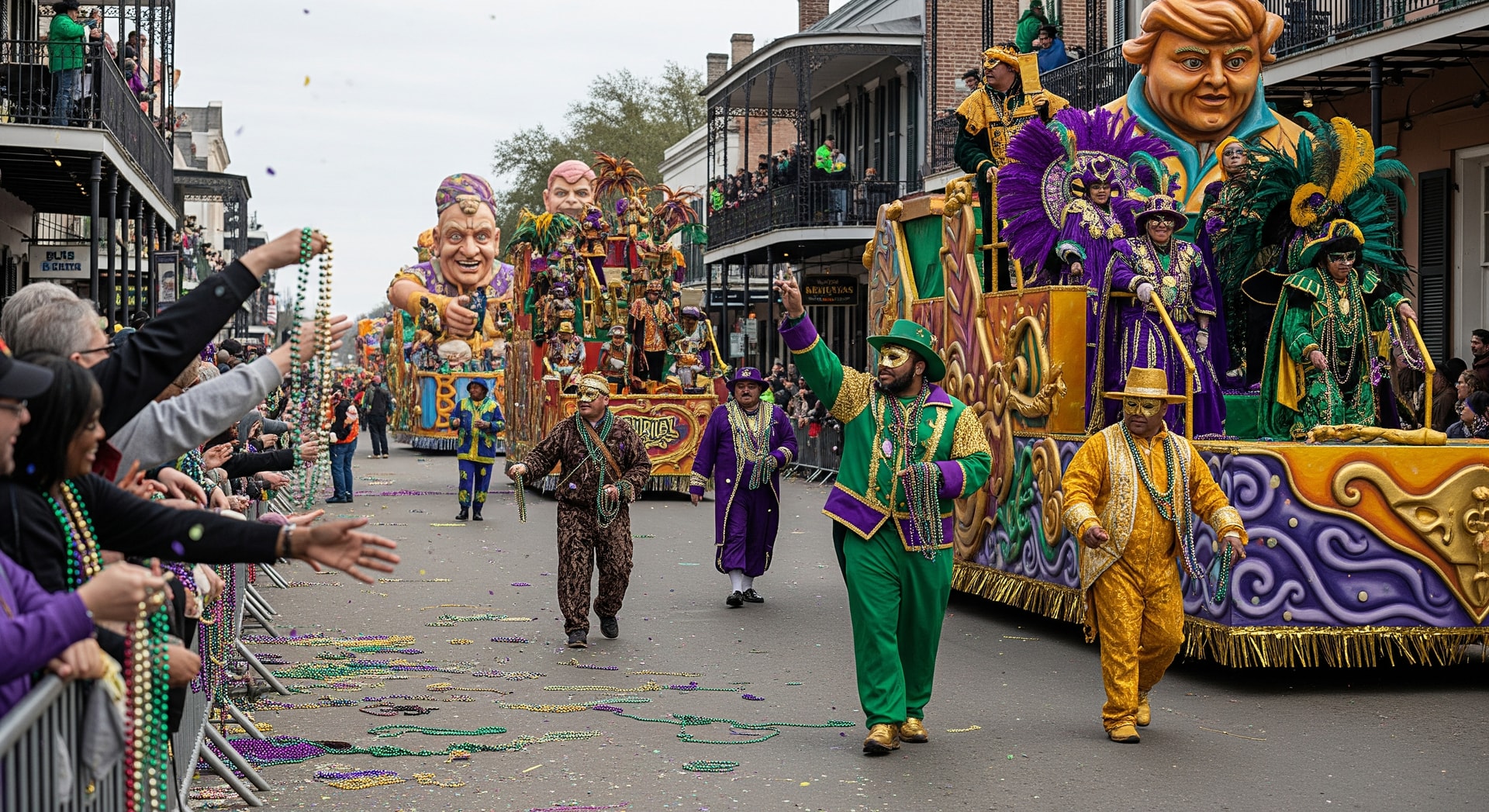
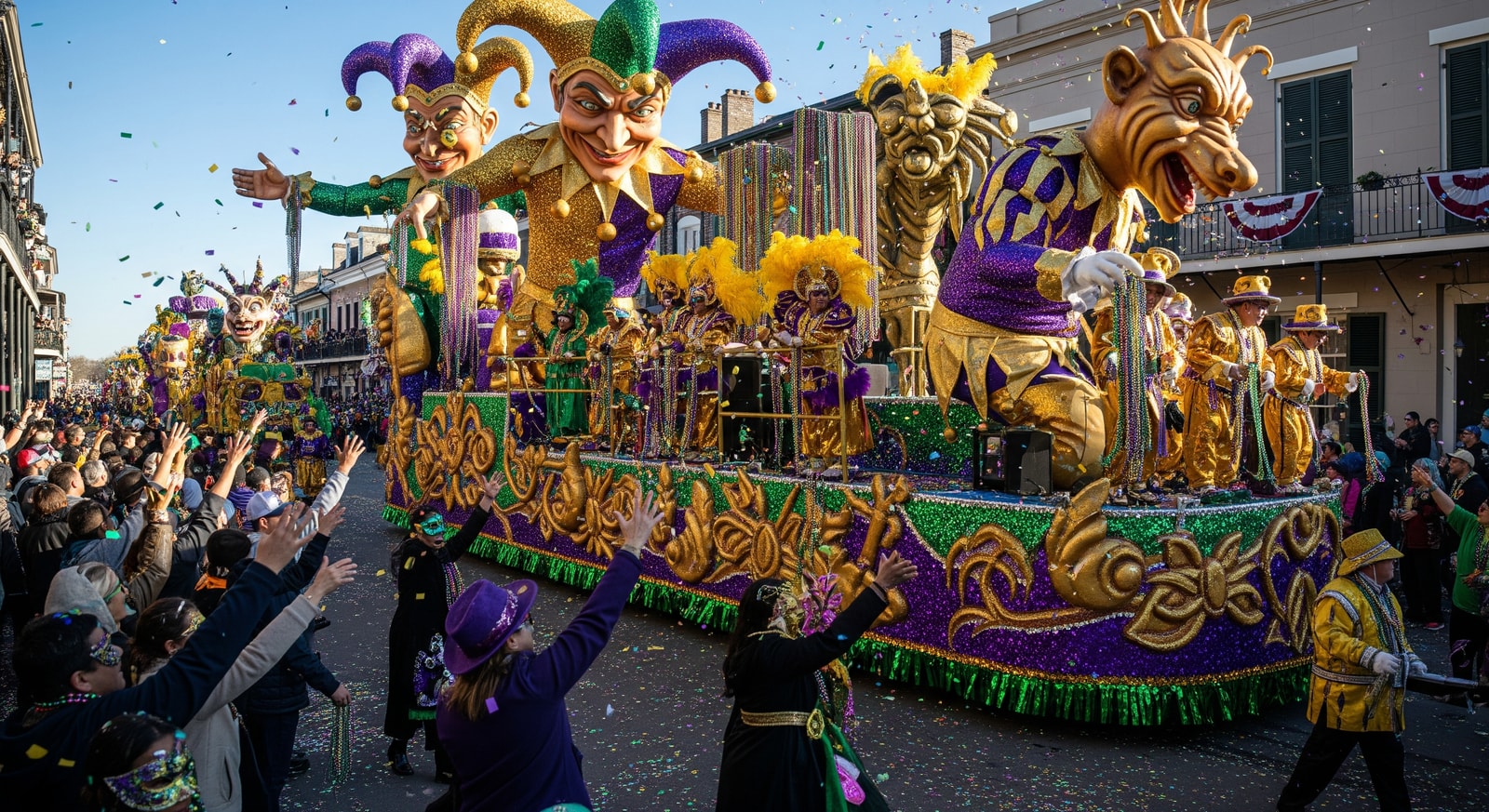
Visitors come to see a wide variety of parades staged by different krewes, some with histories spanning more than 150 years. Flagship parades such as Zulu, Rex and the Krewe of Muses are known for their inventive floats and for tossing beads, coins and keepsakes to spectators. Traditional elements like flambeaux torch-bearers and the festival’s signature colors — purple for justice, green for faith and gold for power — highlight the mix of French, African, Spanish and Creole influences.
- Carnival season: January 6 to Fat Tuesday, February 17, 2026
- Expected attendance: Close to 1 million visitors
- Major parades: Zulu, Rex, Krewe of Muses
What the Surge Means for Hotels and Flights
Local tourism officials report hotel occupancy is running at record levels for Mardi Gras 2026, with demand already outpacing pre-pandemic patterns. Rooms in neighborhoods such as St. Charles Avenue, Canal Street and the French Quarter are commanding premium rates, and many properties have sold out for the festival’s final weekend, which coincides with Valentine’s Day and Presidents’ Day.
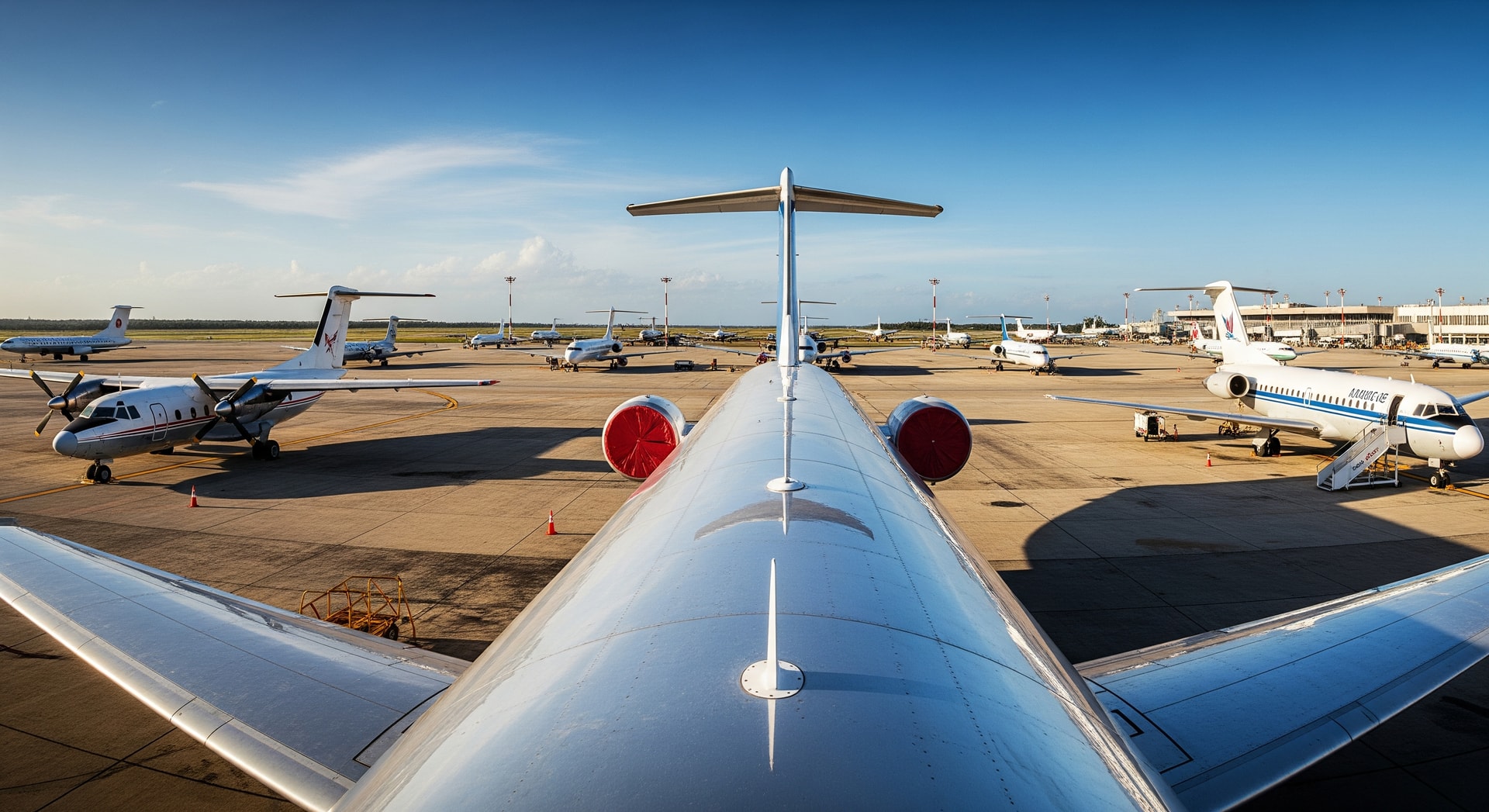
Airlines and travel agents report higher booking volumes, particularly from U.S. domestic markets like California, New York and Texas, adding pressure to flight availability and fares during the peak period.
Economic Impact: Spending and Local Businesses
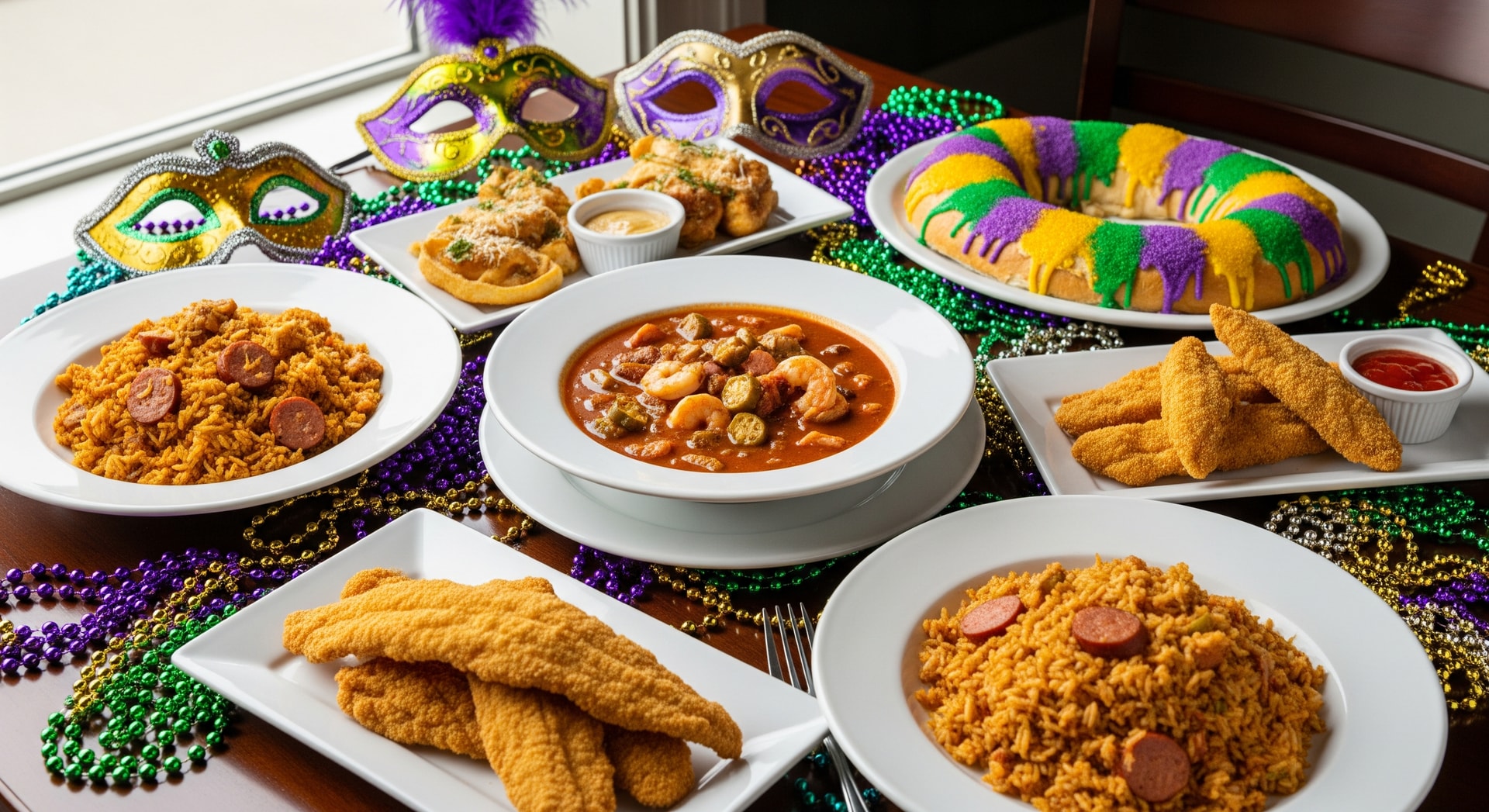
Projections indicate Mardi Gras 2026 will generate significant tourism revenue for New Orleans. Estimates suggest the festival will produce over $90 million in direct spending across hotels, restaurants, transport, entertainment and retail. Local eateries serving Cajun and Creole specialties — including gumbo, po’boys, beignets and King Cake — anticipate a busy season.
Visitor Advice: How to Plan Your Trip
- Book accommodation and flights months in advance — peak dates sell out fast.
- Arrive early at parade routes for the best viewing positions.
- Wear comfortable shoes and be prepared to walk between events.
- Stay hydrated and carry snacks; lines for food can be long during peak parades.
- Use public transport or walk when possible to avoid heavy traffic near the French Quarter.
Planning and patience pay off: arriving early, selecting strategic viewing spots and booking services ahead of time will make the experience smoother and more enjoyable.
Why this matters: For travelers, Mardi Gras 2026 delivers a culturally rich, once-a-year spectacle but requires advance planning, a flexible itinerary and awareness of peak crowds. For New Orleans’ tourism industry, the surge underscores the city’s reliance on signature events to drive visitor spending, support hospitality jobs and motivate infrastructure improvements.
Sources