Cologne hotel performance rose sharply in January, with occupancy, ADR and RevPAR recording double-digit year-on-year gains according to CoStar data.
Summary: Cologne hotel performance in January 2026 showed strong year-on-year growth — occupancy rose to 57.9% (+12.6%), ADR climbed 9.4% to €104.74, and RevPAR increased 23.2% to €60.68, supported by major events including Imm Cologne, STICKS & STONES and WDR Big Band.
Cologne hotel performance in January 2026 improved markedly, according to preliminary CoStar data. Occupancy for the month reached 57.9%, a year-on-year increase of 12.6%. Average daily rate (ADR) rose by 9.4% to €104.74, while revenue per available room (RevPAR) climbed 23.2% to €60.68.
January gains driven by events
CoStar's preliminary figures show that a busy events calendar supported the monthly rise across all key performance indicators. Hoteliers benefited from conferences, fairs and live entertainment that drew both domestic and international visitors to the city.
- Occupancy: 57.9% (+12.6% year-on-year)
- Average daily rate (ADR): €104.74 (+9.4%)
- Revenue per available room (RevPAR): €60.68 (+23.2%)
Weekend and peak-night performance
All indicators reached their high point on Saturday, 31 January. On that evening occupancy hit 82.4%, ADR peaked at €187.95 and RevPAR surged to €154.84, reflecting concentrated demand around weekend events.
Specific events contributed to spikes throughout the month. The STICKS & STONES career fair and a WDR Big Band performance were cited as demand drivers, while Imm Cologne — held 20 to 23 January 2026 — produced notable uplifts. On the second night of Imm Cologne, occupancy rose to 75.8%.
A concert by Dijon on Tuesday, 27 January also pushed midweek demand, lifting occupancy to 77.3% that night and generating an ADR of €101.74 and RevPAR of €78.60.
Event calendar and citywide demand
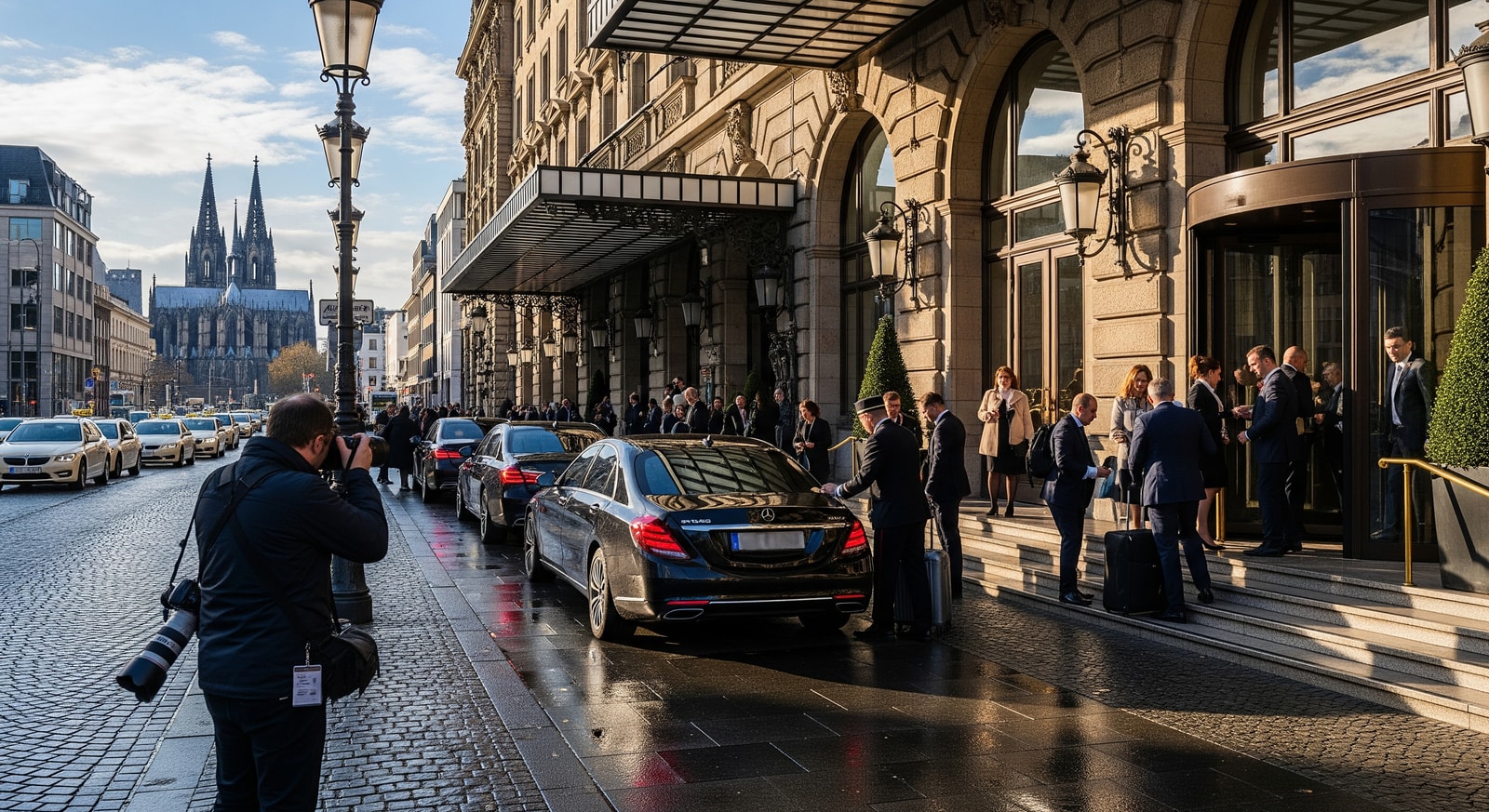
The concentration of trade shows, career fairs and entertainment in late January contributed to compressed availability and higher rates. Market observers note that such event-driven demand tends to boost both occupancy and transient room rates, particularly over weekend peaks.
Implications for hoteliers and revenue managers
The double-digit increases in occupancy and RevPAR underline the value of effectively managing inventory and dynamic pricing during concentrated demand periods. For revenue teams, the January results underscore the payoff from aligning rate strategies with the events calendar.
- Maximise rates on peak event nights to capture transient demand.
- Monitor local event schedules to optimise availability and distribution.
- Leverage weekend demand to boost overall monthly RevPAR.
What this means for travellers
Visitors planning stays in Cologne should be aware that event periods can push prices higher and reduce availability, particularly at weekends and on peak event nights. Booking in advance or selecting midweek dates can help secure better rates and room choices.
Why this matters: For the hospitality sector, the January figures demonstrate the continued impact of in-person events on demand and revenue. For travellers, the data highlight the importance of timing and advance planning when visiting Cologne during event-heavy periods.
Sources