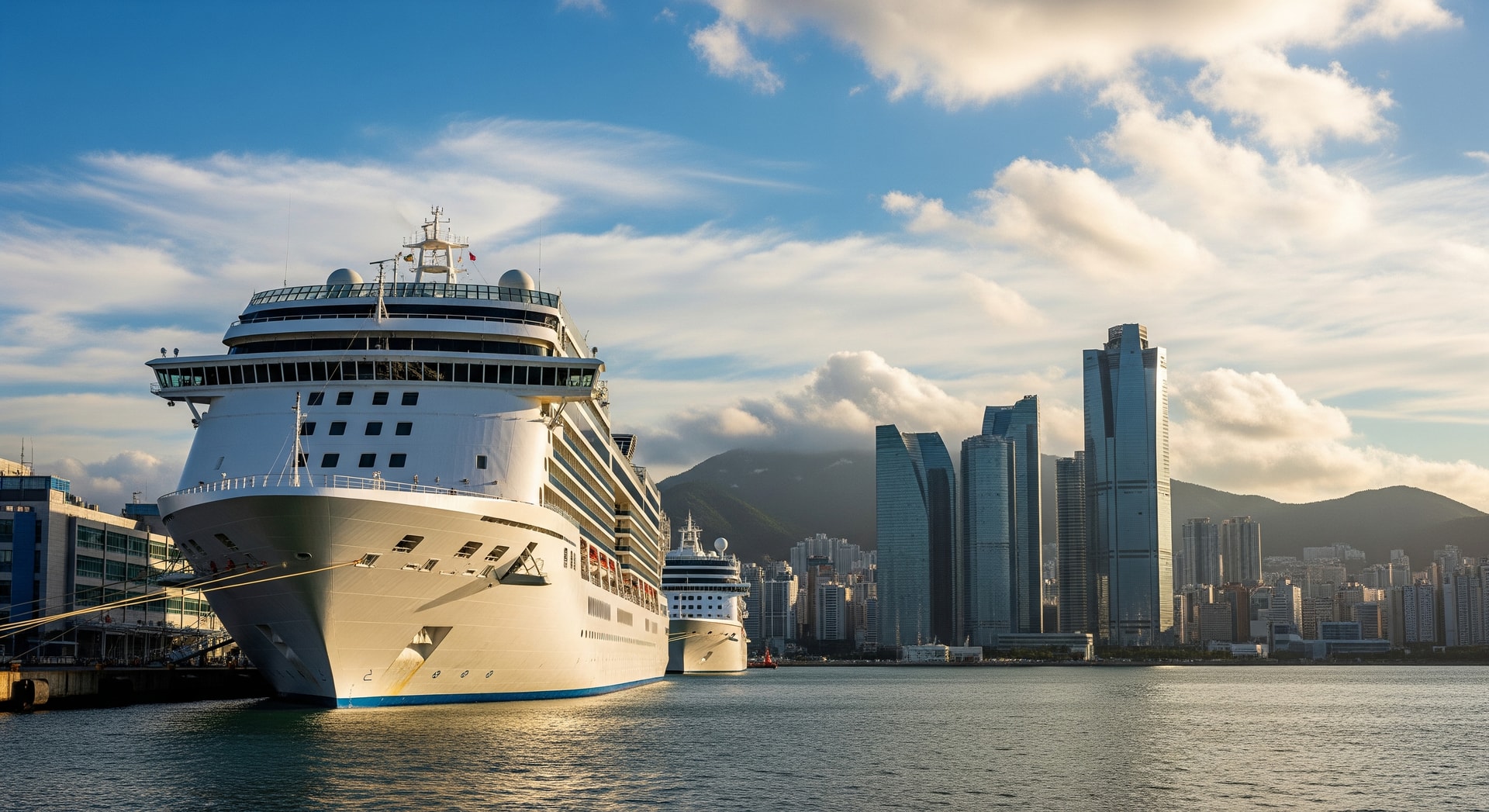
Busan cruise calls are rising as Chinese cruise lines redirect itineraries away from Japan amid escalating China–Japan diplomatic tensions.
Summary: Busan cruise calls have increased after Chinese cruise operators began replacing Japanese port stops with South Korean destinations, following rising diplomatic tensions between China and Japan and Chinese travel advisories.
Chinese cruise companies have started redirecting itineraries to Busan and other South Korean ports as diplomatic friction between China and Japan curtails visits to Japanese harbors. In late July and early August, China issued travel alerts for Japanese administrative regions, and by February 2026 several Chinese lines stopped calling at Japanese ports altogether.
Routes Reworked as Ports in Japan Are Dropped
The intensifying diplomatic row, particularly over issues related to Taiwan, has narrowed options for Chinese cruise passengers. From February 2026, several Chinese cruise vessels ceased calls at Japanese ports; South Korean ports such as Busan and Jeju Island have been substituted for former stops like Hiroshima and Nagasaki.
One concrete example is the Chinese ship Adora Magic City, which is no longer allowed to call at Japanese ports, including Hiroshima and Nagasaki. The vessel altered its itinerary and is now scheduled to call at Jeju Island and Busan instead.
Busan Emerges as a Preferred Alternative
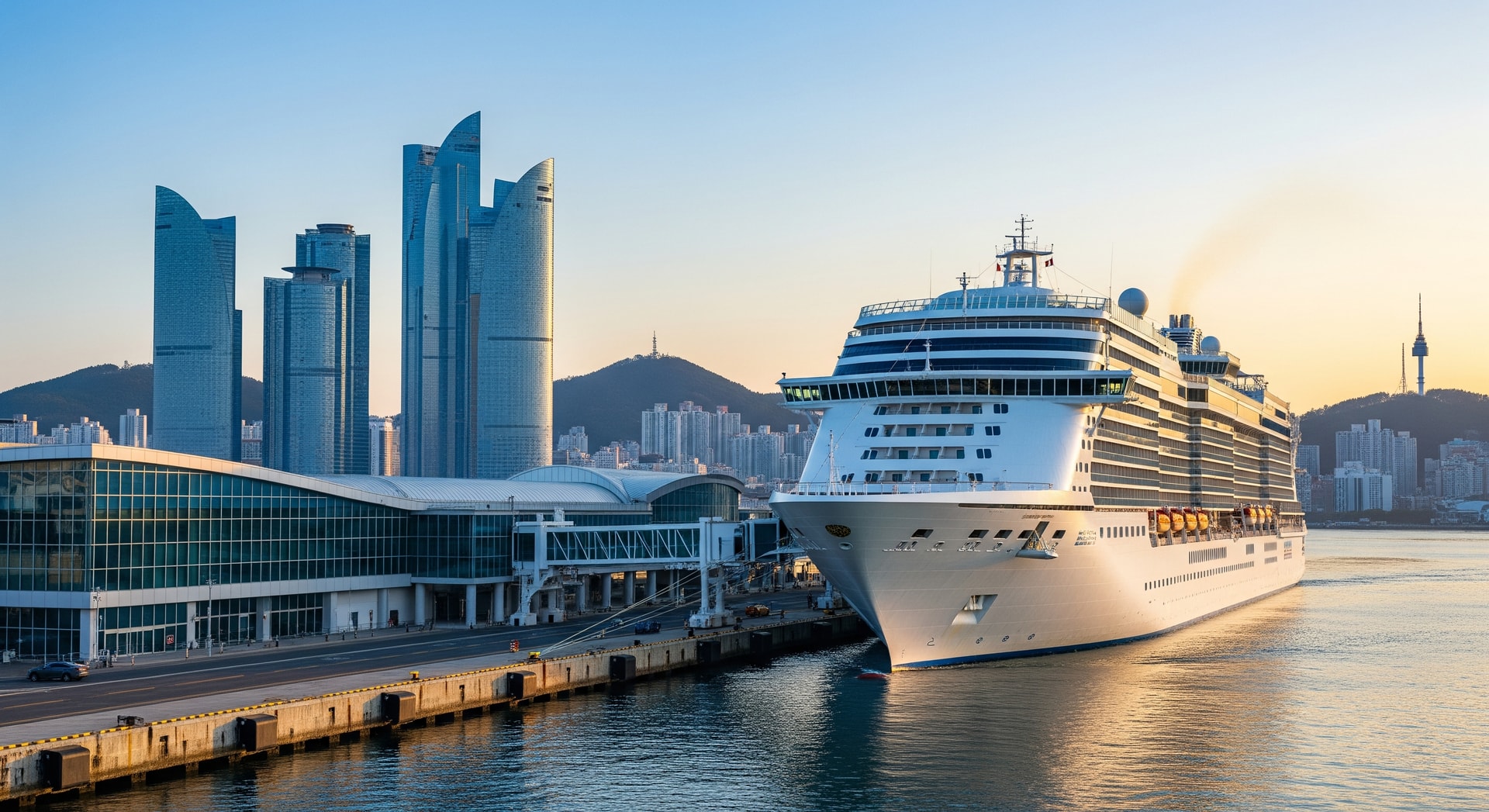
Busan International Cruise Terminal has become the favored port for Chinese cruise lines avoiding Japanese harbors. The Adora Magic City first visited Busan in February 2023, marking what was likely the first of 64 scheduled calls that year, and the city now expects continued growth in cruise arrivals as rerouted itineraries persist.
- Ports replaced: Hiroshima and Nagasaki routes redirected to Busan and Jeju
- Notable vessel: Adora Magic City rerouted to Jeju Island and Busan
- First Busan visit: Adora Magic City entered Busan terminal in February 2023 (part of an anticipated 64 calls that year)
Political Context and Travel Advisories
Sustained diplomatic tensions between Beijing and Tokyo have produced a series of public statements and travel advisories. Chinese officials have issued multiple warnings—most recently a third advisory tied to the Chinese New Year period—citing potential risks for travellers to Japan around peak travel dates.
Authorities anticipated a large number of outbound travellers between February 15 and 23, 2026, and these advisory notices, combined with political friction, have contributed to cruise companies viewing Japan as a less favourable destination this season.
Economic Upside for Busan and South Korea
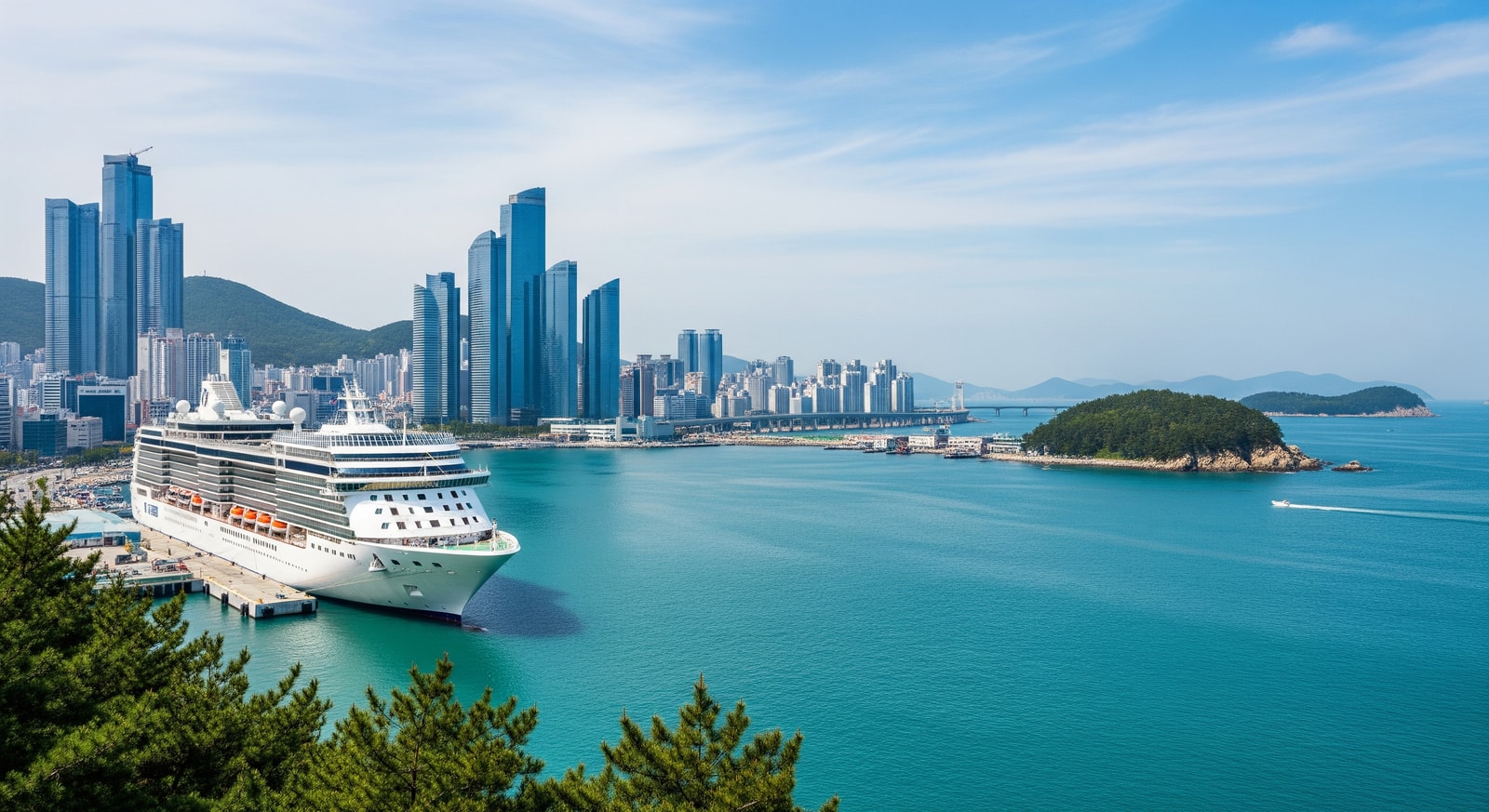
South Korea has invested in cruise facilities and services to capture rerouted traffic. Busan’s southern coastal location, commercial port infrastructure, and nearby tourist attractions make it an attractive first call for international cruises. Local businesses—retail, dining and tourism operators—stand to benefit from higher cruise passenger spending as calls increase.
As long as political tensions between China and Japan persist, industry observers expect Chinese cruise lines to keep diverting customers to South Korean ports, supporting a sustained boost to Busan’s cruise economy.
Tip: Travellers planning cruises in East Asia should check itineraries carefully and monitor travel advisories for China and Japan, as routings may change in response to diplomatic developments.
Why this matters: For travellers, the shift means more cruise options visiting Busan and Jeju but fewer opportunities to visit some Japanese ports on affected sailings. For the industry, the re-routing highlights how geopolitics can rapidly reshape cruise itineraries and regional tourism demand.
Sources