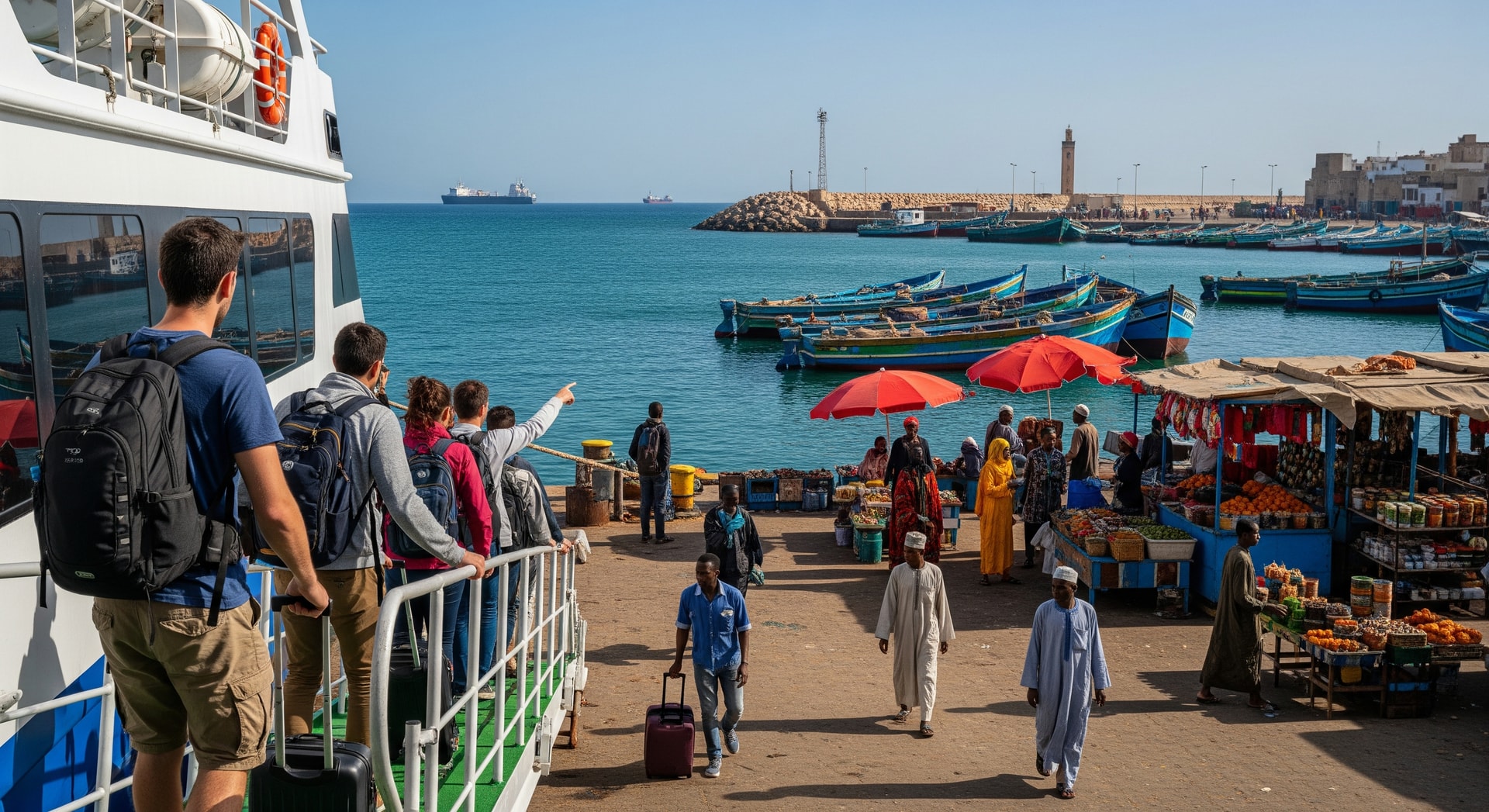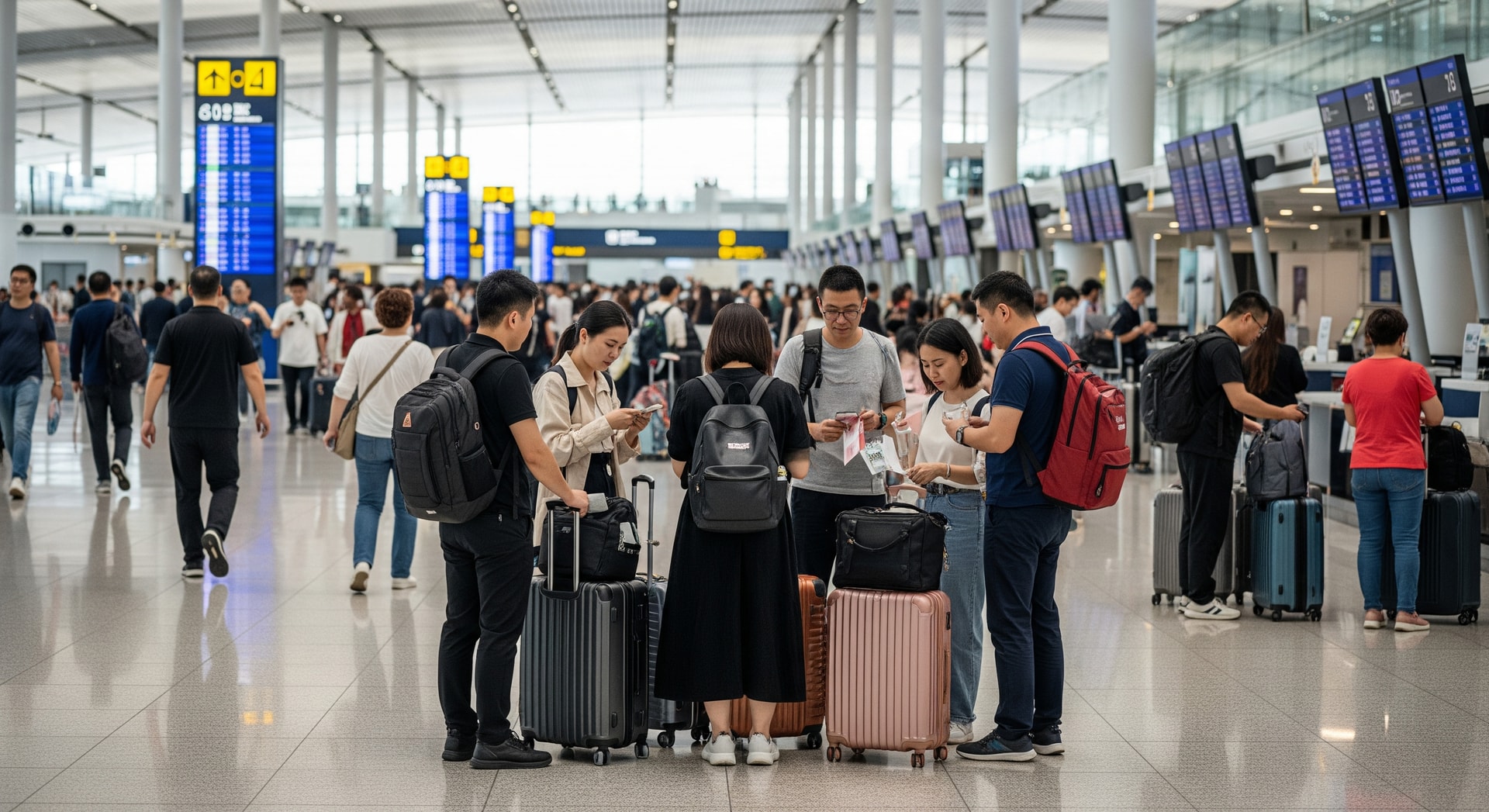
China outbound travel is forecast to hit 170 million trips by 2026 as an expanded 45-country visa-waiver list, a nine-day Spring Festival and improved connectivity spur demand.
Summary: China outbound travel is projected to reach 170 million trips by 2026, driven by a 45-country visa-waiver programme, a nine-day Spring Festival holiday, rising middle-class demand and improved payment and air connectivity.
China outbound travel is staging a robust recovery, with industry forecasts pointing to roughly 170 million outbound trips in 2026. The rebound is propelled by several policy and market shifts — most notably the expansion of China’s visa-waiver list to 45 countries, a rare nine-day Spring Festival break and better air links — which together are encouraging millions of Chinese travellers to return to international destinations.
What’s driving the surge
A combination of policy changes and market conditions has created favourable conditions for outbound travel. The expanded 45-country visa-waiver list has removed a major administrative hurdle for many travellers, while the extended Spring Festival holiday provides more time for longer itineraries. The National Immigration Administration expects daily cross-border movements to average 2.05 million in 2026, a 14% rise over 2025, underlining the scale of demand.
Countries benefiting from increased Chinese arrivals
A wide range of destinations are seeing rising numbers of Chinese visitors. European markets such as Italy, Germany and France are reporting stronger bookings, while countries in the Middle East, Oceania and Latin America — including Saudi Arabia, Australia, Argentina and Brazil — are also capitalising on the trend for both leisure and business travel.
- Italy, Germany, France: higher leisure bookings for cities and cultural tourism
- Saudi Arabia: increased arrivals for religious and cultural tourism with multiple-entry ease
- Australia and New Zealand: stronger demand for combined itineraries, education and leisure
- Argentina and Brazil: growing interest in South American nature and cultural experiences
- Thailand and other long-standing Asian favourites: rebound in beach and city tourism
Beyond these headline markets, the visa-waiver list also extends to smaller European and global destinations such as Andorra, Austria, Belgium, Chile, Denmark, Greece, Japan, the Netherlands, Norway, Portugal, Spain, Sweden, Switzerland, South Korea, and many others — broadening the geographic footprint of Chinese outbound travel.
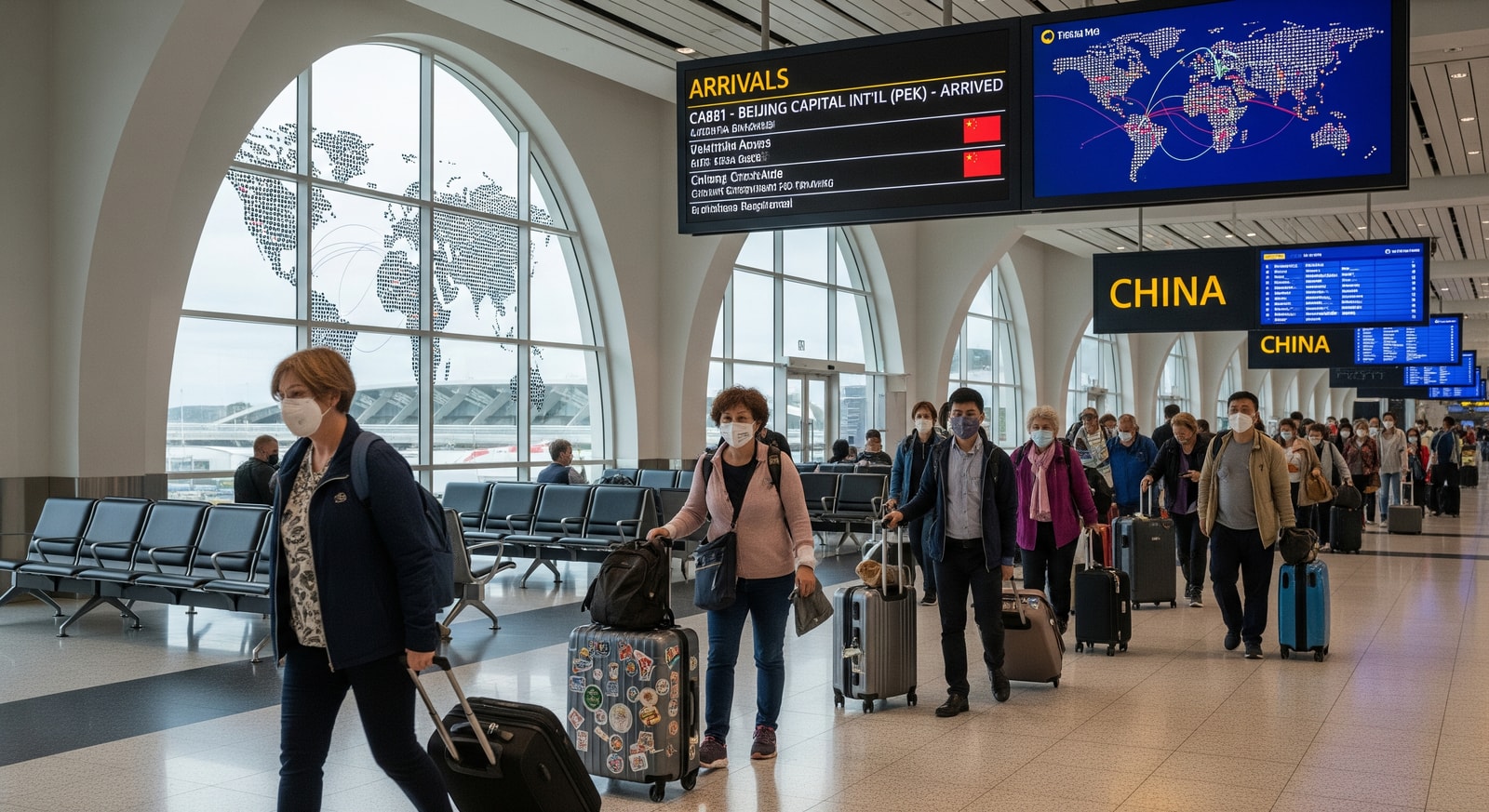
Business travel and seat competition
The recovery is not limited to leisure. Corporate travel is resurging on key routes, creating competition for available seats where business trips overlap with holiday demand. Travel managers are being advised to secure corporate fares early, particularly on busy city-pairings such as Shanghai–Singapore, to avoid last-minute price spikes and limited inventory.
Digital payment reforms to ease spending abroad
To address payment frictions, China is rolling out digital-payment reforms aimed at making UnionPay, Visa and Mastercard widely accepted internationally by mid-2026. Pilot schemes in cities such as Beijing and Shanghai have already linked foreign bank cards to local platforms like Alipay, enabling QR-code payments. This should reduce obstacles for travellers who previously faced limited payment options overseas.
Key takeaways
- 170 million trips: industry estimates for China’s outbound travel in 2026.
- 45-country visa-waiver list: a major facilitator reducing visa barriers.
- Daily cross-border travel: expected to average 2.05 million, up 14% from 2025.
- Payments: reforms to broaden acceptance of UnionPay, Visa and Mastercard by mid-2026.
- Wider benefits: both leisure and corporate travel contribute to global demand.
So what? For destinations and travel businesses, this rebound represents a major revenue opportunity but also a need to scale services — from flights and hotel capacity to multilingual support and payment acceptance. For travellers, the changes mean easier access to more countries, smoother payment options abroad and wider itinerary choices, though they should book early on high-demand routes to secure seats and prices.
Sources