Cebu education tourism is drawing international visitors who want to study English while exploring beaches, waterfalls, and cultural sites across the Philippine island.
Summary: Cebu education tourism is gaining attention as travelers combine English-language study with cultural immersion and weekend trips to natural attractions such as Kawasan Falls, Osmeña Peak, and Mactan Island. Authorities are supporting the niche through accredited schools, student-focused packages, and simplified visa processes for long-stay learners.
Cebu education tourism is emerging as a new draw for international visitors, adding a learning-focused dimension to a destination already known for turquoise waters, festivals, and history. Travelers are increasingly choosing Cebu not only for leisure, but also to study English while experiencing local culture and exploring the island’s outdoor highlights.
Cebu positions itself as an education tourism hub
The appeal centers on a blended itinerary: structured English as a second language (ESL) classes during the week, paired with sightseeing and adventure on weekends. This format is attracting students, young professionals, and other travelers looking for a trip that builds skills as well as memories.
As demand grows globally for travel that includes personal development, Cebu is being promoted as a place where visitors can combine classroom learning with island exploration, rather than choosing one or the other.
Government initiatives support long-stay learning travel
Local and national initiatives are helping to accelerate Cebu’s education tourism push. Tourism authorities have identified education as a niche that complements the island’s established leisure market, with the goal of attracting longer-stay visitors who contribute to the economy while traveling around the region.
- Support for accredited English schools
- Development of student-friendly travel packages
- Simplified visa processes for long-stay learners
These steps are intended to make planning easier for international visitors who want an immersive schedule that combines study and leisure. The broader aim is to keep Cebu positioned as a safe, welcoming, and well-organized destination for education-focused travel.
How English study connects with adventure and culture
A major selling point is how easily study can fit alongside excursions. Students typically attend classes during the day, then use weekends for trips to well-known natural and coastal sites. The model is designed to deliver more than a standard holiday by pairing language progress with hands-on experiences.

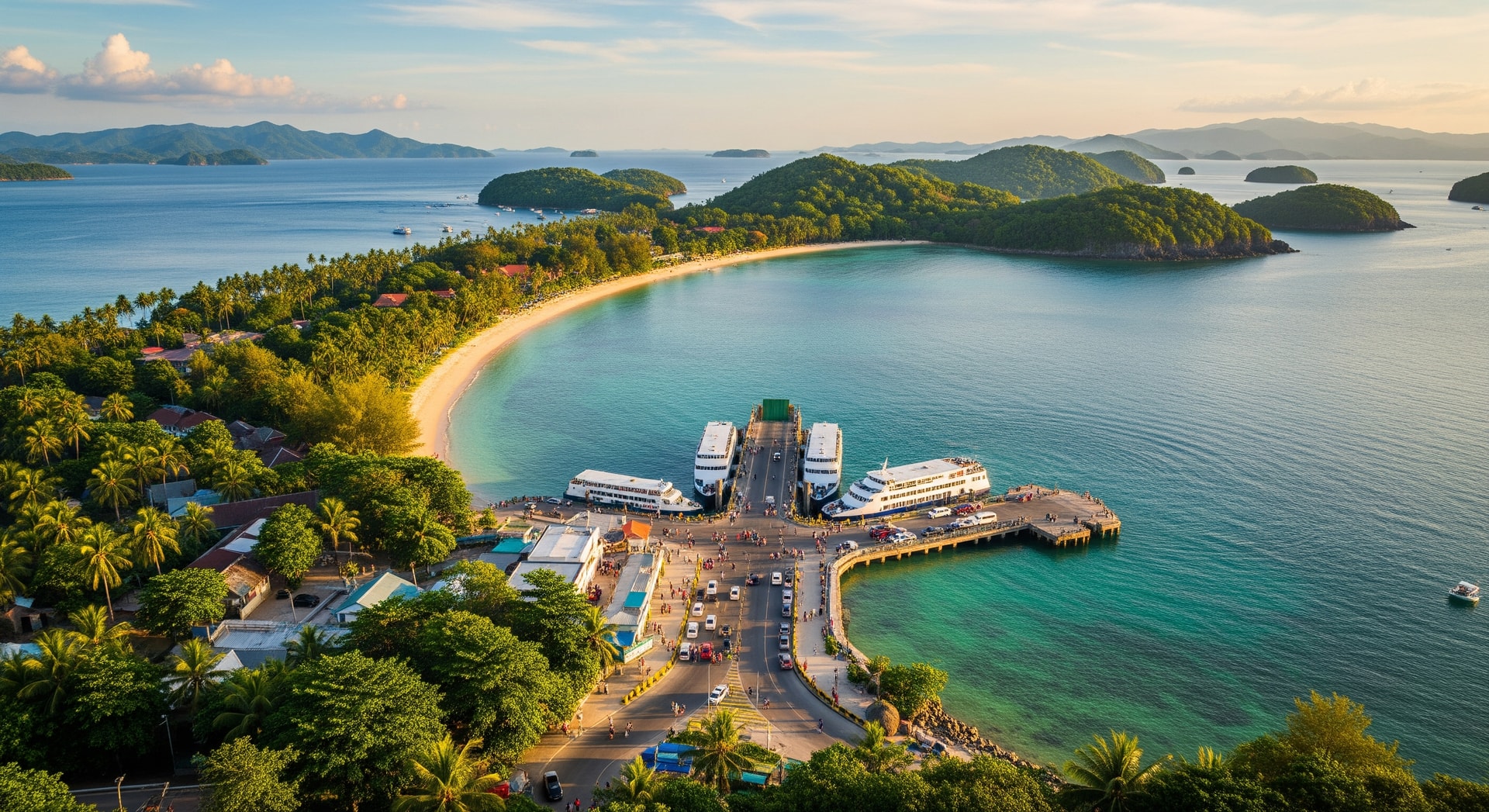
Among the frequently visited spots are Kawasan Falls, Osmeña Peak, and Mactan Island, where travelers can join activities such as diving, snorkeling, and cultural tours. The combination is positioned as a way to keep learning practical and travel experiences varied.
Language schools also commonly build cultural immersion into their programs. Beyond classroom instruction, students may be encouraged to engage with local markets, festivals, and Filipino culinary traditions as part of a broader learning experience.
Economic impact for Cebu’s tourism and local businesses
Education tourism is also influencing Cebu’s wider visitor economy. Compared with short breaks, students and long-term learners often stay for weeks or months, which can support steadier hotel occupancy and ongoing demand for transport, food, and leisure services.
This pattern benefits not only schools, but also tour operators, local guides, and small businesses that serve travelers over longer periods. The article notes that affordable, high-quality language programs combined with strong tourism offerings have helped Cebu broaden its visitor base and reduce reliance on more volatile leisure segments.
Travel tips: timing, accommodation, and visa planning
For travelers considering Cebu for study and adventure, timing and logistics matter. The recommended period to visit is the dry season from November to May, when conditions are generally better for both classes and outdoor activities.
Accommodation choices range from homestays to beachfront resorts, allowing visitors to align housing with budget and travel style. The article also advises international visitors to review current visa requirements, noting that many nationalities may be eligible for tourist or student visas that can suit longer language courses.
Integrated packages that combine study programs with guided tours, adventure activities, and cultural experiences are highlighted as a way to build a complete itinerary without having to plan each element separately.
Why Cebu’s education tourism trend matters to travelers
Cebu’s shift toward education tourism reflects a broader change in what many travelers want: trips that deliver skills, community connection, and active experiences rather than passive sightseeing. For prospective visitors, the practical takeaway is that Cebu may offer a structured reason to stay longer—potentially making visa planning, accommodation choices, and travel budgeting more important than on a typical beach holiday. For the local industry, longer stays can mean more consistent demand across hotels, transport providers, and tour operators.
Sources