The Brenner Base Tunnel will become the world's longest underground railway connection when it opens in 2032, linking Innsbruck and Franzensfeste across 64 km.
Summary: The Brenner Base Tunnel, due to open in 2032, will link Innsbruck (Austria) and Franzensfeste/Fortezza (Italy) across 64 km, becoming the world’s longest underground railway connection and supporting a shift from road to rail.
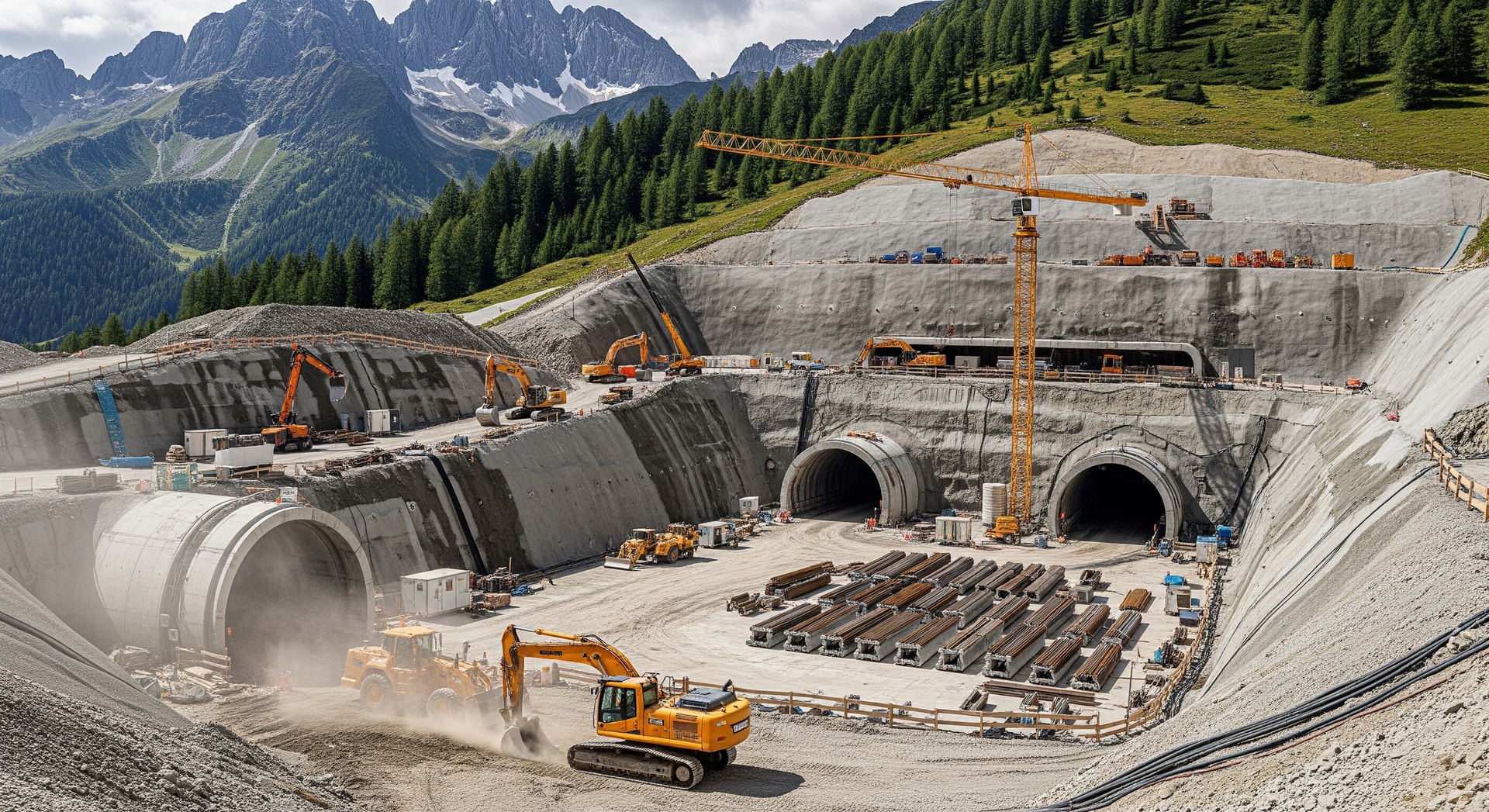
A major engineering project under the Alps will transform travel between Austria and Italy: the Brenner Base Tunnel (BBT) is scheduled to open in 2032 and will become the world’s longest underground railway connection. The Brenner Base Tunnel will span 64 kilometres (40 miles) and will link Innsbruck in Austria with Franzensfeste/Fortezza in Italy, creating faster and more efficient rail links for both passengers and freight.
A landmark rail link between Austria and Italy
When finished, the BBT will provide a continuous underground rail connection that significantly shortens journey times between the two countries. Passenger and freight services will use the BBT together with the adjacent Inn valley tunnel — a 12.7 km stretch that opened in 1994 — to form one of the longest continuous underground rail links in the world. Project planners say the tunnel will improve cross-border efficiency at a time when Austria and Italy operate under different time zones and will support increased rail capacity across the Alps.
Engineering innovations and safety features
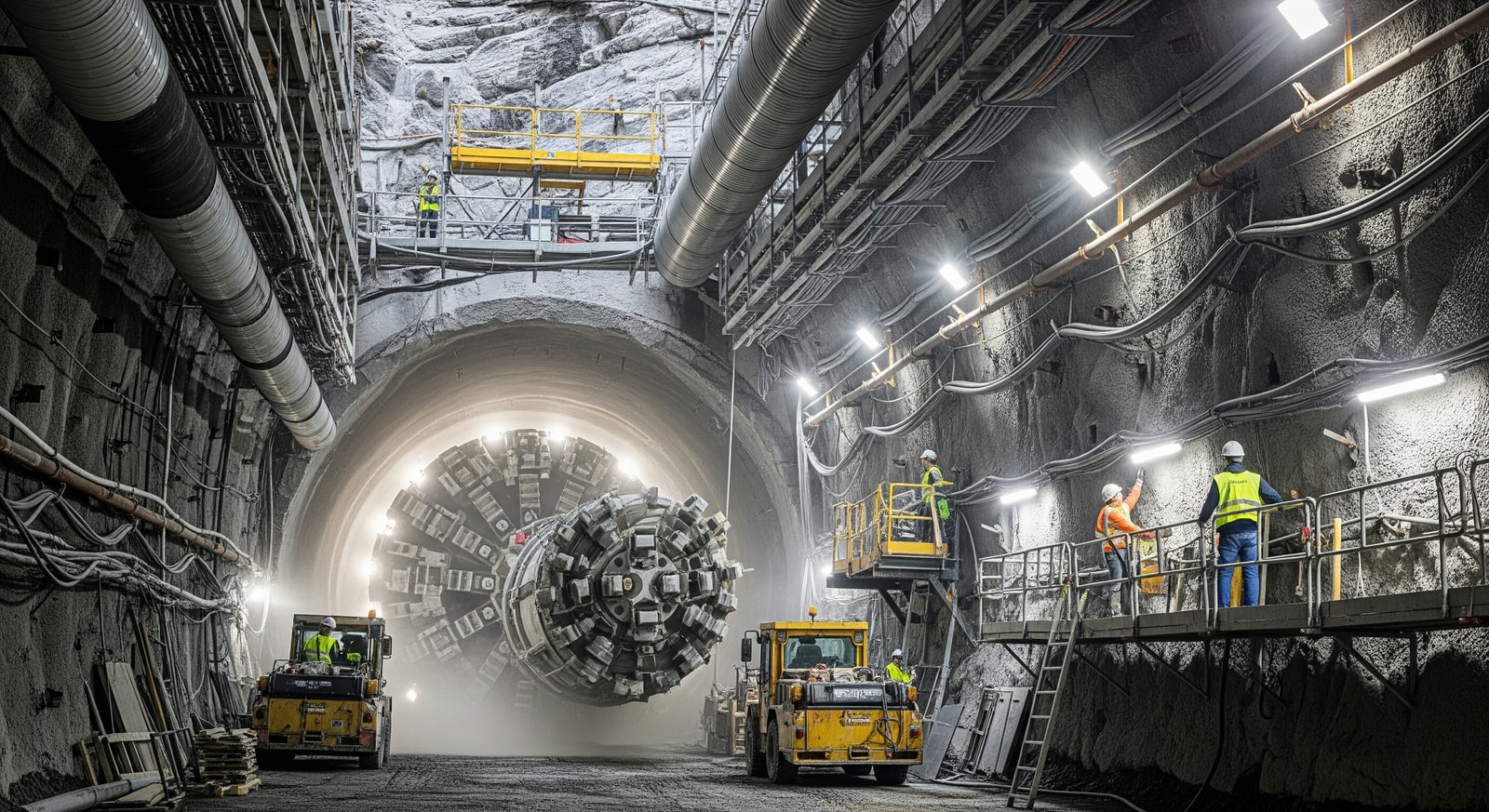
The BBT incorporates several technical innovations aimed at cutting construction cost and time while improving long-term reliability. A dedicated exploratory tunnel, located about 12 metres beneath the two main tubes, has been used during construction to collect geological information and guide tunnelling. Once operations begin, this smaller tunnel will also provide drainage and maintenance access to help ensure the system’s safety and durability.
- Length: 64 km (40 miles) between Innsbruck and Franzensfeste/Fortezza
- Adjacent tunnel: Inn valley tunnel, 12.7 km (opened 1994)
- Exploratory tunnel: located 12 metres below the main tubes for geological surveys and drainage
- Projected cost: €8.54 billion (approximately £7.4 billion)
- Completion target: 2032
Economic, environmental and tourism impacts
The BBT is expected to bring broad economic benefits by speeding up business travel and improving freight connections across a key trans-Alpine corridor. By offering a viable alternative to road transport, the tunnel should help lower carbon emissions and ease congestion in the Alpine region. Wider, more efficient rail links could also encourage increased tourist movement between destinations such as Innsbruck and the Italian Dolomites.
How the tunnel will affect travellers and freight
The BBT will shorten travel times and expand route options for passengers, while shippers should see faster, more reliable rail freight connections. The project aims to support a modal shift from road to rail across Europe, aligning with EU climate and transport goals and reducing the environmental footprint of cross-border movement through the Alps.
- Plan for faster travel times between Austria and Italy once services begin.
- Explore new cross-border itineraries and quicker links to Alpine destinations.
- Freight operators should check new routing and capacity options to streamline supply chains.
- Although much of the link is underground, entry and exit points will offer alpine views.
- Stay informed about service launches, schedules and ticketing as 2032 approaches.
Key facts at a glance
Location: Innsbruck (Austria) to Franzensfeste/Fortezza (Italy); Length: 64 km (40 miles); Cost: €8.54 billion (~£7.4 billion); Feature: exploratory tunnel for geological monitoring and drainage; Completion target: 2032. The tunnel will become one of the longest continuous underground railway connections when combined with the Inn valley tunnel.
Why this matters: For travellers and the transport industry, the Brenner Base Tunnel represents a practical step toward faster, greener and more reliable cross-border travel in Europe. It will expand route choices, reduce road congestion through the Alps, and strengthen economic links between Austria and Italy — developments that will influence travel planning, freight logistics and regional tourism for years to come.
Sources