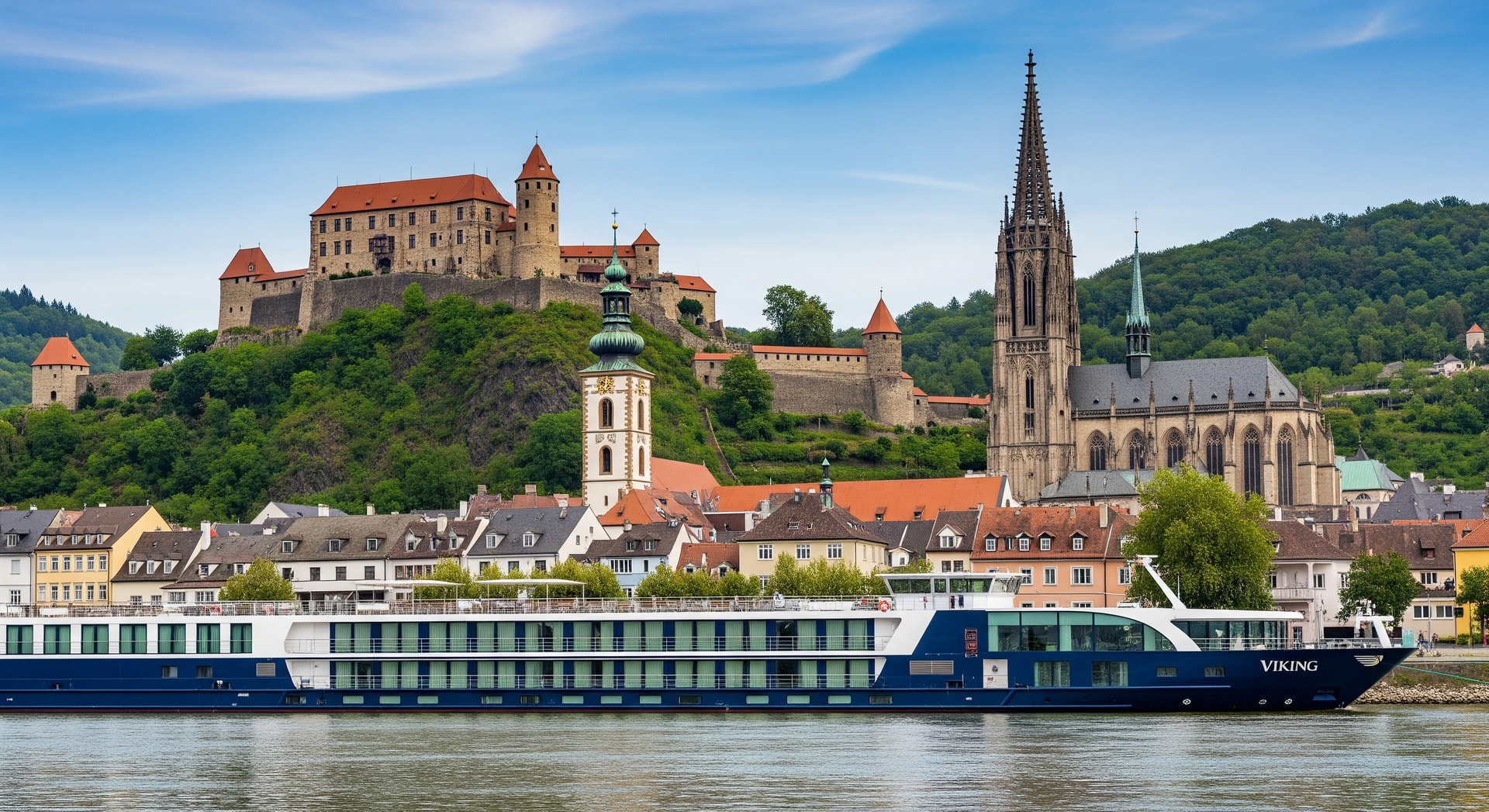
Ascott signed a record 19,000 units across 102 properties in 2025, driving 27% year-on-year growth and significantly expanding its presence across Asia Pacific and Europe.
Summary: Ascott recorded 19,000 signed units across 102 properties in 2025, a 27% year-over-year increase. The company expanded into 10+ new cities, signed 15 resorts, added more than 1,000 branded-residence units, and grew franchise and conversion-led signings.
Ascott, the lodging arm of CapitaLand Investment Limited (CLI), posted a landmark performance in 2025 by signing 19,000 units across 102 properties, representing a 27% increase compared with the prior year. The expansion extended Ascott’s reach across more than 230 cities in over 40 countries, reinforcing its position in key regional markets.
Expansion across key markets
In 2025 Ascott broadened its footprint into more than 10 new cities across Asia Pacific and Europe, targeting both business hubs and leisure destinations to meet rising demand for flexible, high-quality accommodations.
- Total signings: 19,000 units across 102 properties in 2025
- Year-over-year growth: 27%
- Global footprint: now in 230+ cities across 40+ countries
New city entries and openings
Ascott made several notable market entries, including its lyf brand’s debut in Wellington, New Zealand, where a 108-room property will target long-stay travellers and digital nomads with social spaces and flexible room configurations. In Taipei, Ascott Nangang Taipei is confirmed for a business district location to serve both short and extended stays.
The company’s strategy mixes new-builds and conversions to accelerate openings, enabling faster market entry and revenue generation by repositioning existing assets under Ascott’s brand portfolio.
Resort portfolio expansion capitalises on leisure demand
To tap the rebound in leisure travel, Ascott signed 15 new resorts in prominent holiday destinations including Phuket, Phu Quoc, Nha Trang and Bali. A major resort signing was the 693-unit HARRIS Resort Cam Ranh in Vietnam, marking HARRIS’s first entry into the market. In Spain, Lagoon City Seville will include a 250-unit lyf and a 120-unit Somerset residence within a mixed-use development centred on an artificial lagoon.
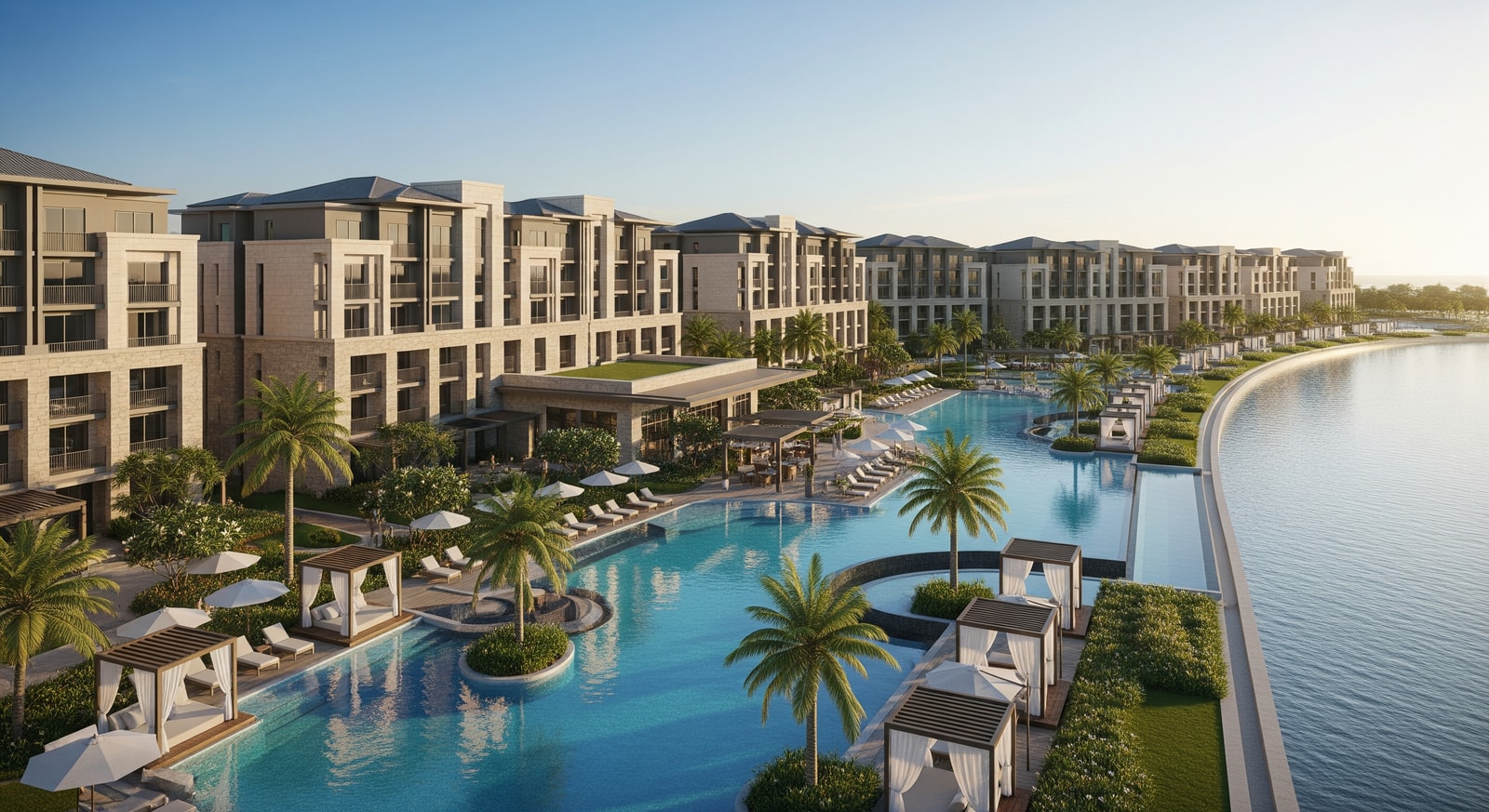
Branded residences strengthen luxury offering
Responding to rising demand for long-stay and premium living, Ascott added over 1,000 branded-residence units in Asia Pacific. Notable projects include Residences at Ascott Abov Patong Phuket and Oakwood Premier Branded Residences Luohu Shenzhen, aiming to blend hotel services with residential comforts for affluent travellers and longer-term occupants.
- Branded residences signed: 1,000+ units in Asia Pacific
- Key projects: Ascott Abov Patong Phuket; Oakwood Premier Luohu Shenzhen
Franchise and conversion-led growth
Franchise deals accounted for more than a quarter of new units, supporting Ascott’s asset-light expansion. East Asia saw strong franchise activity, including several Quest properties in China via a joint venture with Jin Jiang and additional Citadines franchise deals. Conversions were also significant, representing over 38% of new units and allowing rapid rebranding of existing hotels under Ascott labels.
“Our assets-light approach drove growth, particularly in high-fee segments like resorts, as franchise efforts accelerate and conversion strategy gains traction”
Brand milestones and outlook
Citadines surpassed 200 properties globally and logged 17 new signings, while Oakwood added 16 properties in 2025. Collection brands extended into new regions, with The Unlimited Collection entering Africa and Europe and The Crest Collection debuting in the Middle East. New urban openings such as Ascott Coronation Square Johor Bahru and Ascott Shenton Way Singapore underline the group’s continued focus on city hubs.
What this means for travellers and the industry
Ascott’s 2025 expansion signals more options for travellers seeking both short- and long-term stays across Asia Pacific and Europe, plus increased resort capacity in popular holiday markets. For property owners and investors, the emphasis on franchising and conversions offers faster routes to market with proven brand support. Overall, the growth reflects broader recovery and diversification in global travel demand.
Sources