Amsterdam advertising ban takes effect in May 2026: the city will prohibit fossil fuel and meat ads in public spaces to strengthen its climate and sustainable tourism goals.
Summary: Amsterdam advertising ban will bar fossil fuel and meat promotions from publicly owned outdoor spaces starting 1 May 2026, making the city the first capital to adopt such a measure as part of an APV amendment.
Amsterdam has passed legislation to prohibit fossil fuel and meat advertising in public spaces, a change due to take effect from 1 May 2026. The Amsterdam advertising ban covers a wide range of outdoor, city-controlled displays and is presented as a landmark step in the city’s drive toward climate neutrality.
Scope of the ban: What will be removed from the streets
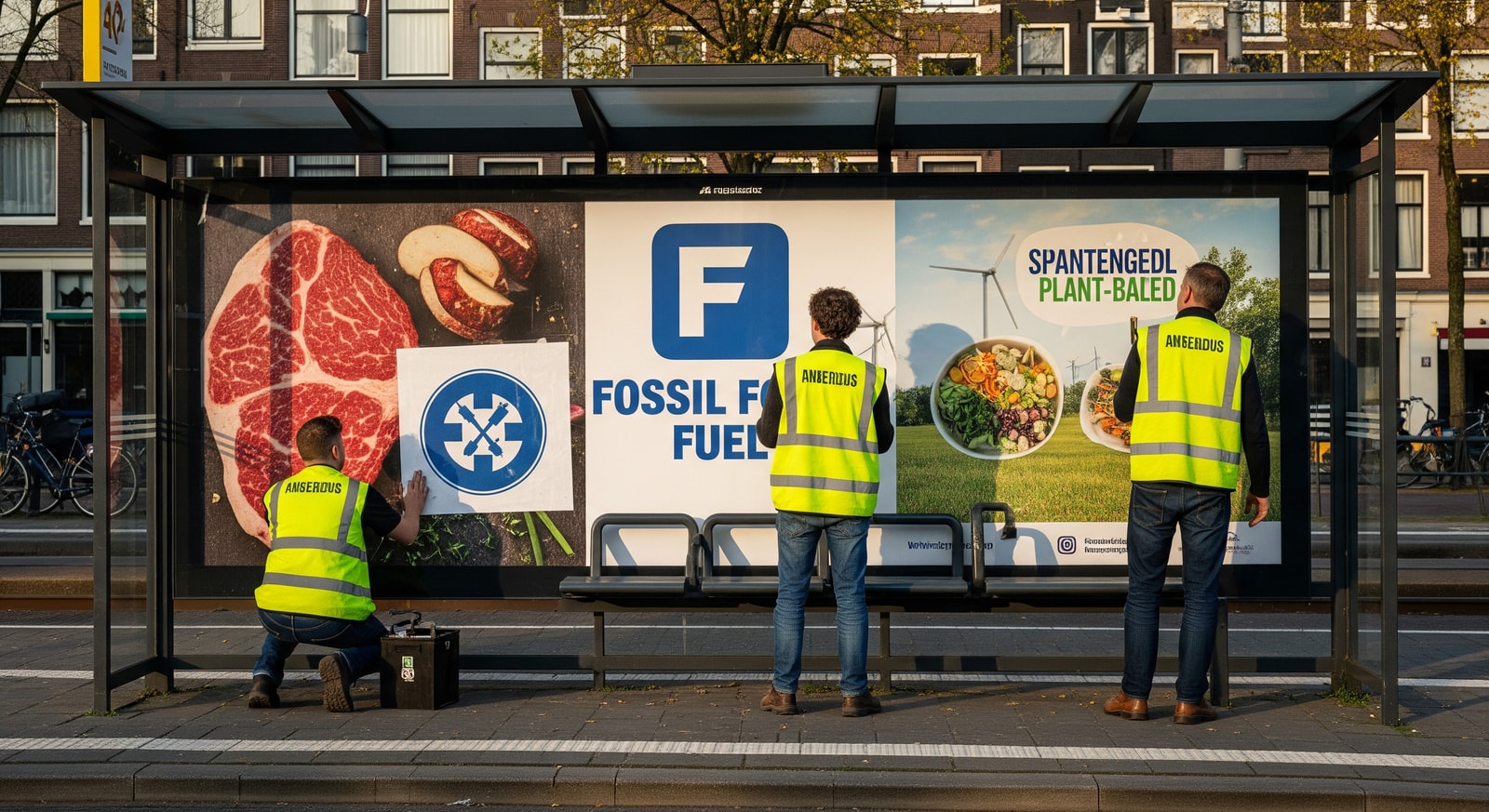
Under the new rules, advertisements for products and services linked to high greenhouse-gas emissions will no longer be allowed in publicly regulated outdoor locations. Officials say this includes traditional fossil fuel products and a range of meat-based food promotions.
- Petrol and diesel-powered cars and related products
- Air travel and cruise holiday promotions
- Meat products such as burgers, sausages and poultry
Where the rule applies — public, city-owned spaces
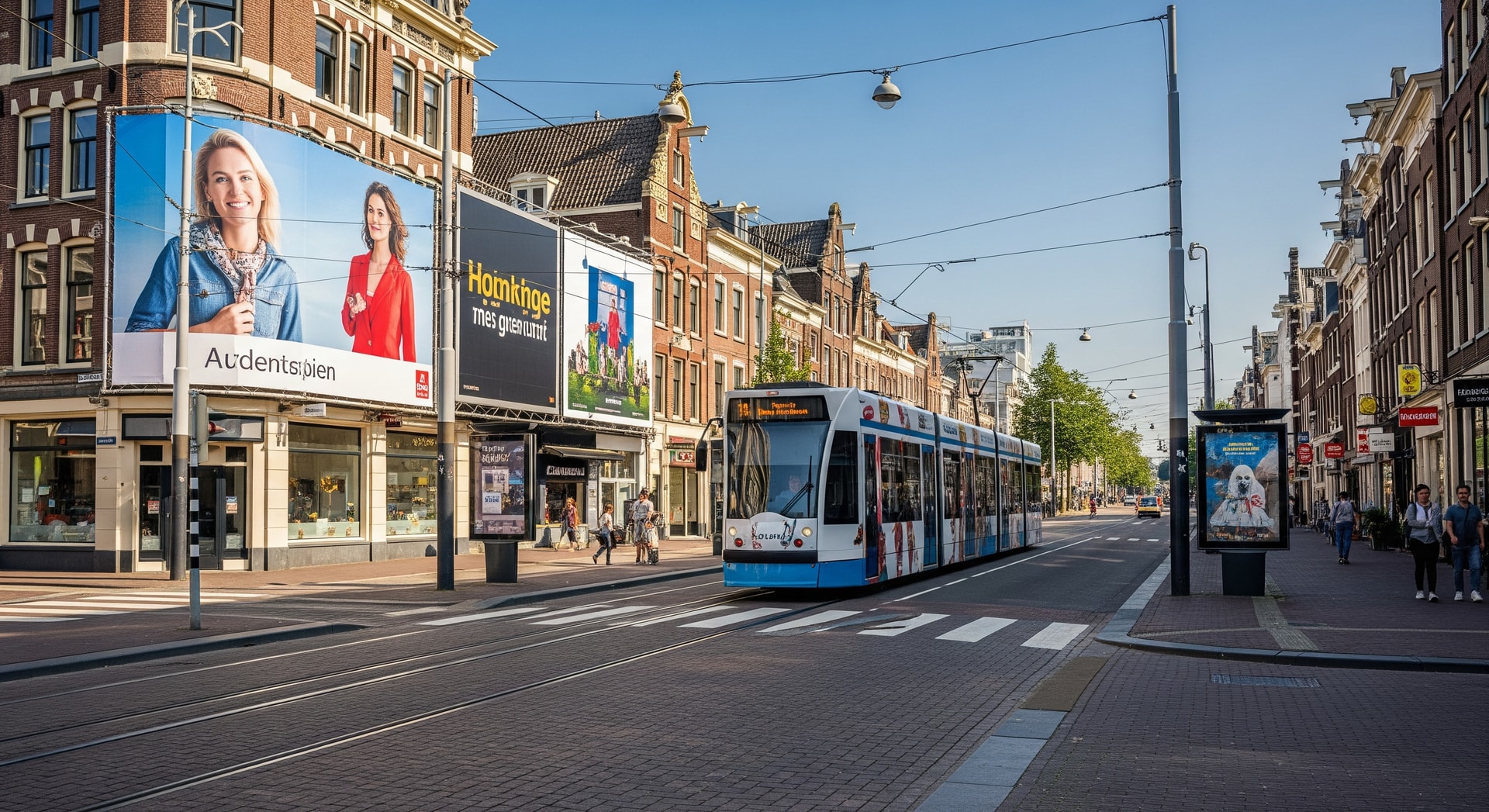
The restriction targets outdoor advertising in locations that are owned or regulated by the city, including billboards, tram and bus stops, transit stations and other public displays. It does not extend to private advertising like shop windows or restaurant signage.
City authorities have provided a transitional period for outdoor advertising companies to replace existing non-compliant campaigns ahead of the enforcement date. Over time, high-carbon industry brands may lose city ad space in central, high-traffic areas.
Policy roots: APV amendment and climate neutrality goals
The ban was adopted as part of an amendment to Amsterdam’s General Local Regulation (APV). City leaders frame the change as a practical measure to align public messaging with broader ambitions to lower greenhouse gas emissions and promote sustainable urban living.
Officials say the regulation intends to influence both corporate behaviour and consumer choices by removing promotional visibility for high-emission goods and services from publicly managed spaces.
Implications for tourism and visitors
For tourists, the advertising ban will reshape the visual landscape of Amsterdam’s public areas. The city expects the move to strengthen its reputation among environmentally minded travellers and to reinforce Amsterdam’s positioning as a destination that prioritises sustainability.
- Cleaner, less carbon-focused public messaging in central areas
- Fewer promotions for flights, cruises and high-emission vehicles in transit hubs
- Stronger appeal to eco-conscious visitors seeking greener destinations
Could other cities follow?
Observers say Amsterdam’s decision could set a precedent similar to earlier restrictions on tobacco advertising. As climate policy rises on municipal agendas, other European cities may consider comparable limits on public advertising for high-carbon industries.
The move places Amsterdam at the forefront of urban climate innovation and offers a clear model for how local governments can use regulation of public space to support environmental goals.
Why this matters: the Amsterdam advertising ban signals a shift in how cities manage public influence. For travellers and the tourism industry, it means visiting a capital that prioritises sustainability in its public presentation — a change likely to affect destination branding, marketing strategies and the visual experience of urban travel.
Sources