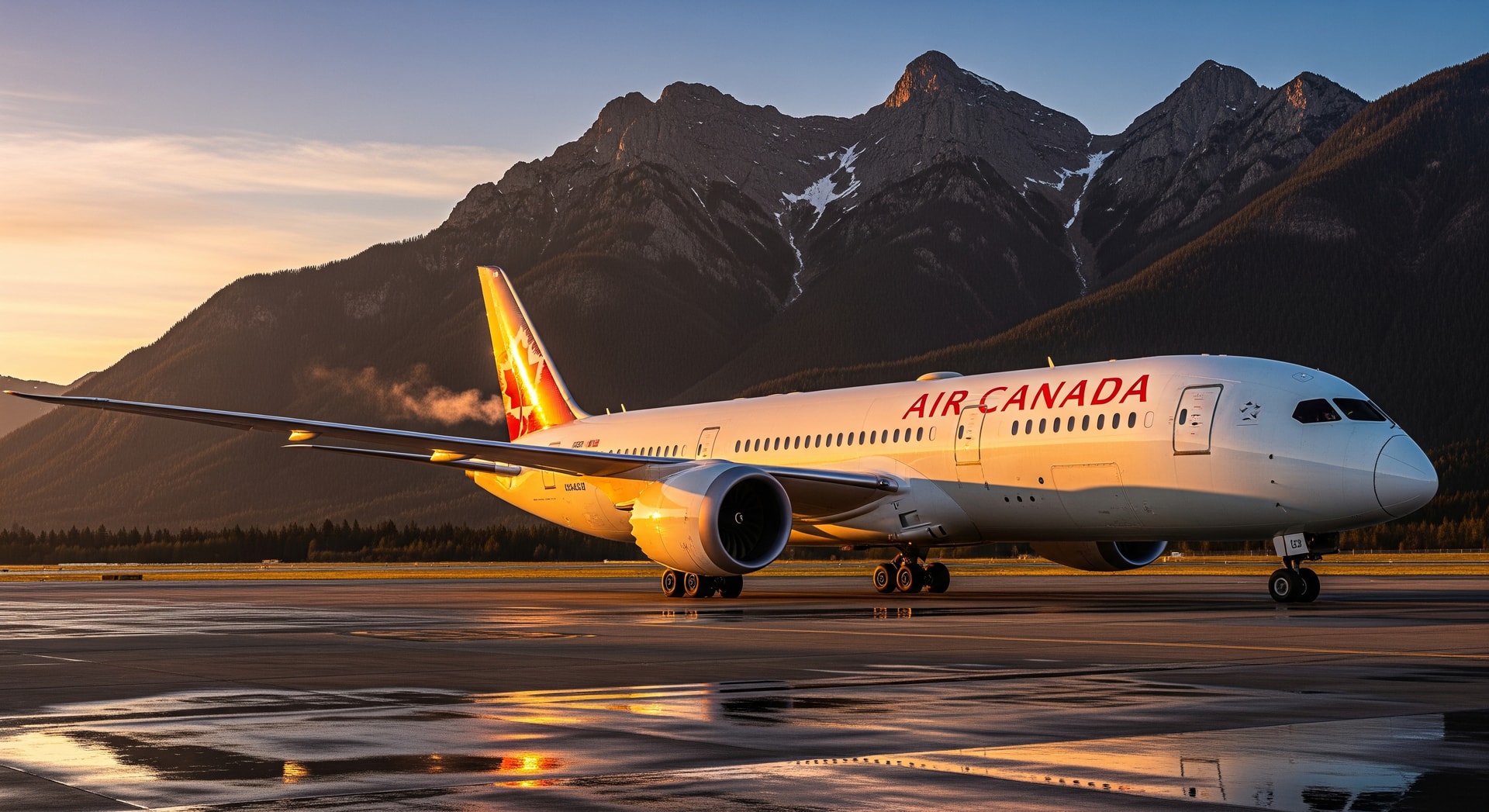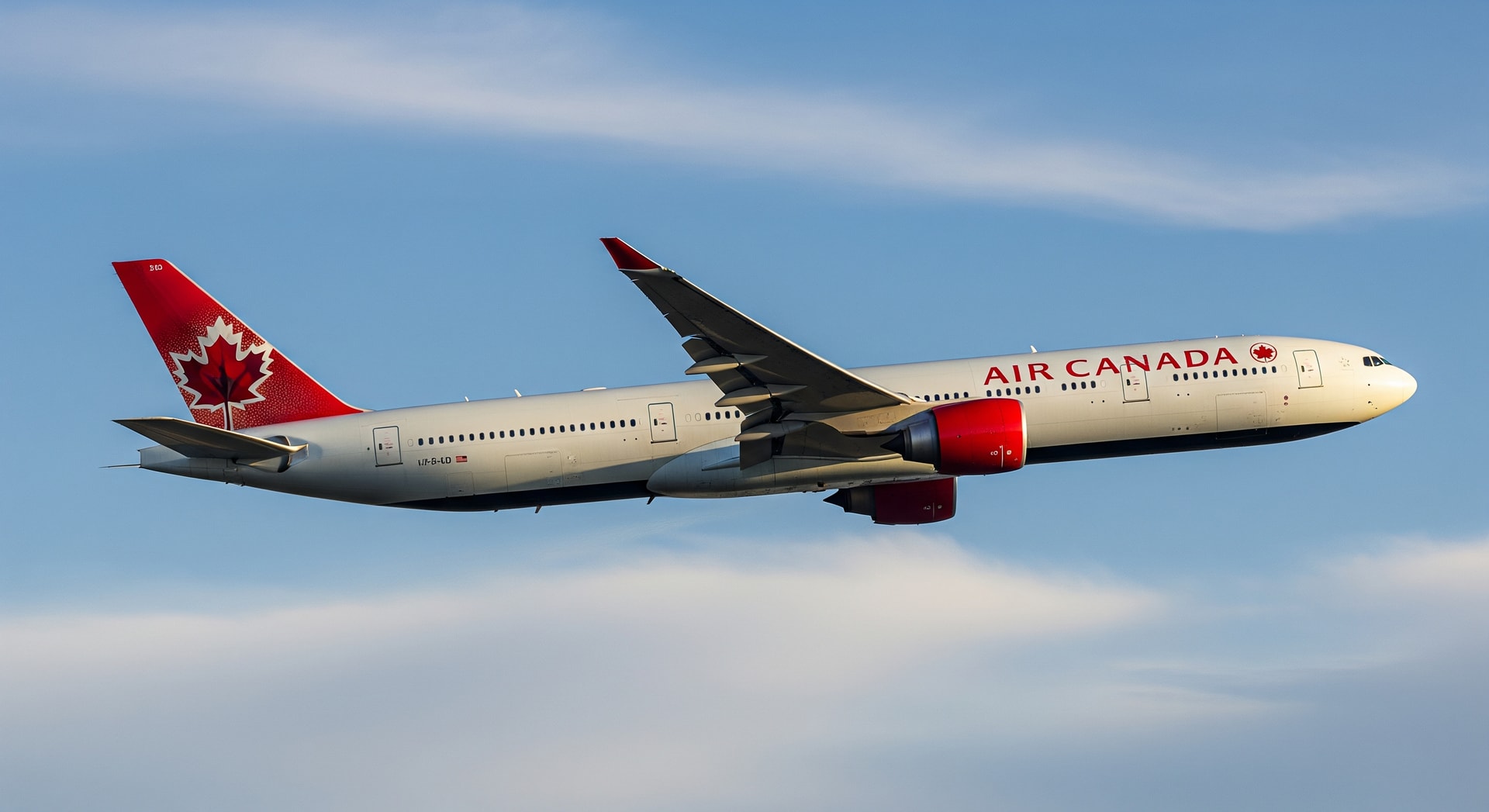
Air Canada orders Airbus A350-1000 aircraft as part of a long-term fleet modernisation plan, securing eight firm jets with rights to buy eight additional airframes, with deliveries starting in the second half of 2030.
Summary: Air Canada orders Airbus A350-1000 aircraft — eight firm jets with purchase rights for eight more. Deliveries are scheduled to begin in the second half of 2030 as part of the carrier’s wider fleet renewal programme.
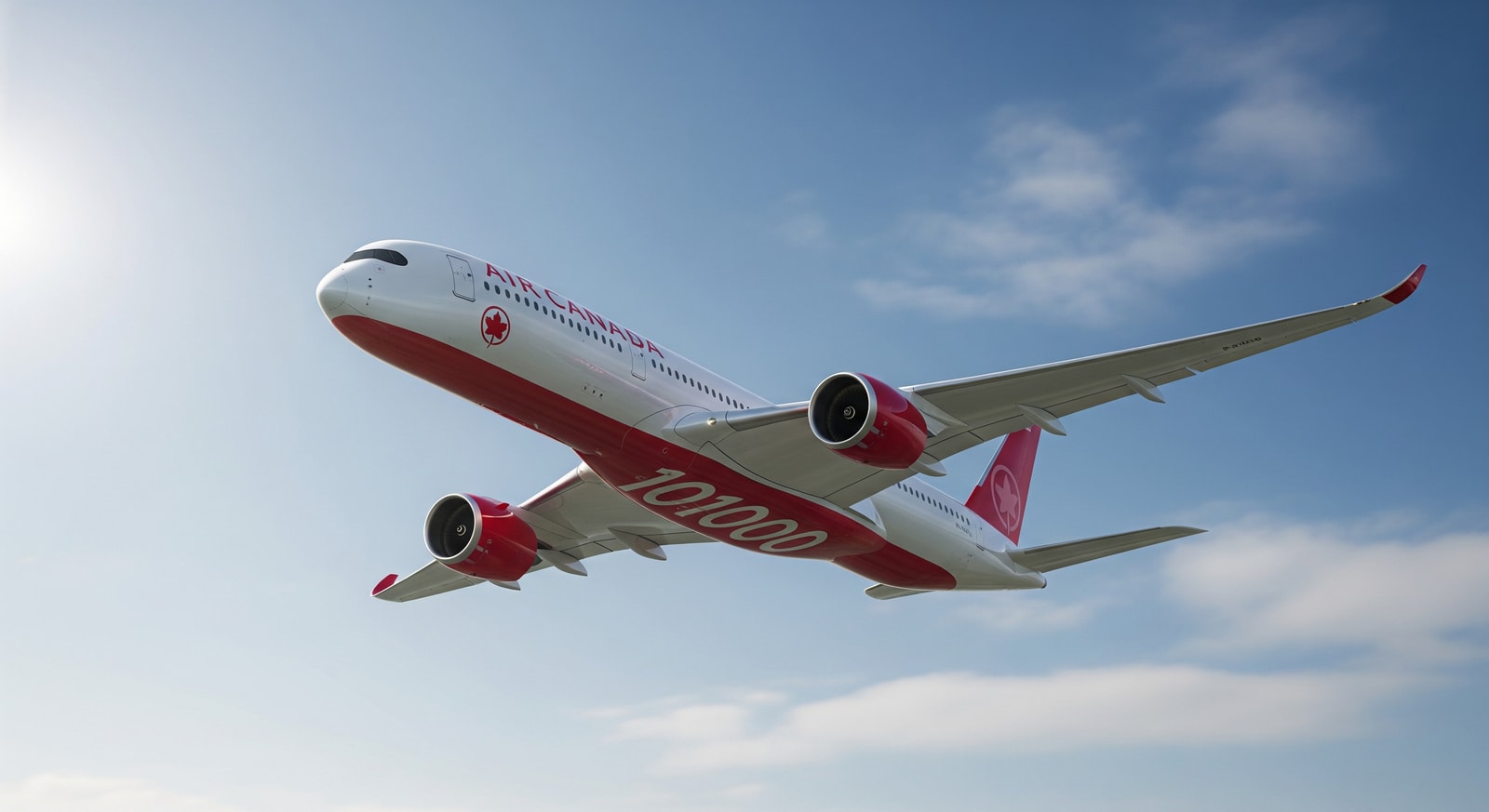
Air Canada orders Airbus A350-1000 aircraft, confirming a purchase for eight A350-1000 widebodies and securing rights to acquire an additional eight. The deal forms a core element of the airline’s long-term fleet modernisation and expansion of its international network, with the first deliveries expected from the second half of 2030.
How the A350-1000 Fits Air Canada’s Strategy
Air Canada said the A350-1000 will expand its long‑haul capabilities by offering greater range, improved payload and stronger economics compared with older aircraft. The carrier described the type as a key building block for connecting its hubs and growing the international network over the coming decade.
Mark Galardo, Executive Vice President and Chief Commercial Officer, and President of Cargo at Air Canada, provided the airline’s strategic context ahead of entry into service.
Air Canada’s acquisition of the Airbus A350-1000 will further solidify our position as a leading global airline through the next decade. This state-of-the-art aircraft adds a new dimension to Air Canada’s long-haul capabilities, with impressive range, enhanced payload, and proven economics that unlock new possibilities for long-haul flying for our customers.
Financial and Operational Rationale
Air Canada emphasised the A350-1000 purchase supports long-term cost and environmental goals through improved operating economics. The airline said the aircraft’s lighter construction and advanced engines will deliver meaningful fuel savings versus the types they replace.
John Di Bert, Executive Vice President & Chief Financial Officer at Air Canada, underlined the investment’s place in the company’s capital plan.
The addition of the Airbus A350-1000 to our fleet is a forward-looking investment that strengthens Air Canada’s long-term cost efficiency.
- Firm order: 8 Airbus A350-1000 aircraft
- Purchase rights/options: 8 additional A350-1000s
- Deliveries: expected to start in the second half of 2030
- Engine: Rolls-Royce XWB97
- Estimated performance: up to 25% fuel reduction vs previous-generation aircraft; range around 9,000 nautical miles
- Cabin: quiet twin-aisle design, pressurised to 6,000 feet for reduced fatigue, and fitted with next‑gen IFE and connectivity
How It Links to Other Fleet Moves
Air Canada said the A350-1000 purchase complements other recent additions and commitments. The airline expects 14 Boeing 787-10 Dreamliners to enter service later this year, will soon receive the first of 30 Airbus A321XLRs, and continues to take Canadian-assembled Airbus A220 deliveries, with 23 remaining from a firm order of 65. The carrier also plans to add five leased Boeing 737 MAX aircraft in 2026.
What This Means for Passengers and Routes
The A350-1000’s range and payload capability will enable Air Canada to operate longer non‑stop sectors and potentially open new direct routes. Passengers can expect quieter cabins, improved cabin pressure to lessen jet lag, and upgraded in‑flight entertainment and connectivity consistent with the airline’s next-generation cabin standard.
So what? For travellers, the order signals more long‑haul route options and a modernised onboard experience. For the industry, it underlines continued demand for fuel‑efficient widebodies as carriers rebuild and reconfigure international networks.
Sources