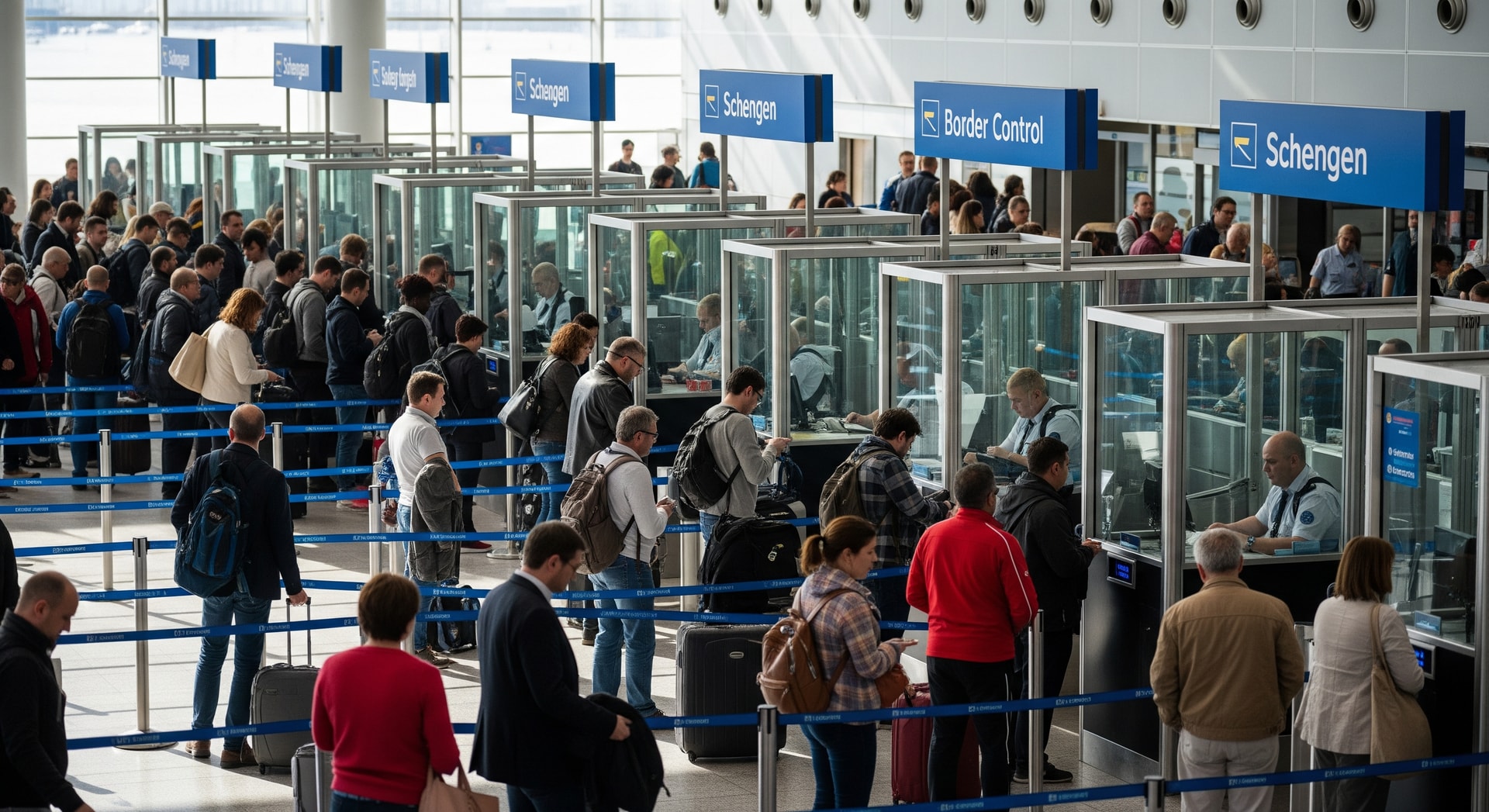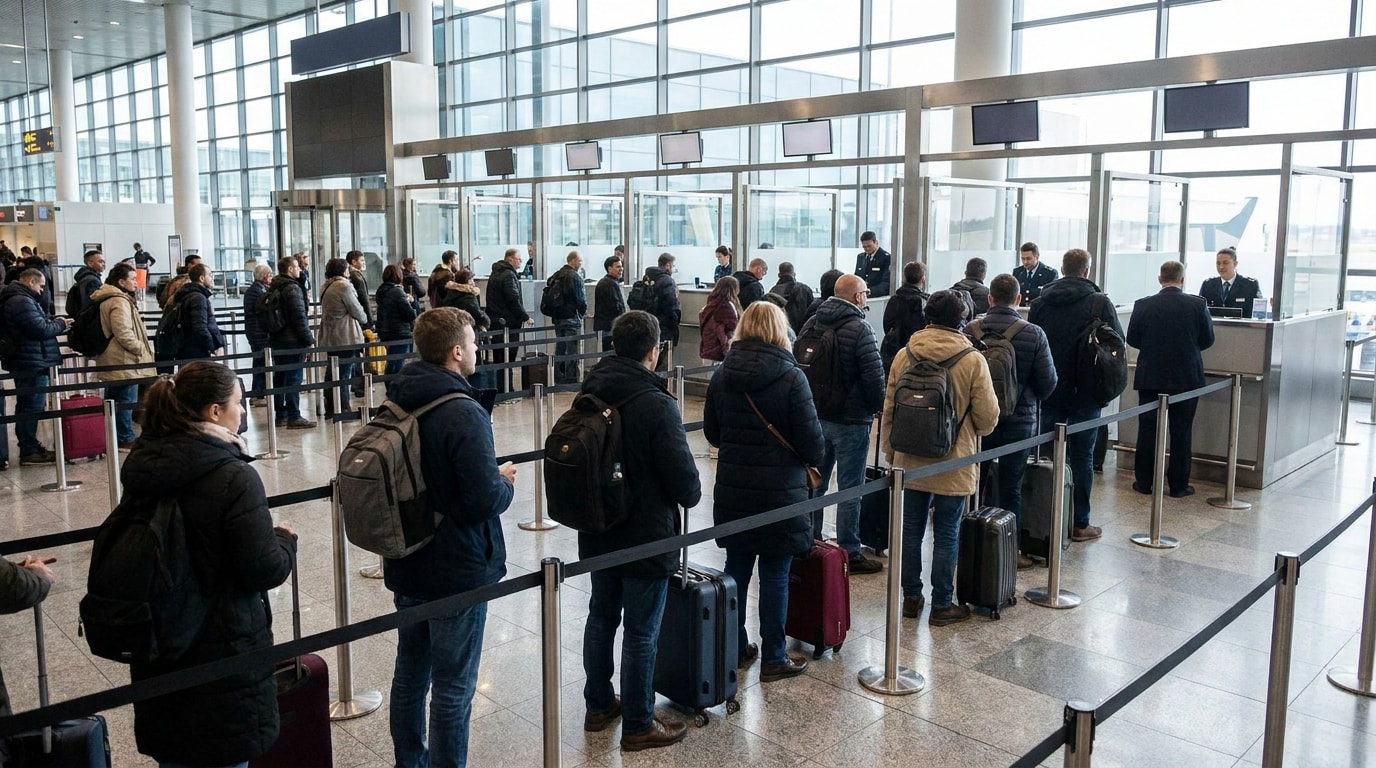
ABTA has urged coordinated action on the EES rollout after members reported inconsistent use of contingency measures and ongoing border delays.
Summary: ABTA has called for coordinated action over the EES rollout, warning that inconsistent use of contingency measures across participating states has produced mixed passenger experiences and avoidable delays at passport control.
ABTA has written to the European Commissioner for Internal Affairs and Migration to raise concerns about the EES rollout, citing reports from members of inconsistent contingency use and ongoing border delays. The travel association says the European Commission must improve communication and oversight as the Entry/Exit System is introduced.
ABTA raises concerns after member feedback
In a letter sent on 4 February, ABTA Chief Executive Mark Tanzer referenced a reminder issued by a Commission spokesperson on 30 January to the 29 European countries participating in the Entry/Exit System (EES) about contingency measures designed to prevent long delays at passport control. ABTA says feedback from its travel company members shows uneven application of those measures across different border points.
What the Commission has been told
ABTA urged the European Commission to ensure clear, consistent communication about contingency rules to member states and frontline border staff, so those teams understand when and how temporary measures can be applied to ease queues. The association also asked the Commission to keep the rollout under close review as passenger volumes rise toward busier travel periods.
“The ambition of a project like EES means it was never going to go completely smoothly, and we were prepared for that. However, what is frustrating is that border authorities have it within their power to ease queues and deal with issues as they arise – but that doesn’t seem to be happening across the board,” Tanzer said.
“As the rollout expands and we head towards peak travel periods, we’re urging border authorities to plan for busy periods and use the contingency measure available. It’s critical the Commission keeps a close eye on this throughout the rollout and beyond.”
How the contingency framework works
Under the contingency rules, border authorities may temporarily stand down the EES or restrict the number or scope of electronic checks to avoid long queues and major disruption. A Commission spokesperson has indicated additional contingency options may be available during the busy summer travel season.
- Letter from ABTA to Commissioner Magnus Brunner sent on 4 February
- Commission reminder issued 30 January to 29 participating countries
- EES expected to be fully operational from 9 April
- Contingency measures may continue to be used through the summer
- Passenger experiences so far: from smooth processing to delays and technical issues
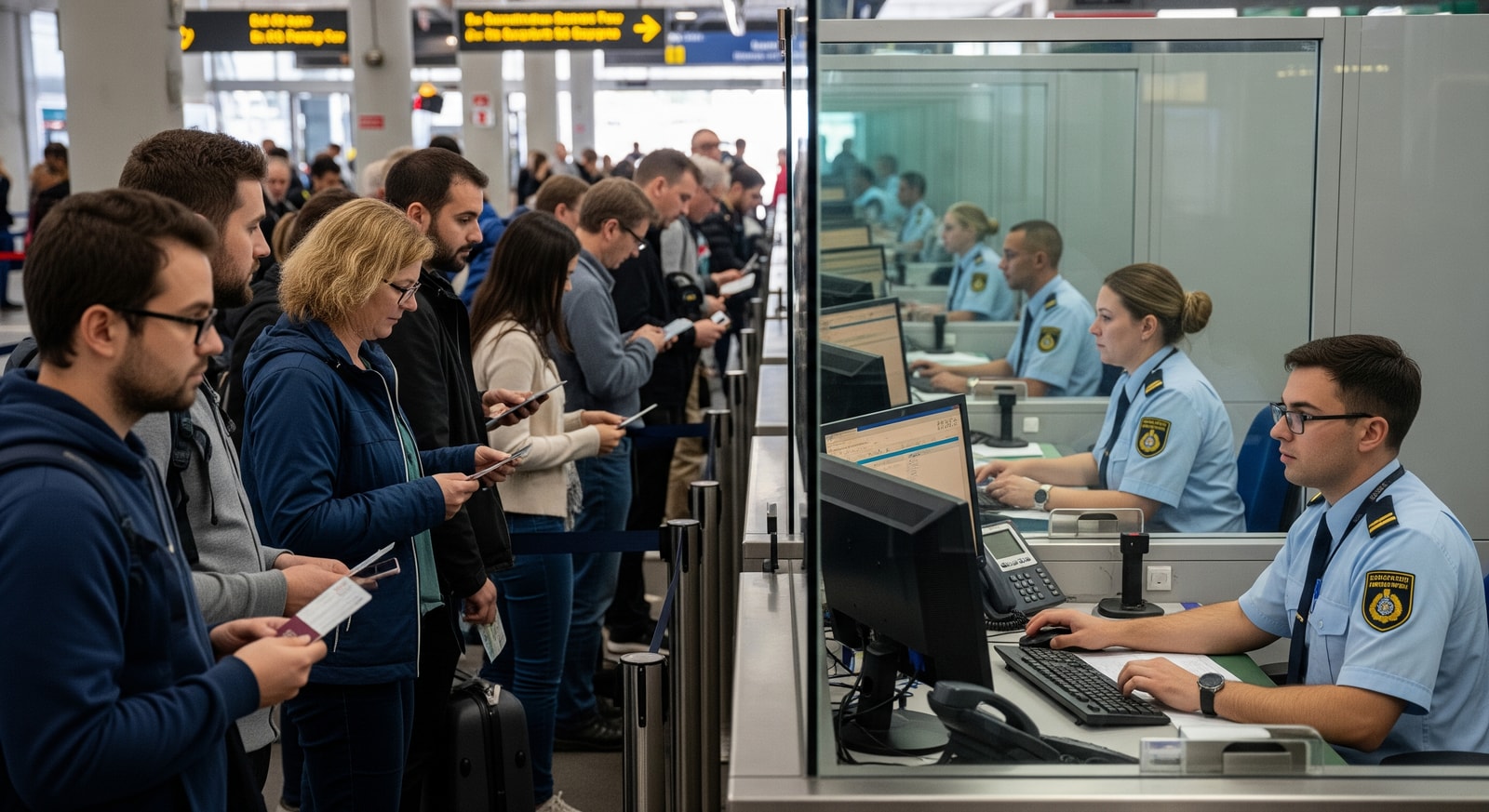
Mixed passenger experiences and operational advice
ABTA reports travel companies have observed a range of experiences since EES began to be used: some travellers have been processed without issue, while others have faced delays or technical problems at passport control. The association recommends that destinations and border authorities improve planning for peak times, including deploying extra border staff when needed.
A Commission spokesperson, answering a question from a French journalist, confirmed contingency options may be applied throughout the busy summer season. As such, although the EES is due to be fully operational from 9 April, temporary measures could remain in use into the summer months to keep passenger flows moving.
What this means for travellers and the industry
Travellers should allow extra time for arrival procedures while EES is introduced and stay informed of updates from airlines, airports and national border authorities. For the travel industry, ABTA’s intervention highlights the need for close coordination between the Commission, member states and frontline staff to ensure contingency tools are used consistently and effectively.
So what? Inconsistent contingency use can create avoidable delays. If you’re travelling to or within Europe this year, plan for possible longer passport-control times and check official guidance before travel.
Sources