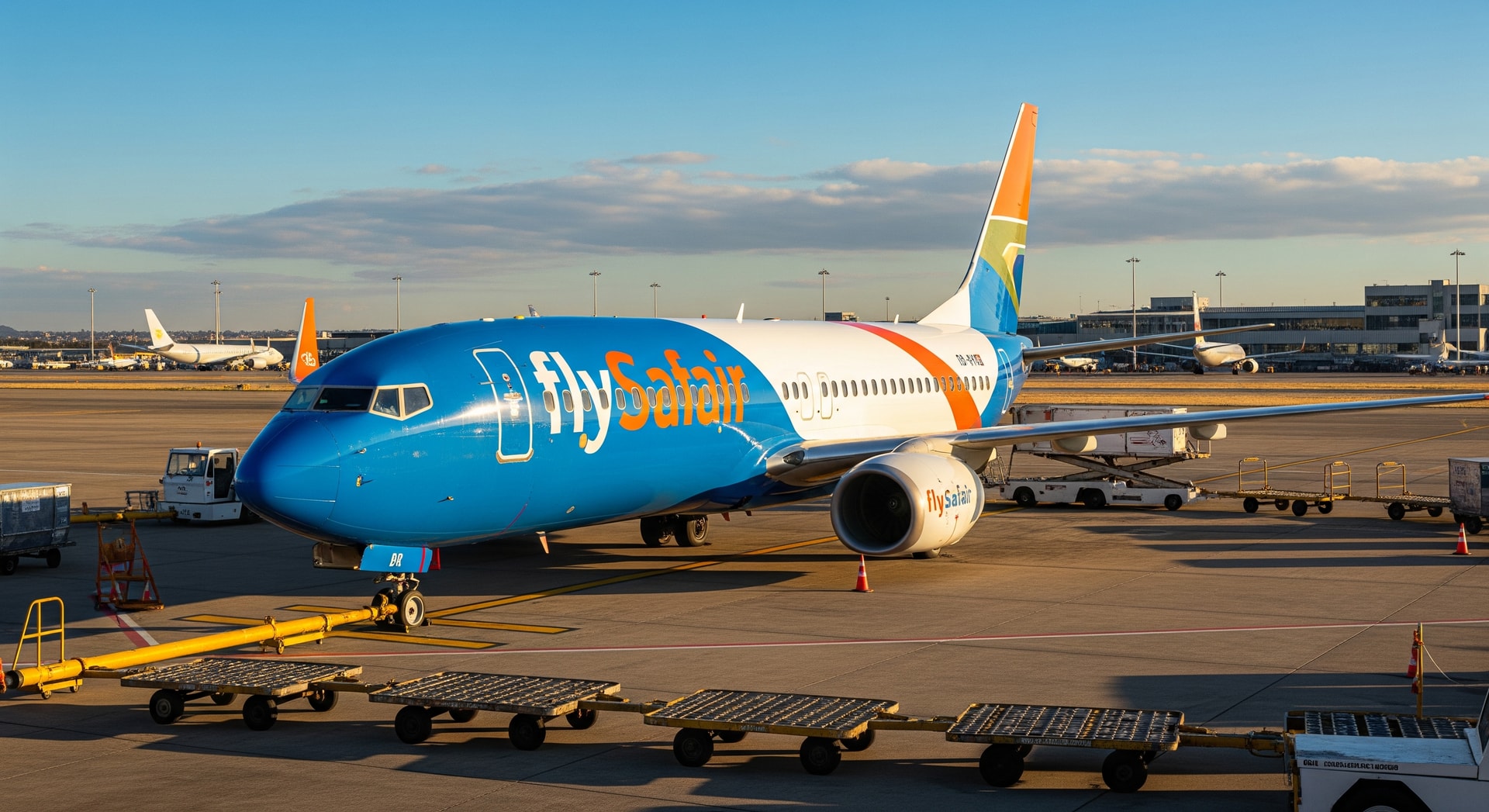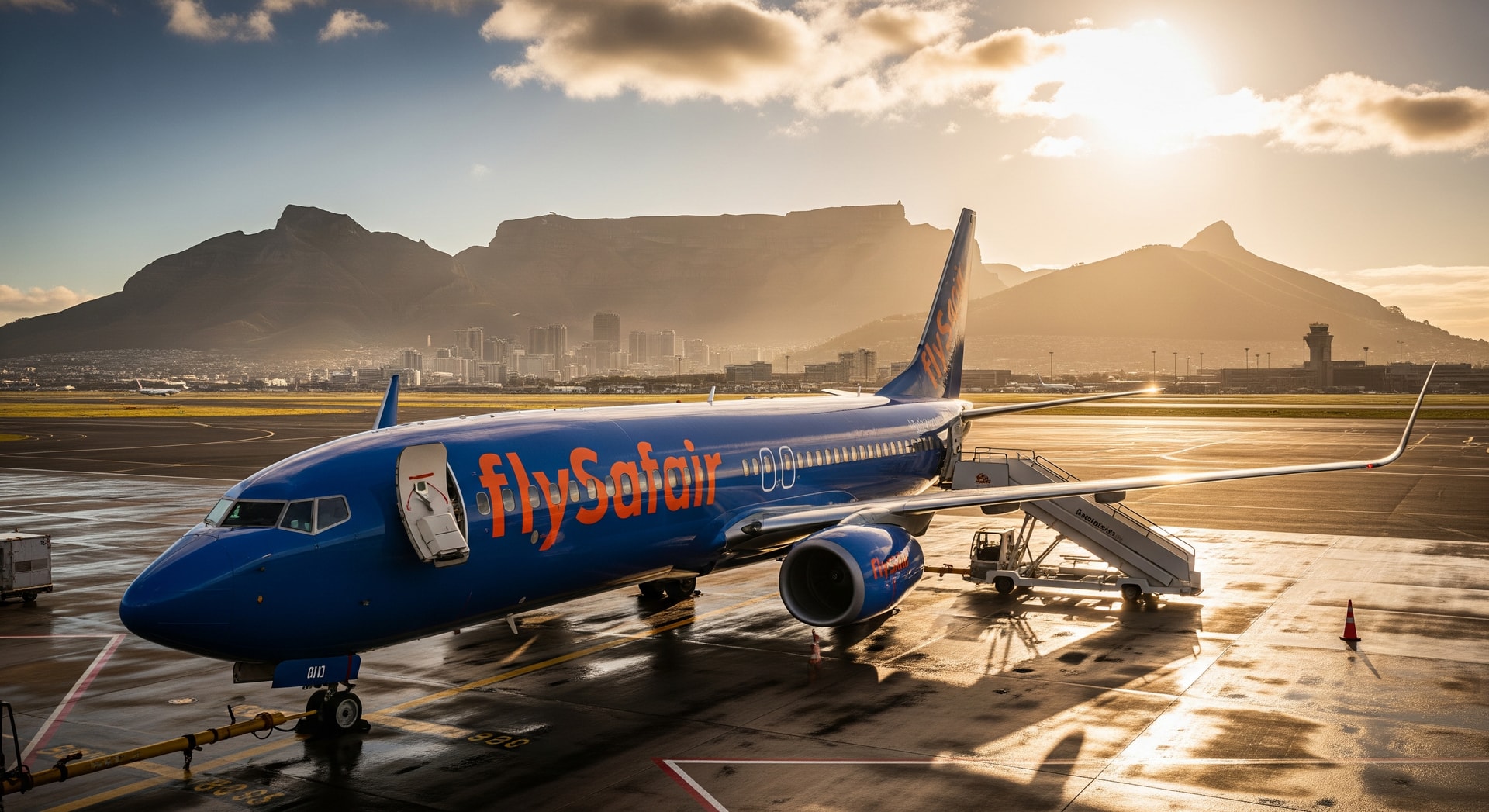
The FlySafair acquisition by Harith General Partners will make the airline fully South African-owned and aims to preserve affordable domestic travel while supporting regional growth.
Summary: Harith General Partners will purchase FlySafair from ASL Aviation Holdings, making the low-cost carrier fully South African-owned. The deal, announced on February 10, 2026, aims to remove regulatory uncertainty and support regional expansion while keeping fares and leadership stable.
The FlySafair acquisition by Harith General Partners was announced on February 10, 2026, marking a significant change for the airline that has dominated South Africa’s domestic market since its first flight in 2014. FlySafair currently controls roughly 67% of South Africa’s domestic seat capacity, and the sale returns the carrier to full South African ownership.
Deal overview
Dublin-based ASL Aviation Holdings, which helped launch and grow FlySafair, has agreed to sell the airline to Harith General Partners and related affiliates through a vehicle called Harith Aviation. ASL’s move follows more than a decade during which the carrier expanded from three aircraft to a fleet of 39 Boeing 737s.
For ASL, the sale represents an organised exit after guiding FlySafair’s rapid growth. For Harith — which manages over $3 billion in assets and already holds a stake in Lanseria International Airport — acquiring the airline forms part of a broader strategy to build an integrated transport platform across Africa.
The changing of the guard
ASL framed the transfer as a handover to a local investor committed to the airline’s future in South Africa and beyond. The announcement used a memorable phrase to characterise the move.
passing the baton
Harith sees FlySafair as a strategic addition that complements its transport investments and supports ambitions to link different modes of travel across the continent. The firm has described the carrier as the "missing link" in its vision for a pan-African transport ecosystem.
Resolving ownership questions
The transaction also addresses prior regulatory concerns. In 2024 and early 2025, South Africa’s Air Services Licensing Council raised issues suggesting FlySafair might not meet the 75% South African ownership requirement for domestic carriers. The airline used trust structures to satisfy rules, but the council’s findings created uncertainty.
Moving to full South African ownership under Harith simplifies the regulatory position and cements FlySafair’s status as a locally owned carrier—a development the airline’s management says was not driven by the council’s findings but that nonetheless delivers a clearer compliance path.
What this means for passengers
Both parties have pledged continuity for travellers. Existing management will remain in place, the airline’s low-cost model will continue, and Harith’s longer-term capital could support expansion into additional African markets without pushing up fares.
- Market share: Roughly 67% of South Africa’s domestic seats are supplied by FlySafair
- Fleet: Expanded from 3 aircraft at launch to 39 Boeing 737s
- Passengers carried: Over 54 million since inception
- Fare impact: FlySafair has cut fares by as much as 32% on some routes
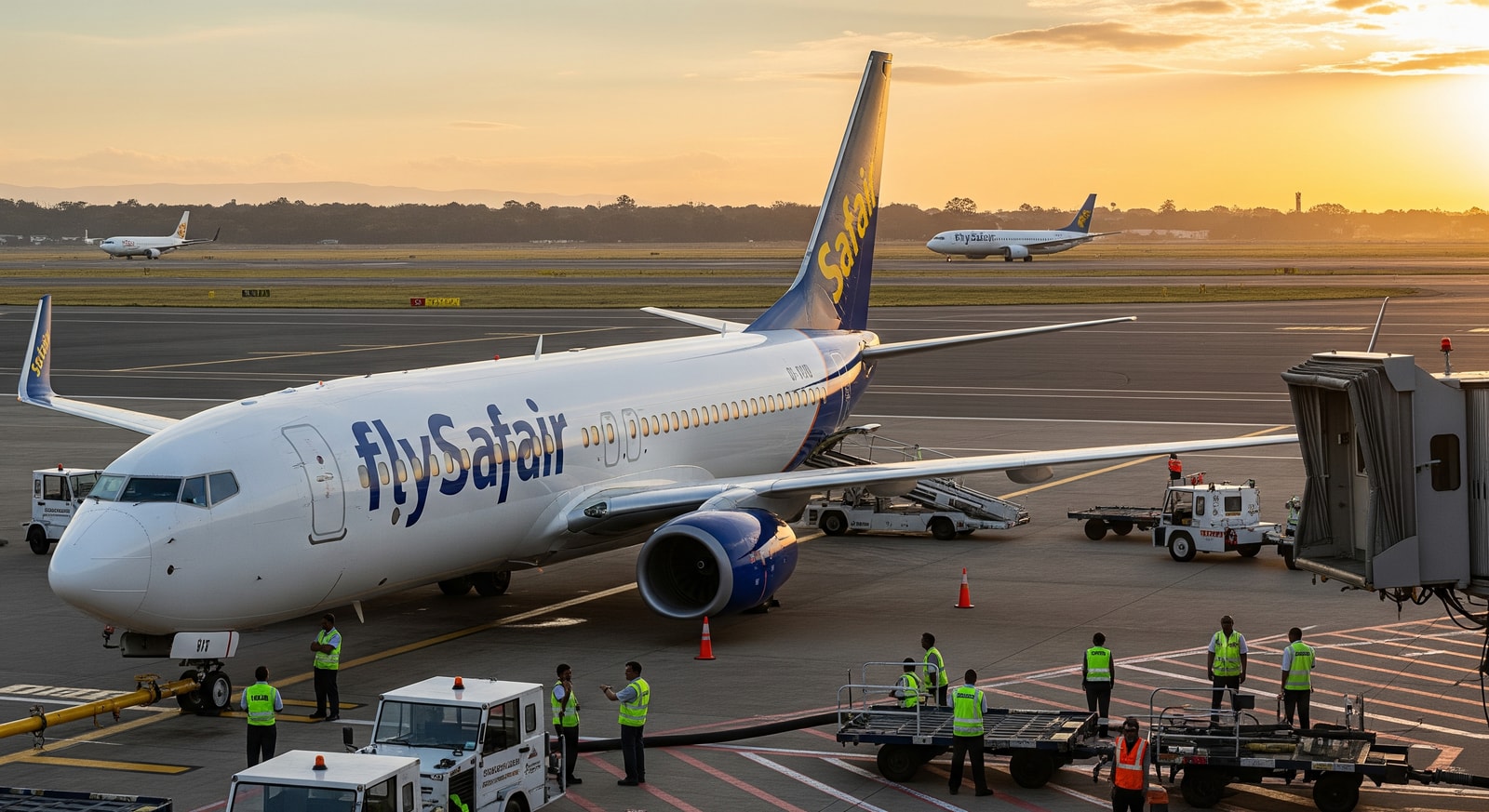
Next steps and timeline
The acquisition must clear routine approvals from the Competition Commission and aviation regulators, with formal completion expected by the fourth quarter of 2026. Until then, FlySafair will continue normal operations and customer-facing services without interruption.
FlySafair represents exactly the kind of African success story we seek to back: a well-run, resilient business delivering real economic value every day.
So what? For travellers, the transaction signals stability: lower-cost domestic travel is likely to remain available, management will stay the same, and route choice may expand as Harith supports regional growth. For the industry, the deal is a vote of confidence in African aviation, showing private capital willing to invest in integrated transport infrastructure and local airline ownership.
Sources