
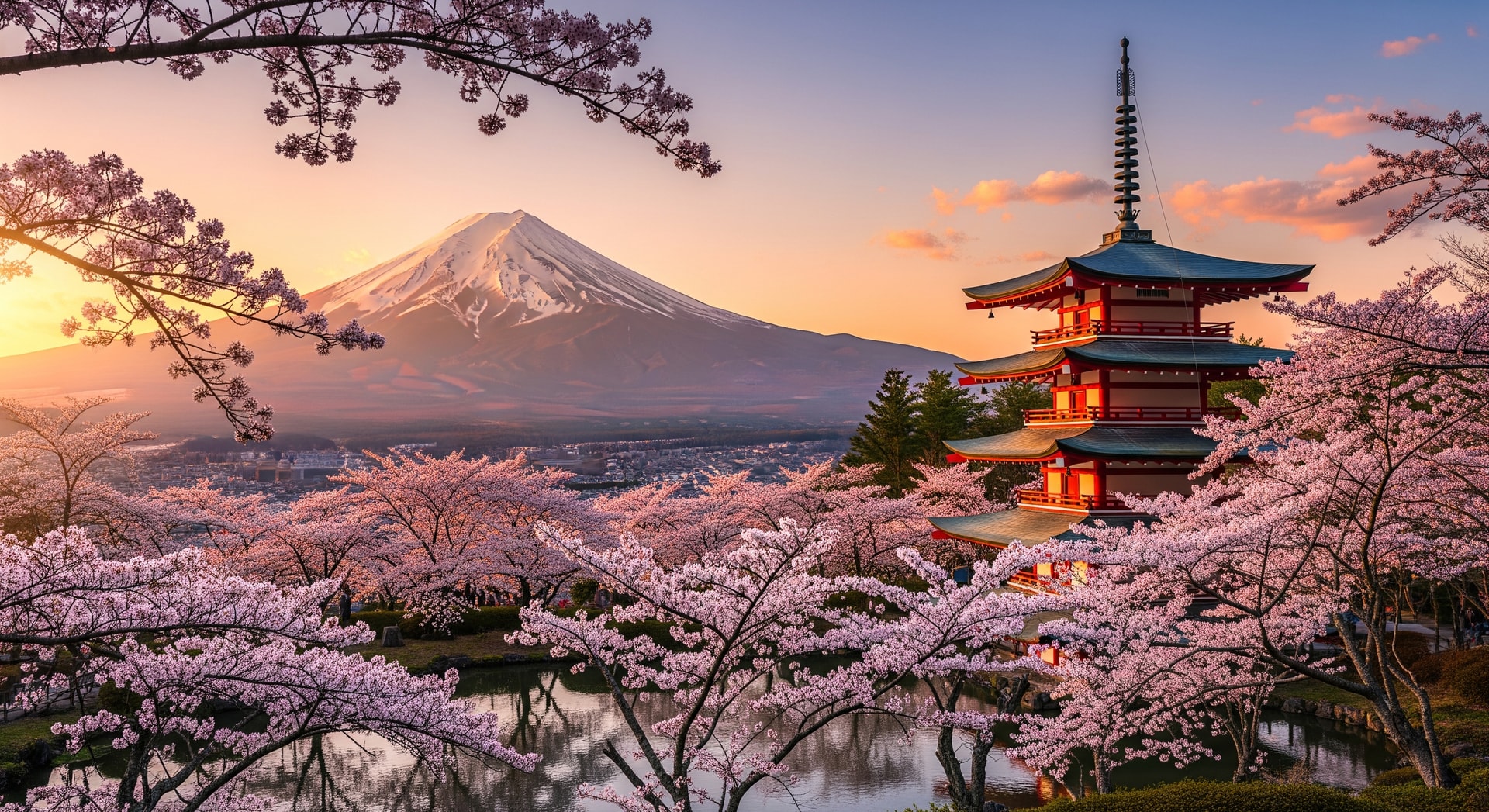
Japan is a country where ancient traditions seamlessly blend with cutting-edge technology — where centuries-old temples stand beside neon-lit skyscrapers, where geisha and robots coexist, and where every meal is a work of art. From the electric energy of Tokyo to the serene beauty of Kyoto's golden pavilions, from the powder snow of Hokkaido to the tropical beaches of Okinawa, Japan offers experiences that captivate every type of traveler.
The Japan eVisa system has made visiting this extraordinary country easier than ever before. No more lengthy embassy appointments or mailing your passport — now you can apply online from anywhere in the world and receive your visa electronically. Whether you're dreaming of cherry blossom season in spring, autumn leaves in Kyoto, or the winter illuminations of Tokyo, DoVisa makes your Japanese adventure possible with our streamlined eVisa application process.
This comprehensive guide covers everything you need to know about obtaining a Japan eVisa in 2026, including eligibility requirements, application steps, costs, processing times, and insider tips to help you explore one of the world's most fascinating destinations.
What is the Japan eVisa?
The Japan eVisa (Electronic Visa) is an online travel authorization that allows citizens of eligible countries to visit Japan for tourism, business, or visiting friends and relatives. Introduced to streamline the visa application process, the eVisa eliminates the need for in-person embassy visits and physical visa stickers in your passport. This revolutionary system has transformed how millions of travelers access one of Asia's most coveted and culturally rich destinations.
The eVisa is processed entirely online through the official Japanese government portal or authorized services like DoVisa. Once approved, you receive an electronic visa that is linked to your passport electronically. Simply print the approval confirmation and present it along with your passport at immigration upon arrival in Japan. The entire process can be completed from your home in just a few minutes, saving you the hassle of embassy appointments, courier services, and the anxiety of mailing your passport to unknown locations.
Japan's eVisa system represents a significant modernization of the country's visa procedures, aligning Japan with other tech-forward nations that have embraced digital travel documentation. This evolution makes it easier than ever for international tourists to experience Japanese culture, cuisine, and natural beauty. Whether you're planning to explore the bustling streets of Tokyo, meditate in Kyoto's zen gardens, ski the legendary slopes of Niseko, soak in traditional onsen hot springs, or witness the perfect symmetry of Mount Fuji at sunrise, the eVisa is your gateway to Japan.
The Japanese government introduced the eVisa to handle the growing number of tourists while maintaining rigorous security standards. The system uses advanced verification technology to authenticate documents and cross-reference traveler information, ensuring a secure yet efficient process. This digital approach also allows for faster processing times compared to traditional paper visas, which often required weeks of waiting.
Japan eVisa at a Glance
Validity: Up to 3 months from issue date
Maximum stay: 15-90 days depending on nationality
Entry type: Single or multiple entry available
Processing time: 5-7 business days typically
Purpose: Tourism, business, visiting friends/family
Application: 100% online process
Cost: Varies by nationality (some free)
Entry ports: All international airports and seaports
Who Can Apply for Japan eVisa?
The Japan eVisa is available to citizens of many countries, though Japan also has extensive visa-free arrangements with numerous nations. Understanding which category you fall into is the first step in planning your unforgettable Japanese adventure. Check your nationality against the eligibility lists below to determine your requirements.
- eVisa eligible: Citizens of countries that require a visa but can apply online, including China, India, Philippines, Vietnam, Indonesia, and many others
- Visa-free: Citizens of 68+ countries can enter Japan without any visa for short stays (including USA, UK, EU, Australia, Canada)
- Passport requirements: Valid passport with at least 6 months validity from arrival date
- Purpose of visit: Tourism, business meetings, conferences, visiting friends/family, cultural activities
- Criminal history: Those with certain criminal records may be denied entry regardless of visa status
- Previous overstays: Prior immigration violations in Japan may affect eligibility
Check Before You Apply
Many Western countries (USA, UK, EU, Australia, Canada, etc.) don't need any visa for short tourist visits to Japan. Use our visa checker to confirm whether you need an eVisa or can enter visa-free. Applying for an unnecessary visa wastes time and money!
Visa-Free Countries for Japan
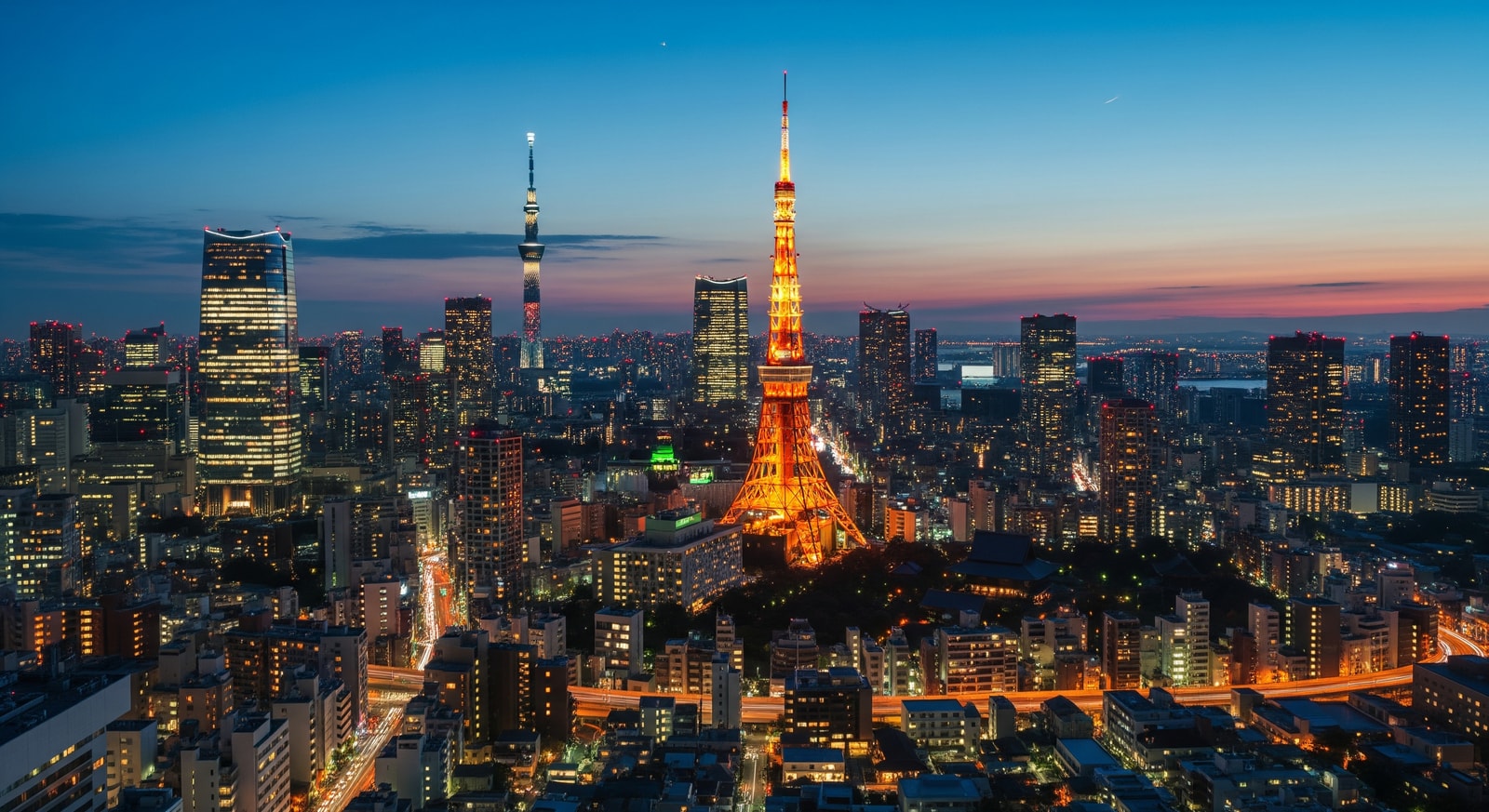
Japan has visa exemption agreements with over 68 countries around the world. Citizens of these fortunate nations can visit Japan for tourism without obtaining a visa in advance, making travel planning significantly easier. Here are the key visa-free arrangements currently in place:
Visa-Free Entry to Japan
| Region/Countries | Stay Duration | Notes |
|---|---|---|
| USA, Canada, Australia, New Zealand | Up to 90 days | Extendable by 90 days at immigration office |
| UK, Ireland | Up to 90 days | Extendable by 90 days |
| EU/Schengen countries | Up to 90 days | Extendable by 90 days |
| South Korea | Up to 90 days | No extension |
| Singapore, Malaysia, Thailand | Up to 15-90 days | Varies by country |
| Hong Kong, Taiwan | Up to 90 days | Taiwan residents need specific passport |
| Mexico, Brazil, Argentina | Up to 90 days | Extendable by 90 days |
All Americans need a visa for Japan
US citizens can visit Japan visa-free for up to 90 days for tourism or business. No visa application is needed — just bring your valid passport. You can even extend your stay by 90 more days at a Japanese immigration office.
Important: Visa-Free ≠ Guaranteed Entry
Even with visa-free status, entry to Japan is not guaranteed. Immigration officers can deny entry if they suspect you'll overstay, work illegally, or pose a security risk. Always have proof of onward travel, accommodation, and sufficient funds when arriving.
Requirements & Documents Needed
If you do need an eVisa for Japan, here are the requirements and documents you'll need to prepare. Gathering everything before starting your application ensures a smooth and efficient process. Missing or incomplete documentation is one of the most common reasons for delays, so take time to collect and verify each item. The good news is that most requirements are straightforward and documents you likely already have or can easily obtain.
- Valid passport with at least 6 months validity from arrival date
- Digital passport photo (recent, white background, 4.5cm x 4.5cm, JPEG format)
- Scanned passport bio page (clear, color scan)
- Travel itinerary with flight details and dates
- Accommodation details (hotel bookings or host invitation)
- Proof of sufficient funds (bank statement, credit card)
- Employment verification or proof of student status
- Credit/debit card for online fee payment
- Valid email address for visa delivery
- For business: Invitation letter from Japanese company
- For visiting family: Letter from host in Japan
Photo Requirements for Japan eVisa
Japan has specific photo requirements that must be followed precisely. Photos that don't meet these specifications are a common reason for application delays.
- Dimensions: 4.5cm x 4.5cm (45mm x 45mm)
- Background: Plain white or off-white
- Face coverage: Head and shoulders visible, face 70-80% of frame
- Expression: Neutral expression, mouth closed
- Eyes: Open and clearly visible, no glasses
- Head covering: Not allowed except for religious reasons
- Recency: Taken within the last 6 months
- Quality: Sharp focus, good lighting, no shadows
I can use my existing passport photo for the eVisa
Japan's photo requirements differ from many countries. Japanese visa photos are 4.5x4.5cm (square), while US passport photos are 2x2 inches. Using the wrong size will cause delays. Take a new photo specifically for your Japan eVisa application.
How to Apply: Step-by-Step Guide
The Japan eVisa application process is straightforward when you follow these steps carefully. The entire application can typically be completed online in about 20-30 minutes if you have all documents ready.
- Verify eligibility: Use our visa checker to confirm you need an eVisa (many nationalities qualify for visa-free entry). Check that your purpose of visit qualifies for the eVisa category.
- Gather documents: Prepare your passport, digital photo (4.5x4.5cm), passport scan, travel itinerary, accommodation details, and financial documents.
- Start application: Visit DoVisa or the official Japan eVisa portal. Create an account and begin a new application.
- Select visa type: Choose 'Tourism,' 'Business,' or 'Visiting Friends/Family' based on your primary purpose of travel.
- Enter personal details: Fill in your full name exactly as it appears in your passport, date of birth, nationality, and contact information.
- Provide passport information: Enter passport number, issue date, expiry date, and issuing country. Triple-check this information — errors cause rejections.
- Add travel details: Enter your intended arrival date, departure date, flight information, and places you plan to visit in Japan.
- Upload documents: Upload your passport-style photo and passport bio page scan according to specifications.
- Complete employment section: Provide details about your current employment, including employer name, address, and your position.
- Review everything: Carefully check all entered information against your passport and travel documents.
- Pay the fee: Complete payment via credit card, debit card, or other accepted methods.
- Submit application: Submit and note your application reference number for tracking.
- Wait for processing: Standard processing takes 5-7 business days. Check status online using your reference number.
- Receive eVisa: Once approved, download your eVisa and print at least two copies for travel.
Pro Tip: Apply 2-3 Weeks Early
Although processing is typically 5-7 days, we recommend applying at least 2-3 weeks before travel. This allows buffer time for any additional document requests or peak season delays, especially during cherry blossom season (March-April) and autumn leaves (October-November).
Unique Japanese Experiences to Include in Your Itinerary
Japan offers countless unique experiences that you won't find anywhere else in the world. When planning your trip, consider including some of these quintessentially Japanese activities that make the country so special for visitors.
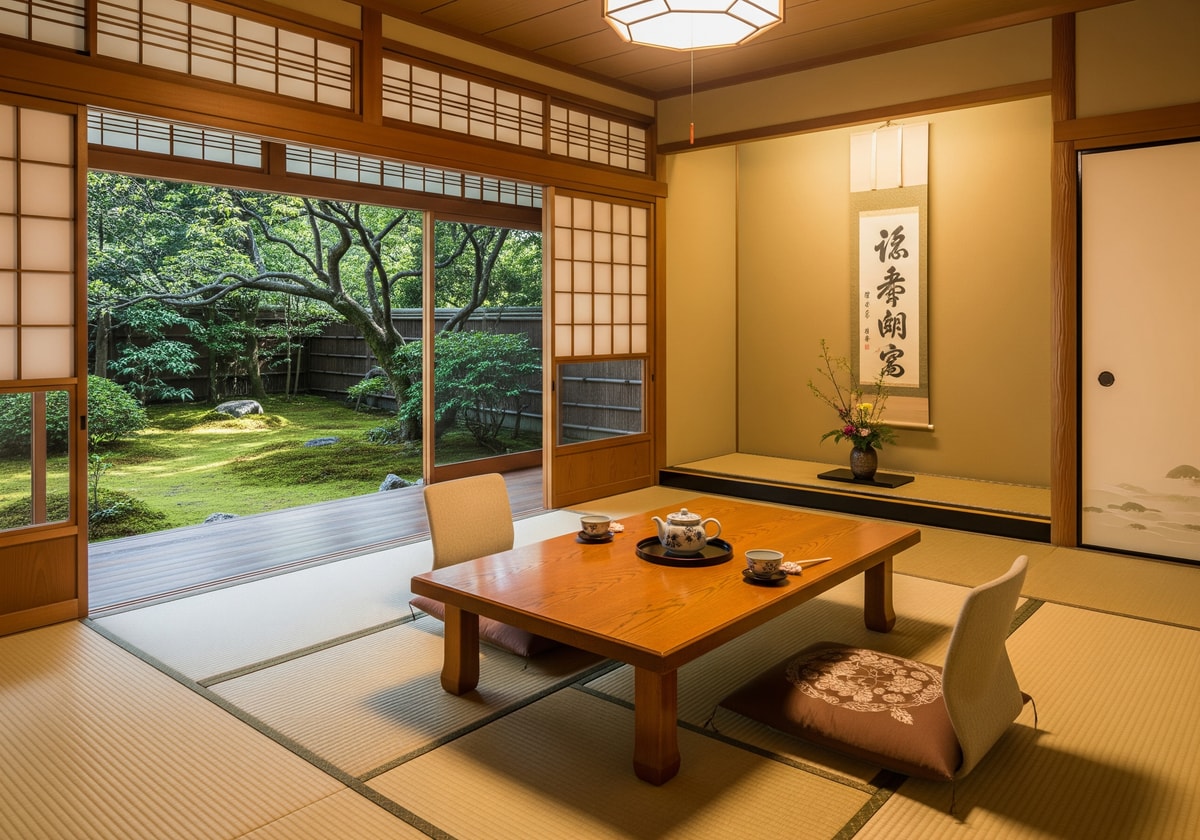
Stay at a Traditional Ryokan: These Japanese inns offer tatami-matted rooms, futon bedding, kaiseki multi-course dinners, and often private or communal onsen (hot spring) baths. Sleeping on a futon, wearing a yukata robe, and experiencing traditional Japanese hospitality provides insight into the country's heritage that hotels simply cannot match. Popular ryokan destinations include Hakone, Kyoto, and Takayama.
Experience a Japanese Tea Ceremony: The art of preparing and serving matcha green tea has been practiced for centuries and embodies Japanese aesthetics of simplicity, mindfulness, and attention to detail. Many temples in Kyoto and cultural centers throughout Japan offer tea ceremony experiences for visitors, ranging from casual introductions to more formal multi-hour sessions.
Visit Robot Restaurant or TeamLab: On the opposite end of the spectrum, Japan's futuristic attractions showcase the country's love of technology and innovation. TeamLab's digital art museums in Tokyo and other cities create immersive, Instagram-worthy experiences that blur the line between art and technology. These attractions represent modern Japan at its most creative.
Explore Japanese Gardens: From the famous Kenroku-en in Kanazawa to Kyoto's countless temple gardens, Japanese garden design represents centuries of horticultural artistry. These spaces are designed to be meditative, with carefully placed rocks, pruned trees, and flowing water creating miniature landscapes that change beautifully with each season.
Ready to Apply for Your Japan eVisa?
Costs & Processing Time
Japan eVisa fees vary based on your nationality and visa type. Some countries have fee exemption agreements with Japan, while others pay standard processing fees. The Japanese government has established different fee structures to reflect bilateral relationships and reciprocal visa arrangements with various nations. Understanding these fee categories can help you budget appropriately for your travel documentation costs.
It's important to note that visa fees are separate from DoVisa service fees. The government visa fee goes directly to Japanese immigration authorities, while our service fee covers expert document review, application guidance, status tracking, and customer support throughout the process. Many travelers find the peace of mind and time savings well worth the additional investment, especially for complex applications or first-time visitors unfamiliar with Japanese visa requirements.
Japan eVisa Fee Structure
| Visa Type | Standard Fee | Processing Time |
|---|---|---|
| Single Entry (Short Stay) | ~$25-30 USD | 5-7 business days |
| Multiple Entry | ~$50-60 USD | 7-10 business days |
| Transit Visa | ~$7 USD | 5-7 business days |
| Fee-Exempt Countries | Free | 5-7 business days |
Fee-Exempt Countries: Citizens of certain countries (including many ASEAN nations with bilateral agreements) may be exempt from visa fees. The exact fee for your nationality will be displayed during the application process.
Processing Speed: Standard processing is 5-7 business days, but during peak seasons (cherry blossom in spring, autumn foliage, New Year) processing may take longer due to higher volumes. Plan accordingly.
I was amazed how fast my Japan eVisa arrived — just 4 days! DoVisa's system made uploading documents so easy, and their photo tool ensured everything was the right size. Japan here I come!
Common Mistakes to Avoid
Many eVisa applications experience delays or rejections due to preventable errors. Understanding what causes these issues can save you time, frustration, and potential disruption to your travel plans. Japan's immigration authorities maintain high standards for visa applications, and attention to detail is essential for a smooth approval process. Here are the most common mistakes and how to avoid them.
Top Rejection Reasons
The three most common reasons for Japan eVisa rejection are: (1) photo not meeting Japanese specifications, (2) incomplete or inconsistent travel itinerary, and (3) insufficient proof of funds. Double-check these before submitting!
- Wrong photo size: Japan requires 4.5x4.5cm photos — different from most countries. Use DoVisa's photo tool to ensure correct dimensions.
- Passport errors: Entering passport numbers or names incorrectly. Always copy directly from your passport.
- Vague itinerary: Japan wants to see a reasonable travel plan. List specific cities and approximate dates, even if flexible.
- Missing financial proof: Bank statements should show sufficient funds for your trip (generally $100/day minimum).
- Employment gaps: Provide complete employment information; unexplained gaps raise questions.
- Applying unnecessarily: Many nationalities don't need any visa for Japan. Check eligibility first!
- Late application: Don't apply too close to your travel date. Allow at least 2 weeks buffer.
- Overstay history: Previous Japan overstays make approval very difficult. Be honest in your application.
If my eVisa is rejected, I can never visit Japan
A visa rejection doesn't permanently bar you from Japan. You can reapply after addressing the issues that caused the rejection. Many travelers are approved on their second application after providing additional documentation or clarifying their travel plans.
DoVisa Prevents These Errors
Our application system includes real-time validation that checks your photo dimensions, document quality, and form entries before submission. Our visa experts review every application to catch potential issues. This significantly reduces rejection rates compared to self-applications.
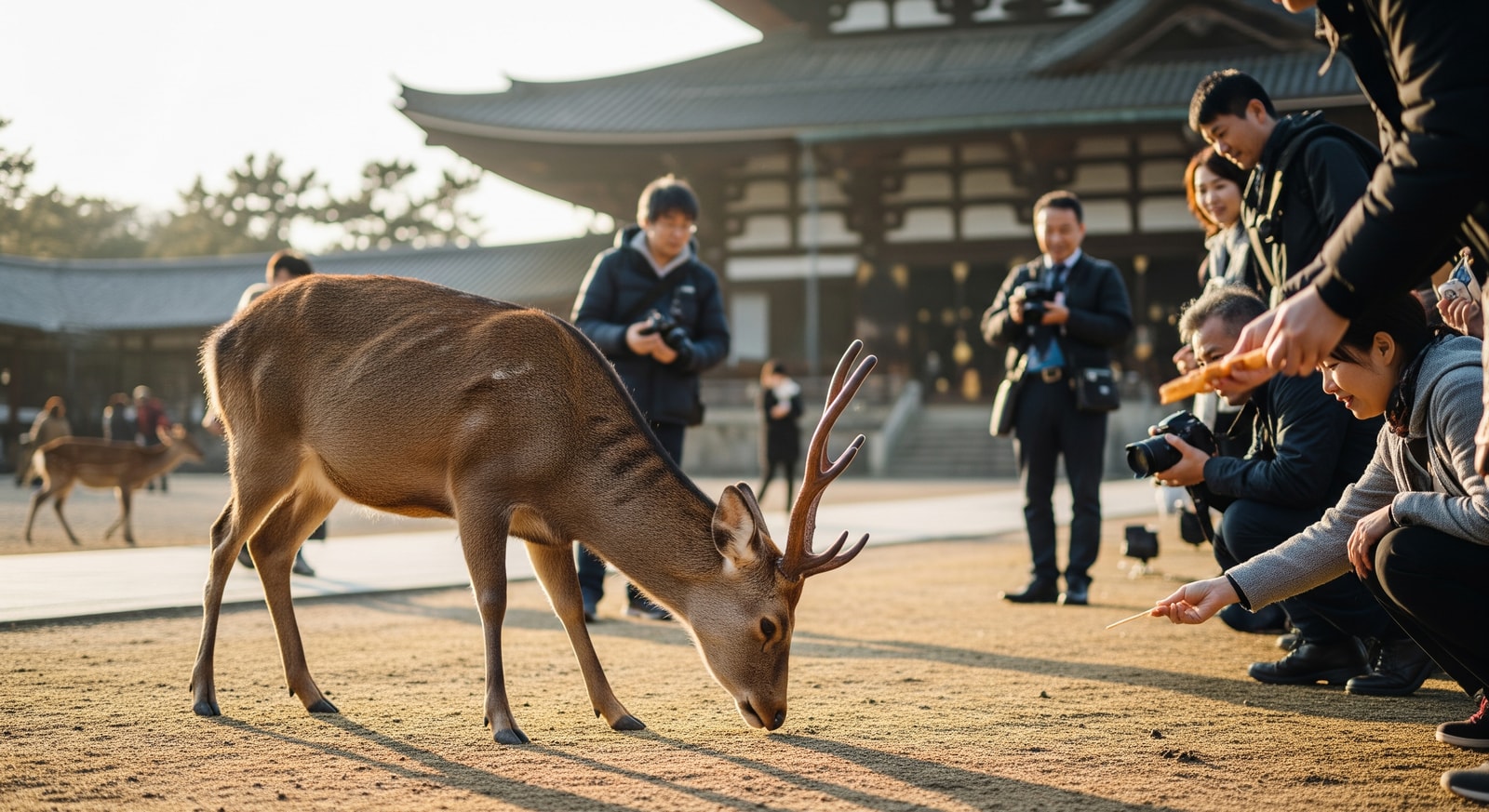
Travel Tips for Japan
Japan is an incredibly rewarding destination for prepared travelers. The country operates on efficiency, courtesy, and attention to detail — qualities that make traveling remarkably smooth once you understand the basics. From navigating the labyrinthine train systems to mastering the art of the Japanese bow, a little preparation goes a long way toward enhancing your experience.
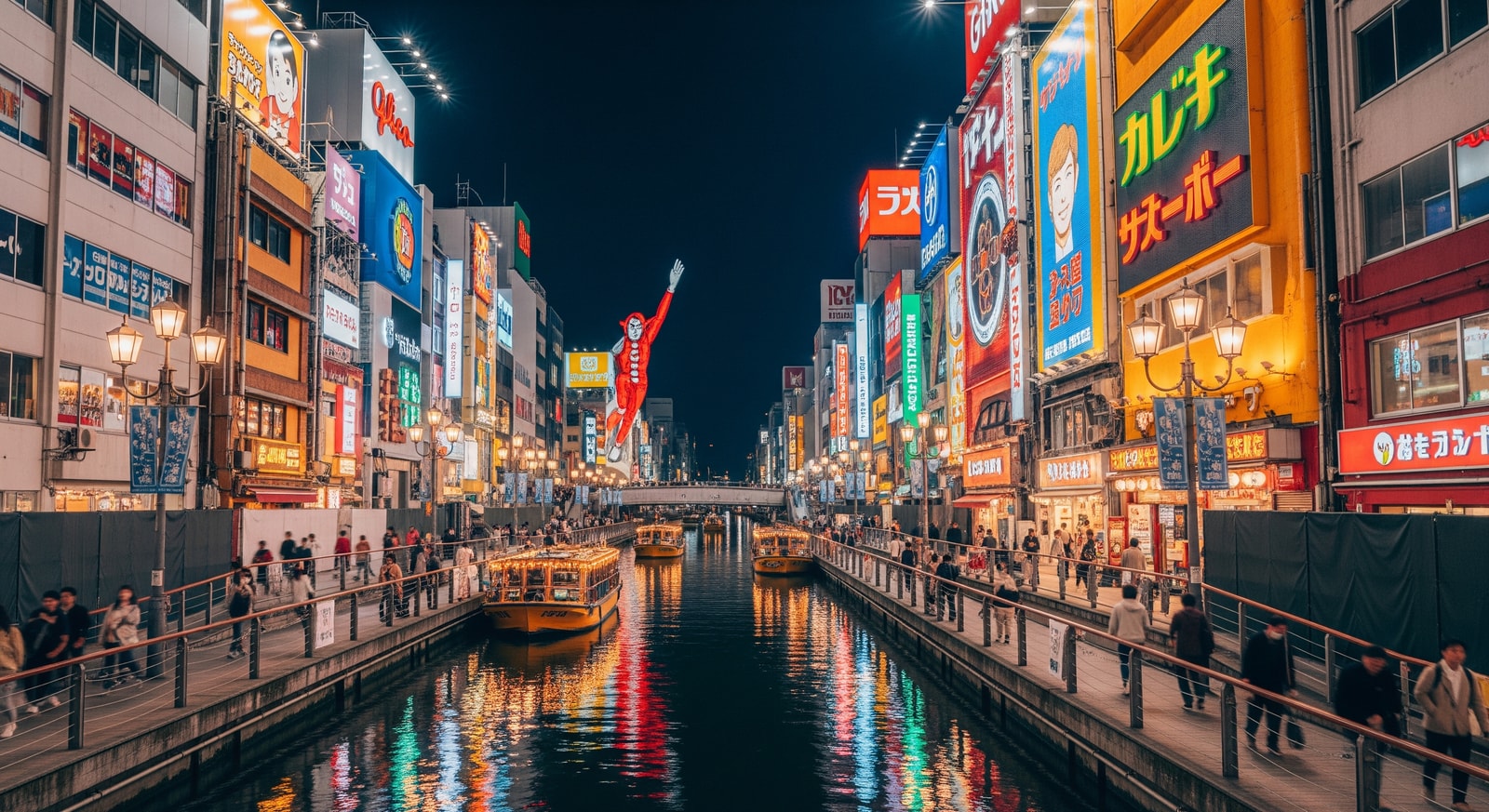
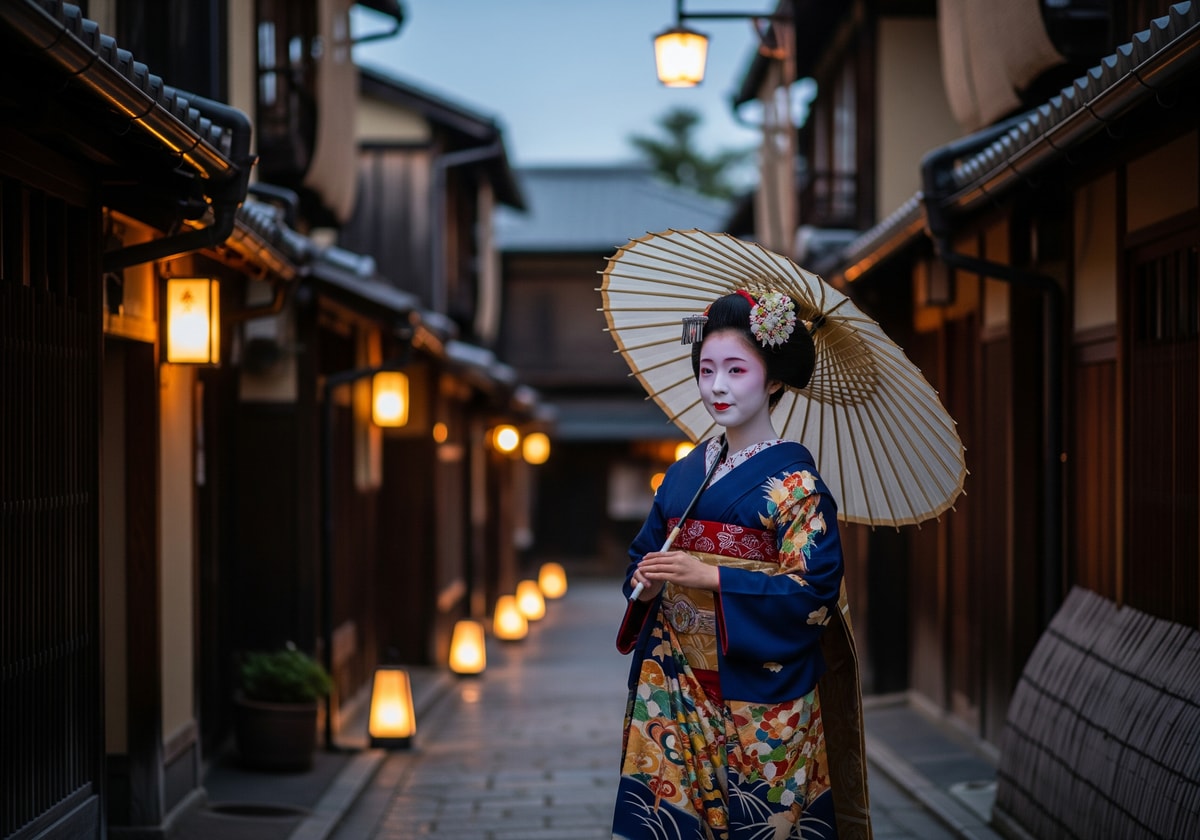
Japan seamlessly blends ultra-modern technology with ancient traditions in ways that constantly surprise visitors. You might watch a robot serve your coffee in Tokyo, then spend the next day watching a geisha perform a centuries-old tea ceremony in Kyoto. Understanding this duality helps you appreciate Japan's unique position in the world. These insider tips will help you make the most of your Japanese adventure and avoid common tourist pitfalls.
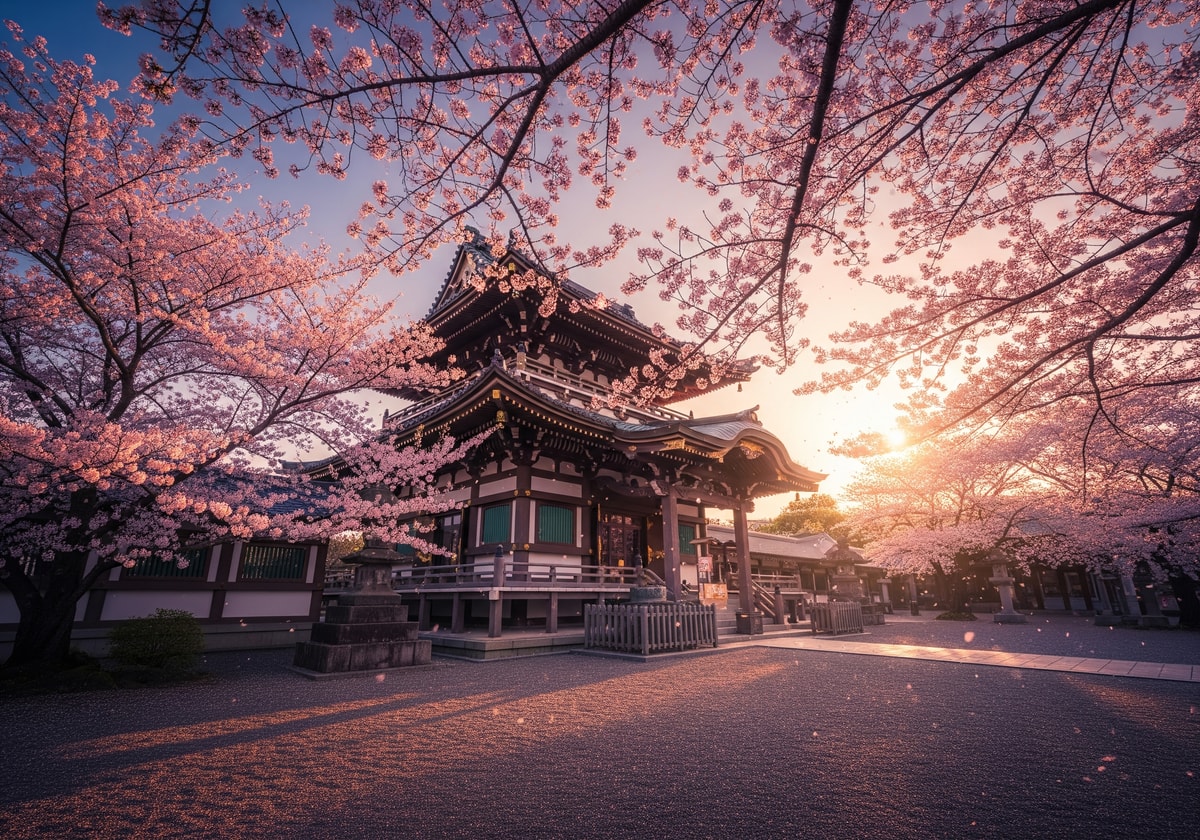
- Best time to visit: Cherry blossom season (late March-early April) and autumn colors (November) are magical but crowded. Spring (May) and autumn (October) offer great weather with fewer tourists.
- Currency: Japanese Yen (JPY). Japan is more cash-based than you might expect — always carry yen. ATMs at 7-Eleven stores accept international cards.
- Language: Japanese is the official language. English is limited outside major tourist areas. Download Google Translate with offline Japanese for emergencies.
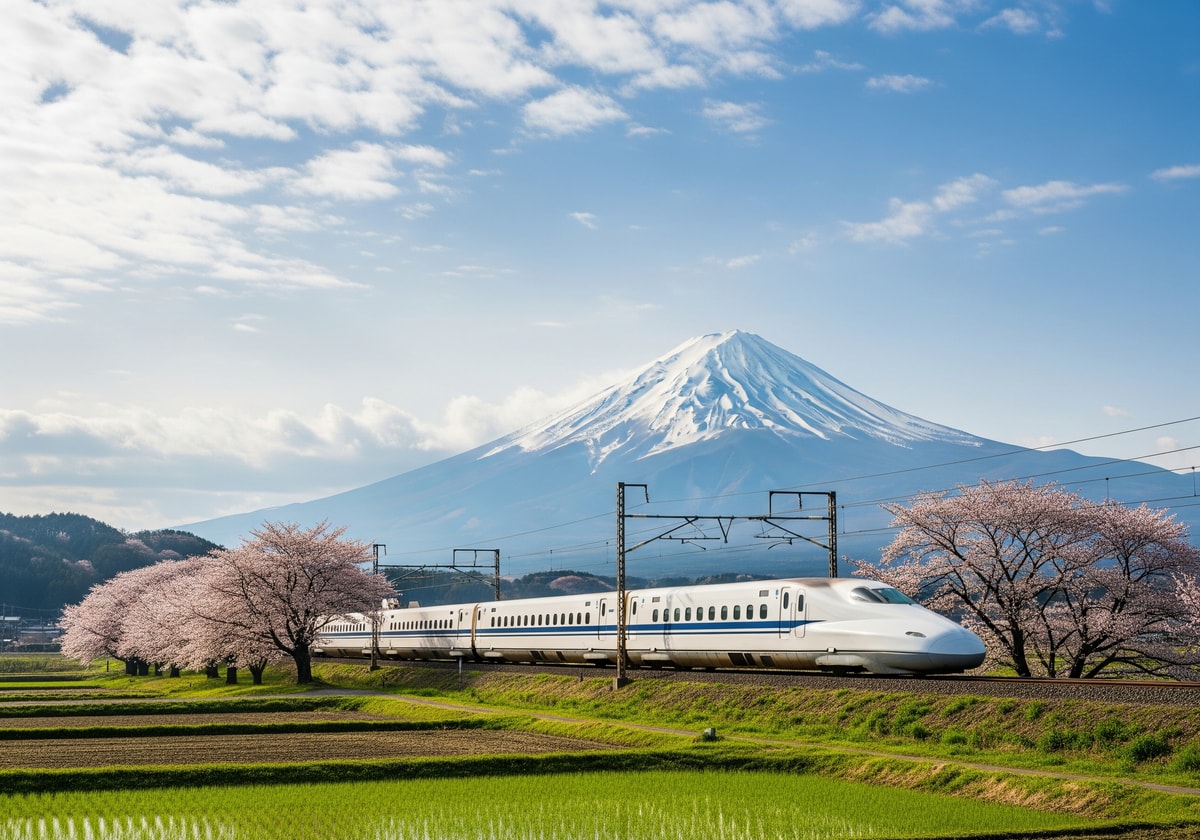
- JR Pass: The Japan Rail Pass offers unlimited travel on JR trains including most Shinkansen (bullet trains). Purchase before arrival — it's only available to tourists.
- Getting around: Trains are incredibly punctual. Get a Suica/Pasmo IC card for seamless travel on trains, subways, and buses.
- Etiquette: Remove shoes when entering homes, temples, and some restaurants. Don't eat while walking. Bow when greeting. Don't tip — it's not customary.
- Must-see highlights: Tokyo (Shibuya, Shinjuku, temples), Kyoto (Fushimi Inari, Kinkaku-ji), Osaka (food!), Hiroshima (Peace Memorial), Mount Fuji
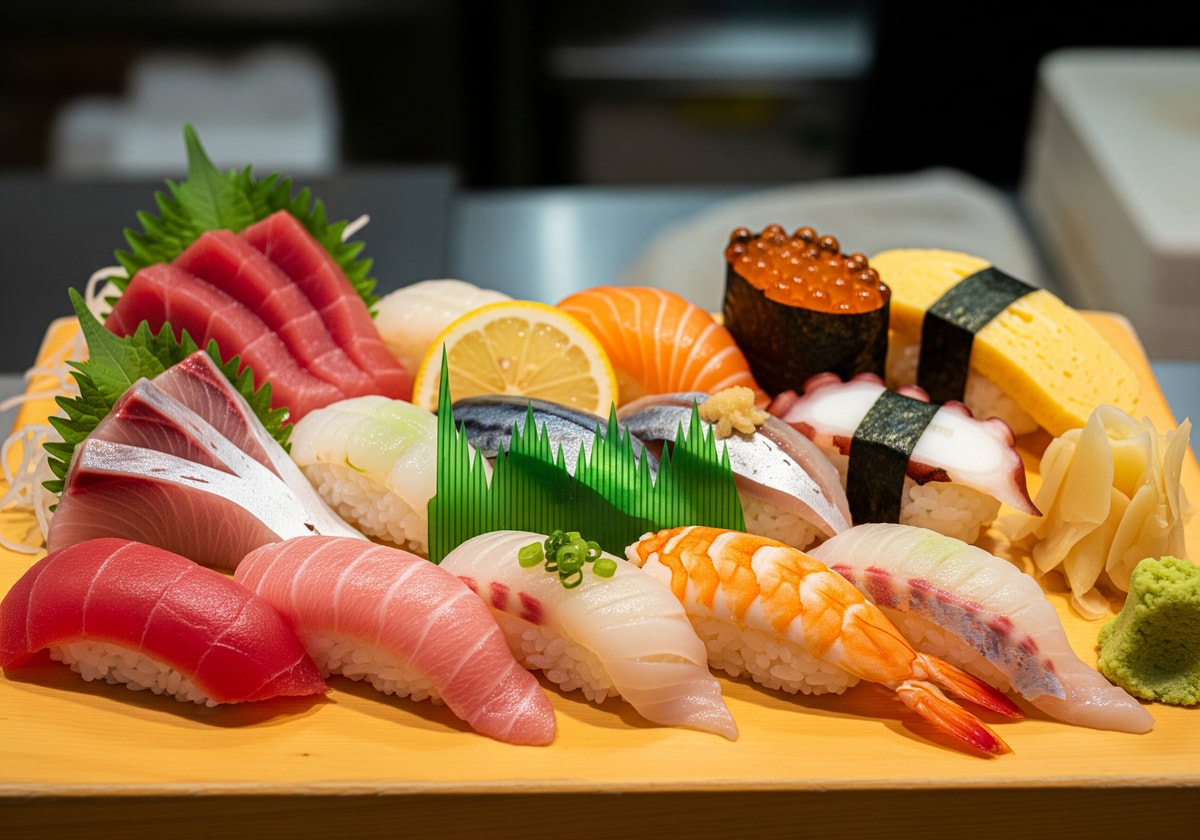
- Food: Try everything! Sushi, ramen, izakaya, tempura, wagyu beef, conveyor belt sushi. Food is generally safe everywhere.
- Accommodation: Book early, especially during cherry blossom and autumn seasons. Try a ryokan (traditional inn) at least once.
- Pocket WiFi: Rent a pocket WiFi device at the airport — essential for navigation and translation apps.
Japan exceeded every expectation. The politeness of people, the punctuality of trains, the beauty of temples, the incredible food — it's like nowhere else on Earth. Already planning my return trip for autumn leaves!
Why Apply with DoVisa?
Photo size verification tool (4.5x4.5cm)
Expert document review before submission
Real-time application tracking
Fast processing assistance
24/7 multilingual customer support
Secure PCI-compliant payments
Visa approval guarantee
Trusted by thousands of Japan travelers
Frequently Asked Questions
Do US citizens need a visa for Japan?
How long does Japan eVisa processing take?
Can I extend my stay in Japan?
What is the Japan Rail Pass and should I get one?
Is Japan expensive to visit?
What's the best time to visit Japan?
Do I need to book hotels in advance?
Is it safe to travel to Japan?
Can I use credit cards in Japan?
How much cash should I bring to Japan?
What if my Japan eVisa application is rejected?
Do I need travel insurance for Japan?
Can I drive in Japan with my home license?
What's pocket WiFi and do I need it?
What should I know about Japanese etiquette?
Is Japan good for vegetarians/vegans?
What vaccinations do I need for Japan?
Can I visit Japan with a criminal record?
How early should I arrive at the airport for my Japan flight?
What happens at Japanese immigration when I arrive?
Can I work in Japan on a tourist visa or visa-free entry?
What should I pack for Japan?
Ready to Experience Japan?
Japan offers a travel experience unlike anywhere else on Earth — a unique fusion of ancient traditions and futuristic innovation, where every moment surprises and delights. From the meditative calm of a Kyoto zen garden to the sensory overload of Tokyo's Shibuya crossing, from the culinary perfection of a sushi master to the natural beauty of cherry blossoms framing Mount Fuji, Japan creates memories that last a lifetime.
The country rewards both first-time visitors and repeat travelers with endless discoveries. Each region offers distinct experiences: Hokkaido's pristine wilderness and world-class skiing, Tohoku's traditional festivals and rural charm, Kanto's urban excitement in Tokyo and historic significance of Kamakura, Kansai's cultural treasures in Kyoto, Osaka, and Nara, Hiroshima's powerful peace memorials, Shikoku's ancient pilgrimage routes, Kyushu's volcanic landscapes and hot springs, and Okinawa's tropical paradise. No matter how many times you visit, Japan always has something new to reveal.
The Japanese concept of 'omotenashi' — wholehearted hospitality — means visitors are treated with exceptional care and attention throughout their journey. From the moment you clear immigration to your departure, you'll experience a level of service and consideration that sets Japan apart from virtually any other destination in the world. Train conductors bow when entering carriages, shopkeepers wrap purchases with artistic precision, and hotel staff anticipate your needs before you even ask.
Whether you need an eVisa or qualify for visa-free entry, DoVisa is here to help you navigate the requirements and prepare for your journey. Our platform simplifies the application process with expert document review, real-time tracking, and dedicated support. Check your visa requirements using our tool, apply with confidence, and start planning your Japanese adventure today!
Yokoso (Welcome) to Japan! Your adventure in the Land of the Rising Sun awaits.
Japan
Capital: Tokyo
Currency: Japanese Yen (JPY)
Language: Japanese
Timezone: UTC+9 (JST)
Processing: 5-7 business days
Quick Facts
- Population: 125 million
- Best time to visit: March-May, October-November
- UNESCO World Heritage Sites: 25
- Power: 100V, Type A/B plugs
- Country code: +81
- Emergency: 110 (Police), 119 (Fire/Ambulance)
Get the DoVisa App
Check visa requirements, apply for your eVisa, and store travel documents — all in one place.





Comments(16)
Leave a Comment
Just returned from 3 weeks in Japan and WOW. Tokyo is overwhelming in the best way — Shibuya crossing, the food, the mix of old and new. Kyoto was pure magic. Don't skip Osaka for the food! My US passport meant no visa needed, just showed up and they stamped me in.
The JR Pass is 100% worth it if you're doing the classic Tokyo-Kyoto-Osaka route. We did Tokyo > Kyoto > Nara > Osaka > Hiroshima in 2 weeks and the pass paid for itself twice over. Book your seats on popular Shinkansen routes!
Do Indian citizens need an eVisa for Japan? The visa checker said yes but I want to confirm.
Cherry blossom season was INSANE. Book hotels 4-6 months ahead - no joke. But seeing the sakura at Philosopher's Path in Kyoto was worth every bit of planning. Japan is beautiful year-round but spring is special.
Pro tip: Get a Suica card at the airport immediately. Works on all trains, buses, convenience stores, vending machines. Made life SO much easier than buying individual tickets everywhere.
The food in Japan ruined me for Japanese food anywhere else. Tsukiji outer market at 6am for the freshest sushi of my life. Ramen in Osaka at 2am. Wagyu in Kobe. Even convenience store food is better than most restaurants back home!
Is 2 weeks enough for a first trip to Japan?
Rented a pocket WiFi at Narita and it was a game-changer. Google Maps saved us countless times navigating Tokyo's train system. Also essential for Google Translate — the camera feature that translates signs is magical.
Stayed at a ryokan in Hakone with a private onsen overlooking mountains. Most peaceful experience of my life. Yes it's expensive but treat yourself at least one night — it's the quintessential Japan experience.
Took my 7 year old to Japan and it was incredibly kid-friendly. TeamLab Borderless, Pokemon Center, Studio Ghibli Museum, DisneySea — she was in heaven. Very safe, clean, and everyone was so patient with us navigating with a child.
Don't be scared of the train system! Yes there are many lines but they're color-coded and Google Maps tells you exactly which train and which platform. Station staff are incredibly helpful even with language barriers. I navigated as a solo female traveler with zero issues.
Is cash really that necessary in Japan? I heard they don't take cards much.
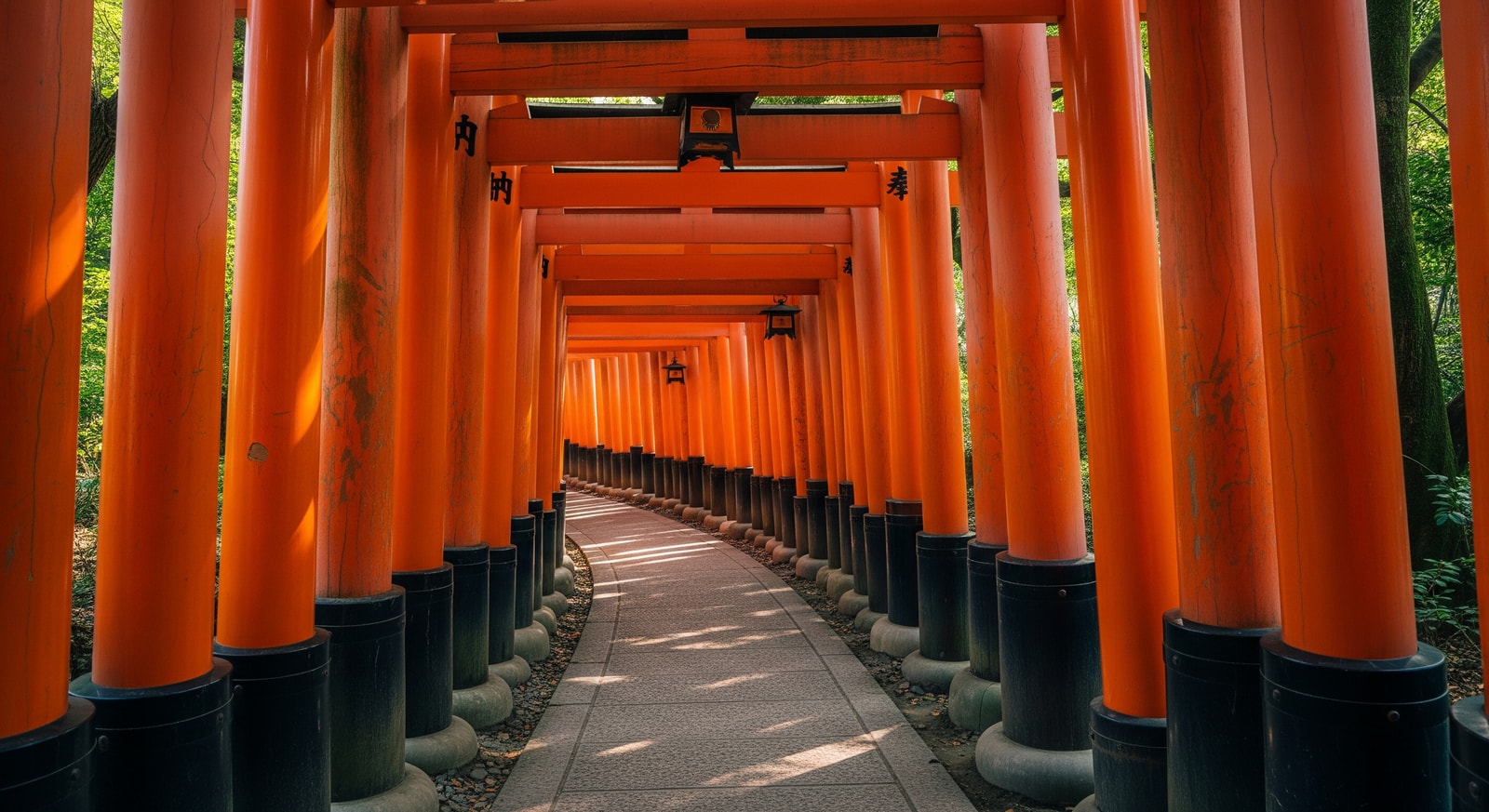
Fushimi Inari at dawn before the crowds was absolutely magical. Thousands of orange torii gates through the forest with just a few other early risers. By 9am it was packed. Wake up early in Japan — it's worth it!
Autumn in Japan might be even better than cherry blossom season. The maple leaves in Kyoto were breathtaking and way less crowded than spring. November was perfect weather — cool but comfortable.
Japan solo trip as a woman was the safest I've ever felt traveling. Walked around Tokyo at 2am, took trains everywhere, zero problems. The Japanese are so respectful. Highly recommend for solo female travelers!
DoVisa's photo tool saved my eVisa application. Had no idea Japan needs different size photos than my passport. The system caught it and helped me resize correctly. Application approved in 5 days!