Simple 4-step process — most applications approved within 5-10 business days
1
Complete the online application
Fill out our comprehensive application form with your personal details, travel itinerary, and purpose of visit. Our intelligent validation system guides you through each section, ensuring your application meets Equatorial Guinea's immigration requirements and reducing the risk of errors.
2
Upload your documents
Submit your passport scan (bio page clearly visible), a recent passport-sized photograph, proof of accommodation, and supporting documents based on your visa type. Our visa specialists review every document against Equatorial Guinea immigration standards before submission.
3
We process your visa
Your verified application is prepared and submitted to Equatorial Guinea authorities. We monitor processing status and proactively communicate any updates, requests for additional documentation, or status changes via email and SMS throughout the process.
4
Receive your visa
Your approved Equatorial Guinea visa is delivered electronically or you receive confirmation for visa collection. Print all documentation clearly and present it at immigration along with your passport. Bienvenido a Guinea Ecuatorial — welcome to one of Africa's most fascinating destinations!
Visa types needed for Equatorial Guinea
Available visa products
Equatorial Guinea eVisa - 90 days, Single entry Most Popular
Equatorial Guinea eVisa - 90 days, Single entry
The Equatorial Guinea eVisa provides access to Malabo, pristine beaches of Bioko Island, and rainforests. Valid for 90 Days with single entry, this visa allows stays up to 90 days. Perfect for tourism and business.
Applicants must submit the following documents:
🛂 Passport: Valid for at least 6 months with blank pages
Equatorial Guinea, Africa's only Spanish-speaking country, welcomes visitors to explore its unique blend of Hispanic culture and Central African wilderness. The country requires most foreign nationals to obtain a visa before travel, with limited visa-on-arrival options available.
Tourist Visa
The Equatorial Guinea tourist visa allows stays up to 90 days for leisure travel, wildlife exploration, beach holidays, and cultural tourism. This visa type is perfect for travelers seeking to explore Bioko Island's volcanic landscapes, the pristine beaches of the continental region, Monte Alen National Park's diverse wildlife, and the colonial architecture of Malabo and Bata. The tourist visa permits sightseeing, visiting national parks, beach activities, and attending cultural events.
Transit Visa
For travelers passing through Equatorial Guinea en route to other Central African destinations, the transit visa allows stays up to 72 hours. This is useful for passengers connecting through Malabo International Airport (SSG) or traveling overland between Cameroon and Gabon. Transit visas allow you to exit the airport and explore the immediate area during your layover.
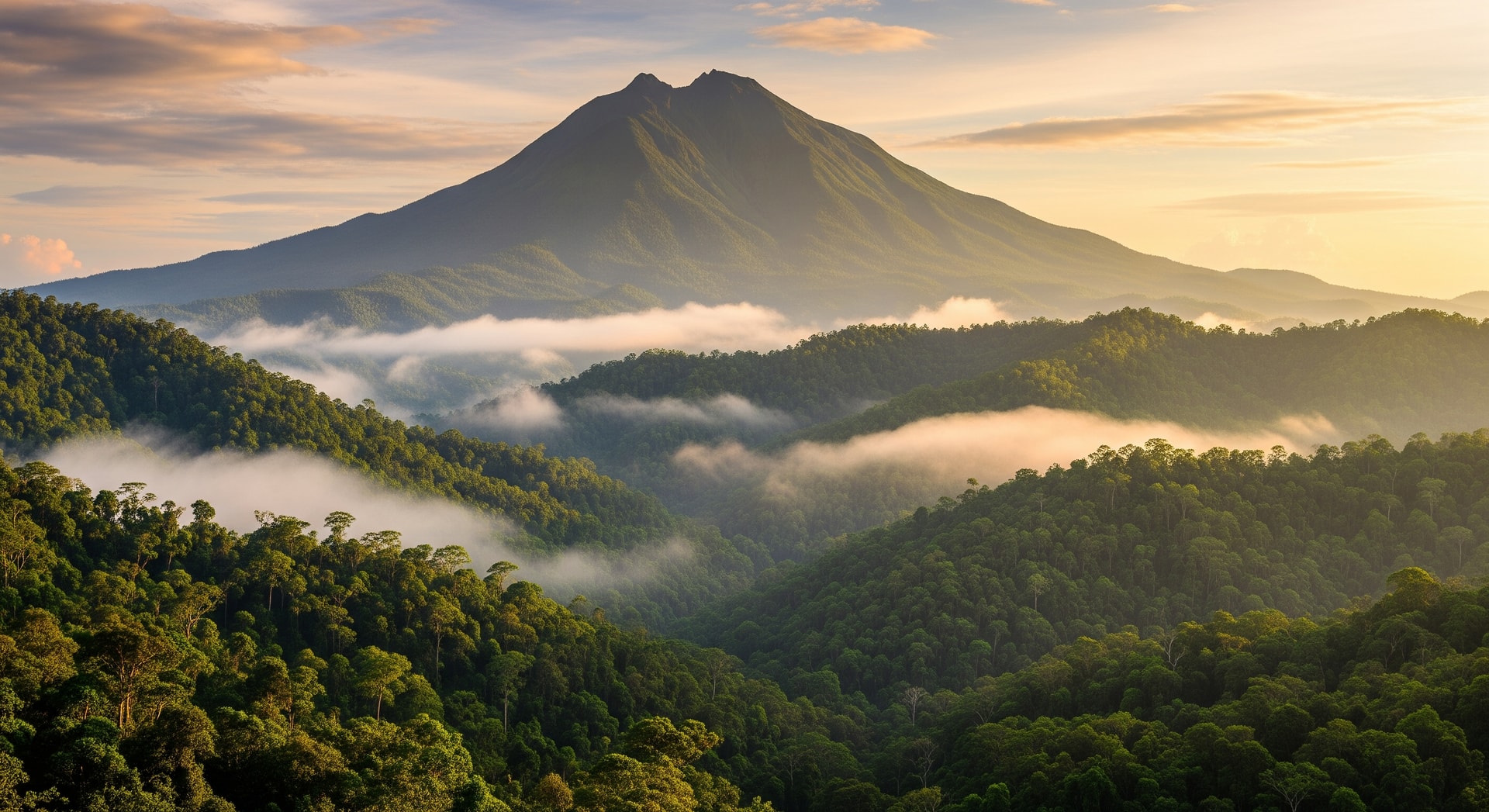
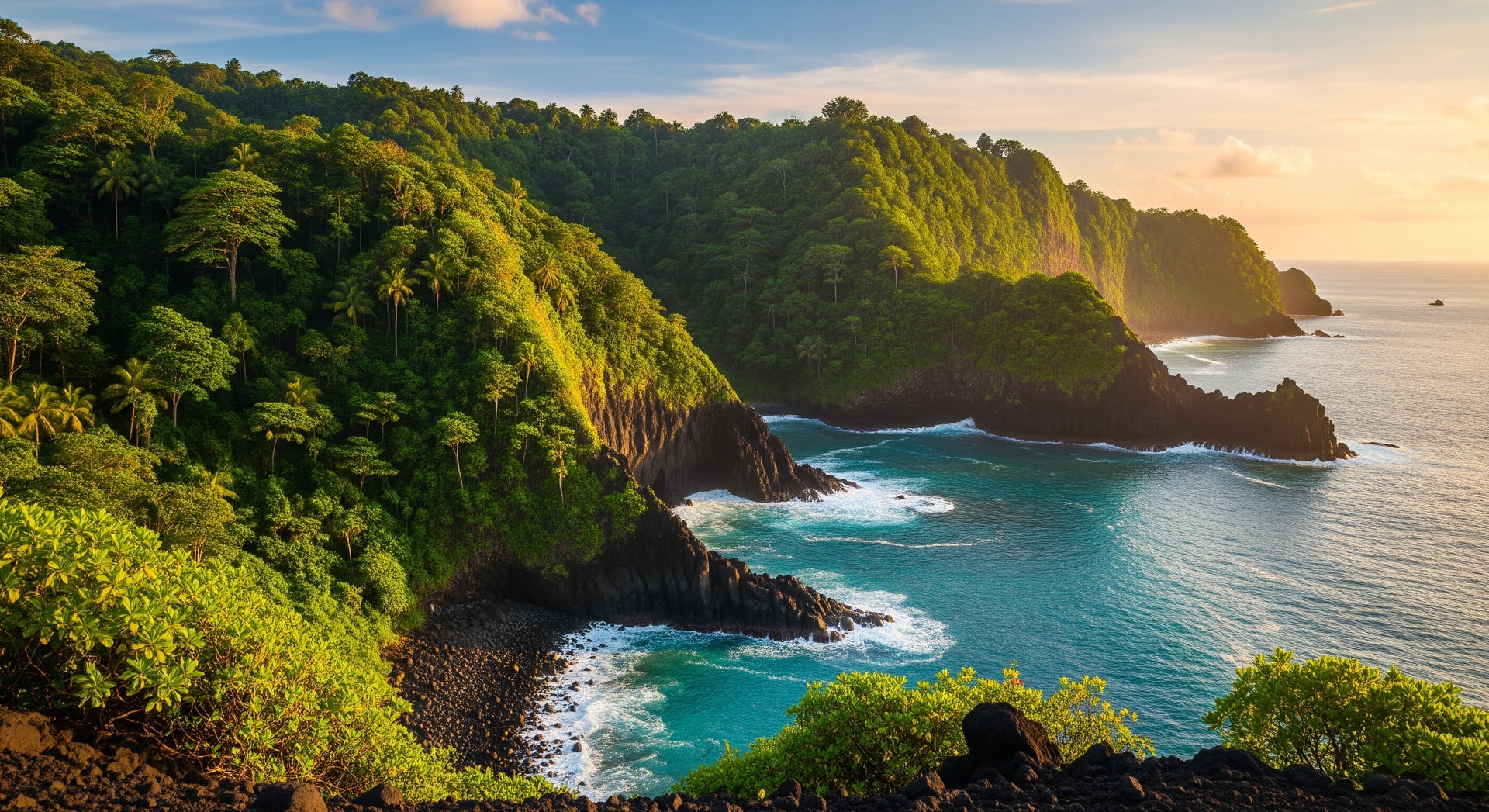
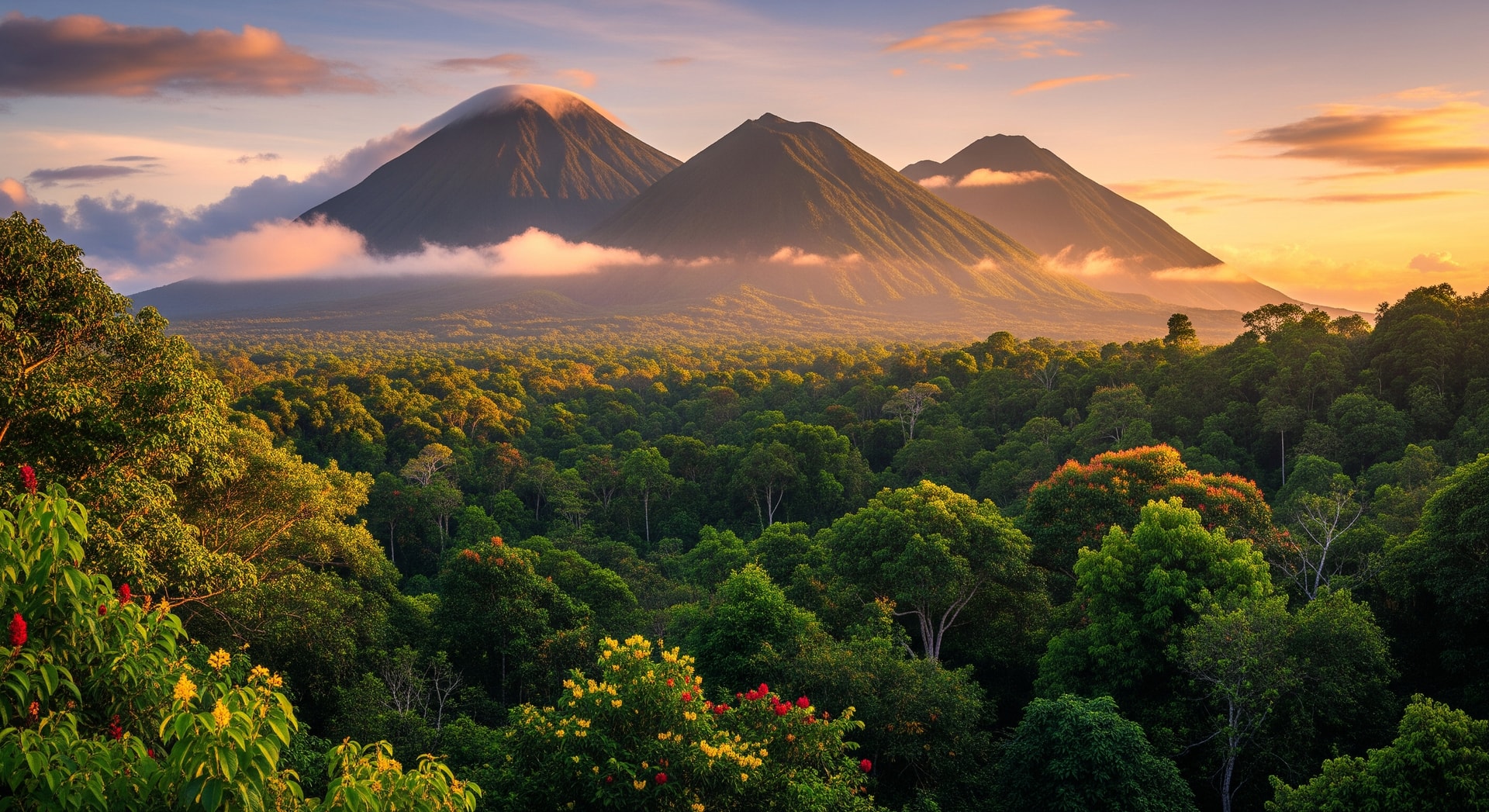
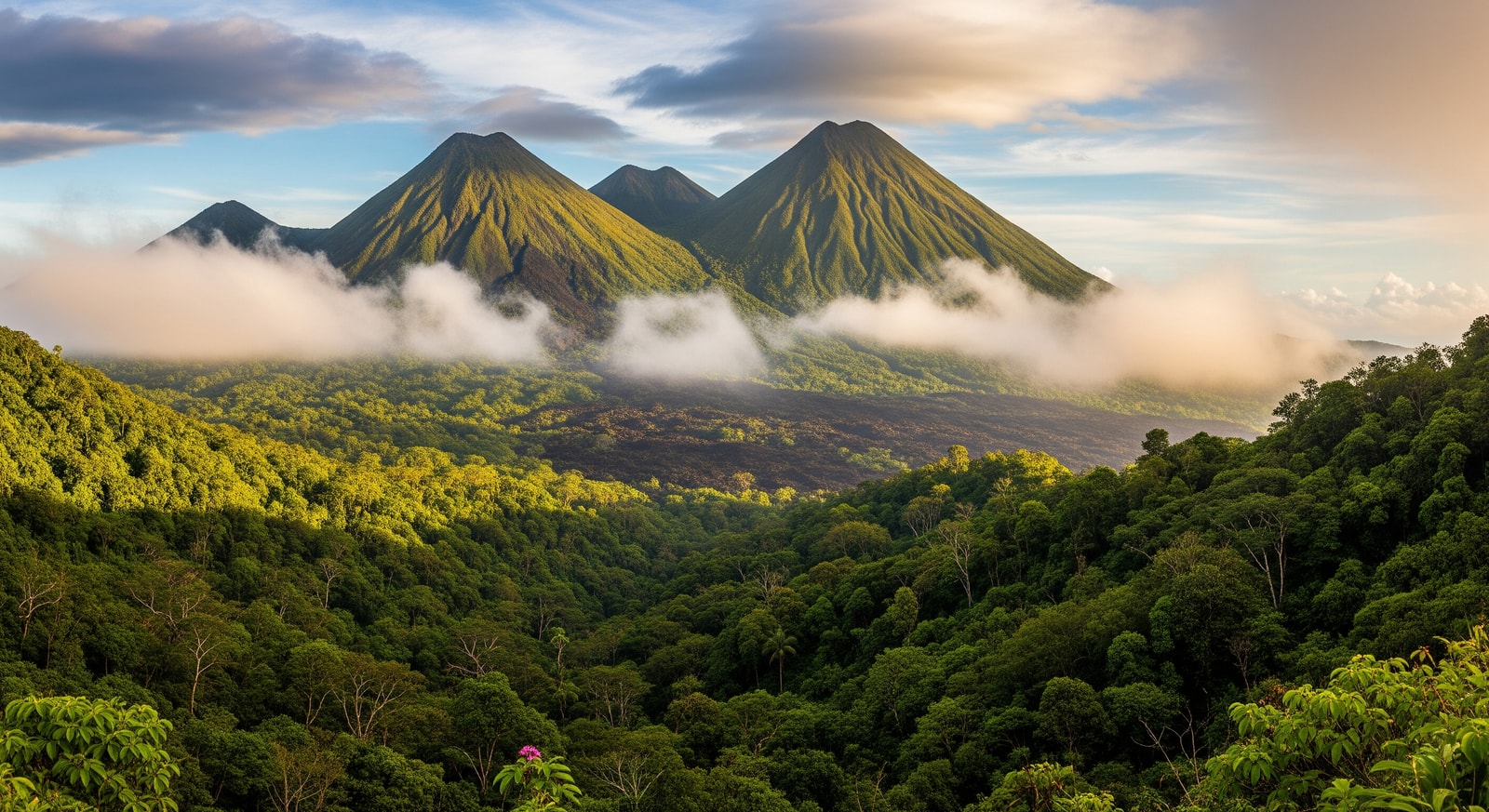
Bioko Island — Volcanic landscapes and pristine rainforests await
Business & Family Visit Visas
Business Visa
Equatorial Guinea's growing oil and gas industry and emerging tourism sector attract business travelers from around the world. The business visa caters to professionals conducting commercial activities including attending business meetings, exploring investment opportunities in the energy sector, negotiating contracts, participating in trade delegations, and establishing business partnerships. Business visas allow stays up to 90 days and require sponsorship from a local company or organization.
Family Visit Visa
For travelers visiting relatives or family members residing in Equatorial Guinea, the family visit visa provides stays up to 90 days. This requires an invitation letter from your host in Equatorial Guinea, along with proof of their legal residence status. The visa allows you to stay with family, attend family celebrations, and experience local culture through personal connections.
Work and Residence Permits
Foreign nationals seeking employment in Equatorial Guinea, particularly in the oil and gas sector, must obtain a work permit through their employer before arrival. Work permits are separate from business visas and require extensive documentation including employment contracts and company sponsorship.
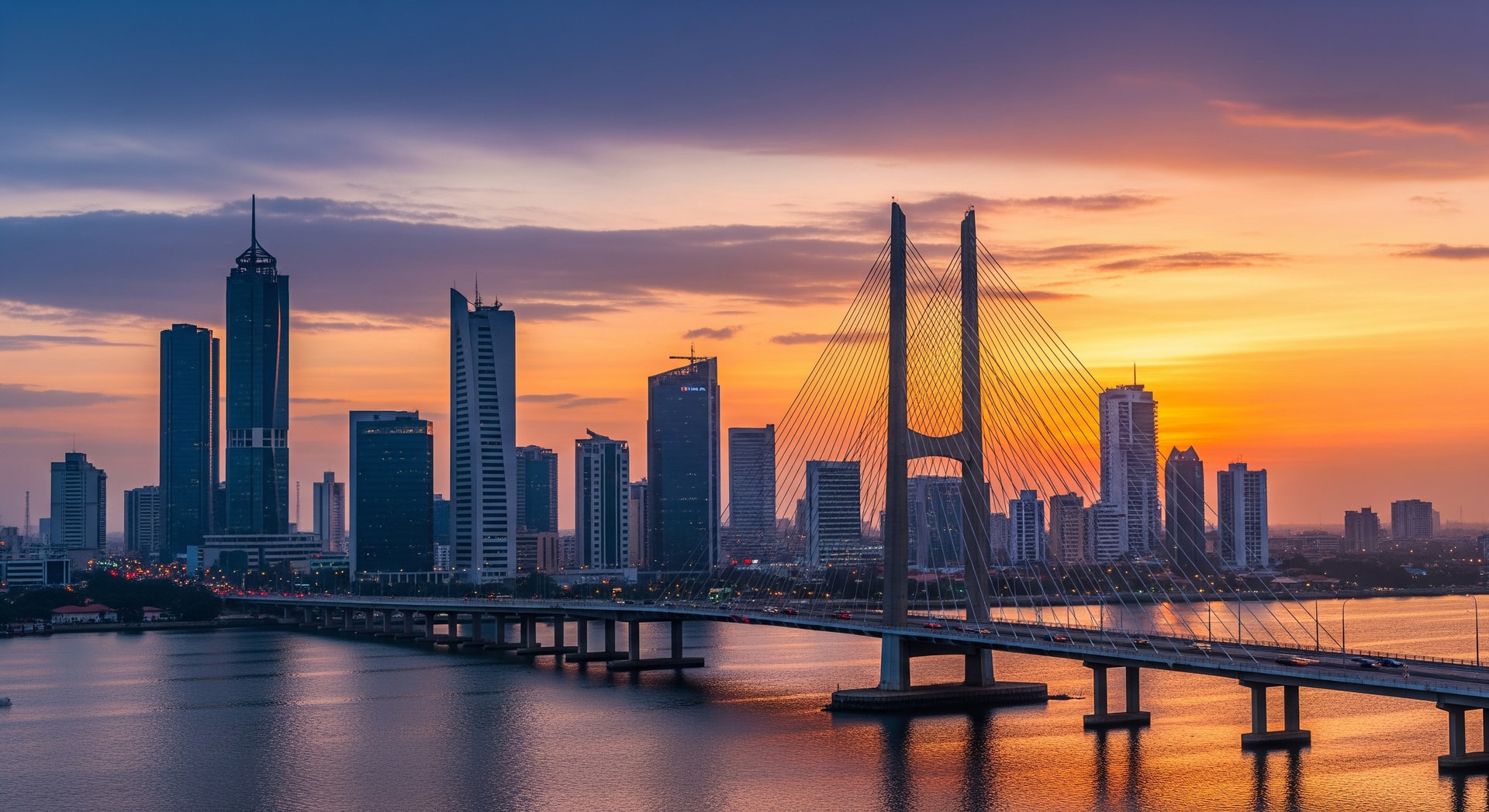
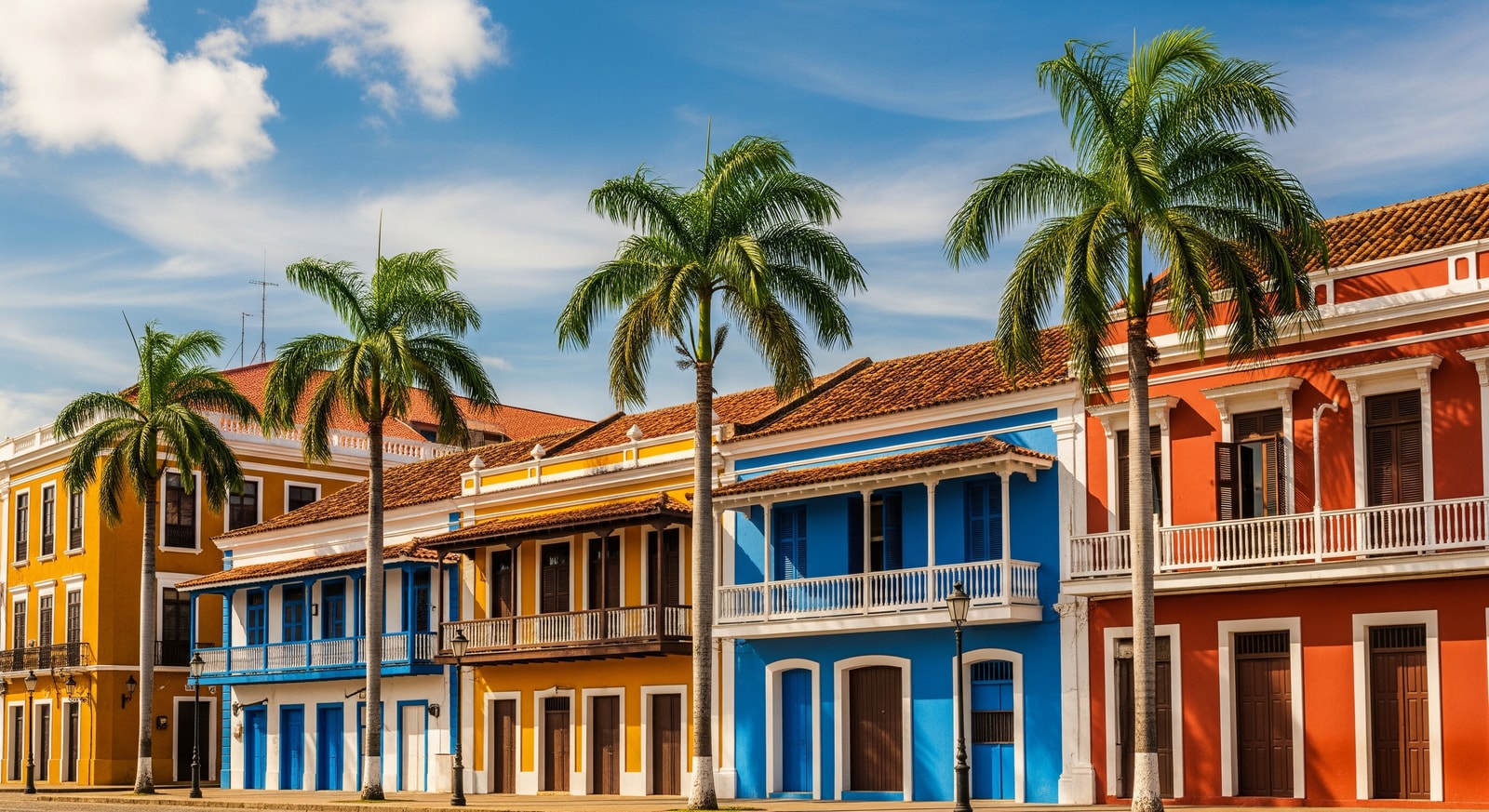
Malabo — The charming capital blending Spanish colonial heritage with African culture
Entry Requirements & Fees
Essential Requirements
All Equatorial Guinea visa applicants must meet these fundamental requirements:
Passport validity: Minimum 6 months beyond your intended arrival date with at least two blank pages for entry stamps
Yellow fever vaccination: Mandatory for all travelers regardless of origin country. You must present your International Certificate of Vaccination (yellow card) at immigration. The vaccination must be administered at least 10 days before arrival.
Photograph: Recent passport-sized photo (35x45mm) with white background, taken within the last 6 months
Accommodation proof: Hotel booking confirmation or invitation letter from host if staying with family or business contacts
Financial evidence: Bank statements or proof of sufficient funds to support your stay
Application Process
Equatorial Guinea visas are typically obtained through the country's embassies and consulates abroad. Some nationalities may be eligible for visa on arrival at Malabo International Airport, but pre-arranged authorization is usually required. Processing times vary from 5-15 business days depending on your nationality and application completeness.
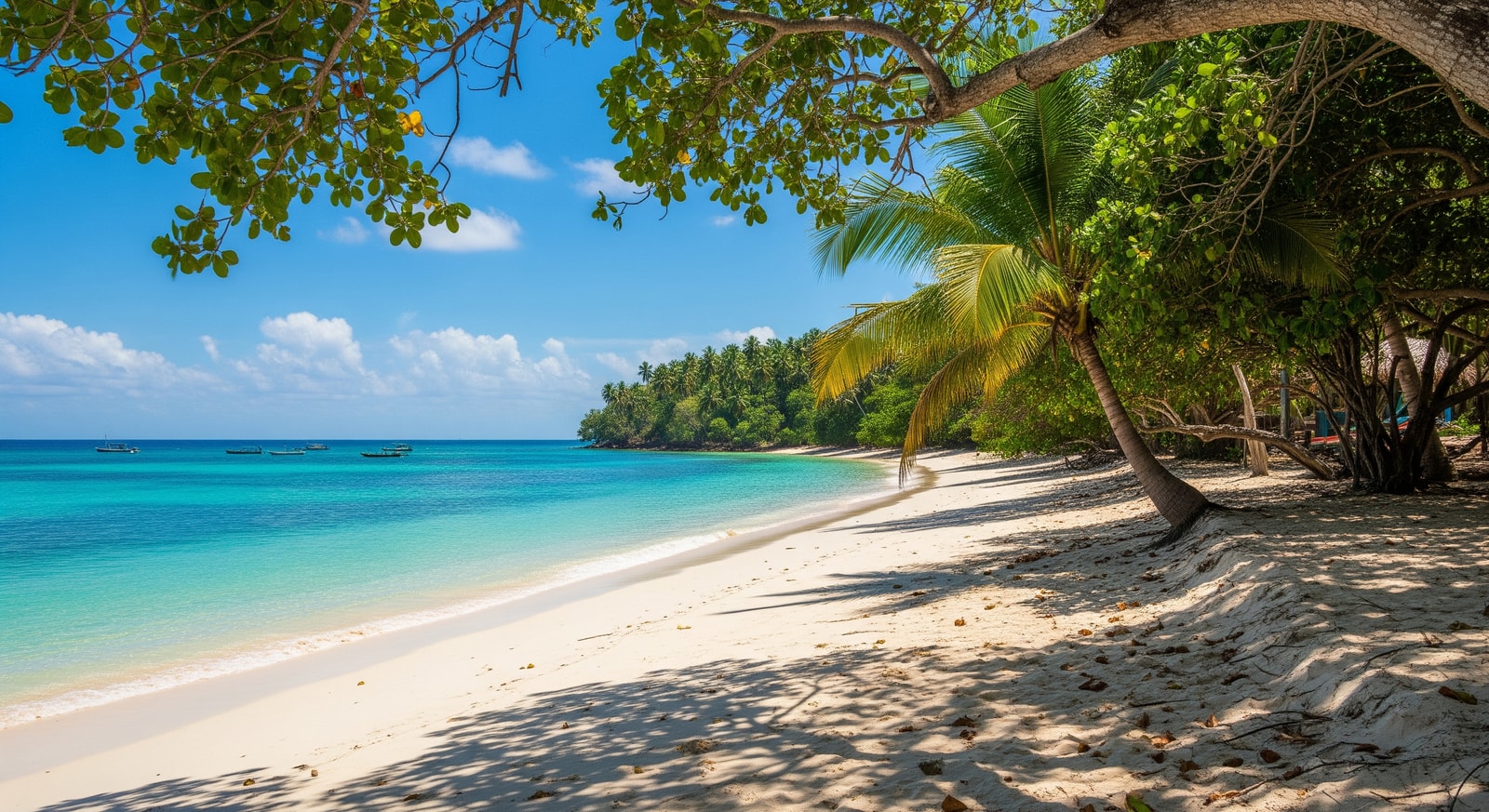
Arena Blanca Beach — Unspoiled coastal paradise on the mainland
Entry Points & Travel Tips
Entry Points
Equatorial Guinea has several entry points for international travelers:
Airports: Malabo International Airport (SSG) on Bioko Island serves as the main international gateway with connections to European and African cities. Bata Airport on the mainland handles regional and some international flights.
Land borders: Border crossings exist with Cameroon (northern mainland) and Gabon (southern and eastern mainland). Land border crossings require proper visa documentation arranged in advance.
Seaports: The Port of Malabo and Port of Bata handle some passenger traffic, primarily regional ferries.
Travel Considerations
Equatorial Guinea operates on West Africa Time (WAT, UTC+1). Spanish is the official language, with French and Portuguese also holding official status. The Central African CFA Franc (XAF) is the currency, and US Dollars and Euros are accepted at major hotels and businesses. Credit card acceptance is limited outside major cities, so carry sufficient cash. The climate is tropical with high humidity year-round. The dry season (December-February and June-August) offers the best conditions for travel and wildlife viewing in Monte Alen National Park.
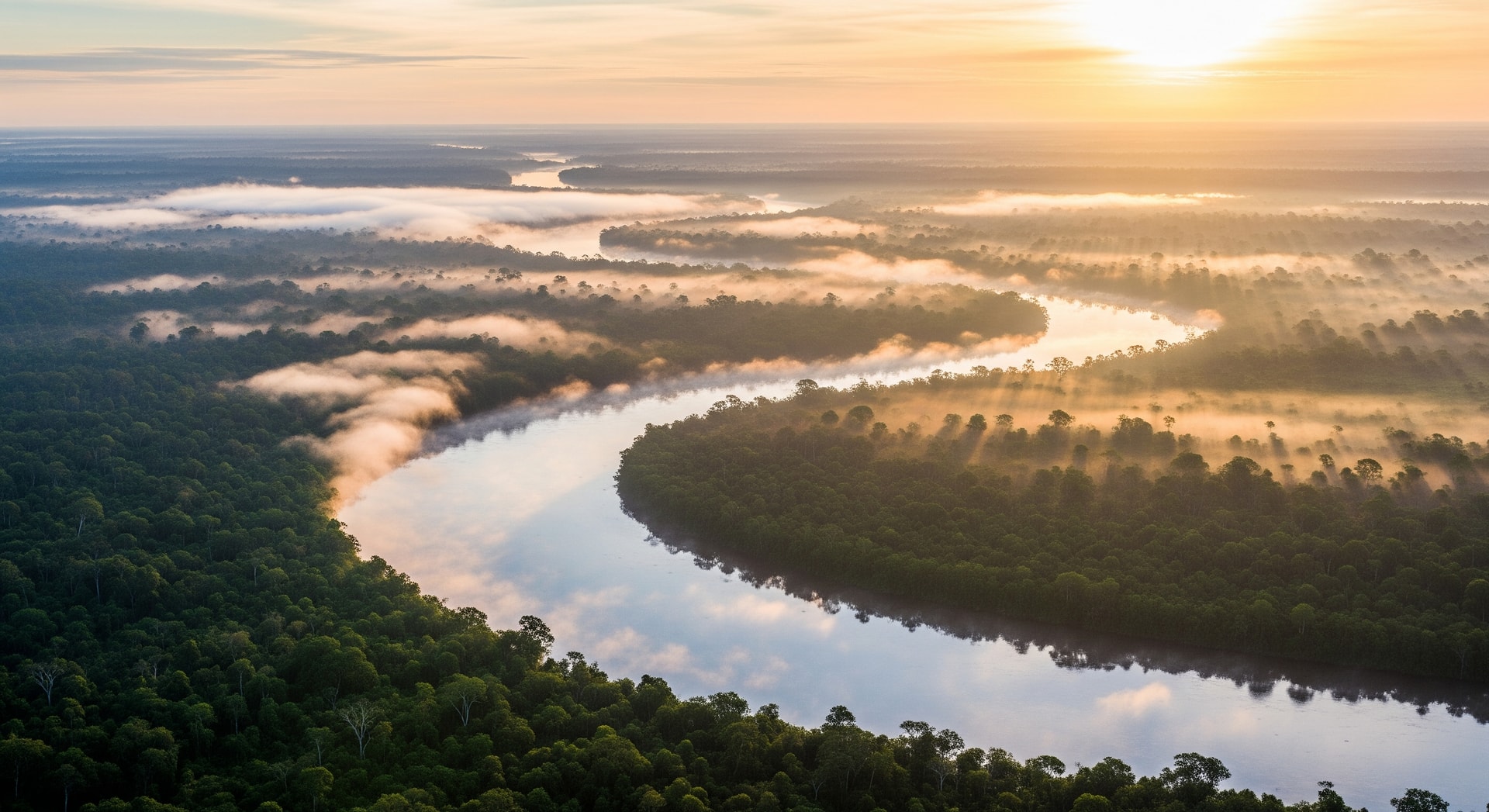
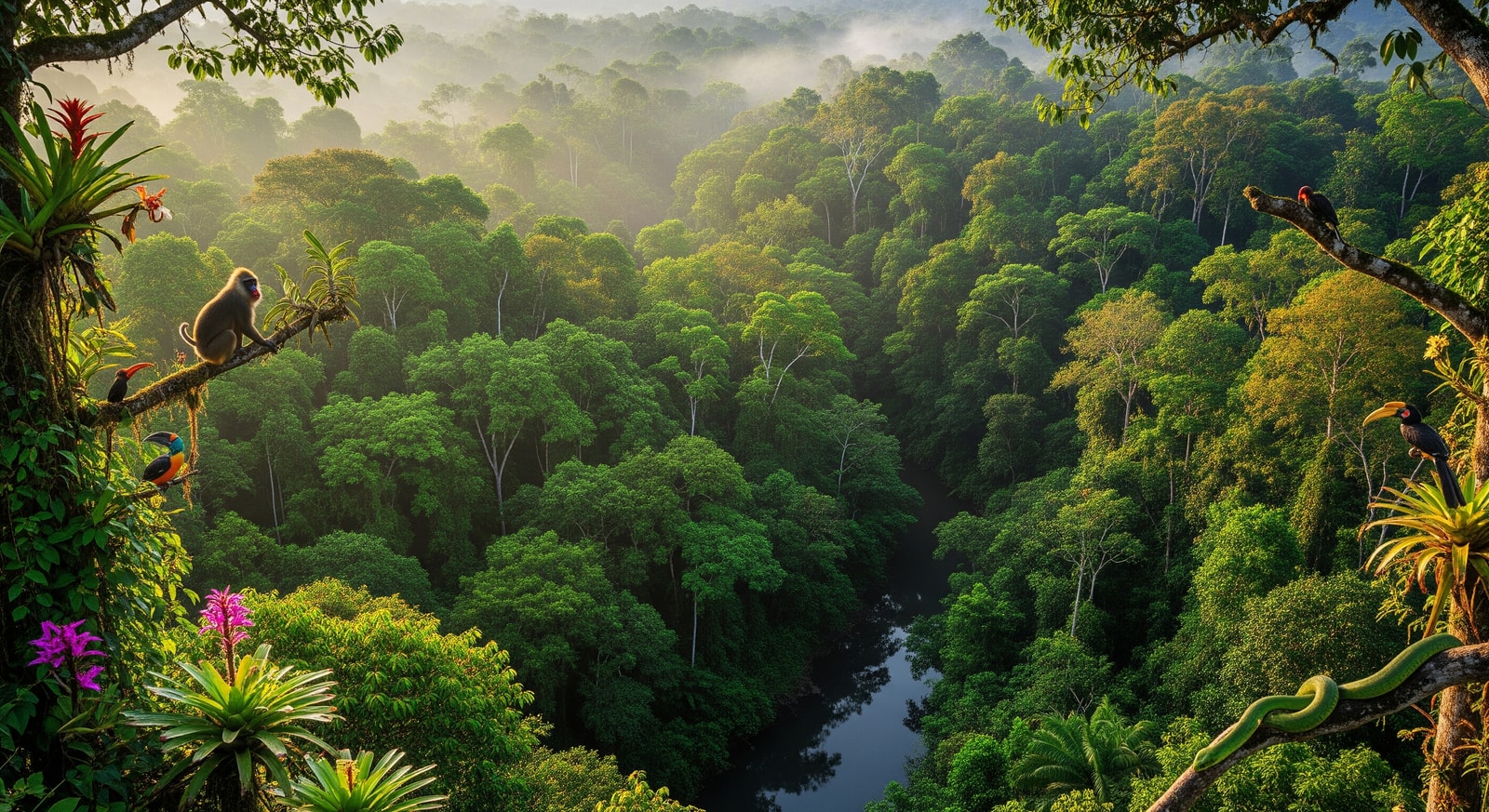
Monte Alen National Park — Home to gorillas, elephants, and pristine rainforest
Why Choose DoVisa?
See the difference between applying yourself vs using our expert service
Travelers to Equatorial Guinea rated this product 4.7 out of 5 based on 10 reviews.
4.7/ 5
Based on 10 verified reviews
Filter by rating
Carlos M.Jan 18, 2026
"DoVisa made getting my Equatorial Guinea visa straightforward. The Spanish-speaking support was incredibly helpful and my visa was approved within a week. Highly recommend for this destination!"
Jennifer W.Jan 12, 2026
"Was nervous about the visa process for such an uncommon destination, but DoVisa handled everything professionally. Clear instructions and quick responses to my questions."
Pierre D.Jan 5, 2026
"Good service overall. The document checklist was comprehensive and helped me prepare everything correctly. Processing took about 8 days which was within the expected timeframe."
Maria G.Dec 28, 2025
"Business visa for oil sector meetings processed smoothly. DoVisa understood the specific requirements and guided me through the invitation letter process. Very professional!"
David L.Dec 20, 2025
"Excellent experience! Applied for tourist visa to visit Bioko Island. The team was knowledgeable about entry requirements and even reminded me about the yellow fever vaccination."
Sophie R.Dec 14, 2025
"Reliable service for a difficult visa. The support team answered my questions promptly and kept me updated throughout the process. Would use again for future travels."
Michael T.Dec 8, 2025
"Family visit visa to see relatives in Malabo was approved without issues. DoVisa helped with the invitation letter requirements and made the whole process stress-free."
Elena K.Nov 30, 2025
"Professional handling of my visa application. The online tracking system kept me informed of progress. Entry at Malabo airport was smooth with my approved visa documentation."
Robert B.Nov 22, 2025
"Third time using DoVisa for African destinations and consistently excellent service. They really understand the requirements for less common destinations like Equatorial Guinea."
Amanda C.Nov 15, 2025
"Wildlife photography trip to Monte Alen required careful visa planning. DoVisa provided all the guidance needed and my visa arrived exactly when promised. Amazing destination!"
Carlos M.Jan 18, 2026
"DoVisa made getting my Equatorial Guinea visa straightforward. The Spanish-speaking support was incredibly helpful and my visa was approved within a week. Highly recommend for this destination!"
Jennifer W.Jan 12, 2026
"Was nervous about the visa process for such an uncommon destination, but DoVisa handled everything professionally. Clear instructions and quick responses to my questions."
Pierre D.Jan 5, 2026
"Good service overall. The document checklist was comprehensive and helped me prepare everything correctly. Processing took about 8 days which was within the expected timeframe."
Equatorial Guinea Visa FAQs
What types of visas are available for Equatorial Guinea?
Equatorial Guinea offers several visa categories for foreign visitors. Tourist visa allows stays up to 90 days for leisure travel, wildlife exploration, and beach holidays. Business visa permits commercial activities including meetings, investment exploration, and business negotiations for up to 90 days. Transit visa allows stays up to 72 hours for travelers passing through to other destinations. Family visit visa enables stays up to 90 days when visiting relatives residing in the country. Work permits are available for foreign nationals with employment contracts, particularly in the oil and gas sector. The appropriate visa depends on your travel purpose, duration, and activities planned in Equatorial Guinea.
Do I need a visa to visit Equatorial Guinea?
Most foreign nationals require a visa to enter Equatorial Guinea. Visa requirements apply to citizens of most countries including the United States, United Kingdom, European Union nations, Australia, and Canada. A limited number of countries have bilateral agreements allowing visa-free entry or visa on arrival with prior authorization. African Union member states may have special arrangements, but requirements change periodically. We recommend all travelers verify current requirements for their nationality before travel. Regardless of visa exemptions, all visitors must have a valid yellow fever vaccination certificate for entry.
Is yellow fever vaccination mandatory for Equatorial Guinea?
Yes, yellow fever vaccination is mandatory for all travelers to Equatorial Guinea, regardless of your country of origin or transit history. This is one of the strictest vaccination requirements in Africa. You must present your International Certificate of Vaccination (yellow card) at immigration upon arrival. The vaccination must be administered at least 10 days before arrival to be considered valid. Immigration officers will deny entry to travelers without valid proof of yellow fever vaccination. The vaccination provides lifetime protection, so if you have a valid certificate from previous travel, it remains acceptable. Visit a travel health clinic 4-6 weeks before departure to ensure adequate time for vaccination and certificate issuance.
What documents are required for an Equatorial Guinea visa?
Essential documents for all Equatorial Guinea visa applications include: passport valid for at least 6 months beyond arrival with minimum two blank pages; recent passport-sized photograph (35x45mm, white background); completed visa application form; proof of accommodation (hotel booking or invitation letter); return or onward flight tickets; proof of sufficient funds (bank statements). Additional requirements by visa type: Tourist visas may require travel itinerary and travel insurance. Business visas require invitation letter from an Equatorial Guinea company on official letterhead, employer letter, and business itinerary. Family visit visas require invitation letter from host and proof of their legal residence. Work permits require employment contract and company sponsorship documentation. All documents should be clear, legible, and in Spanish or officially translated.
How long does Equatorial Guinea visa processing take?
Equatorial Guinea visa processing typically takes 5-15 business days, though times vary based on several factors. Embassy processing: Applications submitted directly to embassies may take 10-15 business days. Application completeness significantly impacts processing time — complete applications with clear documentation process faster. Nationality: Some nationalities may face additional security checks extending processing times. Business visas requiring verification of invitation letters may take longer. Peak periods: Processing may slow during local holidays in Equatorial Guinea (Independence Day in October, Christmas period). Recommendations: Apply at least 3-4 weeks before your intended travel date to allow buffer time; ensure all documents meet requirements; respond promptly to any additional information requests. DoVisa's pre-submission review helps ensure applications are complete.
Can I extend my Equatorial Guinea visa?
Yes, visa extensions are possible in Equatorial Guinea, though the process requires visiting immigration authorities in person. Where to apply: Direction General of Immigration in Malabo or regional immigration offices in Bata and other major towns. Requirements: Valid passport with remaining pages, completed extension application form, passport photographs, proof of continued accommodation, evidence of sufficient funds, and the extension fee. Process: Extensions are granted at the discretion of immigration authorities. You must apply before your current visa expires — overstaying is a serious offense that can result in fines, detention, and future visa complications. Recommendation: If you know you'll need more than 90 days, discuss long-term visa options with the embassy before travel or plan your itinerary to exit and re-enter if regulations permit.
Can I work in Equatorial Guinea with a tourist or business visa?
No, tourist and business visas do not permit employment in Equatorial Guinea. Tourist visas are strictly for leisure activities, sightseeing, wildlife exploration, and visiting friends or family. Business visas allow commercial activities like attending meetings, exploring investment opportunities, and establishing business contacts, but not paid employment or receiving salary from an Equatorial Guinea company. Legal employment requires a work permit obtained through employer sponsorship before arrival. The process involves: sponsorship by a registered Equatorial Guinea company; proof the position cannot be filled locally; extensive documentation including qualifications and medical certificates; and immigration fees. Given the country's significant oil and gas industry, work permits are commonly issued in the energy sector. Penalties: Working without proper authorization risks serious consequences including fines, deportation, and future visa bans.
What are the main entry points into Equatorial Guinea?
Equatorial Guinea has several entry points for international travelers. Malabo International Airport (SSG) on Bioko Island is the main international gateway, with connections to Madrid, Paris, Addis Ababa, and several African capitals. This is where most tourists and business travelers arrive. Bata Airport on the continental mainland handles regional flights and some international services. Land borders: Crossings exist with Cameroon in the north (Kye-Ossi crossing) and Gabon in the south and east. Land border crossings require visa documentation arranged in advance and may have limited operating hours. Seaports: Port of Malabo and Port of Bata handle limited passenger traffic, primarily regional ferry services. Recommendation: For most international travelers, flying into Malabo is the most convenient option with the best immigration facilities.
Is Equatorial Guinea safe for tourists?
Equatorial Guinea is generally safe for tourists who take standard precautions. Safe areas: Malabo, Bata, major hotels, and established tourist sites maintain reasonable security. The oil industry presence has brought improved infrastructure to key areas. Precautions: Avoid displaying expensive jewelry or electronics; use hotel safes for valuables; travel with reputable tour operators for wildlife excursions; avoid walking alone at night in unfamiliar areas; be aware that photography of government buildings, military installations, and airports is prohibited. Political climate: The country has a stable government, but travelers should stay informed about current conditions. Health considerations: Malaria is present throughout the country — prophylaxis is strongly recommended. Drink bottled water and ensure routine vaccinations are current. Infrastructure: Roads outside major cities may be challenging; hiring local drivers or guides for exploration is recommended.
What currency is used in Equatorial Guinea?
The official currency is the Central African CFA Franc (XAF), which is pegged to the Euro. Cash: The CFA Franc is the primary currency for daily transactions. US Dollars and Euros are accepted at major hotels, airlines, and some businesses, but local currency is preferred for general purchases. Exchange currency at banks in Malabo or Bata for the best rates. ATMs: Available in Malabo and Bata but may be unreliable — don't depend solely on ATMs. International cards may not always work, so carry sufficient cash. Credit cards: Accepted at major hotels and some restaurants in the capital, but not widely used elsewhere. Recommendations: Bring enough Euros or US Dollars to exchange upon arrival; notify your bank of travel plans; carry a mix of large and small denominations; keep emergency cash separate from your main funds. The cost of living in Equatorial Guinea, particularly in Malabo, is relatively high compared to neighboring countries.
What is the best time to visit Equatorial Guinea?
Equatorial Guinea has a tropical climate with two main seasons. Dry seasons (December-February and June-August) offer the best conditions for travel with lower rainfall, less humidity, and better road conditions. This is ideal for visiting Monte Alen National Park, beach activities, and general sightseeing. Wildlife viewing is generally better during dry periods when animals congregate near water sources. Wet seasons (March-May and September-November) bring heavy rainfall, particularly in the afternoon and evening. The landscape is lush and green, but some roads may become difficult and outdoor activities can be disrupted. Temperature: Consistently warm year-round, averaging 24-30 degrees Celsius (75-86 degrees Fahrenheit). Humidity is high throughout the year. Special events: Independence Day (October 12) features celebrations but may affect business operations. Christmas and New Year periods see reduced services.
What languages are spoken in Equatorial Guinea?
Equatorial Guinea has three official languages: Spanish, French, and Portuguese. Spanish is the most widely spoken and is the primary language of government, education, and business — Equatorial Guinea is Africa's only Spanish-speaking country. Most tourism infrastructure operates in Spanish. French was adopted as an official language to strengthen ties with neighboring Francophone countries (Cameroon and Gabon). It's used in some official contexts and understood by educated citizens. Portuguese became official in 2010 to join the Community of Portuguese Language Countries. Indigenous languages: Fang is widely spoken on the mainland and Bioko Island. Bubi is spoken by the indigenous population of Bioko. Several other local languages exist among smaller communities. English: Not widely spoken outside international business settings. Having basic Spanish phrases or a translation app is helpful for travelers.
Do I need to print my Equatorial Guinea visa?
Yes, you should print all visa documentation clearly on A4 paper. Unlike some countries with fully electronic visa systems, Equatorial Guinea typically requires physical documentation at immigration. What to print: Your visa approval letter or visa page, any reference numbers provided, and confirmation correspondence. Print multiple copies to keep in separate locations in case of loss. At immigration: Present your printed visa documentation along with your passport, yellow fever vaccination certificate, and return flight documentation. Immigration officers will stamp your passport with entry permission. Additional documentation: Have printed copies of your hotel booking, invitation letter (if applicable), and travel insurance readily accessible. While digital copies on your phone serve as backup, physical documents are preferred by Equatorial Guinea immigration authorities.
What should I know about photography rules in Equatorial Guinea?
Equatorial Guinea has strict photography restrictions that visitors must observe. Prohibited photography: Government buildings, presidential palace, military installations, airports, ports, police stations, and any security infrastructure. Taking photos of these locations can result in detention, equipment confiscation, and serious legal problems. Permitted photography: Tourist attractions, landscapes, wildlife (with appropriate permits in national parks), and general street scenes in non-sensitive areas. People: Always ask permission before photographing local people — this is both respectful and legally advisable. Recommendations: When in doubt, don't photograph; if questioned by authorities, comply politely; keep your camera put away near government buildings; consider hiring a local guide who can advise on appropriate photography locations. Being accused of espionage-related activities is a serious matter in Equatorial Guinea, so exercise caution.
What happens if my Equatorial Guinea visa is rejected?
Equatorial Guinea visa rejections can occur but are relatively uncommon for properly prepared applications. Common rejection reasons: Incomplete documentation; passport validity issues; unclear or incorrect photographs; missing yellow fever certificate; insufficient proof of funds; concerns about travel purpose; missing invitation letter for business or family visits; previous immigration violations. If rejected: You'll typically receive notification of the rejection. Unlike some countries, detailed reasons may not be provided. You can reapply with improved documentation addressing potential issues. Prevention: Ensure all documents are complete, clear, and meet specifications; provide comprehensive travel plans; include strong financial evidence; obtain proper invitation letters for business or family visits. DoVisa assistance: Our pre-submission review helps identify potential issues before application. If rejection results from our processing error, we provide appropriate refund and reapplication assistance as per our guarantee terms.
Still have questions?
Our team is here to help 24/7
Get Visa Tips & Exclusive Deals
Join 1,000+ travelers. No spam, unsubscribe anytime.


 With DoVisa