Simple 4-step process — most applications approved within 3-7 business days
1
Complete the online application
Fill out our comprehensive application form with your personal details, travel itinerary, and purpose of visit. Our intelligent validation system guides you through each section, checking for common errors and ensuring your application meets Bolivia's immigration requirements.
2
Upload your documents
Submit your passport scan (bio page clearly visible), a recent passport-sized photograph, proof of accommodation, and financial documentation. Our visa specialists review every document against Bolivian immigration standards before submission to minimize rejection risk.
3
We submit to Bolivian Immigration
Your verified application is transmitted to Bolivia's immigration authorities. We monitor processing status in real-time and proactively communicate any updates, requests for additional documentation, or status changes via email and SMS notifications.
4
Receive your visa approval
Your approved Bolivia visa authorization arrives via email. Print it clearly on A4 paper and present it at Bolivian immigration along with your passport. Bienvenidos a Bolivia — welcome to one of South America's most diverse and captivating destinations!
0+Happy Travelers
0/7Expert Support
0%+Approval Rate
0Customer Rating
Bolivia Visa Requirements & Entry Information
Tourist Visa
Up to 90 days
For leisure travel, sightseeing, and cultural exploration
Business Visa
Up to 90 days
For commercial activities, meetings, and conferences
Transit Visa
Up to 72 hours
For travelers passing through to other destinations
Specific Purpose Visa
Varies by activity
For volunteers, researchers, and cultural exchanges
Bolivia maintains a selective visa policy with distinct requirements based on nationality. Citizens of many South American countries enjoy visa-free access under Mercosur and bilateral agreements, while travelers from the United States, most European nations, and many other countries require visas.
Visa-Free Access
Bolivia grants visa-free entry to citizens of most South American countries including Argentina, Brazil, Chile, Colombia, Ecuador, Paraguay, Peru, Uruguay, and Venezuela. These travelers can typically stay 90 days for tourism purposes. Additionally, citizens of several European and Asian countries enjoy visa exemption for short stays.
Visa Required Nationalities
United States citizens must obtain a visa before traveling to Bolivia, with fees of approximately $160 for a tourist visa. This requirement was established on a reciprocal basis. Citizens of other countries requiring visas include those from certain African and Asian nations. Bolivia offers both single-entry and multiple-entry visa options depending on your travel needs and intended length of stay.
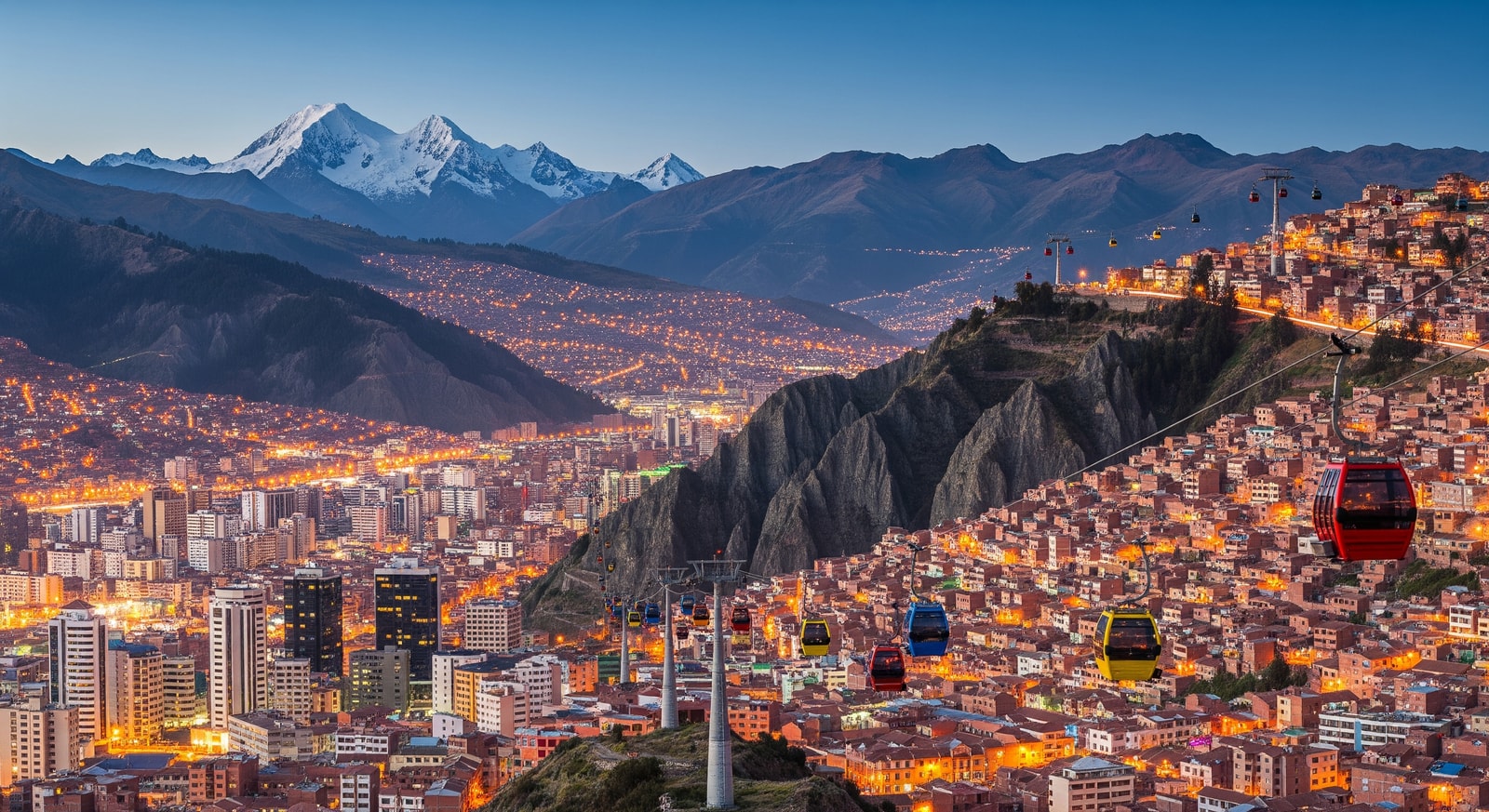
La Paz — The world's highest administrative capital at 3,640 meters
Visa Requirements
Essential Documentation
All Bolivia visa applicants must provide the following core documents:
• Valid passport: Minimum 6 months validity beyond your intended stay with at least two blank pages for stamps
• Passport photograph: Recent color photo (4x4cm) with white background, taken within the last 6 months
• Completed application form: Accurately filled with all travel details and personal information
• Travel itinerary: Round-trip flight reservations or detailed travel plans
• Accommodation proof: Hotel reservations, Airbnb bookings, or invitation letter if staying with friends or family
• Financial proof: Bank statements showing minimum $50 per day of intended stay, or credit card statements
Additional Requirements by Visa Type
Business visa applicants need an invitation letter from the Bolivian company on official letterhead. Specific purpose visas require letters from sponsoring organizations. US citizens must also provide a hotel reservation confirmation and proof of economic solvency with a minimum balance requirement.
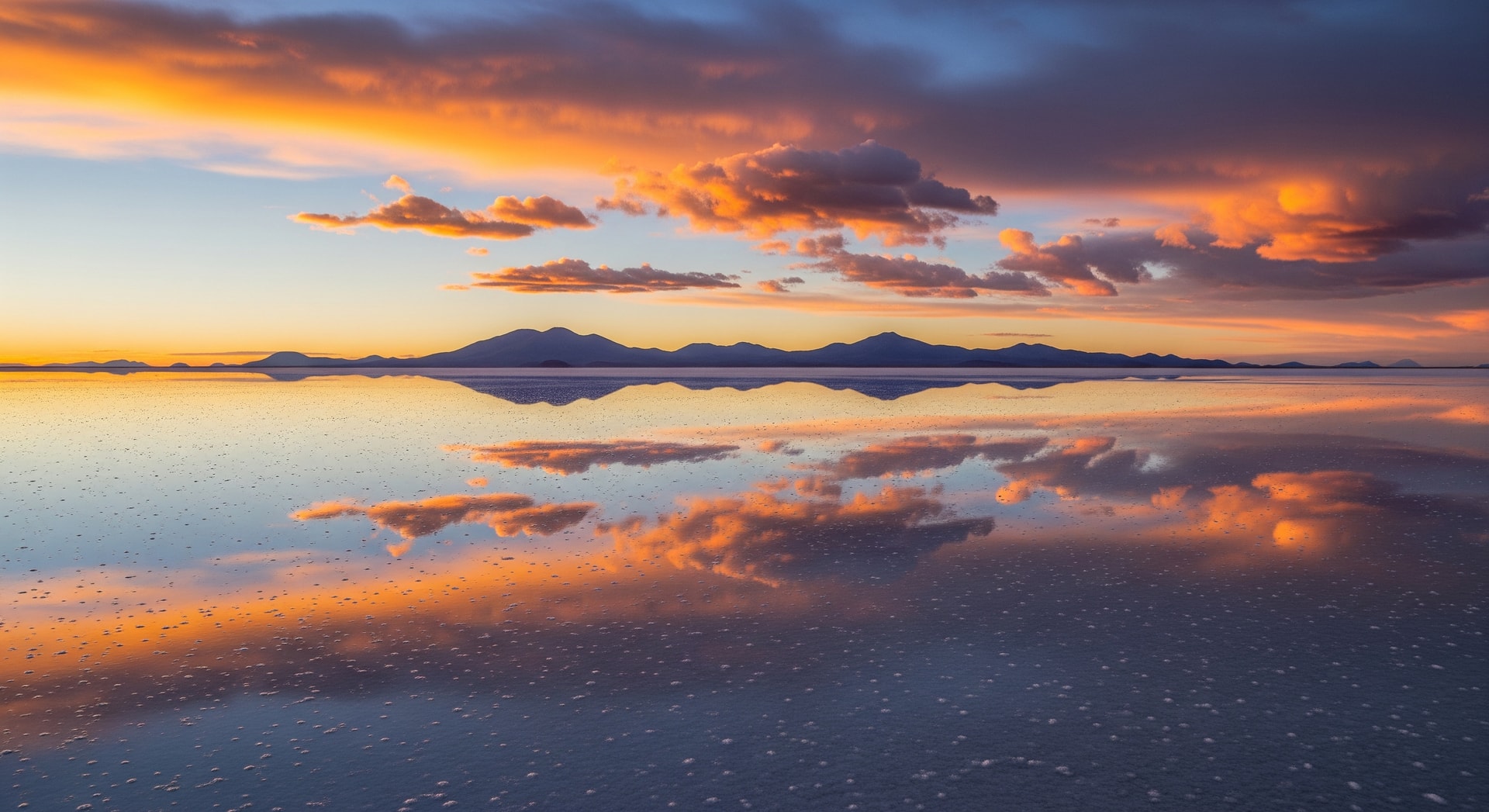
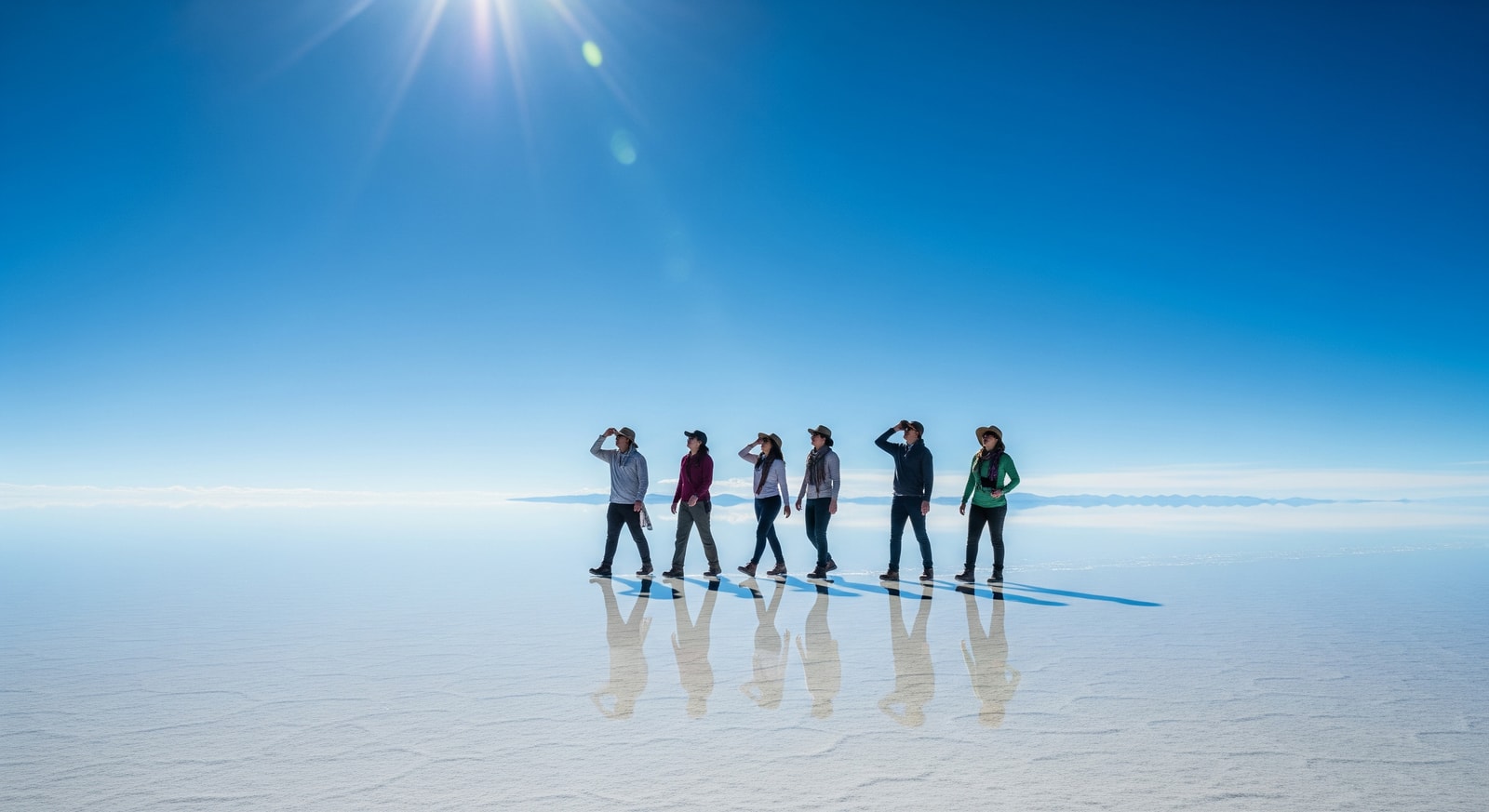
Salar de Uyuni — The world's largest salt flat spanning over 10,000 square kilometers
Application Process
Where to Apply
Bolivia visa applications can be submitted through several channels depending on your nationality and location:
• Bolivian Embassies and Consulates: Traditional application method with in-person document submission
• Authorized visa services: Professional assistance with document preparation and submission
• Visa on arrival: Available at major entry points for certain nationalities (verify eligibility before travel)
Processing Times
Standard visa processing takes 3-7 business days for most applications. During peak travel seasons (June-August for winter festivals, December-February for summer) processing may take longer. US citizens applying for tourist visas should allow additional processing time due to reciprocity requirements.
Application Tips
Ensure all documents are clear and legible scans. Photographs must meet exact specifications. Provide comprehensive travel plans including dates, destinations within Bolivia, and accommodation details. Respond promptly to any requests for additional information to avoid delays.
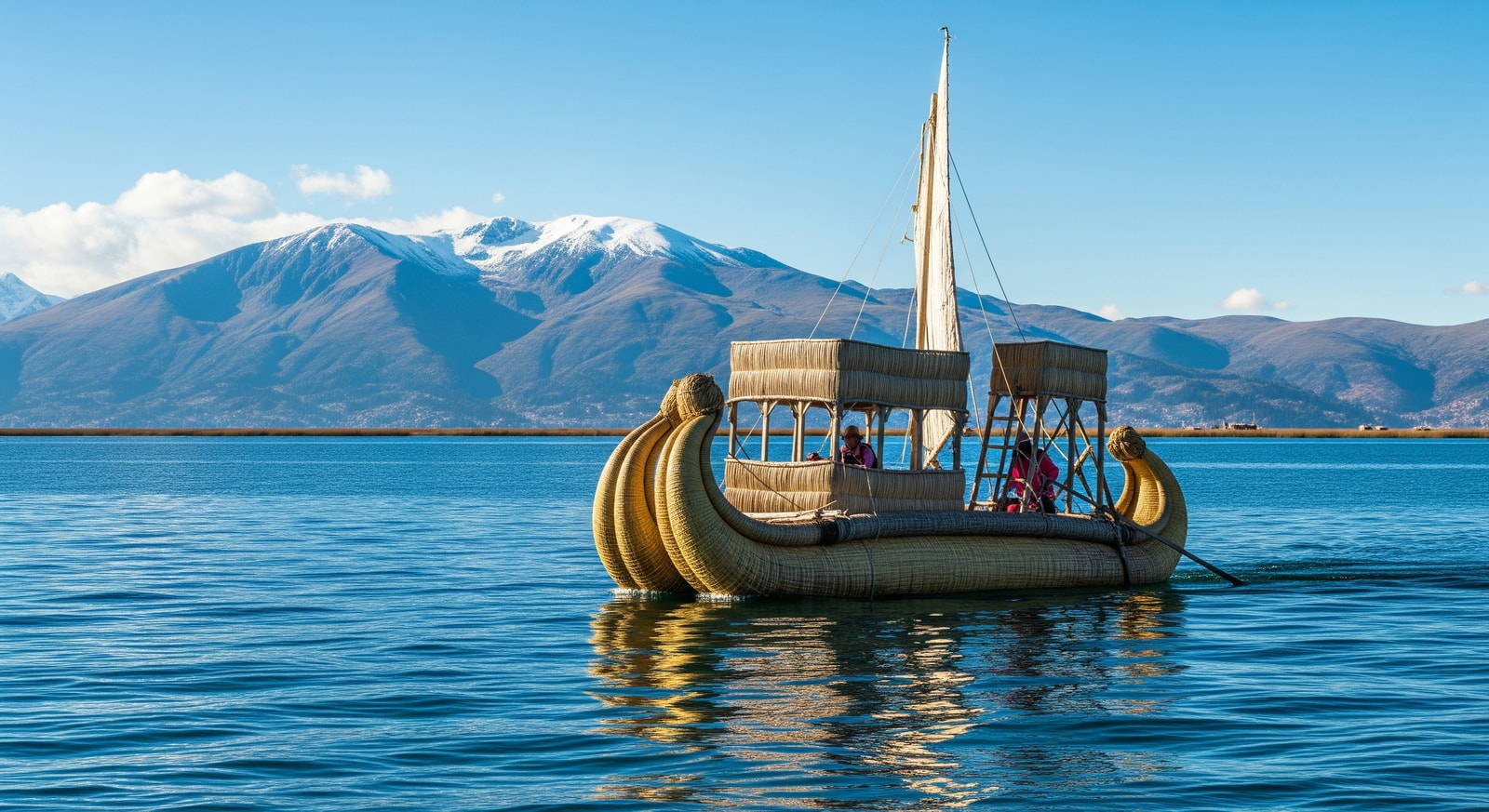
Lake Titicaca — The world's highest navigable lake shared with Peru
Travel Tips
Best Time to Visit
Bolivia's dry season from May to October offers the best weather for most activities, with clear skies ideal for viewing the Andes and exploring the salt flats. The rainy season from November to March transforms Salar de Uyuni into a giant mirror — spectacular for photography but some areas may be inaccessible.
Altitude Considerations
Much of Bolivia sits above 3,000 meters elevation. La Paz at 3,640m and Potosi at over 4,000m require acclimatization. Spend your first days at moderate altitude, stay hydrated, and avoid strenuous activity initially. Coca tea is a traditional remedy for altitude sickness and widely available.
Currency and Costs
Bolivia uses the Boliviano (BOB). The country is one of South America's most affordable destinations with budget travelers spending $30-50 daily and mid-range travelers $50-100. ATMs are available in cities but carry cash for rural areas. Credit cards accepted mainly in larger establishments.
Health Precautions
Yellow fever vaccination is recommended for jungle regions. Malaria prophylaxis advised for lowland Amazon areas. Drink bottled water and ensure comprehensive travel insurance covering evacuation from remote areas.
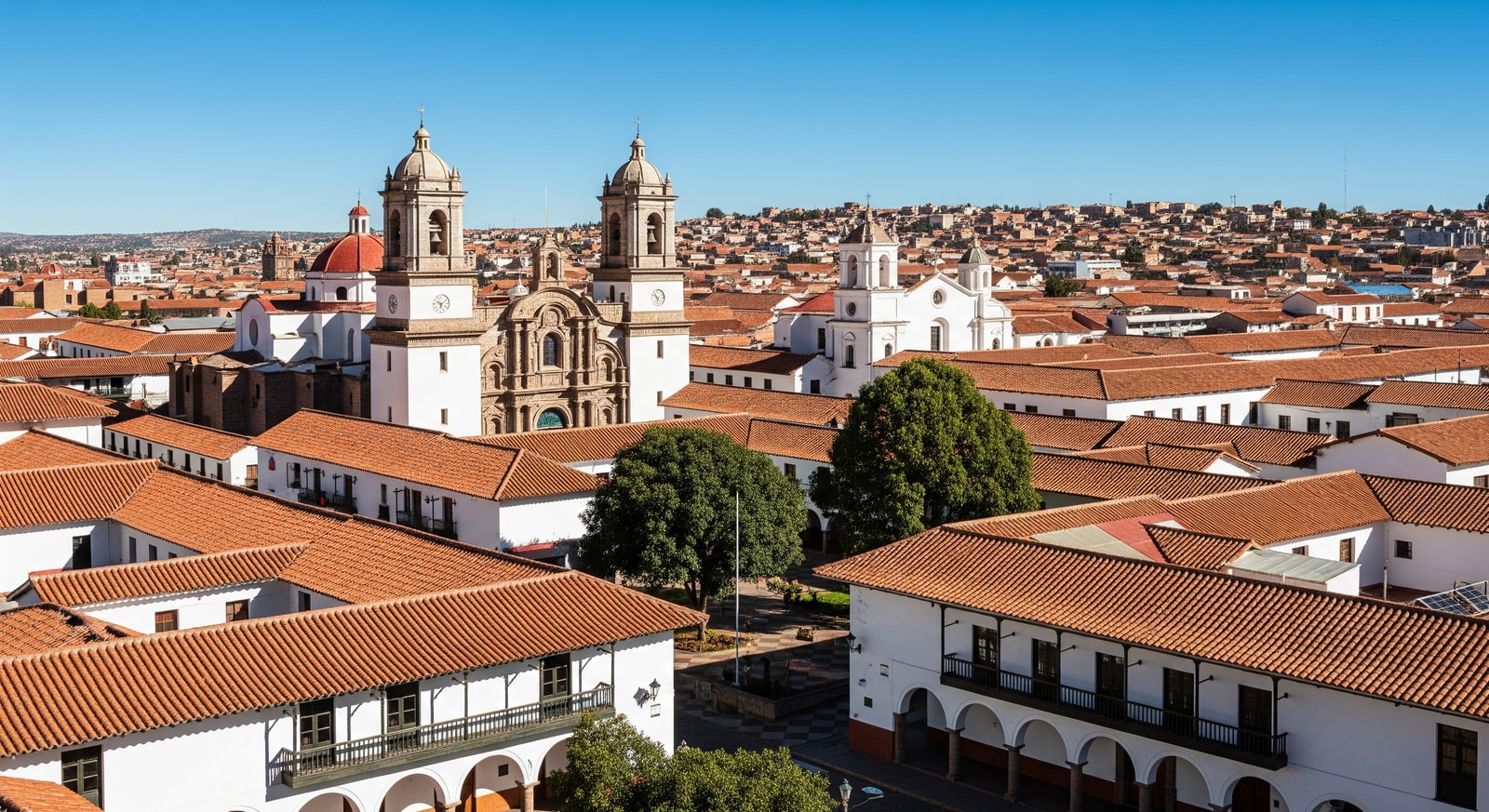
Sucre — Bolivia's constitutional capital and UNESCO World Heritage city
Why Choose DoVisa?
See the difference between applying yourself vs using our expert service
Travelers to Bolivia rated this product 4.7 out of 5 based on 9 reviews.
4.7/ 5
Based on 9 verified reviews
Filter by rating
Michael R.Jan 15, 2026
"As a US citizen, I was worried about Bolivia's visa requirements. DoVisa made the process straightforward and my visa was approved in 5 days. The salt flats were incredible!"
Sarah L.Jan 8, 2026
"Excellent service! The team helped me gather all the documents needed for my Bolivia trip. Clear instructions and fast processing. Highly recommend!"
James T.Dec 28, 2025
"Good experience overall. Processing took about a week but the support team kept me informed throughout. Bolivia was worth every bit of effort!"
Emma K.Dec 18, 2025
"DoVisa handled my business visa application perfectly. The invitation letter guidance was especially helpful. Professional service from start to finish."
Carlos M.Dec 5, 2025
"Third time using DoVisa for South American trips. Bolivia visa approved without issues. Their expertise with the region's requirements is unmatched."
Jennifer W.Nov 22, 2025
"Helpful customer service that answered all my questions about the Bolivia visa process. The fee was a bit high but the convenience was worth it."
David P.Nov 10, 2025
"Stress-free visa application! The document checklist was comprehensive and the photo editing service saved me a trip to the pharmacy. Gracias DoVisa!"
Lisa H.Oct 28, 2025
"Applied for the whole family and all four visas were processed together. Great coordination and we're now planning our Uyuni adventure!"
Robert N.Oct 15, 2025
"Solid service. Had to provide some additional documents but the team guided me through it quickly. Visa arrived on time for my trip."
Michael R.Jan 15, 2026
"As a US citizen, I was worried about Bolivia's visa requirements. DoVisa made the process straightforward and my visa was approved in 5 days. The salt flats were incredible!"
Sarah L.Jan 8, 2026
"Excellent service! The team helped me gather all the documents needed for my Bolivia trip. Clear instructions and fast processing. Highly recommend!"
James T.Dec 28, 2025
"Good experience overall. Processing took about a week but the support team kept me informed throughout. Bolivia was worth every bit of effort!"
Bolivia Visa FAQs
Do US citizens need a visa for Bolivia?
Yes, United States citizens require a visa to enter Bolivia. This requirement was established on a reciprocity basis due to US visa requirements for Bolivian citizens. The tourist visa costs approximately $160 and allows stays up to 90 days. US citizens can apply at Bolivian embassies and consulates before travel, or obtain a visa on arrival at major entry points including El Alto International Airport in La Paz and Viru Viru International Airport in Santa Cruz. Required documents include a valid passport, passport photo, travel itinerary, hotel reservation, proof of economic solvency, and yellow fever vaccination certificate if arriving from endemic areas.
What types of visas are available for Bolivia?
Bolivia offers several visa categories to accommodate different travel purposes. Tourist visa allows leisure travel, sightseeing, and cultural exploration for up to 90 days. Business visa permits commercial activities, meetings, and conferences with single or multiple entry options. Transit visa is for travelers passing through Bolivia to other destinations, valid for up to 72 hours. Specific purpose visa covers volunteers, researchers, students, and cultural exchange participants. Diplomatic and official visas are available for government representatives and international organization personnel. The appropriate visa type depends on your nationality, travel purpose, and intended length of stay.
Which nationalities can visit Bolivia without a visa?
Bolivia grants visa-free entry to citizens of numerous countries, primarily within South America and Europe. Visa-free nationalities include: Argentina, Brazil, Chile, Colombia, Ecuador, Paraguay, Peru, Uruguay, and Venezuela (Mercosur/Andean Community members); most European Union countries including Germany, France, Spain, Italy, and the UK; Japan, South Korea, Australia, and New Zealand among others. Visa-free stays typically allow 90 days for tourism within a 365-day period. Citizens of these countries simply need a valid passport, return ticket, and may be asked to show proof of accommodation and sufficient funds at immigration.
How long does Bolivia visa processing take?
Bolivia visa processing times vary based on application method and visa type. Embassy applications typically take 3-7 business days for standard processing, though some consulates may process applications the same day or within 24-48 hours. Visa on arrival is processed immediately at the airport but expect potential queues, especially during peak travel seasons. Factors affecting processing: completeness of documentation, time of year, and specific consulate workload. During Bolivia's peak tourist seasons (June-August for festivals, December-February for summer) allow extra processing time. DoVisa recommends applying at least 2-3 weeks before your intended travel date.
What documents are required for a Bolivia visa application?
Core documents for all visa types: Valid passport with minimum 6 months validity and two blank pages; recent passport-sized photograph (4x4cm, white background); completed visa application form; round-trip flight itinerary or travel plans; hotel reservations or invitation letter from host; bank statements or financial proof showing approximately $50 per day of stay. Additional requirements: US citizens need specific economic solvency documentation; business visa applicants require invitation letters from Bolivian companies; specific purpose visas need sponsorship letters. Health documentation: Yellow fever vaccination certificate if arriving from endemic countries. All documents should be clear, legible copies or original as specified.
Can I extend my Bolivia visa once I arrive?
Yes, Bolivia allows visa extensions through the Migration Department (Direccion General de Migracion). Extension process: Visit the migration office in major cities like La Paz, Santa Cruz, or Cochabamba before your current visa expires. Requirements: Valid passport, current visa, proof of continued accommodation, financial means, and extension fees. Maximum stay: Tourists can extend up to a total of 90 days within a 365-day period. Multiple short extensions may be possible depending on circumstances. Important: Apply at least one week before your visa expires — overstaying results in fines and potential complications for future visits. Consider applying for a longer initial visa if you anticipate needing more time.
Do I need a yellow fever vaccination for Bolivia?
Yellow fever vaccination requirements depend on your origin and intended destinations within Bolivia. Mandatory: If arriving from or transiting through yellow fever endemic countries (most of tropical Africa and South America), you must present your International Certificate of Vaccination. Recommended: For travel to Bolivia's tropical lowlands including the Amazon basin, Rurrenabaque, and the Chapare region — vaccination is strongly advised regardless of origin. Not required: For travel only to highland areas like La Paz, Sucre, Potosi, and Uyuni (above 2,300m elevation) where yellow fever risk is minimal. The vaccine must be administered at least 10 days before arrival. Carry your yellow card throughout your trip.
How much money do I need to show for Bolivia visa?
Bolivia requires proof of sufficient financial means to support your stay. Minimum requirement: Approximately $50 USD per day of intended stay is the general guideline. Accepted documentation: Recent bank statements (last 3 months), credit card statements with available credit, traveler's checks, or cash declaration. US citizens specifically must demonstrate economic solvency as part of their visa application. Practical amounts: For a 14-day trip, showing $700-1,000 in available funds is advisable. At immigration, officers may ask about your accommodation, return tickets, and travel plans. Having organized documentation makes entry smoother. Note that Bolivia remains one of South America's most affordable destinations once you arrive.
Can I work in Bolivia with a tourist visa?
No, Bolivia tourist visas strictly prohibit employment or any paid work activities. Tourist visas are limited to leisure activities including sightseeing, visiting friends and family, attending cultural events, and non-commercial recreational activities. Working legally requires: A specific work visa obtained through a Bolivian employer who sponsors your application and demonstrates the position cannot be filled locally. The process involves the Ministry of Labor and immigration authorities. Volunteer work: May be permitted with proper documentation from registered NGOs, but clarify visa requirements with the organization and immigration. Business activities: Meetings, conferences, and trade exploration require business visas, not tourist visas. Penalties: Working illegally risks deportation and future visa denials.
What is the best time to visit Bolivia?
Dry season (May-October) offers the best overall conditions with clear skies, minimal rainfall, and comfortable temperatures in most regions. This is ideal for Andes trekking, exploring salt flats with defined hexagonal patterns, and visiting highland cities. June-August sees winter festivals including La Paz's Gran Poder. Wet season (November-March) transforms Salar de Uyuni into a spectacular mirror when shallow water covers the flats — photographically stunning but some areas become inaccessible. Amazon and lowland jungle regions are best visited May-September when rivers are more navigable and wildlife concentrated. Peak tourist periods: June-August and December-February see higher prices and crowds at major attractions.
How do I deal with altitude sickness in Bolivia?
Bolivia's high elevation affects most visitors. La Paz sits at 3,640m, while tourist sites like Potosi exceed 4,000m. Prevention strategies: Arrive in Sucre (2,810m) or Santa Cruz (400m) first to acclimatize gradually; spend your first 1-2 days resting and avoiding strenuous activity; stay well-hydrated but avoid alcohol initially; eat light meals. Local remedies: Coca tea (mate de coca) is the traditional remedy — legal and widely available throughout Bolivia. Symptoms: Headache, nausea, fatigue, and shortness of breath are common and usually resolve within 24-48 hours. Severe cases: Seek medical attention if symptoms worsen. Consider carrying acetazolamide (Diamox) with doctor's prescription. Those with heart or lung conditions should consult physicians before high-altitude travel.
Is Bolivia safe for tourists?
Bolivia is generally safe for tourists who take normal precautions. Safe areas: Major tourist destinations including Salar de Uyuni, Lake Titicaca, Sucre, and organized tours throughout the country. Tourist infrastructure is well-established on popular routes. Precautions: Avoid displaying expensive items; use registered taxis or ride-sharing apps especially at night; be aware of your surroundings in crowded markets and bus terminals; keep copies of important documents separate from originals. Areas requiring caution: Some neighborhoods in La Paz and Santa Cruz after dark; remote border regions. Political demonstrations: Road blockades occasionally occur — check current conditions and have flexibility in travel plans. Health considerations: Altitude and food/water safety require attention. Comprehensive travel insurance is essential.
What currency should I bring to Bolivia?
Bolivia's official currency is the Boliviano (BOB). Best currencies to bring: US Dollars are widely accepted and easily exchanged throughout the country. Euros are accepted in major cities but may receive slightly less favorable rates. ATMs: Available in cities and larger towns, accepting international cards (Visa more common than Mastercard). Daily withdrawal limits apply (typically 2,000-3,000 BOB). Notify your bank of travel plans. Cash importance: Essential for rural areas, markets, and smaller establishments. Carry sufficient Bolivianos for day trips and remote destinations. Card acceptance: Limited to larger hotels, restaurants, and shops in cities. Exchange: Banks and licensed exchange houses (casas de cambio) in cities offer best rates. Budget: $30-50/day budget travel; $50-100/day mid-range.
Do children need their own Bolivia visa?
Yes, every traveler including children and infants requires their own Bolivia visa if their nationality requires one. There are no family visas or provisions for children traveling on parents' documents. Requirements for minors: Valid passport in child's own name with 6+ months validity; passport photograph meeting same specifications as adults; completed application with child's details; parental consent documentation if traveling with only one parent or without parents. Additional documentation: Birth certificate showing parental relationship; notarized authorization from non-traveling parent(s); custody documents if applicable. At immigration: Officers may ask additional questions when children travel with adults who are not both parents. Fees: Children typically pay the same visa fees as adults. Apply for all family members simultaneously to ensure coordinated processing.
Can I visit Salar de Uyuni on a tourist visa?
Yes, the Bolivia tourist visa fully permits visiting Salar de Uyuni, the world's largest salt flat and Bolivia's most iconic attraction. Access: Most visitors base themselves in the town of Uyuni and join organized tours ranging from day trips to multi-day expeditions. Tours depart year-round. Best times: Dry season (May-October) offers stable ground conditions and the classic hexagonal salt patterns. Wet season (December-March) creates the famous mirror effect when shallow water covers portions of the flats. Tour options: Day tours (Salar only), 2-day tours (Salar + colored lagoons), 3-day tours (comprehensive circuit including Eduardo Avaroa National Reserve), and extended itineraries reaching Chile. Requirements: Valid visa covering your travel dates; warm clothing for cold nights; camera protection for dust and salt particles.
Still have questions?
Our team is here to help 24/7
Get Visa Tips & Exclusive Deals
Join 1,000+ travelers. No spam, unsubscribe anytime.

 With DoVisa