Malta tourism growth has accelerated as the island records dramatic increases in arrivals and receipts, joining France, the UK, the Netherlands, Iceland and Italy in Europe’s travel rebound.
Summary: Malta tourism growth accelerated last year as the island recorded an impressive surge in arrivals and a 14.9% rise in tourism receipts, joining France, the UK, the Netherlands, Iceland and Italy amid a broader European rebound.
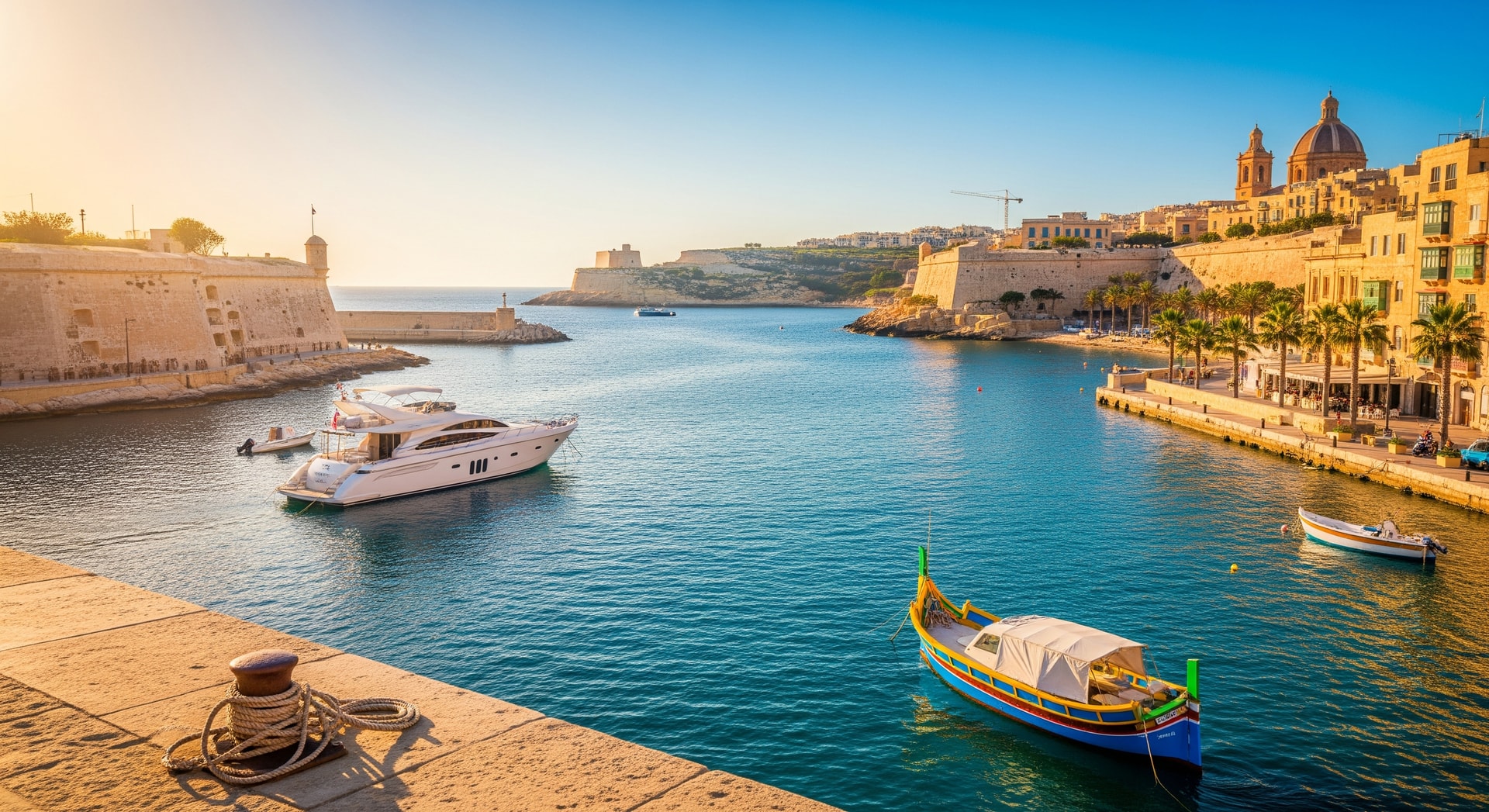
Malta has emerged as one of the fastest-growing European destinations, recording sharp gains in visitor numbers during the last year. Malta tourism growth is part of a wider continental rebound that also saw notable increases across France, the United Kingdom, the Netherlands, Iceland and Italy.
Malta: A Rising Star in European Tourism
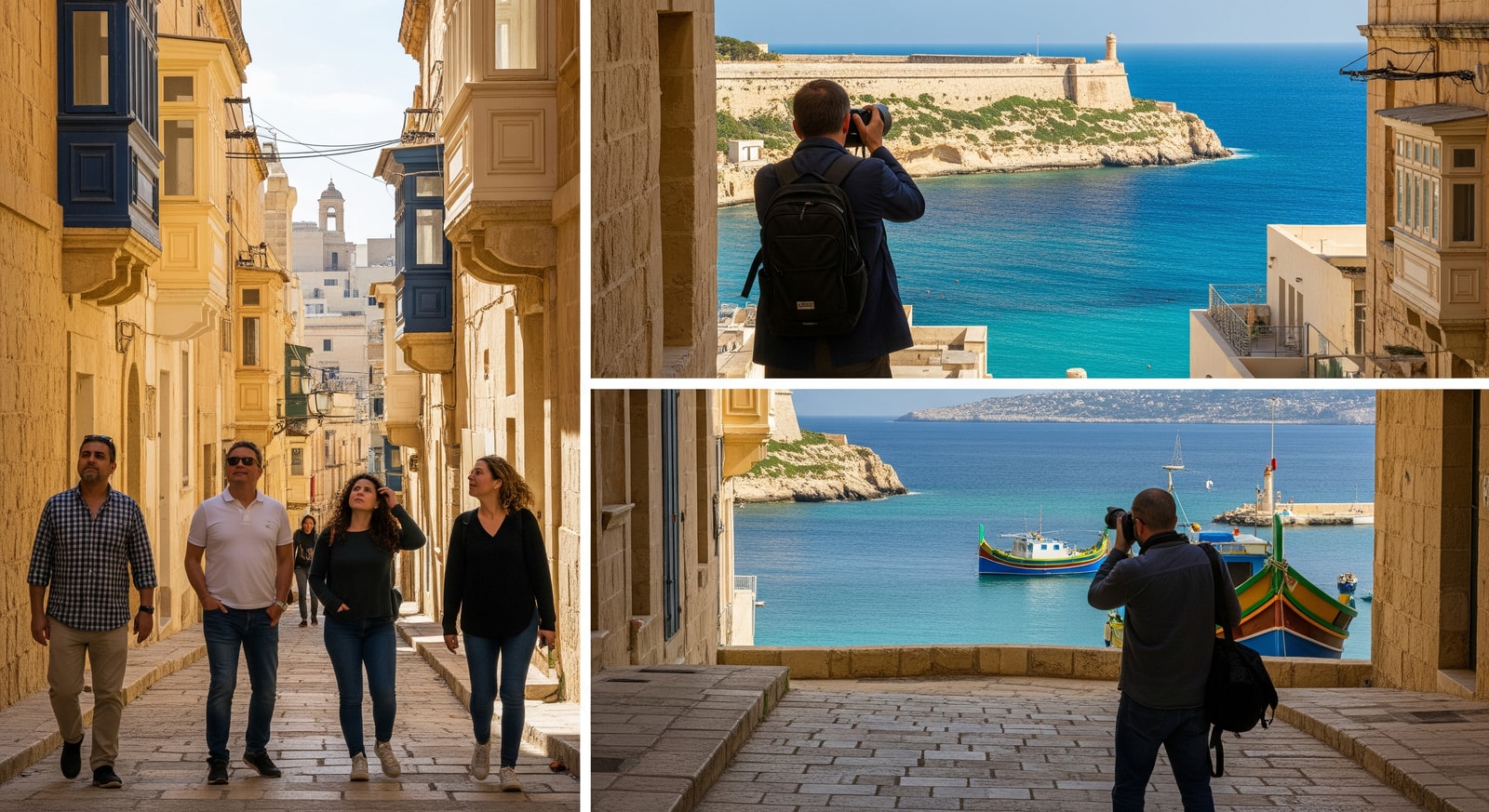
UN Tourism data shows Malta not only benefited from a surge in arrivals but also recorded a 14.9% increase in tourism receipts. The Mediterranean archipelago’s mix of beaches, heritage sites and growing cultural tourism appeal has helped boost demand from international visitors.
- Country: Malta
- Capital: Valletta
- Population: 514,000
- Currency: Euro (€)
- Official languages: Maltese and English
- Best time to visit: April to October
- Key attractions: Valletta, Mdina, Blue Lagoon, Gozo Island
- Famous for: Mediterranean beaches and UNESCO World Heritage sites
France: Continued Excellence in Tourism Receipts
France remains the world’s top tourist destination and posted an 8.9% rise in tourism receipts, driven by iconic cultural attractions, major metropolitan tourism in Paris and luxury travel demand across its regions.
- Country: France
- Capital: Paris
- Population: 67 million
- Currency: Euro (€)
- Official language: French
- Best time to visit: April to June, September to November
- Key attractions: Eiffel Tower, Louvre, Palace of Versailles
United Kingdom: Heritage and Events Drive Growth
The UK recorded an 8.8% increase in tourism receipts, reflecting sustained interest in its cultural sites, major events and city experiences from international travellers.
- Country: United Kingdom
- Capital: London
- Population: 67 million
- Currency: Pound Sterling (£)
- Official language: English
- Best time to visit: May to September
- Key attractions: Buckingham Palace, Tower of London, Stonehenge
Netherlands: Cultural and Scenic Appeal
The Netherlands posted a 6.6% rise in tourism receipts as visitors flock to its museums, canals and seasonal attractions, with Amsterdam remaining a central draw.
- Country: Netherlands
- Capital: Amsterdam
- Population: 17 million
- Currency: Euro (€)
- Official language: Dutch
- Best time to visit: April to May, September to November
- Key attractions: Rijksmuseum, Van Gogh Museum, Keukenhof Gardens
Iceland: Nature and Sustainable Travel
Iceland recorded a 5.0% increase in tourism receipts, with its volcanic landscapes, hot springs and northern lights experience continuing to attract nature-focused and eco-conscious travellers.
- Country: Iceland
- Capital: Reykjavik
- Population: 364,000
- Currency: Icelandic Króna (ISK)
- Official language: Icelandic
- Best time to visit: June to August
- Key attractions: Blue Lagoon, Golden Circle, Northern Lights
Italy: Enduring Appeal of Culture and Cuisine
Italy posted a 4.9% rise in tourism receipts, driven by its world-class art, heritage sites and culinary tourism across cities such as Rome, Venice and Florence.
- Country: Italy
- Capital: Rome
- Population: 60 million
- Currency: Euro (€)
- Official language: Italian
- Best time to visit: April to June, September to October
- Key attractions: Colosseum, Venice canals, Vatican City
What the European Rebound Means
UN Tourism’s figures show a continent-wide recovery led by established markets and rising stars alike. Improved demand for cultural, heritage and nature experiences is supporting higher receipts, while better connectivity and events calendar are helping sustain visitor volumes.
Why this matters: For travellers, the rebound means more options, renewed services and increased itineraries across Europe — from Malta’s Mediterranean offerings to Iceland’s natural spectacles. For the travel industry, sustained demand should encourage further investment in infrastructure, hospitality and sustainable tourism practices.
Sources