GCC travel safety warnings for 2026 highlight cities and border zones visitors should avoid, with Riyadh, Jeddah, Muscat and several Bahraini districts singled out.
Summary: Official travel advisories for 2026 identify specific unsafe zones across the GCC — including areas in Saudi Arabia, Kuwait, Oman and Bahrain — and urge travellers to avoid certain border zones, protest-prone districts, and other high-risk locations.
GCC travel safety warnings for 2026 highlight a mix of border risks, urban violence and civil unrest across the Gulf Cooperation Council. Governments have issued location-specific guidance for Saudi Arabia, Kuwait, Oman and Bahrain, while Qatar and the United Arab Emirates are subject to broader vigilance notices.
Overview of official advisories
Multiple governments have published travel guidance that identifies particular cities, suburbs and border regions in the Gulf as unsafe or unfavourable for visitors in 2026. The warnings reflect threats ranging from missile and drone strikes to civil unrest and unexploded ordnance left from past conflicts.
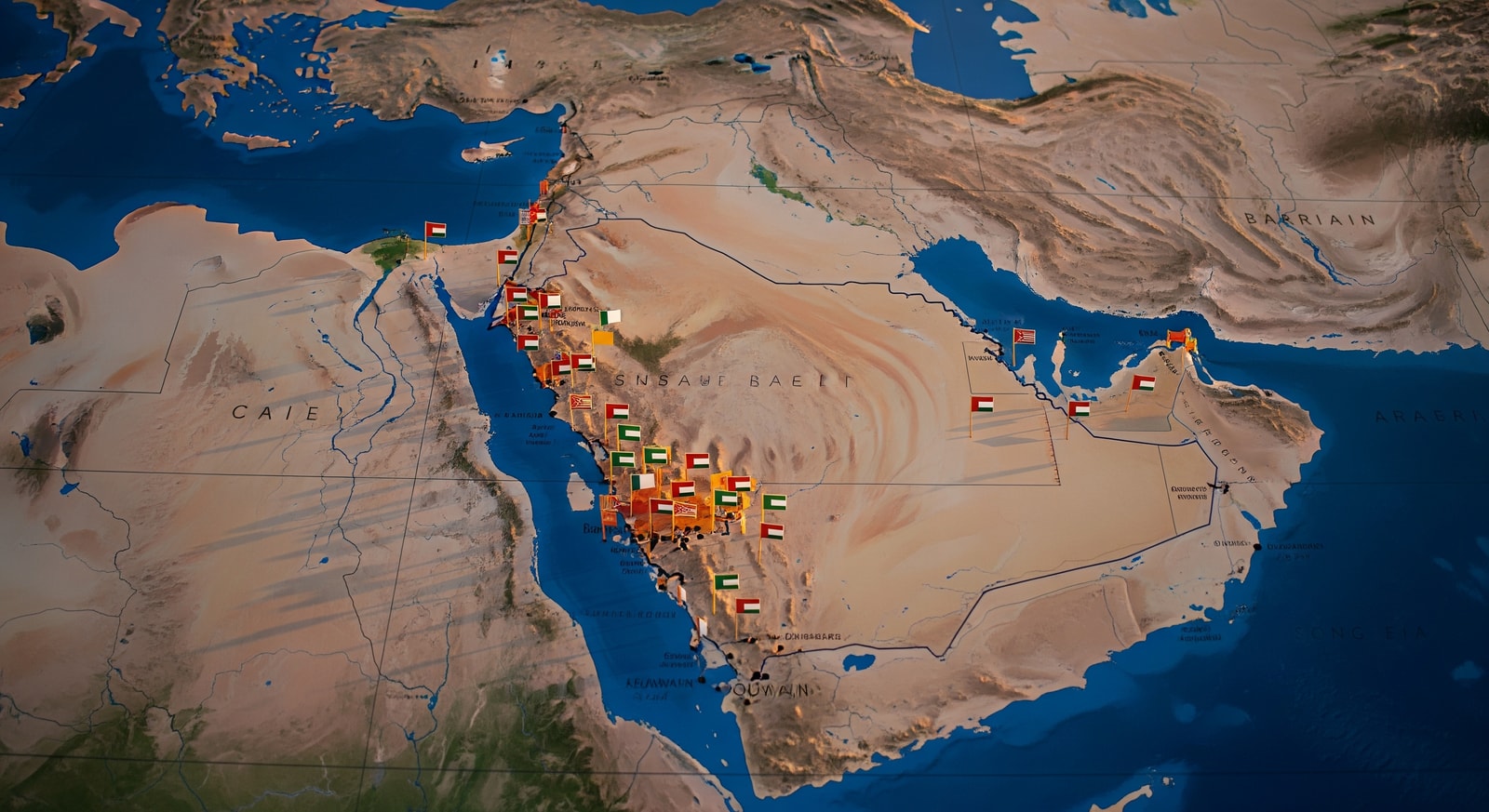
Saudi Arabia: Border strikes and urban targets
Advisories for Saudi Arabia caution travellers about areas near the Yemeni border and note that missiles and drones have struck infrastructure. Officials warn that Riyadh and Jeddah have been targeted, and that militants have attacked airports and oil facilities.
- UK guidance: Avoid travelling within 10 km of the Yemen border; travel only if essential up to 80 km because of cross‑border missiles and drones.
- US guidance: Do not travel to Najran; avoid the eastern suburbs of Qatif and Awamiyah due to missile, drone and terrorism risks.
- Officials note that airports and oil facilities have been targeted by militants and that strikes have hit key infrastructure.
Kuwait: Local crime and hazardous desert areas
While Kuwait is generally considered stable, official advice points to two distinct hazards: urban crime in specific districts and explosive remnants of war in desert zones near the Iraqi border.
- Jleeb Al‑Shuyoukh (near Kuwait City’s airport) is flagged for high crime; travellers are advised to exercise increased caution.
- The desert north of the Mutla’a Ridge and areas close to the Iraq border remain dangerous due to unexploded bombs, shells and landmines from the 1990 Gulf War — do not leave marked roads or touch abandoned objects.
Oman: Border spillover and past urban violence
Advisories for Oman focus on the potential for violence near the Yemeni border and note instances of urban violence that underline a continuing terrorism risk.
- Canada’s guidance: Avoid non‑essential travel within 10 km of the Yemen border because militias operate across the frontier and violence can spill over.
- Muscat’s Wadi Al Kabir district was the site of a 2024 shooting; officials continue to warn that terrorism remains a possibility, including against public buildings and markets.
Bahrain, Qatar and the UAE: Protests and general vigilance
Government notices draw attention to politically sensitive districts in Bahrain and recommend vigilance across Qatar and the UAE despite no city-specific prohibitions in those countries.
- Bahrain: Sitra, Karbabad, Adliya, Sanabis and Bani Jamra are cited as protest‑prone; demonstrations can involve burning tyres, Molotov cocktails and improvised explosive devices, causing violent clashes and road closures.
- Qatar: Assigned a Level 1 advisory — general caution and monitoring of regional tensions is advised.
- United Arab Emirates: Issued a Level 2 advisory because of the possibility of terrorist attacks and missile or drone strikes; travellers should remain vigilant.
What this means for travellers
These government‑verified advisories underline that travel to parts of the Gulf in 2026 carries specific risks. Visitors should consult their government travel advice before planning trips, avoid flagged districts and border zones, follow local media, and register with their embassy where possible.
So what? If you’re travelling to the GCC, these advisories mean you must plan with care: avoid designated high-risk areas, check official government guidance for updates, and prepare contingency plans in case of sudden unrest or security incidents.
Sources