
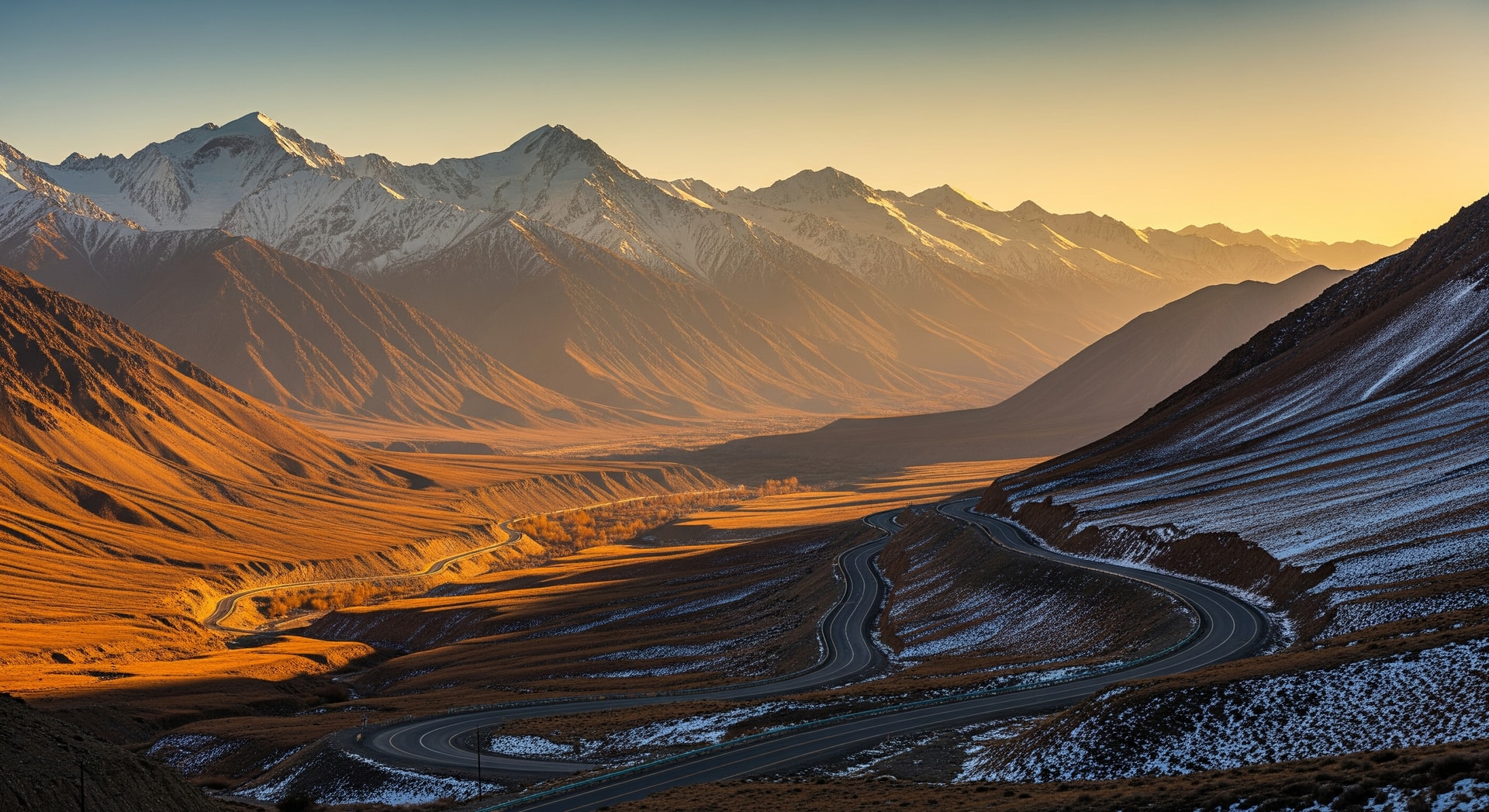
The Gorno-Badakhshan Autonomous Oblast (GBAO) represents one of the most extraordinary travel destinations on Earth — a vast mountainous realm covering nearly half of Tajikistan's territory where the legendary Pamir Highway winds through landscapes of staggering beauty, where ancient Silk Road heritage endures in remote valleys, and where welcoming Pamiri communities maintain traditions stretching back millennia. This high-altitude wonderland, often called the Roof of the World, includes snow-capped seven-thousanders, turquoise alpine lakes, natural hot springs, and the dramatic Wakhan Valley bordering Afghanistan. For adventurous travelers, GBAO offers experiences simply unavailable anywhere else on the planet.
However, entering this restricted region requires more than just a Tajikistan visa. The GBAO permit is a separate and mandatory travel authorization that all foreign visitors must obtain before traveling to Gorno-Badakhshan. Without this essential document, you cannot legally access the Pamir Highway, visit the stunning Wakhan Corridor, experience the high-altitude plateaus around Murghab, or witness the breathtaking beauty of Karakul Lake. Checkpoints throughout the region strictly verify permits, and travelers without valid documentation face fines, removal from the area, and potential difficulties with Tajik authorities.
This comprehensive guide covers everything you need to know about the GBAO permit in 2026, including what it is, why it's required, how to apply, where it grants access, and essential tips for making the most of your Pamir adventure. Whether you're planning the complete Pamir Highway traverse, a focused exploration of the Wakhan Valley, or trekking expeditions into remote mountain wilderness, understanding the GBAO permit process ensures your journey through Central Asia's most spectacular region begins without bureaucratic obstacles. The Pamirs have welcomed travelers along Silk Road routes for thousands of years — with proper documentation, you can join this extraordinary lineage of adventurers discovering the Roof of the World.
What is the GBAO Permit?
The GBAO permit is a special travel authorization required for all foreign nationals entering Tajikistan's Gorno-Badakhshan Autonomous Oblast, the country's eastern mountainous region comprising nearly half its total land area but home to only about three percent of its population. This permit exists separately from the standard Tajikistan visa and must be obtained in addition to your e-Visa or embassy-issued visa before traveling to the restricted region. The acronym GBAO derives from the Russian abbreviation for the region's official name, and you may also see it referred to as the Pamir permit, GBAO travel authorization, or simply the Badakhshan permit.
The Gorno-Badakhshan region holds special autonomous status within Tajikistan, reflecting its distinct cultural identity, geographic isolation, and sensitive border positions with Afghanistan and China. The Pamiri people who inhabit this highland realm maintain unique languages, traditions, and religious practices (predominantly Ismaili Islam) that distinguish them from the Tajik majority in the lowlands. This cultural distinctiveness, combined with the region's strategic importance and challenging security environment in the decades following Tajikistan's civil war, led authorities to establish the permit system as a means of monitoring foreign visitor movements through this remote and sensitive territory.
For travelers, the GBAO permit unlocks access to some of the most spectacular landscapes and authentic cultural experiences in all of Central Asia. Without this document, you cannot legally travel the Pamir Highway beyond the checkpoint at Kalaikhumb, explore the ancient Silk Road heritage of the Wakhan Valley, visit the stunning high-altitude lakes of Karakul and Yashilkul, experience the remote plateau town of Murghab, or cross the mountainous border into Kyrgyzstan via the Kyzyl-Art Pass. The permit is non-negotiable — checkpoints throughout GBAO systematically verify documentation, and there is no way to access this region without proper authorization.
The good news is that obtaining the GBAO permit has become significantly more convenient with Tajikistan's e-Visa system. Travelers can now apply for both their visa and GBAO permit simultaneously through the same online portal, receiving both authorizations together. This streamlined process has made Pamir travel more accessible than ever, removing bureaucratic barriers that previously required travelers to visit offices in Dushanbe and wait days for processing. With proper planning, your GBAO permit can be secured before you even depart for Tajikistan, ensuring seamless access to the Roof of the World.
Tajikistan
Capital: Dushanbe
Currency: Tajikistani Somoni (TJS)
Language: Tajik
Timezone: UTC+5
Processing: 2-3 business days
Quick Facts
- Population: 10 million
- GBAO covers 45% of Tajikistan's territory
- Home to Ismoil Somoni Peak (7,495m)
- Famous for: Pamir Highway, Wakhan Valley
GBAO Permit Quick Facts
Validity: Same as your Tajikistan visa (up to 60 days)
Coverage: All of Gorno-Badakhshan region
Cost: $20 USD (when applied with e-Visa)
Processing: 2-3 business days (with e-Visa)
Application: Online via evisa.tj portal
Required for: Pamir Highway, Wakhan Valley, Karakul Lake
Why is the GBAO Permit Required?
The GBAO permit requirement reflects a combination of historical, security, and administrative factors that make Gorno-Badakhshan a unique region within Tajikistan. Understanding why this permit exists helps travelers appreciate both the region's special character and the importance of proper documentation when exploring the Pamirs.
Historically, the permit system emerged following Tajikistan's devastating civil war (1992-1997), during which GBAO experienced significant conflict and instability. The mountainous region's remote valleys and porous borders with Afghanistan made monitoring movements essential for national security. While Tajikistan has stabilized dramatically since those troubled years, the permit system remains as an administrative mechanism for tracking foreign visitors in this sensitive border region. The Tajik government maintains it partly to monitor tourism flows and partly as a legacy system that provides data about who is traveling through areas adjacent to Afghanistan and China.
Geographically, GBAO encompasses nearly all of Tajikistan's borders with Afghanistan and China, representing strategically critical territory. The Wakhan Valley follows the Panj River, which forms the Afghan border for hundreds of kilometers, with Afghan villages visible across the narrow valley and historical crossing points that have facilitated trade for millennia. The eastern reaches of GBAO approach China's Xinjiang region, with road connections under development. This border sensitivity explains why authorities maintain controls on foreign visitor access, even as the security situation has improved considerably.
Culturally, the Pamiri people's distinct identity and autonomous status contribute to the region's special administrative treatment. The Pamirs are home to speakers of several Eastern Iranian languages distinct from Tajik, and the predominantly Ismaili Muslim population follows different religious traditions than the Sunni majority in lowland Tajikistan. This cultural distinctiveness, celebrated rather than suppressed in modern Tajikistan, nonetheless underlies the region's autonomous status and the separate permit requirement for visitors.
For practical purposes, the permit system allows authorities to maintain awareness of tourist flows through remote areas with limited infrastructure. In emergencies, knowing who is traveling where enables more effective response. The registration that occurs at checkpoints provides a record of visitor movements that can assist in search and rescue situations if travelers encounter difficulties in the mountains.
GBAO Permit is Strictly Enforced
There are no exceptions to the GBAO permit requirement. Multiple checkpoints along all routes into the region verify permits systematically. Travelers without valid documentation are turned back, fined, and may face additional difficulties with Tajik authorities. Apply for your permit before departure to ensure hassle-free access to the Pamir region.
Areas Covered by the GBAO Permit
The GBAO permit grants access to the entire Gorno-Badakhshan Autonomous Oblast, a vast mountainous region covering approximately 64,200 square kilometers in eastern Tajikistan. This single permit covers all destinations within GBAO — there are no additional permits or restricted zones within the region for tourists (though some border areas remain off-limits for security reasons). Understanding what the permit covers helps you plan an itinerary that makes the most of this essential authorization.
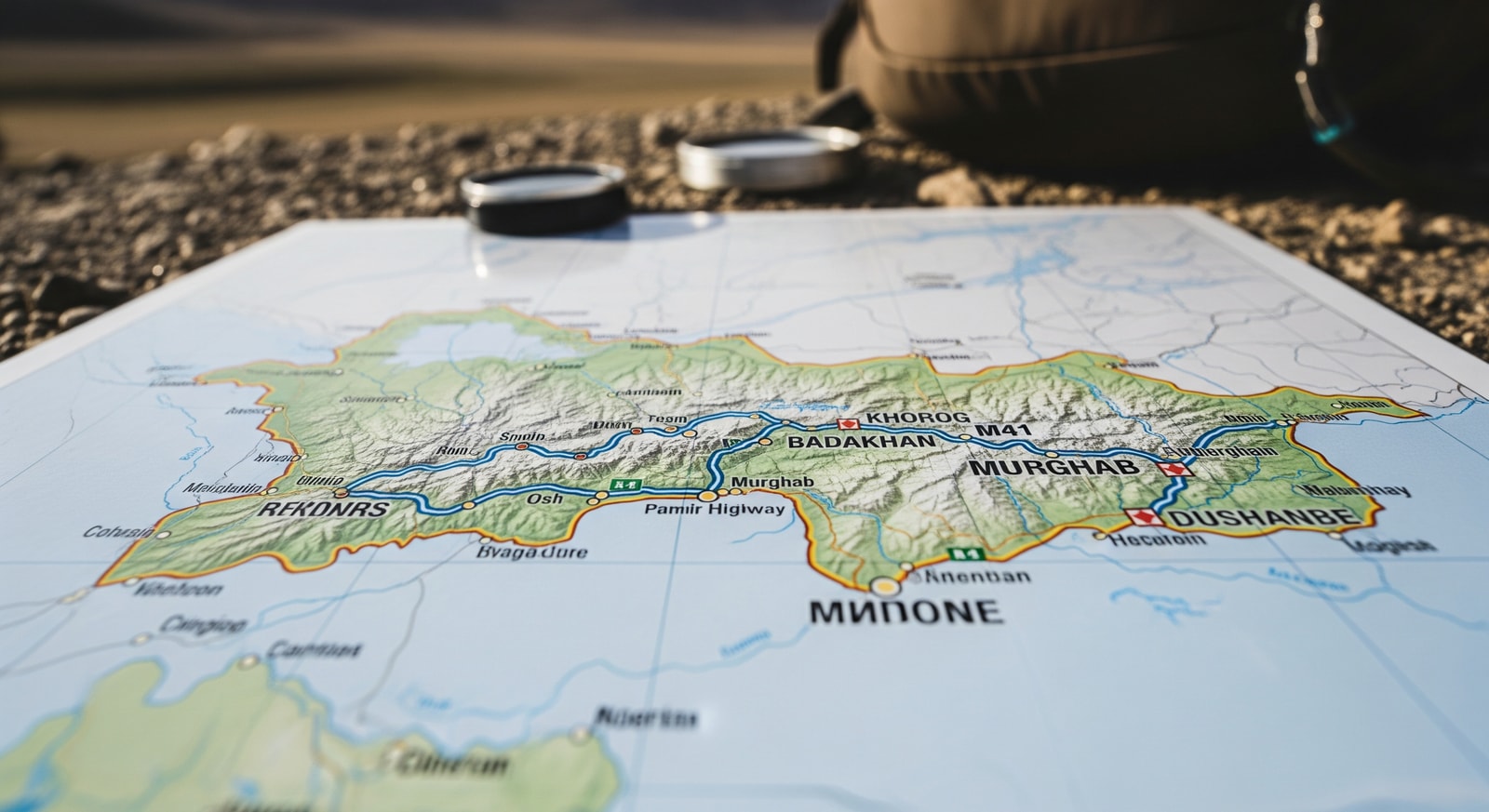
The complete Pamir Highway (M41) within Tajikistan falls under GBAO jurisdiction from the checkpoint at Kalaikhumb onwards. This legendary route traverses the heart of the Pamirs, crossing multiple passes above 4,000 meters, passing stunning alpine lakes, and connecting remote communities along one of the world's greatest road journeys. Every major destination along the highway — Khorog, Ishkashim, Langar, Alichur, Murghab, Karakul — requires the GBAO permit for legal access.
The Wakhan Valley, following the Afghan border along the Panj River, represents one of GBAO's most historically significant and scenically spectacular areas. This ancient Silk Road corridor contains remarkable fortresses like Yamchun and Khakha, the famous Bibi Fatima hot springs, prehistoric petroglyphs at Langar, and welcoming Pamiri communities in villages like Yamg and Vrang. The entire Wakhan section, from Ishkashim to where it rejoins the main highway, falls within GBAO and requires the permit.
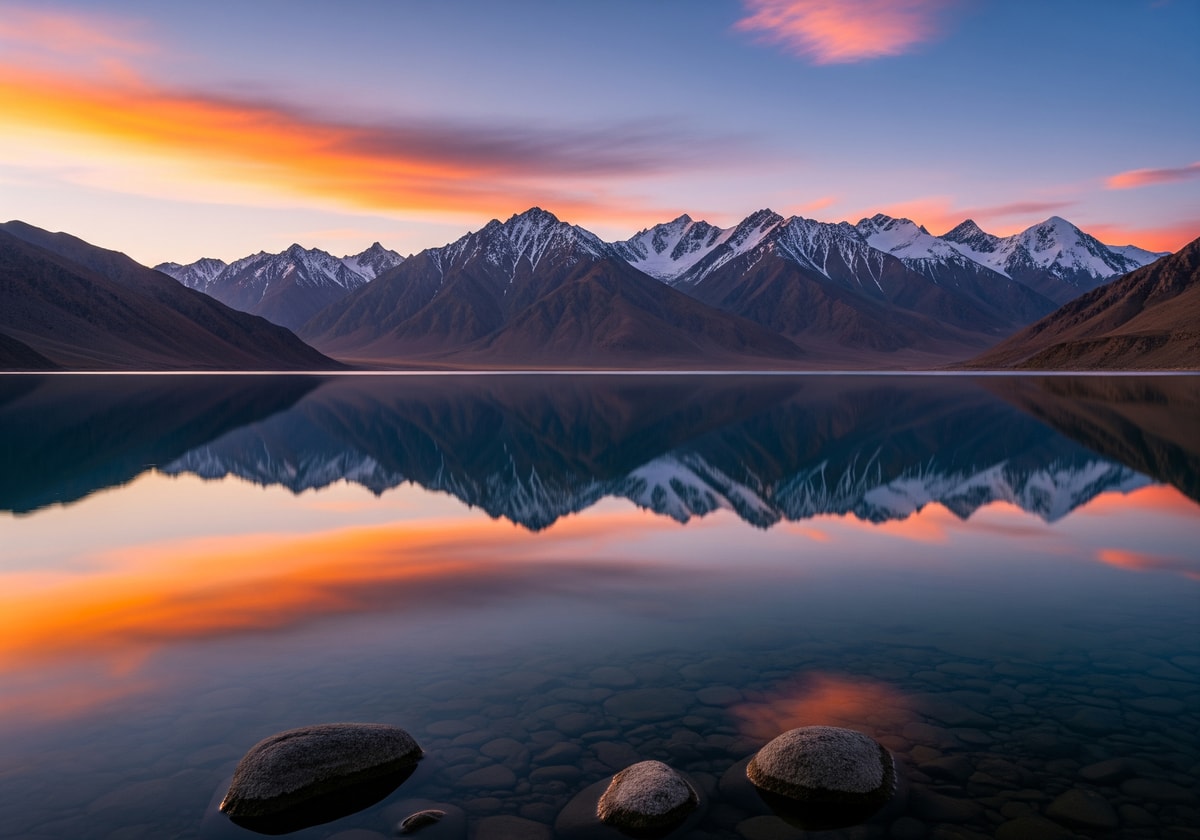
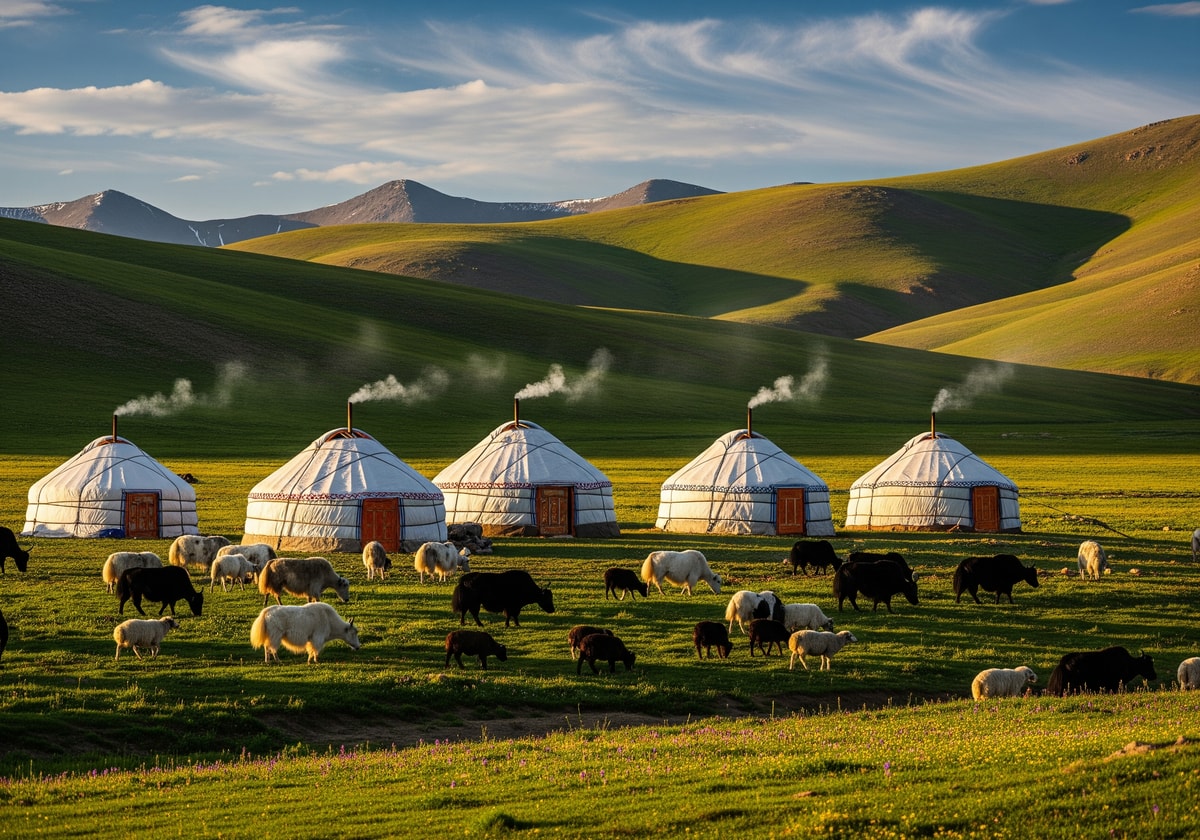
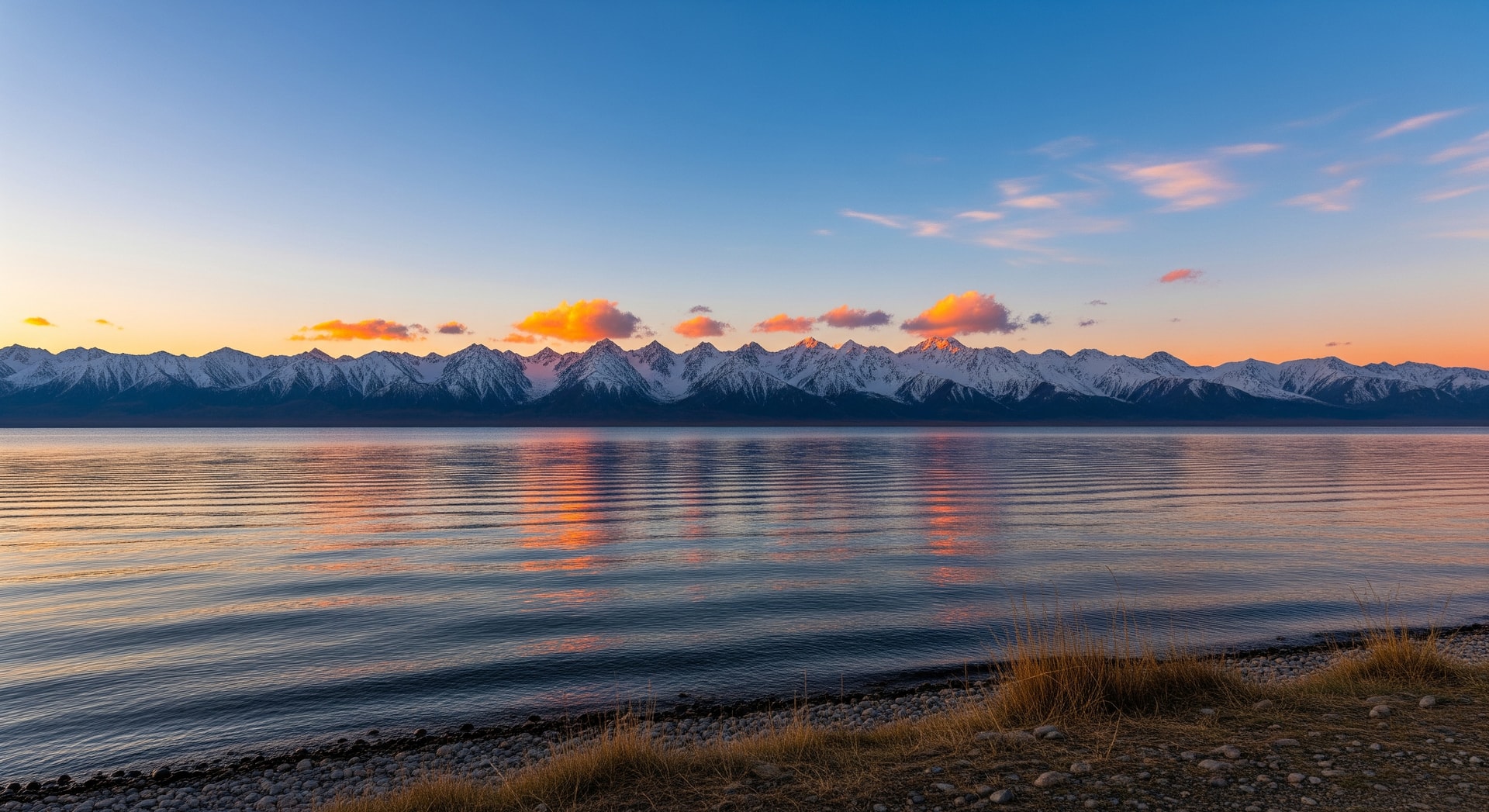
The high eastern plateaus around Murghab, sitting at over 3,600 meters elevation, offer a different Pamir experience — vast open landscapes, yurt camps, and a distinctly Central Asian character influenced by Kyrgyz herding traditions. Karakul Lake, one of the highway's most spectacular stops at 3,914 meters, shimmers beneath dramatic peaks near the Kyrgyz border. The Kyzyl-Art border crossing into Kyrgyzstan is also within GBAO territory.
Key GBAO Destinations
| Destination | Elevation | Highlights |
|---|---|---|
| Khorog | 2,200m | GBAO capital, bazaars, botanical garden, gateway to Pamirs |
| Ishkashim | 2,524m | Wakhan Valley gateway, Afghan border market, fortress ruins |
| Yamchun | 2,800m | Ancient Zoroastrian fortress, Bibi Fatima hot springs nearby |
| Langar | 2,900m | Buddhist petroglyphs, southern Wakhan access, homestays |
| Alichur | 3,860m | Remote plateau village, lakes, hot springs |
| Murghab | 3,618m | Eastern hub, Kyrgyz culture, yurt stays, high plateau |
| Karakul Lake | 3,914m | Stunning alpine lake, mountain reflections, border region |
How to Apply for the GBAO Permit
The most efficient and recommended method for obtaining the GBAO permit is applying simultaneously with your Tajikistan e-Visa through the official government portal at evisa.tj. This integrated approach processes both authorizations together, typically within 2-3 business days, and delivers them to your email as a single document ready for travel. The combined application costs $70 USD total ($50 for the e-Visa plus $20 for the GBAO permit), representing excellent value for the access it provides.
The online application process is straightforward. When completing your e-Visa application, you'll encounter an option to add the GBAO permit to your application. Simply select this option and the permit fee is added to your total payment. The system processes both applications together, and upon approval, your e-Visa document will include GBAO authorization. There's no separate permit document — your approved e-Visa serves as proof of both visa and GBAO permit when presenting to immigration officials and checkpoint staff.
For travelers who already hold a valid Tajikistan visa obtained through an embassy or who failed to include GBAO authorization in their e-Visa application, the permit can be obtained at the OVIR (visa and registration office) in Dushanbe. This process requires visiting the office in person with your passport, current visa, passport photos, and a completed application form. Processing typically takes 1-3 business days, and the fee is approximately $20-30 USD. While functional, this approach is less convenient than the online application and may delay your travel plans if you're hoping to depart for the Pamirs immediately upon arrival.
When planning your application timing, apply for your e-Visa with GBAO permit at least two weeks before your intended travel date. While processing usually completes within a few days, allowing buffer time accounts for any delays, corrections needed, or questions from authorities. Peak travel season (June-September) may see slightly longer processing times due to higher application volumes.
- Visit the official Tajikistan e-Visa portal at www.evisa.tj
- Create an account using your email address
- Select 'Tourist Visa' as your visa type
- Check the box to include GBAO permit in your application
- Complete all personal information matching your passport exactly
- Upload a clear scan of your passport bio page (JPEG or PDF, max 1MB)
- Upload a passport-style photograph meeting specified requirements
- Enter your travel dates, entry point, and accommodation details
- Review all information carefully for accuracy
- Pay the combined fee ($70 USD) via credit or debit card
- Submit and note your application reference number
- Wait 2-3 business days for processing and email notification
- Download and print your approved e-Visa with GBAO authorization
Always Apply for GBAO with Your e-Visa
Even if you're uncertain about your Pamir Highway plans, it's worth including the GBAO permit in your e-Visa application. The additional $20 provides flexibility to explore the region if opportunities arise, and many travelers end up extending their Pamir adventures beyond initial plans once they experience the spectacular scenery. Getting the permit in Dushanbe later wastes valuable travel time.
GBAO Permit Fees and Processing Time
The GBAO permit fee structure is straightforward and represents excellent value considering the vast region it unlocks for exploration. When applied through the e-Visa system, the total cost of $70 USD covers both your Tajikistan tourist visa (normally $50) and the GBAO permit ($20 additional). This combined pricing makes the permit essentially a modest add-on to your standard visa costs for access to nearly half of Tajikistan's territory and its most spectacular attractions.
Processing times for the combined e-Visa and GBAO permit application typically run 2-3 business days. During peak travel season (June through September), processing may occasionally extend to 5 business days due to higher application volumes. Holidays and weekends don't count toward processing time. The e-Visa portal provides application status tracking using your reference number, and you'll receive email notification when your authorization is approved and ready for download.
For those obtaining the GBAO permit separately at OVIR in Dushanbe, expect to pay $20-30 USD (fees can vary slightly) and wait 1-3 business days for processing. The office is located in central Dushanbe and operates weekday business hours. You'll need your passport, current Tajikistan visa, passport photos, and completed application forms. While staff are generally helpful, language barriers can make the process challenging for those without Russian skills.
GBAO Permit Fee Structure
| Application Method | Fee | Processing Time | Convenience |
|---|---|---|---|
| With e-Visa (online) | $20 (+ $50 visa) | 2-3 business days | Highly convenient - recommended |
| OVIR Dushanbe (in-person) | $20-30 | 1-3 business days | Requires office visit and waiting |
| Through tour operator | Varies ($30-50) | Arranged in advance | Convenient if using agency |
Payment Information
Online payment: Visa and Mastercard accepted
Fees are non-refundable once submitted
Combined e-Visa + GBAO: $70 USD total
No hidden fees on official portal
Receipt provided via email confirmation
Traveling the Pamir Highway with Your GBAO Permit
The Pamir Highway stands as one of the world's greatest road journeys — a 1,200-kilometer route connecting Dushanbe with Osh in Kyrgyzstan through landscapes that challenge comprehension in their scale and beauty. This legendary road, officially designated the M41, reaches 4,655 meters at Ak-Baital Pass, making it the second-highest international highway on Earth after the Karakoram Highway. Your GBAO permit is your ticket to experiencing every kilometer of this extraordinary route through the heart of the Pamir Mountains.
The journey typically begins from Dushanbe, Tajikistan's capital, with travelers heading east toward the mountains. The first major checkpoint where your GBAO permit will be verified is at Kalaikhumb, where the highway officially enters Gorno-Badakhshan territory. Here, officials check both your Tajikistan visa and GBAO authorization, register your details, and allow you to proceed into the restricted region. Keep your permit documents easily accessible, as you'll encounter additional checkpoints at various points along the highway, particularly at district boundaries and sensitive locations.
The highway divides into two main routes between Khorog and Murghab. The southern route through the Wakhan Valley follows the Afghan border and offers spectacular Silk Road heritage sites, while the direct northern route climbs through the high Bartang Valley. Most travelers incorporate at least part of the Wakhan into their itinerary, as the ancient fortresses, hot springs, and views across to Afghanistan's Hindu Kush create unforgettable experiences. Both routes eventually converge and continue east to Murghab and the Kyrgyz border.
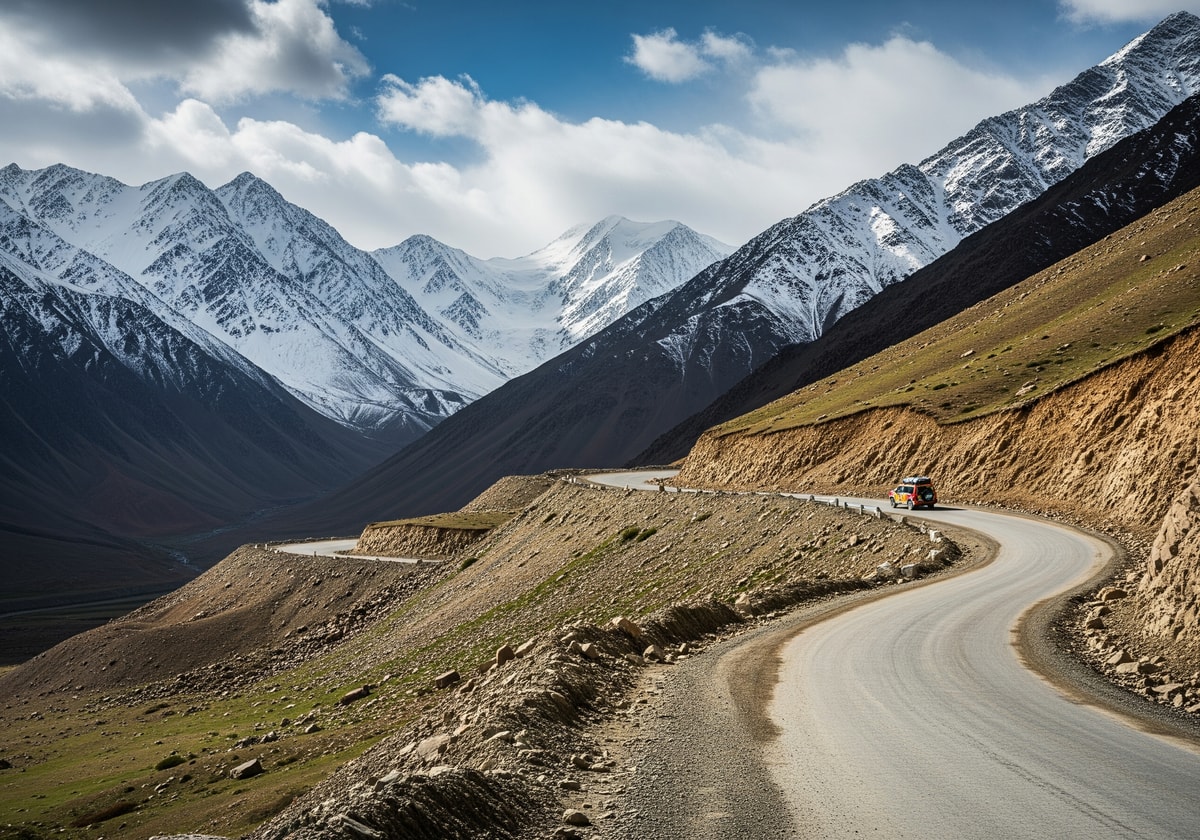
Road conditions vary dramatically along the highway. Some sections feature well-maintained asphalt, while others deteriorate to rough gravel, boulder-strewn tracks, or even river crossings. The eastern sections between Khorog and Murghab generally present the most challenging conditions. A robust 4x4 vehicle is strongly recommended, and most travelers opt for shared jeep transport or private drivers rather than attempting self-drive journeys. Local drivers know the road intimately, can handle breakdowns and difficult sections, and provide invaluable cultural insights along the way.
You need a special additional permit for the Afghan border areas in the Wakhan Valley
The standard GBAO permit covers the entire Wakhan Valley, including all areas along the Afghan border that are accessible to tourists. No additional permits are required for visiting Yamchun Fortress, Bibi Fatima hot springs, Langar petroglyphs, or any other tourist destinations in the Wakhan. The GBAO permit is your only required authorization for the entire Gorno-Badakhshan region.
Exploring the Wakhan Valley
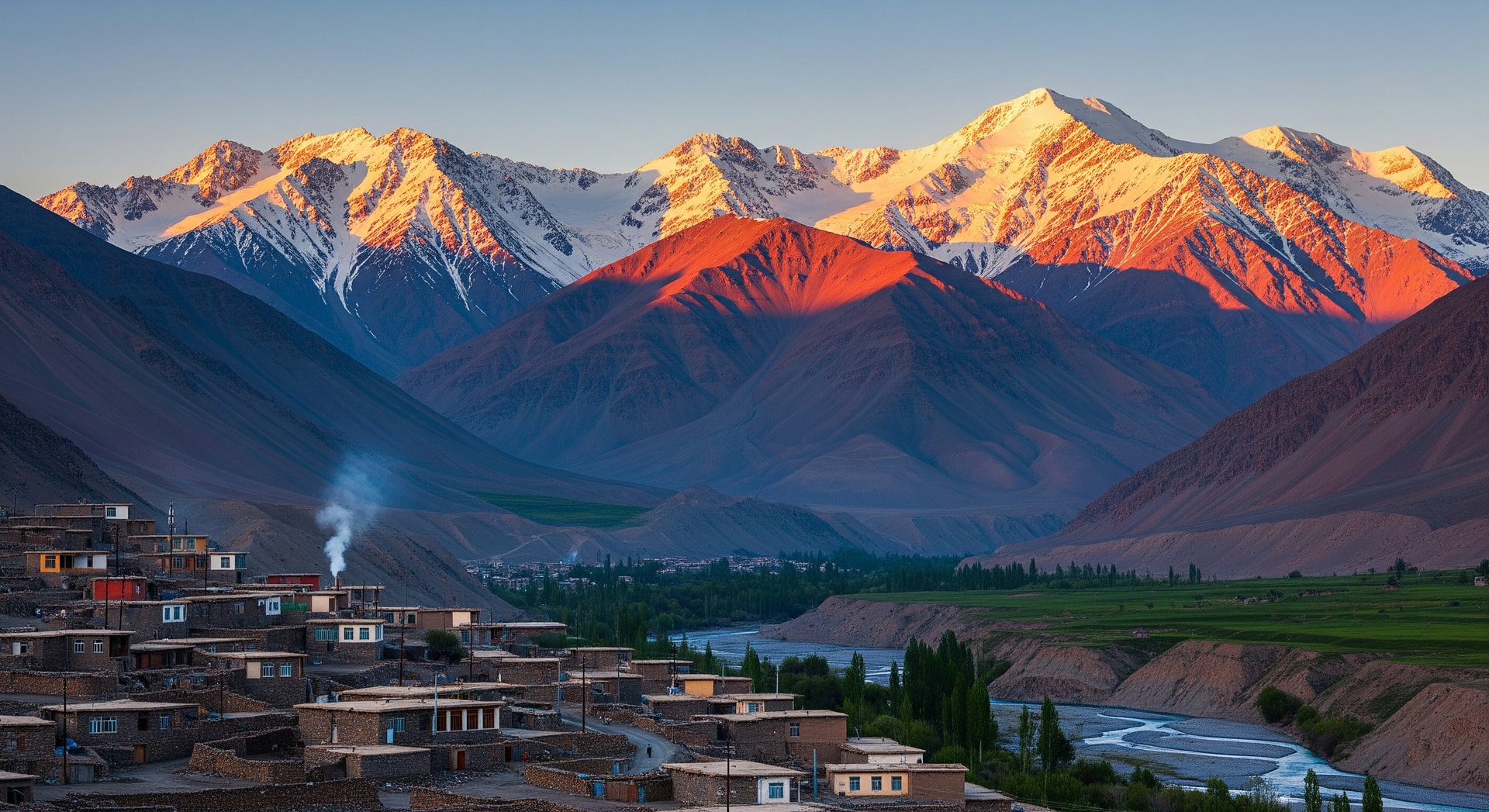
The Wakhan Valley represents one of the most historically significant and scenically dramatic corridors in all of Central Asia. This narrow valley follows the Panj River, which forms the border between Tajikistan and Afghanistan for hundreds of kilometers, with Afghan villages visible across the water and the snow-capped peaks of the Hindu Kush rising beyond. For millennia, this route served as a crucial Silk Road artery connecting the civilizations of China, India, Persia, and the Mediterranean. Today, with your GBAO permit, you can follow in the footsteps of ancient traders, Buddhist pilgrims, and Marco Polo himself through landscapes that have changed remarkably little over the centuries.
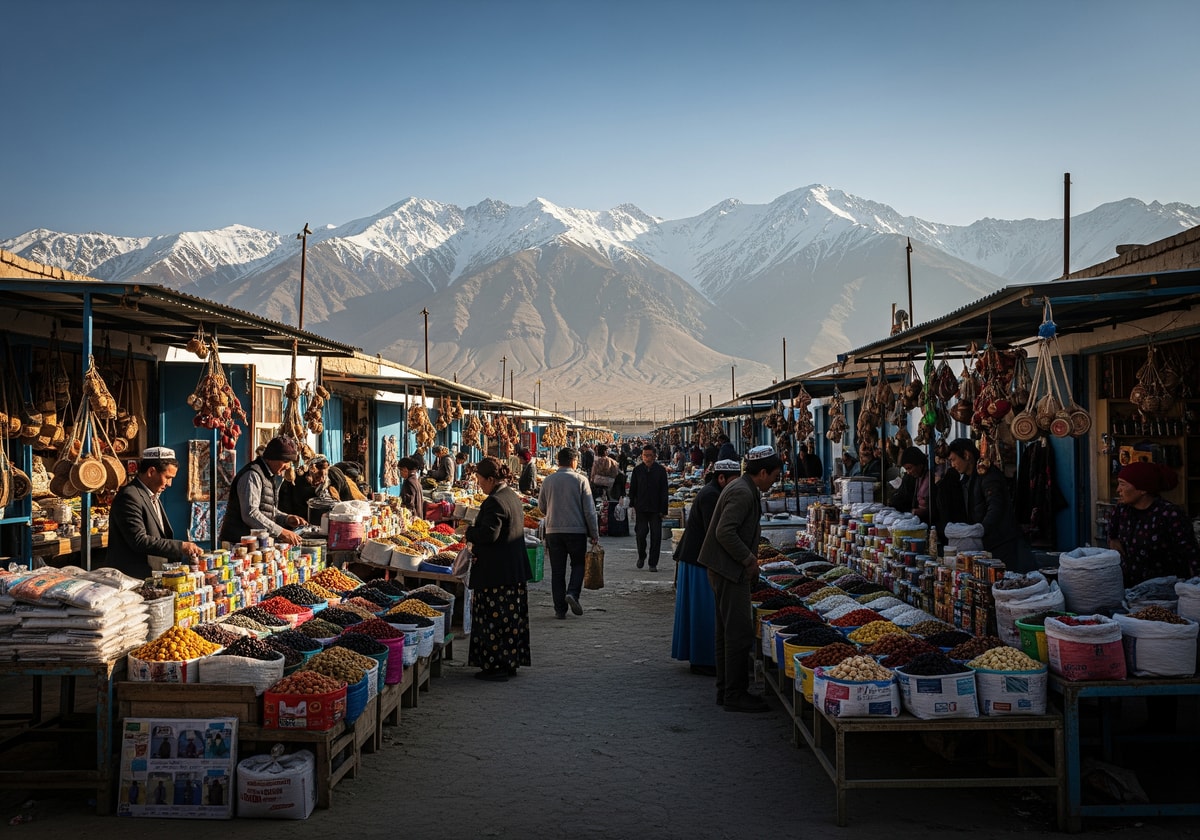
The Wakhan experience typically begins at Ishkashim, where the highway turns south along the Afghan border. The town hosts a famous cross-border market on Saturdays where Afghan traders bring goods to sell — one of the few places travelers can directly witness the peaceful commerce that has connected these communities for generations. From Ishkashim, the road winds through a series of remarkable villages, each offering unique attractions and authentic Pamiri hospitality.
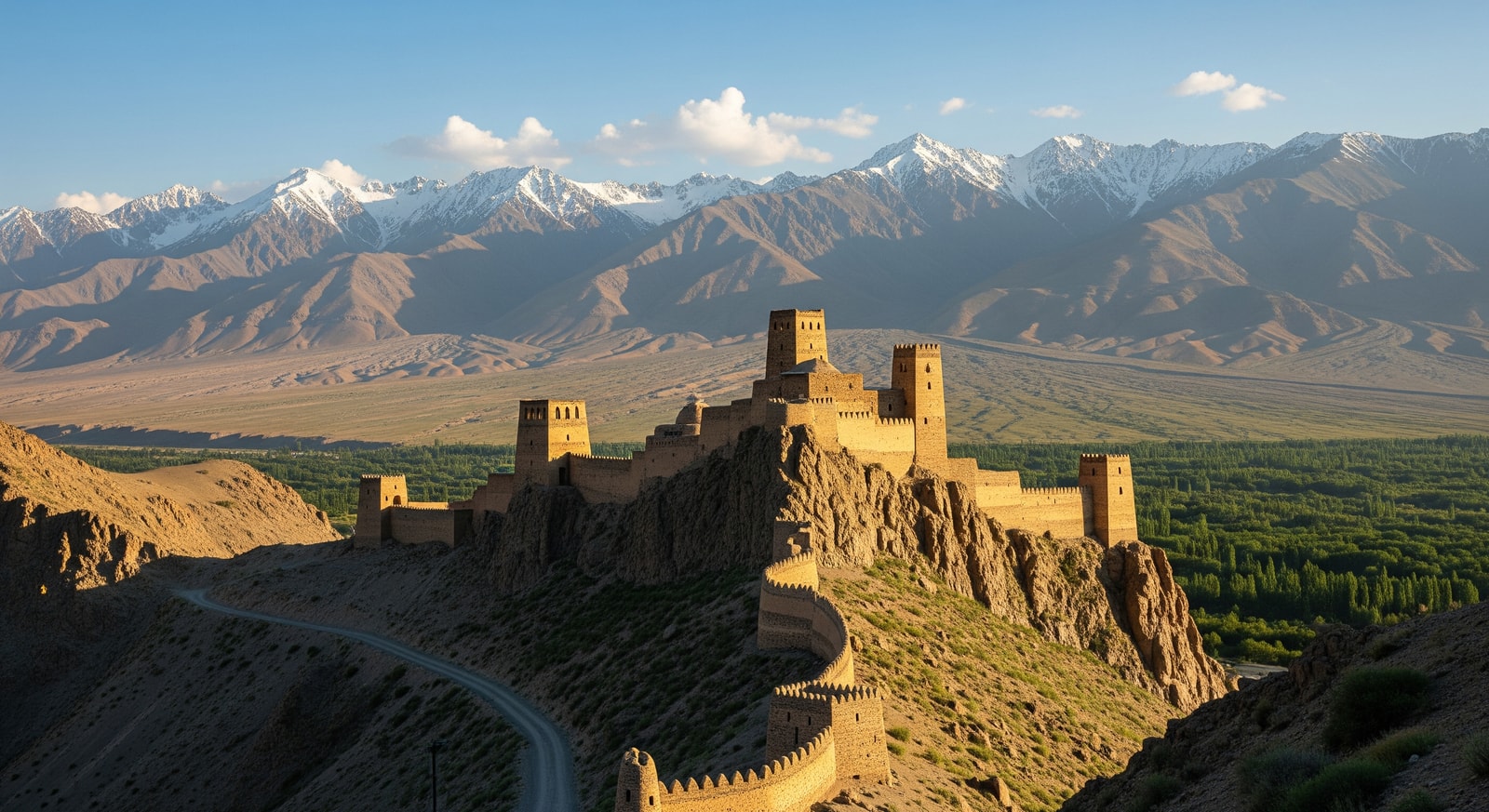
Yamchun Fortress stands as the Wakhan's most impressive historical monument — a dramatic Zoroastrian-era fortification perched on a rocky promontory overlooking the valley and Afghanistan beyond. Dating back over 2,000 years, these ruins evoke the strategic importance this corridor held for ancient powers controlling Silk Road trade. Nearby, the Bibi Fatima hot springs offer welcome relaxation in natural thermal pools, traditionally believed to enhance fertility and named for the Prophet Muhammad's daughter.
The village of Langar provides access to remarkable Buddhist-era petroglyphs carved into riverside boulders — evidence of the diverse religious traditions that once coexisted along these trade routes. Further along the valley, the communities of Yamg and Vrang offer homestay experiences with welcoming Pamiri families, opportunities to learn about local traditions, and spectacular mountain viewpoints. The sense of traveling through living history, combined with the ever-present drama of the Hindu Kush rising across the valley, makes the Wakhan an essential component of any comprehensive GBAO exploration.
- Ishkashim: Gateway town with weekly Afghan border market (Saturdays), basic services, and access to Wakhan exploration
- Yamchun Fortress: Spectacular 2,000+ year old Zoroastrian ruins with commanding valley views — one of GBAO's must-see sites
- Bibi Fatima Hot Springs: Natural thermal pools in dramatic setting, separate areas for men and women, welcoming after long drives
- Langar: Village with ancient Buddhist petroglyphs, homestay options, and access to southern Wakhan and hiking routes
- Yamg: Traditional Pamiri village with sacred shrines, solar calendar museum, and warm hospitality
- Vrang: Dramatic location with Buddhist stupa ruins and spectacular valley panoramas
Essential GBAO Travel Tips
Traveling in GBAO requires more preparation and flexibility than typical tourist destinations, but the rewards for those who embrace the adventure are extraordinary. The Pamir region remains genuinely remote, with limited infrastructure, challenging conditions, and few safety nets for unprepared travelers. Understanding practical realities before arrival helps ensure a safe, enjoyable, and memorable journey through the Roof of the World.
The most critical consideration for GBAO travel is altitude. Much of the region lies above 3,000 meters, with the highway reaching 4,655 meters at Ak-Baital Pass and popular destinations like Karakul Lake sitting at nearly 4,000 meters. Altitude sickness can affect anyone regardless of fitness level, with symptoms including headache, nausea, fatigue, and shortness of breath. Proper acclimatization is essential — spend at least 2-3 nights in Khorog (2,200m) before ascending to higher elevations. Stay well-hydrated, avoid alcohol in the first days at altitude, and know when to descend if symptoms worsen. Ignoring altitude warnings can lead to serious, potentially life-threatening conditions.
Cash is absolutely essential in GBAO. ATMs exist only in Khorog (and they frequently malfunction or run empty), and credit cards are virtually never accepted outside a handful of Khorog establishments. Bring sufficient US dollars (crisp, undamaged bills) to cover your entire time in the region. Budget approximately $40-60 per person per day for basic travel including homestay accommodation, meals, and local transport. Private 4x4 hire with driver costs significantly more. Exchange money at banks or official exchange offices in Dushanbe before departure.
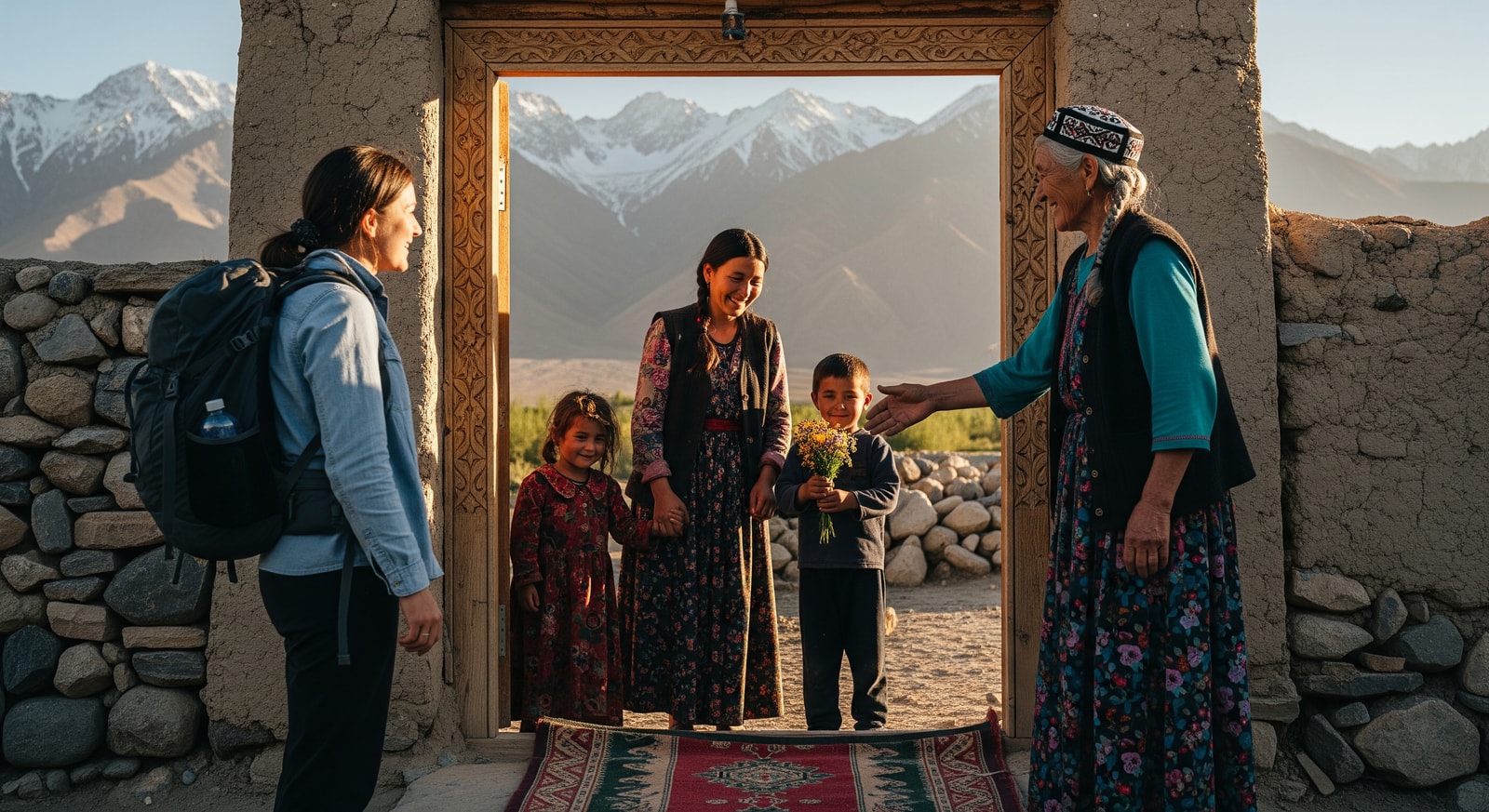
Accommodation throughout GBAO consists primarily of homestays — rooms in local family homes with basic facilities. Expect shared bathrooms, sometimes limited hot water, and simple but hearty meals prepared by your hosts. The hospitality is genuine and the cultural immersion invaluable, but facilities are not luxurious. Bringing your own sleeping bag significantly improves comfort. Khorog offers a few proper guesthouses with slightly better amenities, and Murghab has basic hostels catering to backpackers. Yurt camps on the eastern plateau provide memorable high-altitude accommodation experiences.
Checkpoint Documentation Tips
Keep your passport, e-Visa with GBAO permit, and any registration documents in an easily accessible location — you'll present them at multiple checkpoints. Officials typically record your details in a register. Be patient and polite; the process usually takes only a few minutes. Having printed copies of your e-Visa is recommended as backup, though officials can verify electronic versions.
- Best travel season: June through September offers optimal conditions with open passes, warm days, and operating services. July-August sees peak visitor numbers while June and September provide fewer crowds with cooler temperatures
- Vehicle considerations: 4x4 vehicles are strongly recommended. Shared jeeps connect major towns; private hire with driver offers flexibility and is recommended for comprehensive exploration
- Fuel planning: Fill your tank whenever possible. Fuel stations are scarce and may have limited or no supply. Carry reserve fuel for remote sections
- Communications: Mobile coverage exists in major towns but is absent across most of GBAO. Inform contacts of your itinerary before entering remote areas. Satellite communication devices provide backup for emergencies
- Food and water: Homestays provide meals; carry snacks for long driving days. Drink only bottled or boiled water. Carry water purification for trekking
- Medical preparation: Bring comprehensive first aid kit and personal medications. Medical facilities are extremely limited outside Khorog. Travel insurance with evacuation coverage is essential
- Warm clothing: Temperatures drop dramatically at night at altitude, even in summer. Bring warm layers for evenings and high passes
- Photography: Ask permission before photographing people. Avoid photographing border installations, military facilities, or sensitive checkpoints
The GBAO region is dangerous due to proximity to Afghanistan and past conflicts
GBAO is generally safe for tourists and has been for many years. The Tajik-Afghan border areas in the Wakhan are peaceful, with communities on both sides maintaining centuries-old trading relationships. The conflicts of Tajikistan's civil war ended decades ago, and the region now welcomes thousands of international visitors annually. Standard travel precautions apply, but security concerns should not deter visitors from experiencing this extraordinary region.
Travel Insurance is Essential
Comprehensive travel insurance with emergency medical evacuation coverage is absolutely essential for GBAO travel. Medical facilities in the Pamirs are extremely limited, and serious conditions require evacuation to Dushanbe or out of country. Ensure your policy covers high-altitude travel (up to 5,000m), adventure activities if applicable, and helicopter evacuation from remote areas. Standard policies may exclude activities above certain altitudes — verify your coverage carefully before departure.
Frequently Asked Questions
Is the GBAO permit really necessary, or can I travel without it?
How long does the GBAO permit take to process?
Can I get the GBAO permit after arriving in Tajikistan?
Does the GBAO permit allow me to cross into Kyrgyzstan?
What happens at GBAO checkpoints?
Are there areas within GBAO that require additional permits?
How long is the GBAO permit valid?
What is the best time of year to visit GBAO?
Do I need to register my GBAO permit separately once in the region?
Can I apply for GBAO permit if I already have a Tajikistan visa from an embassy?
Ready to Explore the Pamirs?
Begin Your Pamir Adventure
The GBAO permit unlocks access to one of Earth's last great travel frontiers — a vast mountainous realm where the legendary Pamir Highway delivers one extraordinary vista after another, where ancient Silk Road history lives on in fortress ruins and welcoming communities, and where the simple act of traveling through spectacular landscapes creates memories that fundamentally change how you see the world. This is not a destination for those seeking comfort and convenience, but for those who embrace the adventure with proper preparation, the Pamirs deliver experiences available nowhere else on the planet.
With the e-Visa system, obtaining your GBAO permit has never been more straightforward. A few clicks, a small fee, and within days you hold authorization to explore nearly half of Tajikistan's territory — from the regional capital of Khorog with its Soviet-era botanical garden and bustling bazaar, through the historic Wakhan Valley where Afghanistan shimmers across the Panj River, over passes exceeding 4,000 meters where the air thins and the peaks seem to touch the sky, to the remote eastern plateaus where Kyrgyz herders maintain nomadic traditions in the shadow of seven-thousanders. Each kilometer of this journey writes new chapters in a travel story you'll share for the rest of your life.
The Pamirs have welcomed travelers along Silk Road routes for more than two thousand years — merchants bearing silk and spices, Buddhist pilgrims seeking enlightenment, adventurers drawn by the same magnetic pull that attracts you today. With your passport, e-Visa, and GBAO permit properly arranged, you join this extraordinary lineage of travelers discovering the Roof of the World. The mountains are calling, the highway awaits, and the welcoming Pamiri people are ready to share their spectacular homeland with those who make the journey. Check your visa requirements, secure your permits, prepare for altitude and adventure, and begin planning your expedition to one of the most remarkable places on Earth.
Get the DoVisa App
Store your Tajikistan visa and GBAO permit, access offline travel information for your Pamir adventure.




Comments(10)
Leave a Comment
Just finished the complete Pamir Highway from Dushanbe to Osh — 10 days of the most incredible landscapes I've ever experienced. The GBAO permit process was seamless when applying with my e-Visa. Every checkpoint was professional and quick. Don't hesitate — this journey is absolutely worth it!
The Wakhan Valley was my favorite part of the entire trip. Seeing Afghanistan across the river, visiting Yamchun Fortress at sunset, soaking in Bibi Fatima hot springs after long driving days — magical experiences. The homestays in Yamg and Langar were wonderful, such warm hospitality from the Pamiri families.
Question: Is it possible to do the Pamir Highway by bicycle? I'm an experienced cycle tourist and want to attempt this route next summer.
Pro tip for the high passes: take altitude seriously! I got quite sick at Ak-Baital Pass because we drove up too quickly from Khorog. Spend extra nights acclimatizing in Alichur or Murghab before attempting the highest sections. The views are worth it when you're feeling well enough to appreciate them.
Karakul Lake at sunrise was a spiritual experience. We stayed at a simple yurt by the lake and woke before dawn to watch the light change on the mountains. The reflection in the perfectly still water was unlike anything I've photographed before. Bring warm layers — it was freezing even in July!
How difficult is it to find transport along the Pamir Highway? I'm a solo traveler and worried about getting stuck somewhere.
The petroglyphs at Langar blew my mind — Buddhist carvings from centuries ago along what was once a major Silk Road route. Standing there looking at ancient art with Afghanistan visible across the valley, I felt connected to thousands of years of human history. This region is a living museum.
Bring way more cash than you think you'll need! The ATM in Khorog was broken during my entire visit, and there's literally nothing in Murghab or the Wakhan. I had to be very careful with spending toward the end of my trip. Budget at least $50-60 per day and bring extra as backup.
Our driver was worth every dollar. He knew the road intimately, found hot springs not in any guidebook, introduced us to families in villages where we shared incredible meals, and got us through the rough sections safely. Don't cheap out on transport — it makes all the difference.
Just applied for my e-Visa with GBAO permit following this guide — approved in exactly 2 business days! The process was completely straightforward. Now counting down the days until my June departure. This guide answered all my questions about what to expect. Thank you!