

New Zealand, known to the indigenous Māori as Aotearoa ("Land of the Long White Cloud"), is a breathtaking destination that captures the imagination of travelers worldwide. This island nation in the southwestern Pacific Ocean offers an extraordinary blend of dramatic landscapes, unique wildlife found nowhere else on Earth, rich indigenous culture, and warm hospitality that makes every visitor feel welcome.
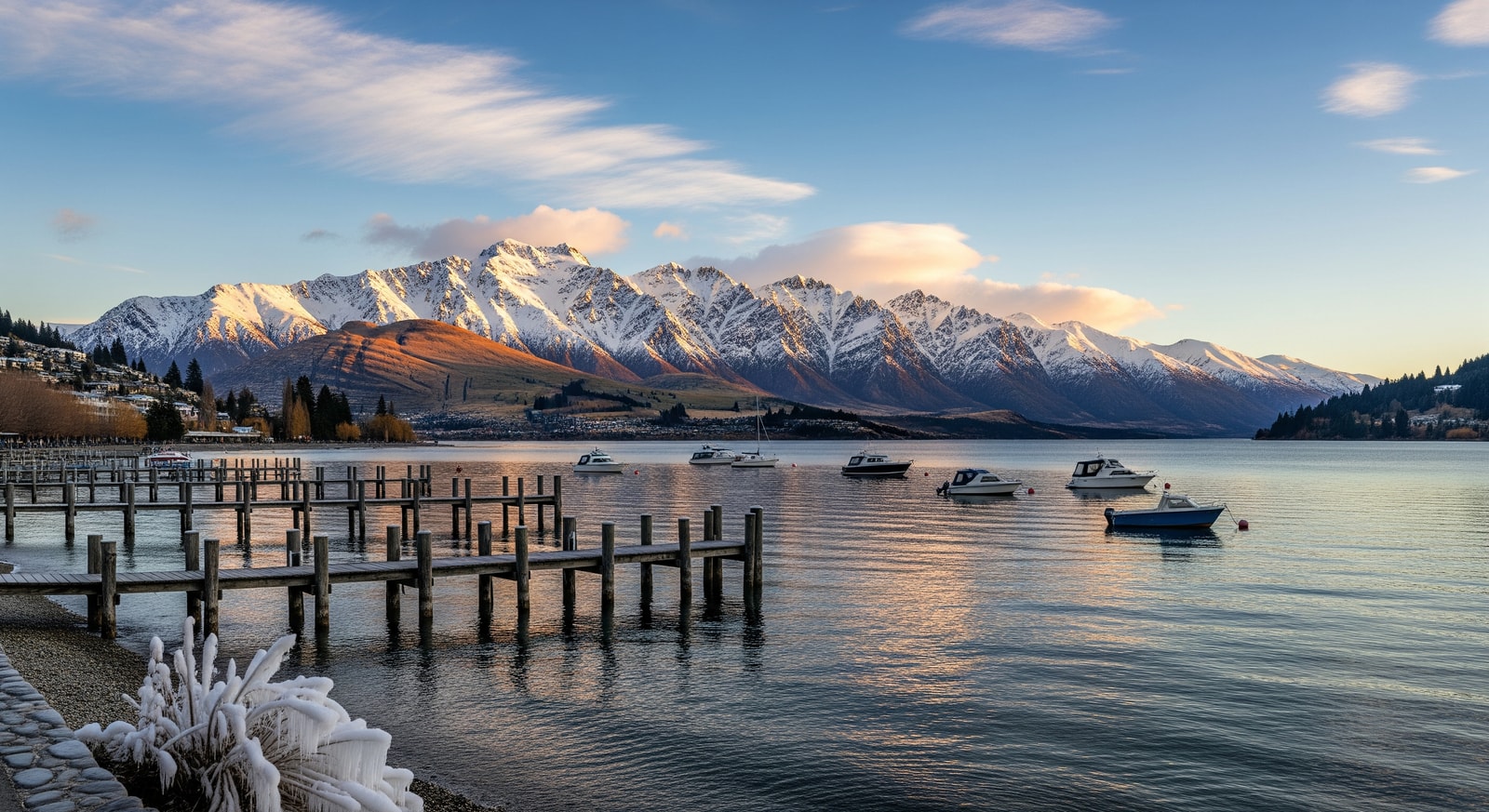
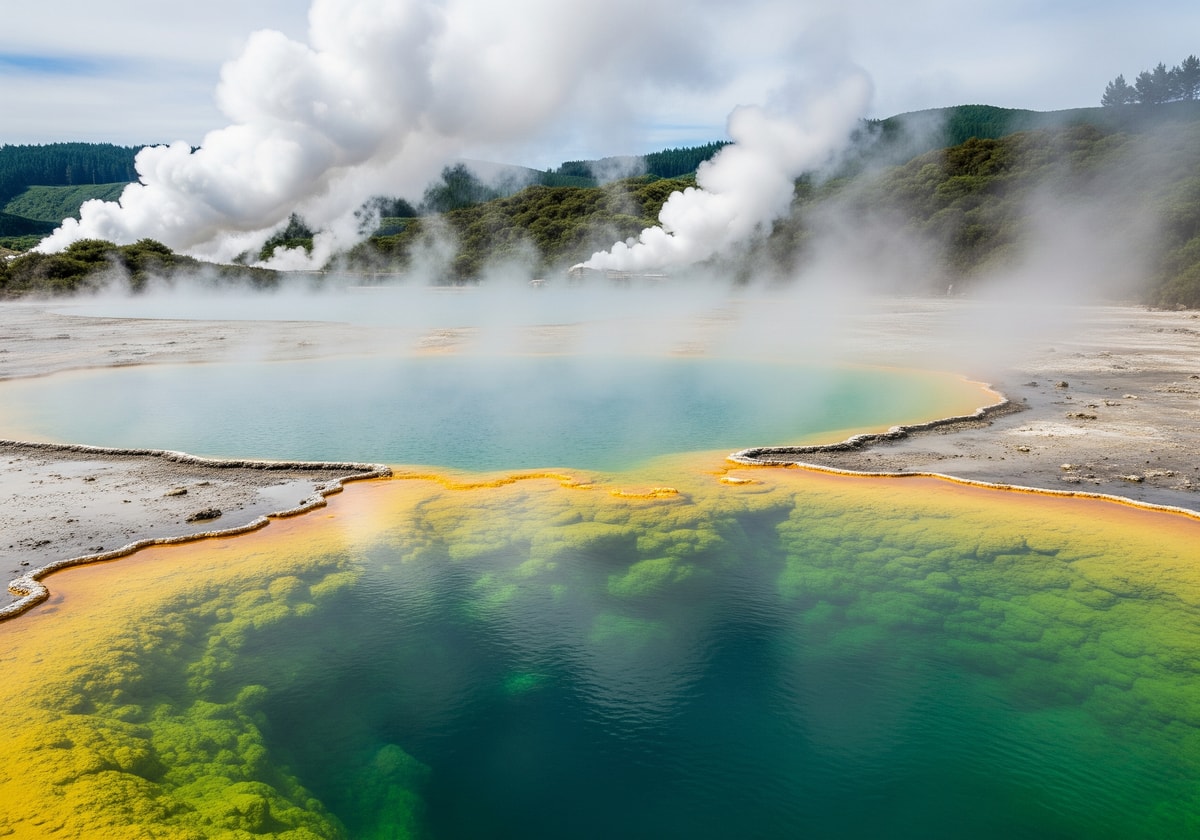
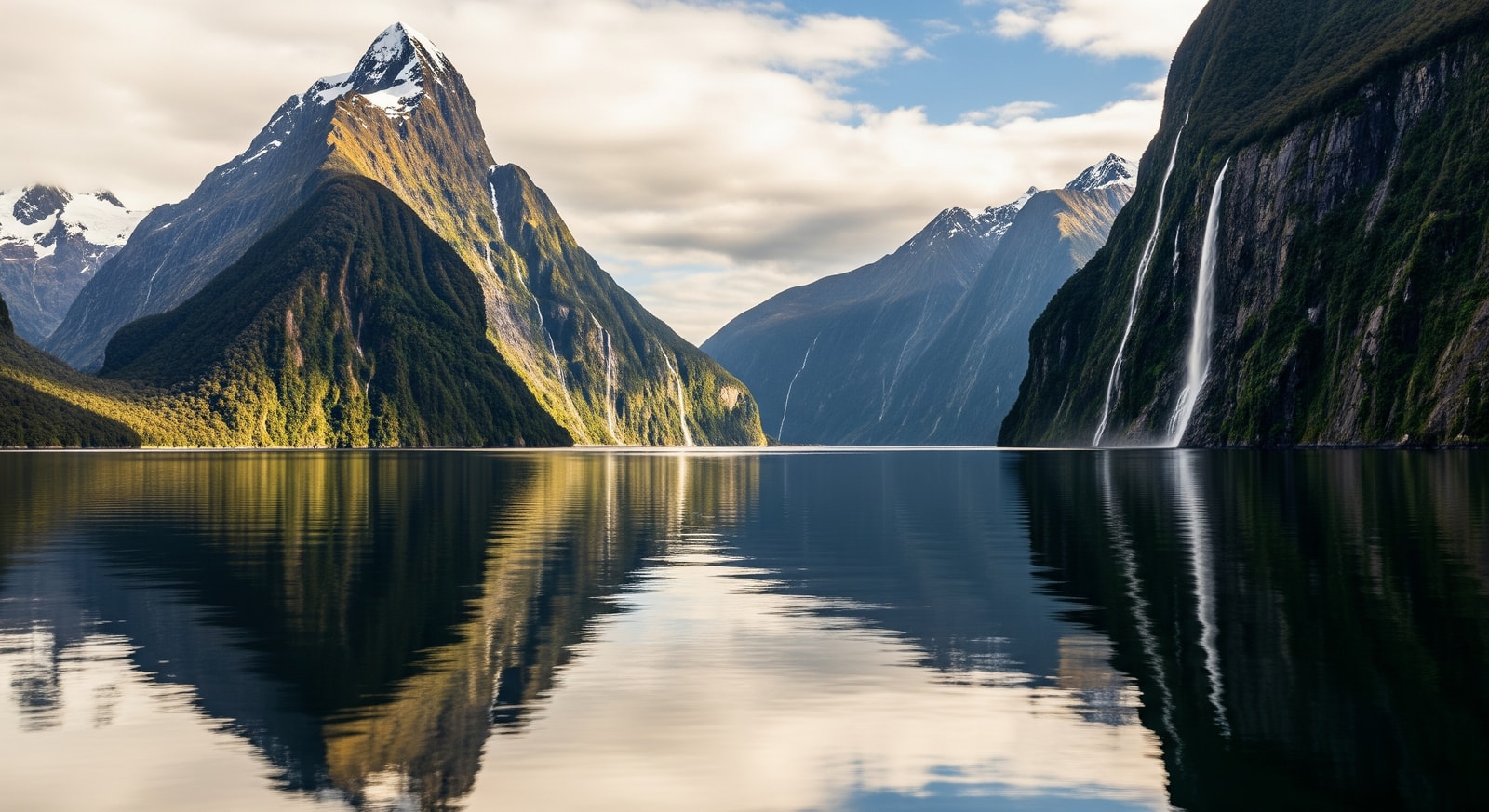
From the geothermal wonders of Rotorua where mud pools bubble and geysers erupt, to the adventure capital of Queenstown nestled beneath the Remarkables mountain range, from the stunning fjords of Milford Sound carved by ancient glaciers to the vibrant multicultural cities of Auckland and Wellington, New Zealand delivers experiences that create lifelong memories. The country's compact size belies its incredible diversity — you can experience subtropical beaches, temperate rainforests, volcanic plateaus, and alpine glaciers all within a few hours' drive of each other.
Whether you need a New Zealand Electronic Travel Authority (NZeTA) or a Visitor Visa depends on your nationality and travel plans. The NZeTA is a streamlined digital authorization for citizens of visa-waiver countries, while the Visitor Visa is required for travelers from other nations. This comprehensive guide covers everything you need to know to visit this remarkable island nation in 2026, including step-by-step application instructions, document requirements, costs, processing times, and insider tips from our visa experts.
Understanding New Zealand Visa Types
New Zealand has implemented a tiered entry system designed to balance security needs with facilitating tourism. Understanding which category you fall into is essential for proper trip planning and avoiding delays at the border. The system categorizes travelers based on their nationality, purpose of visit, and intended length of stay.
The country maintains visa-waiver agreements with over 60 nations, allowing their citizens to visit for tourism and business purposes without obtaining a traditional visa. However, even these travelers must obtain an NZeTA before boarding their flight or cruise to New Zealand. This electronic pre-screening system was introduced in 2019 and has become a mandatory requirement for all air and cruise arrivals from visa-waiver countries.
New Zealand Entry Options
| Entry Type | Who It's For | Cost | Processing |
|---|---|---|---|
| Visa-Free (Australian citizens) | Australian passport holders only | Free | No application needed |
| NZeTA (Visa Waiver) | 60+ eligible nationalities including USA, UK, EU, Japan, Singapore | NZD $17-23 + $35 IVL | 10 min - 72 hours |
| Visitor Visa | Citizens of non-waiver countries including India, China, Philippines | NZD $211+ | 20-25 working days |
| Transit Visa | Some nationalities transiting through NZ airports | Free | 15-20 working days |
Australian citizens enjoy a unique status thanks to the Trans-Tasman Travel Arrangement, which allows them to live and work in New Zealand indefinitely without any visa or permit. They simply arrive with their Australian passport and are granted a resident visa on entry. This reciprocal arrangement has existed since 1973 and reflects the close relationship between the two neighboring nations.
Who Needs an NZeTA vs. Visitor Visa?
Your nationality is the primary factor determining whether you can use the streamlined NZeTA system or need to apply for a full Visitor Visa. The NZeTA is available to citizens of countries with which New Zealand has visa-waiver agreements, while all other nationalities must obtain a Visitor Visa before traveling.
- No visa or NZeTA needed: Australian citizens and permanent residents are the only travelers who can enter New Zealand without any prior authorization. They receive a resident visa on arrival.
- NZeTA eligible countries: Citizens of the United Kingdom, United States, Canada, all European Union member states, Japan, South Korea, Singapore, Malaysia, Hong Kong, Taiwan, and approximately 50 other countries can apply for the NZeTA online.
- Visitor Visa required: Citizens of India, China, Philippines, Indonesia, Vietnam, Pakistan, Bangladesh, Sri Lanka, most African nations, and most South American countries must apply for a Visitor Visa through the standard immigration process.
- Transit visa considerations: Some nationalities require a transit visa even when not leaving the airport's international transit area. Check your specific requirements if you're connecting through Auckland or another New Zealand airport.
- Cruise ship passengers: All non-Australian cruise passengers arriving in New Zealand ports must have either an NZeTA or Visitor Visa, regardless of how briefly they plan to disembark.
NZeTA at a Glance
Validity: 2 years from date of issue or until passport expires (whichever comes first)
Maximum stay: Up to 3 months per visit for most nationalities (6 months for UK citizens)
Application cost: NZD $17 via mobile app or $23 via website
IVL levy: NZD $35 mandatory fee for all visitors
Processing time: Usually within 10 minutes, occasionally up to 72 hours
Permitted purposes: Tourism, visiting family and friends, business meetings, conferences, short-term study (up to 3 months)
Entry requirement: Mandatory for all visa-waiver travelers arriving by air or cruise ship
NZeTA Requirements and Eligibility
The New Zealand Electronic Travel Authority (NZeTA) is a mandatory travel authorization for all visa-waiver nationals arriving in New Zealand by air or cruise ship. Introduced in October 2019, this system allows New Zealand immigration authorities to pre-screen travelers before they depart for the country, enhancing border security while maintaining the benefits of visa-free travel.
The application process is entirely online and designed to be straightforward, but you must ensure you meet all eligibility requirements before applying. Here's everything you need to successfully obtain your NZeTA:
- Valid passport from an NZeTA-eligible country with at least 3 months validity beyond your planned departure from New Zealand
- A passport that is machine-readable (has two lines of text at the bottom of the photo page)
- Valid email address where you can receive your NZeTA confirmation and any correspondence from Immigration New Zealand
- Credit card, debit card, or other accepted payment method for the application fee and IVL levy
- Recent passport-style digital photograph meeting New Zealand's photo requirements (can be taken via the mobile app)
- No serious criminal convictions including violence, sexual offenses, or drug trafficking
- No previous deportation, removal order, or exclusion from New Zealand or any other country
- Good physical and mental health with no communicable diseases of public health significance
- Genuine intention to visit New Zealand temporarily for permitted purposes only
- Sufficient funds to support yourself during your stay (Immigration suggests approximately NZD $1,000 per month or NZD $400 per month if accommodation is prepaid)
- Evidence of onward travel (return ticket or ticket to another destination) — may be requested at the border
- No intention to work, study long-term, or receive medical treatment funded by New Zealand's public health system
Mobile App vs Website — Save Money!
You can save NZD $6 by applying via the official NZ Immigration mobile app ($17) rather than the website ($23). The app is available for iOS and Android devices and offers additional benefits: it processes applications faster in most cases, allows you to capture your photo directly using your phone's camera, and stores your NZeTA for easy access when traveling. DoVisa can assist with both application methods and provides expert review to maximize your approval chances.
Visitor Visa Requirements
If you're from a country that's not eligible for the NZeTA visa-waiver program, you'll need to apply for a Visitor Visa through Immigration New Zealand's formal visa application process. While this requires more documentation and longer processing times than the NZeTA, it also offers greater flexibility in terms of stay duration and can be tailored to your specific circumstances.
The Visitor Visa application is assessed on a case-by-case basis, with immigration officers evaluating your genuine intention to visit temporarily, your ties to your home country, and your ability to support yourself during your stay. Providing comprehensive documentation significantly improves your chances of approval.
- Valid passport with at least 3 months validity beyond your intended departure date from New Zealand, with at least one blank page for the visa
- Completed Visitor Visa application form (INZ 1017) filled out accurately and signed
- Two recent passport-sized photographs (45mm x 35mm) meeting New Zealand specifications with plain white or light gray background
- Proof of sufficient funds to support your stay — bank statements from the last 3-6 months, employment letter stating salary, sponsorship declaration if someone in NZ is supporting you
- Confirmed travel itinerary showing your planned activities in New Zealand, including any tours, accommodations, or events booked
- Return or onward ticket, or evidence of sufficient funds to purchase one
- Proof of accommodation arrangements — hotel bookings, Airbnb reservations, or invitation letter from host if staying with friends or family
- Comprehensive travel insurance covering medical expenses and repatriation (strongly recommended, may be required)
- Evidence of strong ties to your home country demonstrating your intention to return — employment contract, property ownership, family obligations, business ownership, enrollment in studies
- Health and character certificates if specifically requested based on your country of citizenship or personal circumstances
- Police clearance certificate from your country of residence if you plan to stay longer than 24 months or if specifically requested
- Chest X-ray or medical examination certificate if required based on your health history or country of origin
- Visa application fee payment (NZD $211 for most nationalities when applying online)
Processing Times Vary Significantly
Visitor Visa processing typically takes 20-25 working days, but can extend to 35-40 working days during peak travel seasons (November-February) or if additional documentation is required. If you have a complex immigration history, health concerns requiring medical examination, or if your application requires manual review, allow significantly more time. We strongly recommend applying at least 8-10 weeks before your intended travel date. Last-minute applications risk missing your planned departure, and express processing is not available for Visitor Visas.
How to Apply Step by Step
NZeTA Application Process
The NZeTA application is designed to be completed in under 10 minutes. Follow these steps carefully to ensure a smooth application:
- Verify your eligibility — Before starting, confirm your country qualifies for the NZeTA visa-waiver program using our visa checker tool. If you're not eligible, you'll need to apply for a Visitor Visa instead.
- Choose your application method — Download the official NZ Immigration mobile app (available on iOS and Android) to save $6, or use the Immigration New Zealand website. Both methods are equally valid.
- Create an account and log in — Register with your email address and create a secure password. You'll use this account to track your application status and access your NZeTA.
- Enter your passport details carefully — Input your full name, date of birth, passport number, issue date, and expiry date exactly as they appear in your passport. Even minor discrepancies can cause problems at check-in or the border.
- Upload or capture your photograph — The mobile app allows you to take your photo directly with your phone's camera. Ensure good lighting, a plain background, neutral expression, and that your face is clearly visible without glasses or head coverings (except for religious purposes).
- Answer the screening questions honestly — You'll be asked about criminal history, previous immigration issues, health conditions, and your purpose of visit. Answer truthfully — providing false information is a criminal offense and will result in denial and potential future travel bans.
- Pay the International Visitor Conservation and Tourism Levy (IVL) — This mandatory NZD $35 fee applies to all visitors and funds conservation and tourism infrastructure across New Zealand.
- Pay the NZeTA application fee — NZD $17 via the mobile app or NZD $23 via the website. Payment can be made by credit card, debit card, or other accepted methods.
- Submit your application and wait for processing — Most applications are approved within 10 minutes, but some require additional review and may take up to 72 hours. You'll receive email notification of the outcome.
- Save your confirmation — Once approved, save the confirmation email and/or screenshot of your NZeTA status. While the NZeTA is electronically linked to your passport, having proof readily available provides peace of mind.
Visitor Visa Application Process
The Visitor Visa application requires more preparation and documentation. Here's the complete process:
- Gather all required documents — Collect everything listed in the requirements section above. Having complete documentation from the start prevents delays caused by requests for additional information.
- Create an Immigration Online account — Register at Immigration New Zealand's online portal. This account allows you to submit applications, upload documents, and track your application status.
- Complete the application form thoroughly — Fill out form INZ 1017 with accurate information. Take your time and double-check all entries before proceeding. Inconsistencies between your form and supporting documents will cause delays.
- Upload all supporting documents — Scan or photograph your documents clearly. Ensure all files are legible, complete, and in accepted formats (PDF, JPG, PNG). Organize them logically so the immigration officer can easily review your case.
- Pay the visa application fee — NZD $211 for most nationalities when applying online. Fees are non-refundable regardless of the application outcome.
- Submit biometrics if required — Some applicants must provide fingerprints and a photograph at a visa application center. You'll be notified if this applies to you.
- Monitor your application status — Log into your Immigration Online account regularly to check for updates or requests for additional information. Respond promptly to any correspondence from Immigration New Zealand.
- Await the decision — Processing takes 20-25 working days on average. Once approved, your visa is electronically linked to your passport. You can download and print a visa confirmation letter for your records.
Costs and Processing Time Comparison
Understanding the full cost of visiting New Zealand helps you budget appropriately for your trip. Here's a comprehensive breakdown of all fees involved in obtaining your travel authorization:
Complete Cost Breakdown
| Fee Type | NZeTA | Visitor Visa |
|---|---|---|
| Application Fee | NZD $17 (app) / $23 (web) | NZD $211 (online) |
| IVL Tourist Levy | NZD $35 (mandatory) | NZD $35 (mandatory) |
| Biometrics Fee | Not required | Varies by location if required |
| Total Government Fees | NZD $52-58 (~$32-36 USD) | NZD $246+ (~$152+ USD) |
| Processing Time | 10 minutes to 72 hours | 20-25 working days (average) |
| Validity Period | 2 years (multiple entries) | Up to 9 months (varies) |
| Maximum Stay | 3 months per visit (6 for UK) | As specified on visa |
| DoVisa Service Fee | $24.99 USD | $49.99 USD |
Understanding the IVL Tourist Levy
The International Visitor Conservation and Tourism Levy (IVL) is a mandatory NZD $35 fee that almost all international visitors must pay when traveling to New Zealand. Introduced in 2019 alongside the NZeTA requirement, this levy represents New Zealand's commitment to sustainable tourism and environmental protection.
The only visitors exempt from the IVL are Australian citizens and permanent residents, citizens of Pacific Island nations with special arrangements, and certain diplomatic travelers. Everyone else — including Visitor Visa applicants — must pay this levy before their trip.
Where Your IVL Payment Goes
Conservation of native forests, wetlands, and marine environments that attract millions of visitors annually
Protection and recovery programs for endangered species including kiwi birds, kakapo, and Hector's dolphins
Maintenance and development of New Zealand's famous hiking trails including the Great Walks network
Infrastructure improvements at popular tourist destinations to handle increasing visitor numbers sustainably
Support for sustainable tourism initiatives that minimize environmental impact
Protection and restoration of significant Māori cultural heritage sites
Funding for Search and Rescue operations that frequently assist travelers in distress
The levy is a one-time payment that covers your entire stay in New Zealand. For NZeTA holders, it's valid for 2 years along with your authorization. Visitor Visa holders pay it once per visa. The IVL is only refundable if your visa or NZeTA application is declined, or in limited circumstances such as cancelled travel due to New Zealand government actions.
Arrival and Border Crossing Tips
Arriving in New Zealand is generally a smooth experience, but understanding what to expect and preparing properly will help you clear immigration and customs quickly. New Zealand has some of the strictest biosecurity laws in the world, designed to protect its unique ecosystem from invasive species and diseases.
- Complete your passenger arrival card: You'll receive this form on the plane or ship. Fill it out completely and honestly, especially the biosecurity declaration section. List everything you're bringing that could be of biosecurity concern.
- Keep travel documents accessible: Have your passport, NZeTA/visa confirmation, return ticket, and accommodation details easily accessible. Immigration officers may ask to see any of these.
- Prepare for biosecurity questions: You may be asked about outdoor equipment, food items, plant materials, or contact with farms. Answer honestly — detection dogs and X-ray machines are highly effective, and penalties for non-declaration are severe.
- Declare all food and biological materials: This includes all fruits, vegetables, meat, honey, seeds, plant materials, wooden items, hiking boots, camping gear, golf clubs, and fishing equipment. When in doubt, declare it.
- Allow time for processing: Auckland Airport can be very busy during peak arrival times (early morning when multiple international flights land). Allow at least 90 minutes for clearing immigration, collecting luggage, and passing through biosecurity.
- Check quarantine requirements: Some items may be treated, held for inspection, or destroyed. Don't bring anything irreplaceable that falls under biosecurity scrutiny.
- Prepare for SmartGate: Many nationalities can use automated SmartGate kiosks for faster immigration processing. Check if your passport is eligible before arrival.
Biosecurity Violations Are Serious
New Zealand imposes instant fines of $400 for failure to declare risk items, with potential fines up to $100,000 and up to 5 years imprisonment for serious breaches. Biosecurity officers are friendly but thorough — they've seen every excuse and use highly trained detector dogs and sophisticated scanning equipment. Your best approach is complete honesty. Items can be surrendered or treated at no cost if declared; the penalties only apply to non-declaration.
Essential Travel Tips for New Zealand
Make the most of your New Zealand adventure with these essential tips gathered from our travel experts and thousands of travelers we've helped visit this remarkable country.
- Best time to visit: December through February offers warm summer weather perfect for hiking, beaches, and outdoor festivals. June through August brings excellent skiing and snowboarding in Queenstown, Wanaka, and Mount Ruapehu. September through November offers fewer crowds, spring blooms, and newborn lambs. March through May provides spectacular autumn colors and harvest season in wine regions.
- Currency and payments: The New Zealand Dollar (NZD) is the local currency. Credit and debit cards (Visa, Mastercard) are accepted virtually everywhere including small towns. Contactless payments are standard. ATMs are widely available in towns but scarce in remote areas — carry some cash for farmers markets, small cafes, and backcountry huts.
- Driving tips: New Zealanders drive on the left side of the road. An International Driving Permit is recommended alongside your home country license. Roads are generally excellent but often winding, narrow, and mountainous. Allow more time than GPS suggests — stopping for scenery and sheep crossings is part of the experience. One-lane bridges require yielding to oncoming traffic.
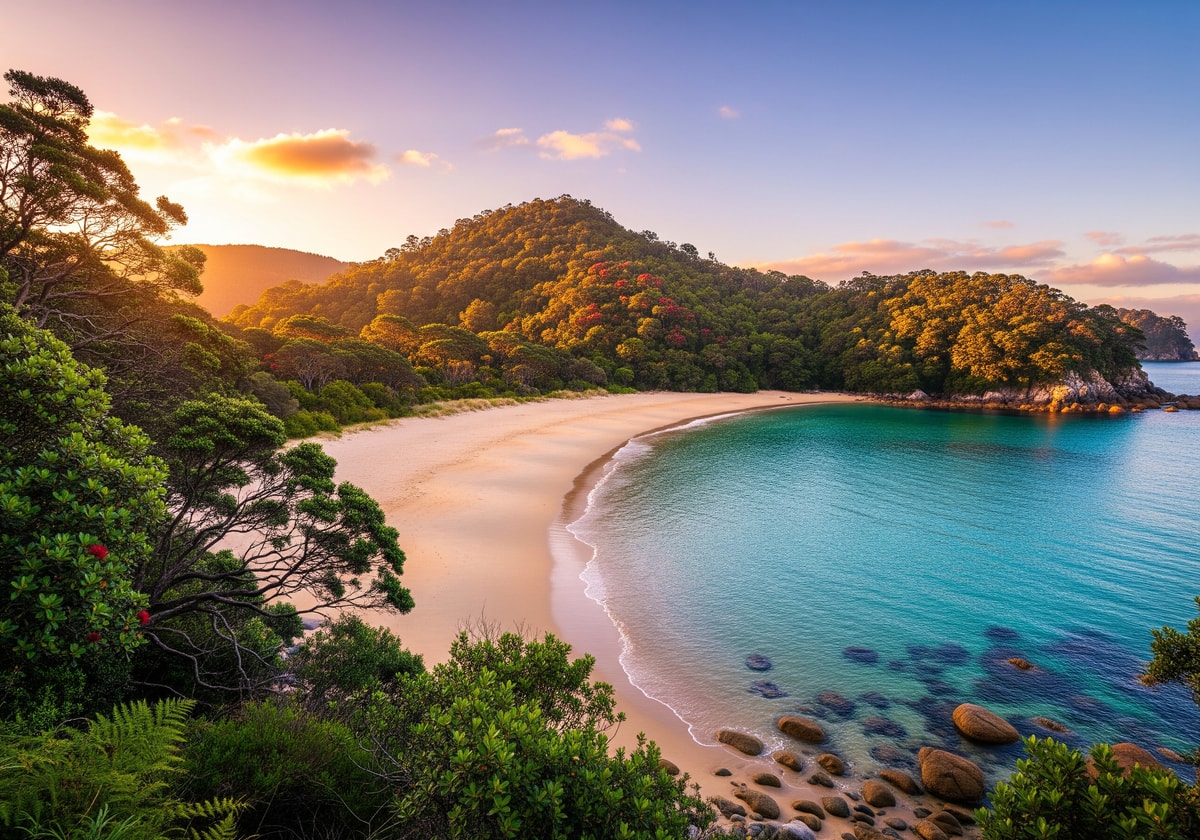
- Must-see attractions: Milford Sound's dramatic fjord scenery, Hobbiton movie set near Matamata, Rotorua's geothermal wonderland and Māori cultural experiences, Queenstown's adventure sports, Abel Tasman's golden beaches and sea kayaking, Waitomo's glowworm caves, Auckland's Sky Tower and harbor, Wellington's Te Papa museum and café culture, Aoraki/Mount Cook's alpine majesty.
- Weather preparedness: 'Four seasons in one day' is a genuine phenomenon in New Zealand. Pack layers regardless of season and always carry rain gear. The UV index is extremely high due to low pollution and thin ozone layer — wear SPF 30+ sunscreen even on cloudy days, and sunglasses are essential.
- Getting around: Domestic flights with Air New Zealand connect major cities affordably if booked in advance. Rental cars offer maximum flexibility and access to remote areas. InterCity buses provide comfortable connections between cities and tourist hubs. The Interislander and Bluebridge ferries offer scenic crossings between the North and South Islands.
- Outdoor safety: New Zealand's backcountry is beautiful but unforgiving. Weather changes rapidly, cell service is limited outside urban areas, and rescue can take time. Always register your hiking intentions, carry emergency equipment, and never underestimate distances and conditions. Download offline maps and check with DOC (Department of Conservation) before backcountry trips.
- Tipping culture: Tipping is not expected or required in New Zealand — service charges are included in prices and workers receive fair wages. However, exceptional service at restaurants (10%) or for tour guides is increasingly appreciated, especially by visitors.
- Power and connectivity: New Zealand uses Type I power plugs (same as Australia) with 230V/50Hz electricity. Bring appropriate adapters. Mobile coverage is excellent in urban areas but patchy in rural and mountainous regions. Major carriers are Spark, Vodafone, and 2degrees. Pocket WiFi devices or local SIMs are available at airports.
- Emergency services: Dial 111 for police, fire, or ambulance anywhere in New Zealand. The emergency number works even without phone credit or SIM card.


Pro Tip: The Ultimate South Island Road Trip
The drive from Christchurch to Queenstown via Mount Cook is consistently rated one of the world's great road trips. Allow 6-8 hours with stops (or better, make it a 2-day journey). Highlights include: Lake Tekapo with its famous Church of the Good Shepherd and Dark Sky Reserve stargazing; Aoraki/Mount Cook National Park for the Hooker Valley Track; the stunning turquoise waters of Lake Pukaki; and the golden tussock landscapes of the Lindis Pass. This route showcases New Zealand's incredible alpine scenery at its finest!
Get Your New Zealand Entry Documents
Common Myths About New Zealand Visas
There's a lot of misinformation about New Zealand entry requirements. Let's clear up the most common misconceptions that could affect your travel planning:
NZeTA means completely visa-free travel
While the NZeTA is much simpler than a traditional visa, it's still a mandatory travel authorization that you must obtain and pay for before departure. You cannot board a flight or cruise to New Zealand without it. The term 'visa-waiver' means you don't need a full visa, not that you need nothing at all.
Australian citizens need an NZeTA too
Australians are the only nationality completely exempt from any entry requirement. They can arrive in New Zealand with just their passport and are granted a resident visa (not visitor visa) on arrival. They're also exempt from the IVL levy. This unique arrangement doesn't apply to Australian permanent residents who aren't citizens.
You can easily extend your stay once you arrive
While visa extensions are possible, they're not automatic or guaranteed. You must apply before your current authorization expires, demonstrate genuine reasons for extending, and prove you haven't exceeded the 9-month limit within any 18-month period. Immigration takes overstaying very seriously, and it can affect future travel to New Zealand and other countries.
Frequently Asked Questions
How much does a New Zealand visa cost in 2026?
How long does the NZeTA take to process?
Can US citizens visit New Zealand without a visa?
What documents do I need for a New Zealand visitor visa?
How long can I stay in New Zealand as a tourist?
Do I need the NZeTA if I'm just transiting through New Zealand?
Can I work in New Zealand with an NZeTA or Visitor Visa?
What if my NZeTA application is denied?
Is the IVL levy refundable?
Can I enter New Zealand by cruise ship with an NZeTA?
How do I check my NZeTA status?
Can I apply for NZeTA for my whole family at once?
What's the difference between NZeTA and ETA?
Do I need travel insurance for New Zealand?
Can I extend my stay in New Zealand?
What items are prohibited when entering New Zealand?
Start Your New Zealand Adventure Today
New Zealand offers an unparalleled combination of dramatic landscapes, unique wildlife found nowhere else on Earth, rich Māori culture dating back centuries, and world-famous Kiwi hospitality that makes every visitor feel welcome. Whether you're drawn to the adrenaline-pumping adventure activities of Queenstown, the otherworldly geothermal wonders of Rotorua, the cinematic landscapes made famous by the Lord of the Rings and Hobbit trilogies, the world-class wines of Marlborough and Central Otago, or simply the peaceful beauty of pristine beaches, ancient forests, and star-filled skies, New Zealand delivers experiences that will stay with you forever.
Getting your NZeTA or Visitor Visa is the straightforward first step toward exploring Aotearoa. With DoVisa, the application process is simple, fully supported, and stress-free. Our expert team reviews your application before submission, provides real-time status tracking, and offers 24/7 customer support to answer any questions along the way. Plus, our money-back guarantee ensures you're protected if your application isn't approved.
Don't wait — apply today and start planning your Kiwi adventure!
New Zealand
Capital: Wellington
Currency: New Zealand Dollar (NZD)
Language: English, Māori, NZ Sign Language
Timezone: UTC+12 (NZST) / UTC+13 (NZDT in summer)
Processing: 10 minutes - 72 hours (NZeTA)
Quick Facts
- Best time: Dec-Feb (summer), Jun-Aug (skiing)
- First country to see each new day's sunrise
- Power: 230V/50Hz, Type I plugs (same as Australia)
- Country code: +64
- Emergency number: 111
Get the DoVisa App
Apply for your New Zealand visa and manage all your travel documents on the go.





Comments(14)
Leave a Comment
Just got my NZeTA through DoVisa in about 15 minutes. The process was so straightforward compared to trying to navigate the official site myself. Heading to Queenstown next month for some skiing!
Important tip from my experience: Make sure you have the IVL receipt saved as well as your NZeTA confirmation. Immigration at Auckland asked to see mine when I arrived. Everything was smooth but I was glad I had it on my phone ready to show.
Question: I'm from the UK and planning a 5-month trip around both islands. Will the NZeTA cover that length of stay or do I need a different visa type?
The biosecurity warning in this article is absolutely no joke. I witnessed someone at Auckland airport get hit with a $400 instant fine for an apple they forgot was in their bag from the flight. The officer was polite but firm. Declare EVERYTHING, even if you think it's nothing!
Applied for my whole family of 4 through DoVisa last week. Love how I could manage everyone's applications from one account and track all the statuses. All four were approved within an hour. Made what could have been a stressful process really simple!
Quick question - do I need to print out the NZeTA confirmation or can I just show it on my phone when I arrive? Want to make sure I have the right documentation.
The tip about the South Island road trip from Christchurch to Queenstown is spot on! Did that exact drive last October and it was absolutely incredible. Lake Tekapo at night for stargazing was a highlight - it's a Dark Sky Reserve so the stars are unbelievable. Something everyone should experience!
First time using DoVisa and I'm impressed with both the platform and customer support. Had a question about my application because my passport expires in 5 months and got a detailed, helpful response within an hour. Will definitely use them for my Australia trip too!
Planning to work remotely for my US employer while traveling in NZ for about a month. Is that allowed on the NZeTA or would I need some kind of work visa?
Used the official mobile app as this article suggested to save the $6 difference - super easy process and worked perfectly. Got approved while having lunch at the airport before my connecting flight. Highly recommend going the app route!
The fact that the IVL levy goes directly towards conservation and protecting New Zealand's environment actually makes me feel good about paying it. After seeing how pristine everything is, I understand why they take biosecurity and conservation so seriously. Worth every cent!
German passport holder here - my NZeTA was approved in literally 8 minutes, no issues at all. So much easier than I expected given my previous experiences with US visa applications. Now just counting down the days until my trip to Milford Sound next month!
As an Indian passport holder, I had to go through the full visitor visa process rather than NZeTA. DoVisa helped me organize all my documents properly and guided me through the whole application. It was approved after about 3 weeks. More effort than the NZeTA but absolutely worth it - New Zealand is amazing!
Pro tips from a frequent NZ visitor: Buy a local SIM card at the airport (Spark or Vodafone booths right after arrivals). Coverage is excellent in cities but gets spotty in remote areas. Also, download offline maps before heading to the countryside - saved me several times when I had no signal on the South Island back roads!