
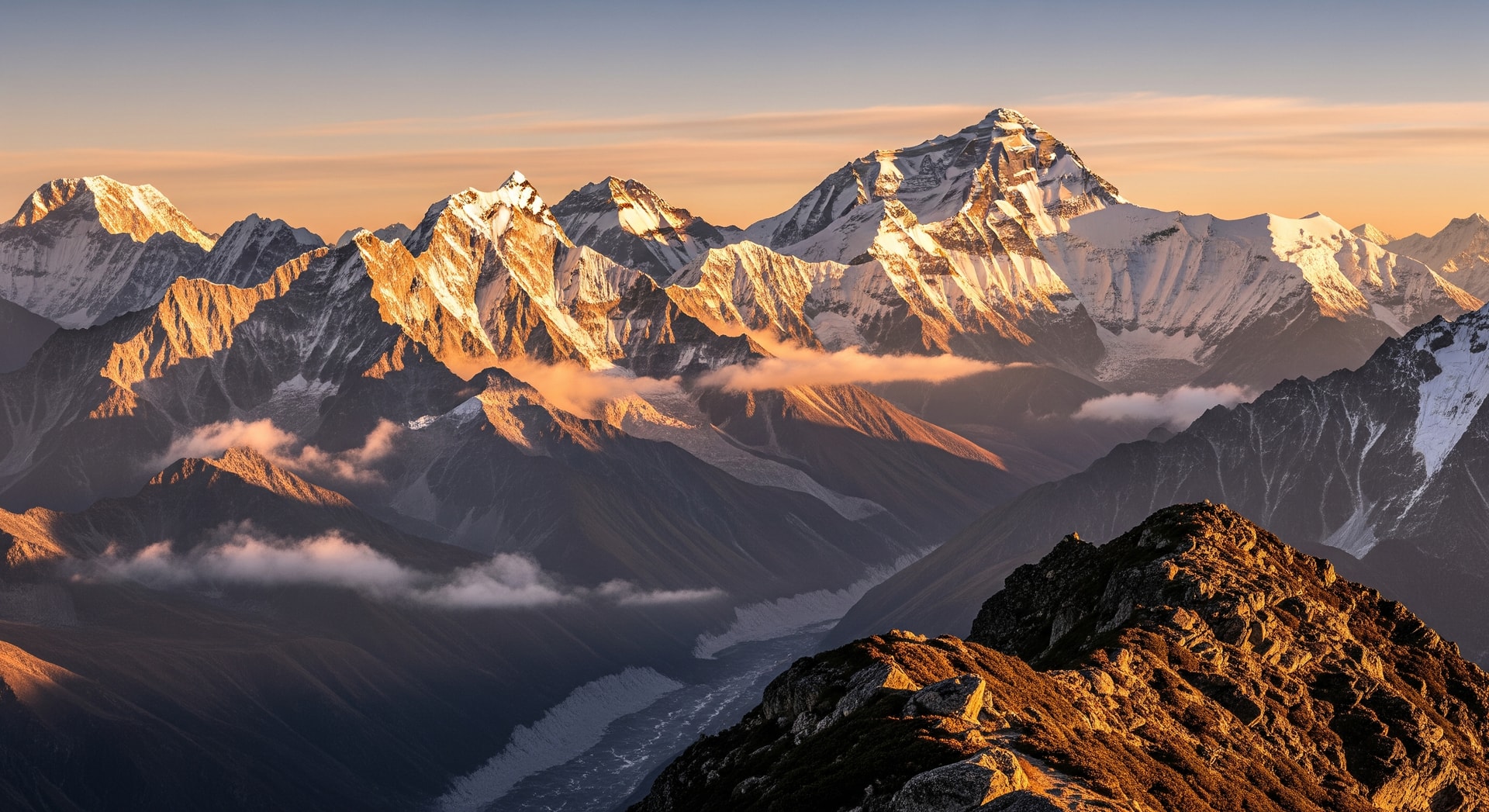
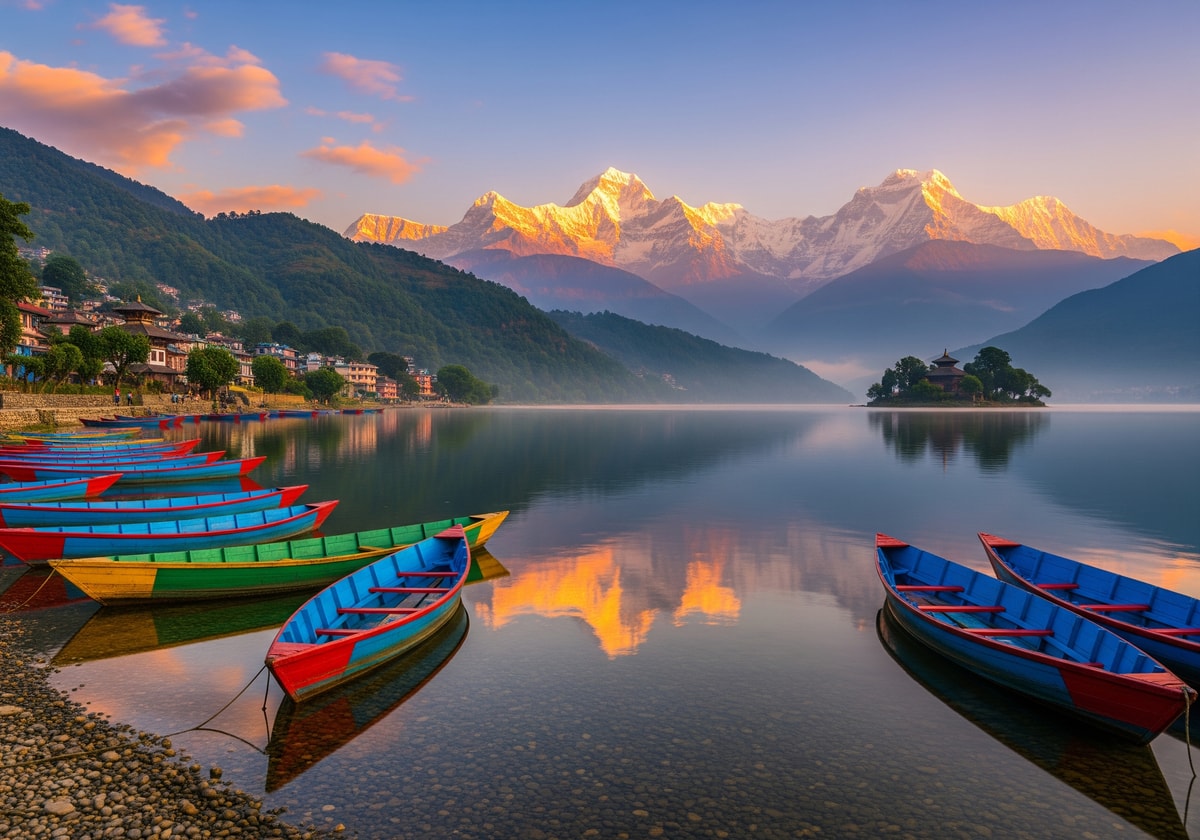
Nepal captures the imagination like few destinations on Earth — a Himalayan kingdom where the world's highest peaks pierce the sky, where ancient Hindu and Buddhist traditions flourish in ornate temples and monasteries, and where adventurers from around the globe come to challenge themselves on legendary trekking trails. From the medieval temples and colorful bustling streets of the ancient city of Kathmandu to the legendary soaring summit of Mount Everest, from jungle safaris in Chitwan to serene lake views in Pokhara, Nepal offers an extraordinary diversity of experiences packed into a relatively small but mighty nation nestled between India and Tibet.
The Nepal e-Visa system has transformed the visa application process, allowing travelers to obtain entry authorization online before arriving in the country. This comprehensive guide covers everything you need to know about obtaining your Nepal e-Visa, from eligibility requirements and the application process to the additional trekking permits required for popular mountain routes. Whether you're planning an Everest Base Camp expedition, a spiritual journey through ancient temples, or a wildlife adventure in the Terai lowlands, understanding Nepal's visa requirements thoroughly is your essential and important first step toward this truly life-changing Himalayan adventure.
Nepal welcomes millions of visitors annually from every corner of the globe, and the convenient e-Visa system has made the entry process smoother and more accessible than ever while maintaining necessary security and comprehensive immigration procedures. This complete guide provides detailed and practical information for travelers of all types, from first-time visitors to experienced trekkers, ensuring you arrive thoroughly prepared for the extraordinary adventures that await in this remarkable country where ancient spiritual traditions and spectacular natural wonders combine to create experiences found absolutely nowhere else on Earth in such concentrated abundance.
What is the Nepal e-Visa?
The Nepal e-Visa is an electronic travel authorization that allows foreign nationals to apply for a tourist visa online before traveling to Nepal. This digital system replaced the need to obtain visas through Nepali embassies abroad or wait in long visa-on-arrival queues at Tribhuvan International Airport in Kathmandu. With the e-Visa, travelers can complete their application from anywhere in the world, receive approval electronically, and enjoy expedited entry upon arrival.
Nepal's e-Visa system reflects the country's commitment to encouraging tourism, which represents a vital part of the national economy. The electronic platform processes applications efficiently, typically within 24-72 hours, and provides a convenient alternative to traditional visa methods. Once approved, travelers receive an electronic visa that's linked to their passport number — they simply present their passport and a printed copy of the e-Visa approval at immigration.
The e-Visa is available for tourism purposes, which includes sightseeing, cultural visits, religious pilgrimages, trekking, mountaineering, and other leisure activities that define Nepal as a destination. Business visitors and those with other purposes may need to apply through different channels. The standard tourist e-Visa provides multiple validity options, allowing travelers to choose durations that match their planned itineraries in this captivating Himalayan nation.
Nepal e-Visa Quick Facts
Types: 15-day, 30-day, and 90-day options
Entry: Multiple entries permitted
Processing: 24-72 hours typically
Application: Online via official portal
Extension: Possible at Immigration Office in Kathmandu
Separate permits required for trekking in restricted areas
Who Can Apply for the Nepal e-Visa?
The Nepal e-Visa is available to citizens of most countries worldwide. Nepal maintains a welcoming visa policy for tourists, with the e-Visa system designed to make entry as convenient as possible for the international visitors who fuel the country's important tourism sector. However, certain nationalities may have restrictions or need to apply through traditional embassy channels — checking your specific eligibility before beginning the application process is always advisable.
Citizens of India do not require visas for Nepal due to longstanding bilateral agreements between the two countries. Indian nationals can enter Nepal freely with valid identification documents. For virtually all other nationalities, the e-Visa system provides a streamlined alternative to embassy applications or the sometimes-lengthy visa-on-arrival process at Kathmandu airport.
Beyond nationality, standard eligibility requirements apply. Applicants must hold a passport valid for at least six months beyond their intended stay, have a clean criminal record without deportations from Nepal, provide proof of accommodation arrangements, and demonstrate sufficient funds for their visit. The e-Visa is strictly for tourism purposes — those seeking employment, study, or extended residency must pursue appropriate visa categories through official channels.
- Most nationalities: Citizens of over 100 countries can apply for the Nepal e-Visa online
- Indian citizens: Exempt from visa requirements — can enter with valid ID documents
- Passport validity: Minimum 6 months beyond intended departure from Nepal
- Purpose: Tourism, trekking, mountaineering, cultural visits, religious pilgrimage
- Clean record: No previous deportations or immigration violations in Nepal
- Accommodation: Must have confirmed bookings or host invitation
Visa on Arrival Alternative
Nepal still offers visa-on-arrival at Tribhuvan Airport and land borders. However, peak seasons can mean long queues. The e-Visa saves time and stress by completing paperwork before arrival. You simply proceed to the e-Visa lane for quick processing.
Nepal Visa Types and Duration Options
Nepal offers multiple visa duration options to accommodate different travel plans, from short cultural visits to extended trekking expeditions. Understanding these options helps you select the appropriate visa for your intended activities and itinerary. All standard tourist visas allow multiple entries, providing flexibility for travelers planning side trips to neighboring countries.
Nepal Tourist Visa Options
| Duration | Validity | Entries | Typical Use |
|---|---|---|---|
| 15-Day Visa | 15 days from entry | Multiple | Short visits, cultural tourism |
| 30-Day Visa | 30 days from entry | Multiple | Trekking, extended sightseeing |
| 90-Day Visa | 90 days from entry | Multiple | Multiple treks, comprehensive travel |
The 30-day visa is most popular among trekkers heading to regions like Everest Base Camp or the Annapurna Circuit, as these treks typically require 12-20 days plus buffer time for acclimatization and city exploration. The 90-day option suits travelers planning multiple treks, extensive cultural immersion, or combining Nepal with side trips to Tibet or nearby regions. Visa extensions beyond the initial duration are possible at the Department of Immigration in Kathmandu.
Required Documents for Nepal e-Visa
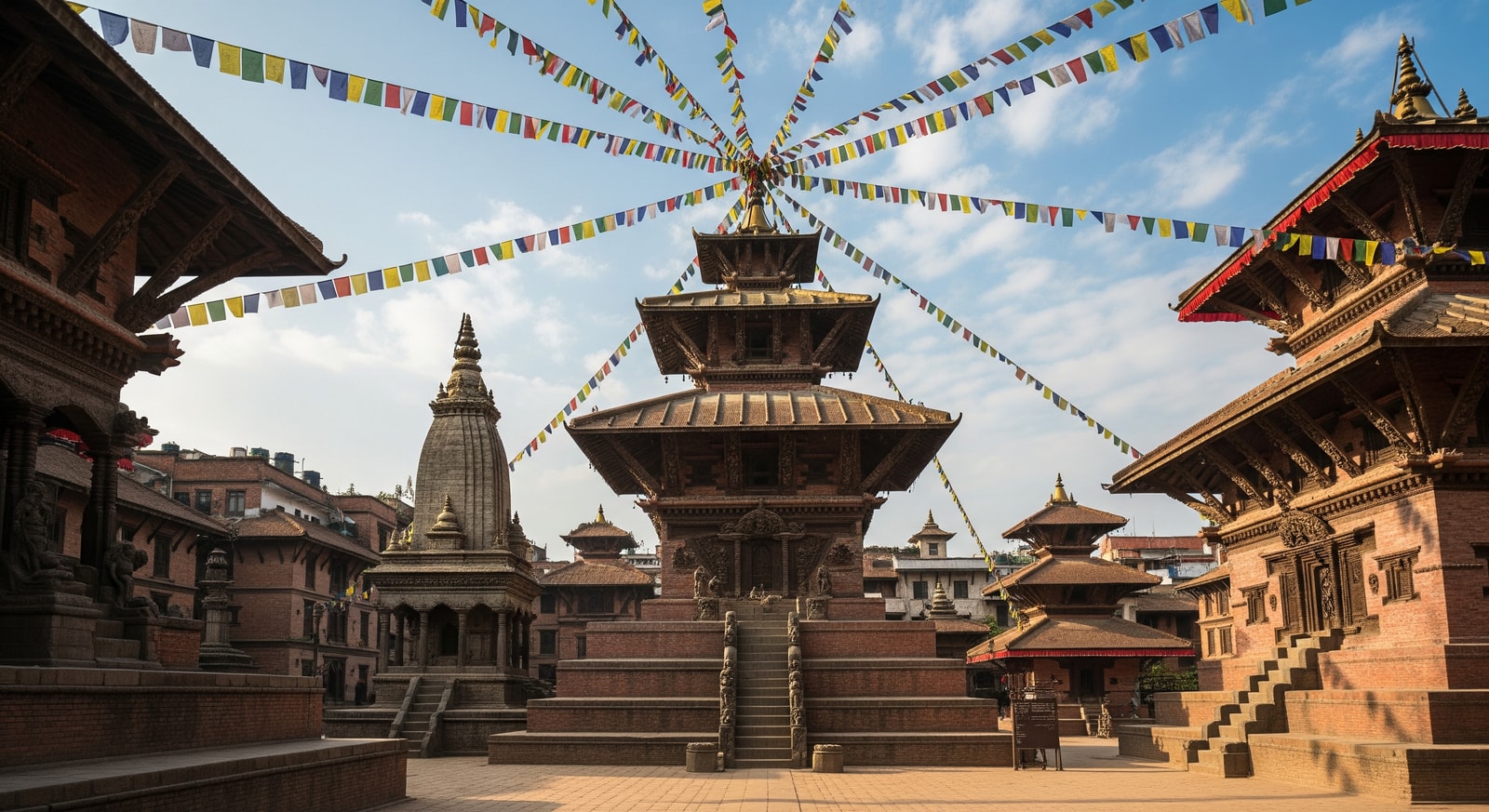
Gathering required documents before beginning your Nepal e-Visa application ensures a smooth, uninterrupted process. The document requirements are straightforward, focusing on identity verification, travel planning confirmation, and basic eligibility. Having all materials prepared in the correct digital formats allows you to complete the application efficiently without interruption.
- Valid passport: Minimum 6 months validity beyond intended stay with at least 2 blank pages for visa and stamps
- Passport photo: Recent digital photograph (within 6 months) meeting passport standards — white background, clear face, no glasses
- Passport scan: Clear, color scan of your passport's biographical data page in JPEG or PDF format
- Travel itinerary: Details of arrival date, intended activities, and departure plans
- Accommodation proof: Hotel booking confirmations, trekking agency details, or invitation from hosts in Nepal
- Return/onward ticket: Proof of departure from Nepal (may be requested)
- Email address: Valid email for receiving application updates and e-Visa approval
- Payment method: Credit or debit card for online fee payment
Photo Requirements
Your passport photo must meet specific standards: recent (within 6 months), white or light background, face centered and clearly visible, no glasses or head coverings (unless religious), neutral expression. Photos that don't meet requirements will delay your application — use a professional service if unsure.
How to Apply for the Nepal e-Visa
The Nepal e-Visa application is completed entirely online through the official Department of Immigration portal. The process is designed to be user-friendly, but careful attention to detail prevents delays and rejections. Follow these steps to ensure a successful application for your Nepal adventure.
- Access the official portal: Navigate to the Nepal Department of Immigration's official e-Visa website (online.nepalimmigration.gov.np)
- Create an account: Register with your email address to begin the application process
- Select visa type: Choose the appropriate duration (15, 30, or 90 days) based on your travel plans
- Enter personal information: Input your full name, date of birth, nationality, and other details exactly as shown in your passport
- Upload passport scan: Provide a clear, legible color scan of your passport's biographical data page
- Upload photo: Submit a recent passport-style photo meeting the specified requirements
- Enter travel details: Provide your intended entry date, planned activities (sightseeing, trekking, etc.), and departure plans
- Add accommodation info: Enter your hotel name, trekking agency, or host details
- Complete questionnaire: Answer any additional questions about your travel history and intentions
- Review application: Carefully verify all information for accuracy before proceeding
- Pay the fee: Complete payment using a valid credit or debit card
- Submit and await approval: Submit your application and wait for email notification (typically 24-72 hours)
- Print e-Visa: Once approved, print your e-Visa confirmation to present at immigration
You must book specific hotels before applying for the Nepal e-Visa
While you need accommodation details for the application, you can use your trekking agency's address if joining an organized trek, or provide general hotel information in your destination area. Nepal understands that trekkers often book teahouses along the way rather than specific hotels.
Need Help with Your Application?
Nepal e-Visa Fees and Processing Time
Nepal visa fees vary based on the duration selected. Understanding these costs helps you budget appropriately for your trip. Processing times are generally consistent, though applying well in advance is always recommended, especially during peak trekking seasons when application volumes increase.
Nepal e-Visa Fees
| Duration | Fee (USD) | Processing Time |
|---|---|---|
| 15-Day Visa | $30 | 24-72 hours |
| 30-Day Visa | $50 | 24-72 hours |
| 90-Day Visa | $125 | 24-72 hours |
These fees are current government rates and may change. The e-Visa fee is non-refundable once submitted, so ensure your travel plans are confirmed before applying. We recommend applying at least two weeks before departure to allow buffer time for any unexpected delays or if additional documentation is requested.
Trekking Permits and Additional Requirements
The Nepal e-Visa grants entry to the country, but trekking in many popular regions requires additional permits that are separate from your visa documentation. Understanding these comprehensive requirements is absolutely essential for anyone planning to explore Nepal's world-famous mountain trails through the Himalayas. Permits serve multiple important purposes: they support local communities through permit fees that fund essential services and infrastructure, they pay for ongoing trail maintenance and environmental protection, they ensure trekker safety through registration systems that track your whereabouts, and they help protect the fragile alpine and sub-alpine environments that make Nepal's mountains so spectacular and ecologically important.
The specific permits required depend entirely on your chosen trekking region and the routes you plan to follow. Most trekkers need at least one or two different permits, and some restricted areas along sensitive border zones with Tibet and other neighbors require special permits that take significantly longer to obtain and involve higher fees and mandatory guide requirements. Planning ahead thoroughly and arranging all necessary permits well before your departure date prevents frustrating delays once you're in Nepal and eager to hit the legendary mountain trails that draw adventurers from around the globe.
- TIMS Card (Trekker's Information Management System): Required for most trekking regions — registers your trek with authorities for safety purposes
- National Park Entry Permits: Required for treks entering national parks (Sagarmatha/Everest, Annapurna, Langtang, etc.)
- Conservation Area Permits: Required for Annapurna Conservation Area, Manaslu Conservation Area, and similar protected regions
- Restricted Area Permits: Special permits required for Upper Mustang, Upper Dolpo, Kanchenjunga, and other sensitive border regions
- Climbing Permits: Separate permits required for mountaineering expeditions, with fees varying by peak height and difficulty
Permit Arrangements
Trekking agencies typically arrange all necessary permits as part of their package. Independent trekkers can obtain most permits at the Nepal Tourism Board office in Kathmandu or Pokhara. Some restricted area permits must be arranged in advance through registered agencies and cannot be obtained independently.
Nepal Travel Tips
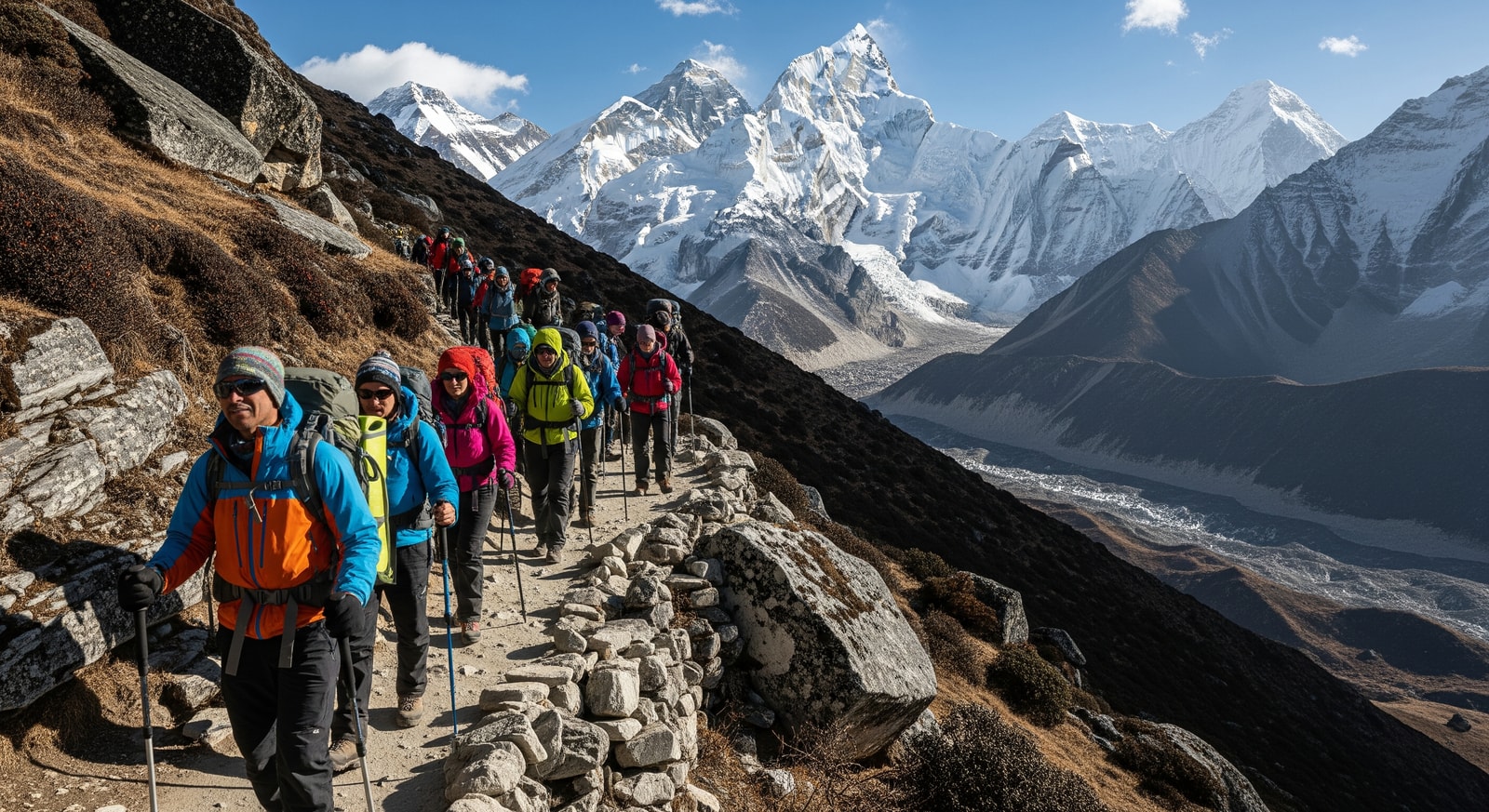
Traveling in Nepal offers extraordinary rewards but requires thoughtful preparation, flexibility, and respect for both the natural environment and local cultures. From the serious altitude challenges of Himalayan trekking at elevations where oxygen is scarce to the intricate cultural etiquette of ancient temple visits, understanding Nepal's many unique characteristics ensures you make the absolute most of your adventure while respecting local traditions and staying safe in sometimes challenging and remote environments far from medical facilities.
Nepal presents a remarkable combination of physical challenges and profound cultural experiences that together create journeys travelers remember for the rest of their lives. Whether you're ascending toward Everest Base Camp, exploring the medieval courtyards of Bhaktapur, or watching rhinos in Chitwan's jungles, preparation is key to enjoyment. These comprehensive tips cover the essentials for travelers of all types, from hardcore trekkers to cultural tourists seeking Nepal's spiritual heritage.
- Best trekking seasons: October-November (autumn) offers clear skies and ideal temperatures. March-May (spring) brings blooming rhododendrons and good visibility. December-February is cold but less crowded. Monsoon (June-September) makes trails difficult.
- Altitude acclimatization: The golden rule is 'climb high, sleep low.' Don't ascend more than 300-500 meters sleeping altitude per day above 3,000m. Build in rest days. Watch for altitude sickness symptoms.
- Hire guides and porters: While technically optional on popular routes, guides enhance safety and cultural understanding. Porters make treks more enjoyable and provide vital employment for local communities.
- Temple etiquette: Remove shoes before entering temples. Walk clockwise around Buddhist stupas. Ask permission before photographing religious ceremonies. Dress modestly in religious sites.
- Bargaining culture: Negotiating prices is expected in markets and for some services. Be respectful but firm. Fixed prices apply in established shops displaying price tags.
- Currency: Nepali Rupee (NPR) is the official currency. USD, EUR, and Indian Rupees can be exchanged in cities. ATMs are available in Kathmandu and Pokhara but scarce in trekking regions — bring enough cash for your trek.
- Health precautions: Consider altitude sickness medication (Diamox). Drink only bottled or purified water. Bring comprehensive first aid supplies for trekking. Travel insurance covering helicopter evacuation is essential for high-altitude treks.
- Communication: Local SIM cards (Ncell, Nepal Telecom) are affordable and provide good coverage in cities and along major trekking routes. WiFi is available in most teahouses along popular treks, though speeds vary.
- Tipping: Tipping guides and porters is customary and expected. Budget approximately $15-20/day for guides, $10-15/day for porters as a general guideline. Smaller tips for good restaurant service.
- Respect local customs: Use your right hand for eating and giving/receiving items. Don't point feet at people or religious objects. Accept hospitality graciously. Dress conservatively outside tourist areas.
Nepal completely exceeded our expectations. The visa process was straightforward, and once we arrived, the combination of stunning mountains, ancient temples, and incredibly welcoming people made this the trip of a lifetime. Already planning our return to trek the Annapurna Circuit!

Why Choose DoVisa?
Expert verification of visa and permit requirements
Application review to prevent errors
24/7 customer support for questions
Comprehensive travel documentation guidance
Peace of mind for your Himalayan adventure
Frequently Asked Questions
How long does the Nepal e-Visa take to process?
Can I extend my Nepal visa once I'm in the country?
Is the e-Visa valid at land border crossings?
Do I need a visa to transit through Nepal?
What if my Nepal e-Visa application is rejected?
Can I enter Nepal multiple times on the same e-Visa?
Do I need the e-Visa to trek in Nepal?
What is the TIMS card and how do I get it?
How much does it cost to trek Everest Base Camp?
Do I need travel insurance for Nepal?
What vaccinations do I need for Nepal?
Can I drink the tap water in Nepal?
What is the best time of year to visit Nepal?
How safe is Nepal for tourists?
Can I apply for the e-Visa at the last minute?
Do children need separate e-Visas?
What currency should I bring to Nepal?
Can I visit Tibet from Nepal?
How reliable is internet in Nepal?
What should I pack for trekking in Nepal?
Is it safe to trek independently in Nepal?
Can I use my e-Visa for mountaineering expeditions?
Begin Your Nepal Adventure
Nepal offers experiences that fundamentally change how travelers see the world and themselves — standing in awe before the highest mountains on Earth as dawn light illuminates their snow-covered peaks, experiencing profound spiritual traditions that have flourished here for thousands of years, challenging yourself on legendary trails that demand everything you have physically and mentally, and connecting with people whose genuine warmth and extraordinary hospitality are absolutely legendary among seasoned travelers. From the ancient temples and medieval courtyards of Kathmandu Valley to the roof of the world at Everest Base Camp, from the lakeside serenity and dramatic mountain views of Pokhara to the jungle wilderness and wildlife encounters of Chitwan, this small Himalayan nation packs more diversity, wonder, and transformative experiences than countries many times its size.
The Nepal e-Visa makes accessing these truly transformative experiences simpler and more convenient than ever before, allowing you to secure your entry authorization online from the comfort of home before embarking on the adventure of a lifetime across the Himalayan kingdom. Whether you're planning a challenging Everest Base Camp expedition, a spiritual and cultural pilgrimage through sacred Buddhist monasteries and ancient Hindu temples, a wildlife safari in the lowlands encountering rhinos and tigers, or a combination itinerary that captures Nepal's remarkable variety and natural beauty, understanding the visa and permit processes thoroughly is your essential first step toward this life-changing journey.
Apply for your e-Visa through the official portal, research your trekking permit requirements based on your chosen routes, and begin preparing physically and mentally for an experience that will stay with you forever as one of the most meaningful adventures of your life. The legendary land of the Himalayas awaits your arrival — where ancient traditions welcome modern travelers with open arms, where every trail leads to spectacular views that take your breath away, and where the spirit of adventure finds its ultimate and most powerful expression among the world's most magnificent mountains. Check your specific requirements using our visa checker and start planning your unforgettable Nepali adventure today.

Nepal
Capital: Kathmandu
Currency: Nepali Rupee (NPR)
Language: Nepali
Timezone: UTC+5:45
Processing: 24-72 hours for e-Visa
Quick Facts
- Population: 30 million
- Home to 8 of world's 14 highest peaks
- UNESCO sites: 4 cultural, 2 natural
- Famous for: Everest, trekking, temples
Get the DoVisa App
Store your Nepal visa and trekking documents offline.




Comments(12)
Leave a Comment
Just got my e-Visa approved in 36 hours! Planning the Everest Base Camp trek in October. This guide was super helpful for understanding all the different permits needed. One question - is it better to arrange TIMS in Kathmandu or through a trekking agency?
Nepal completely changed my life! Did the Annapurna Circuit last spring and it exceeded every expectation. The e-visa process was straightforward - had my approval in 2 days. Pro tip: bring more cash than you think you'll need for the trek. ATMs don't exist once you leave Pokhara!
The altitude sickness advice in this article is crucial. We saw multiple people having to turn back on our EBC trek because they went up too fast. Take the acclimatization days seriously, drink lots of water, and consider Diamox - it really helps!
Is it true you can rent all trekking gear in Kathmandu? I'm on a budget and buying everything at home is expensive. Worried about quality though.
Did a 2-week trip combining Kathmandu temples, a short Poon Hill trek, and Chitwan safari. The 30-day visa was perfect for this itinerary. Nepal is incredibly diverse - ancient cities, mountains, and jungle wildlife all in one trip!
The tip about travel insurance covering helicopter evacuation is SO important! A guy in our trekking group got sick at 4,500m and needed emergency evacuation. Without insurance it would have cost over $5,000. His insurance covered everything. Don't skip this!
Applied for my 90-day visa as I'm planning both EBC and Annapurna Circuit treks. E-Visa approved in 48 hours without issues. The longer visa is definitely worth it if you want to experience multiple regions - Nepal has so much to offer!
Visited Nepal last month for cultural tourism (no trekking). Kathmandu and Bhaktapur were incredible - the medieval architecture, the living Hindu traditions, the food scene. The standard 15-day visa was perfect for a city-focused trip. E-visa process was smooth.
How strict are they about having a return flight booked when applying for the e-visa? I'm planning to continue to India afterward but haven't booked those flights yet.
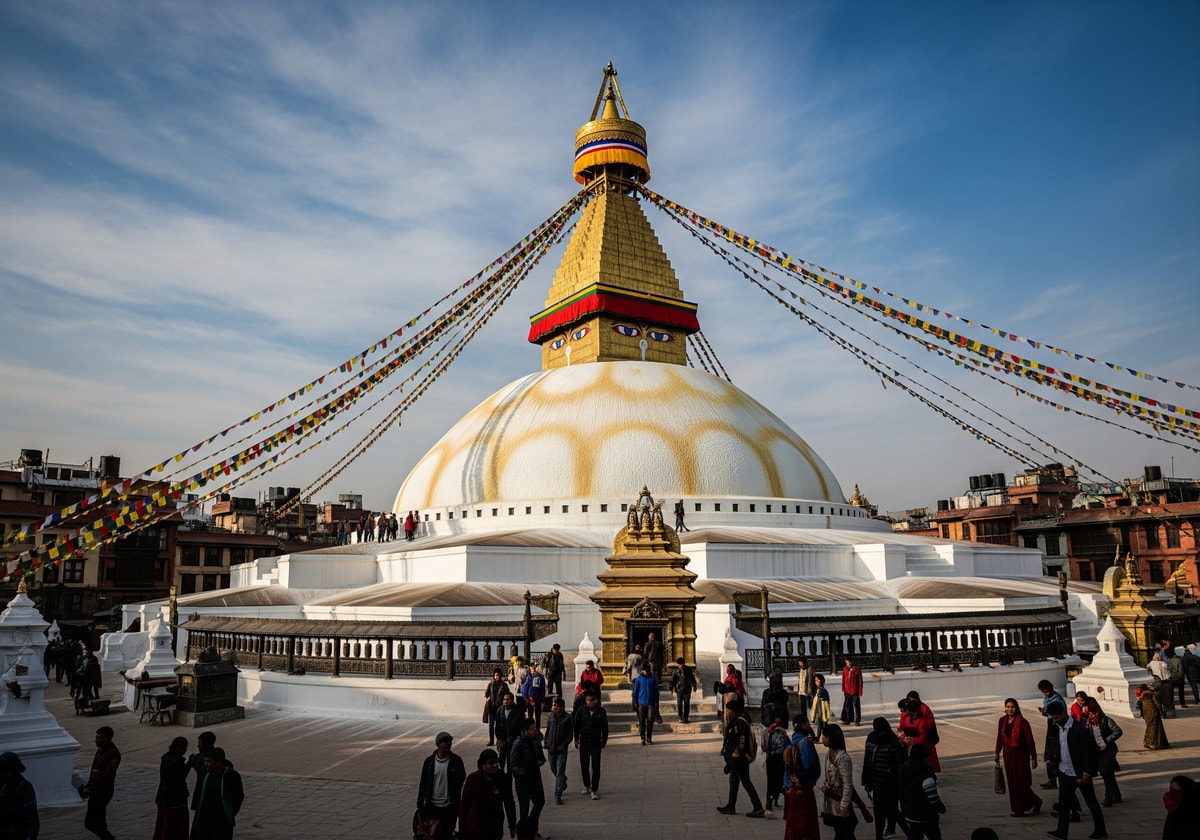
The Boudhanath Stupa at sunset was one of the most spiritual experiences of my life. Watching the monks and pilgrims circumambulating while the golden light illuminated the eyes of Buddha - unforgettable. Nepal has this magic that goes beyond mountains.
Returned from the Manaslu Circuit last month - less crowded than EBC or Annapurna and absolutely stunning. Note: Manaslu requires a special restricted area permit and you MUST have a guide (it's mandatory by law, not just recommended). Factor this into your budget!
Traveling solo as a woman to Nepal was amazing. People were incredibly friendly and helpful, I felt safe throughout (even trekking with just my guide). The e-visa process was easy, and being prepared with proper documentation made everything smooth. Highly recommend!