
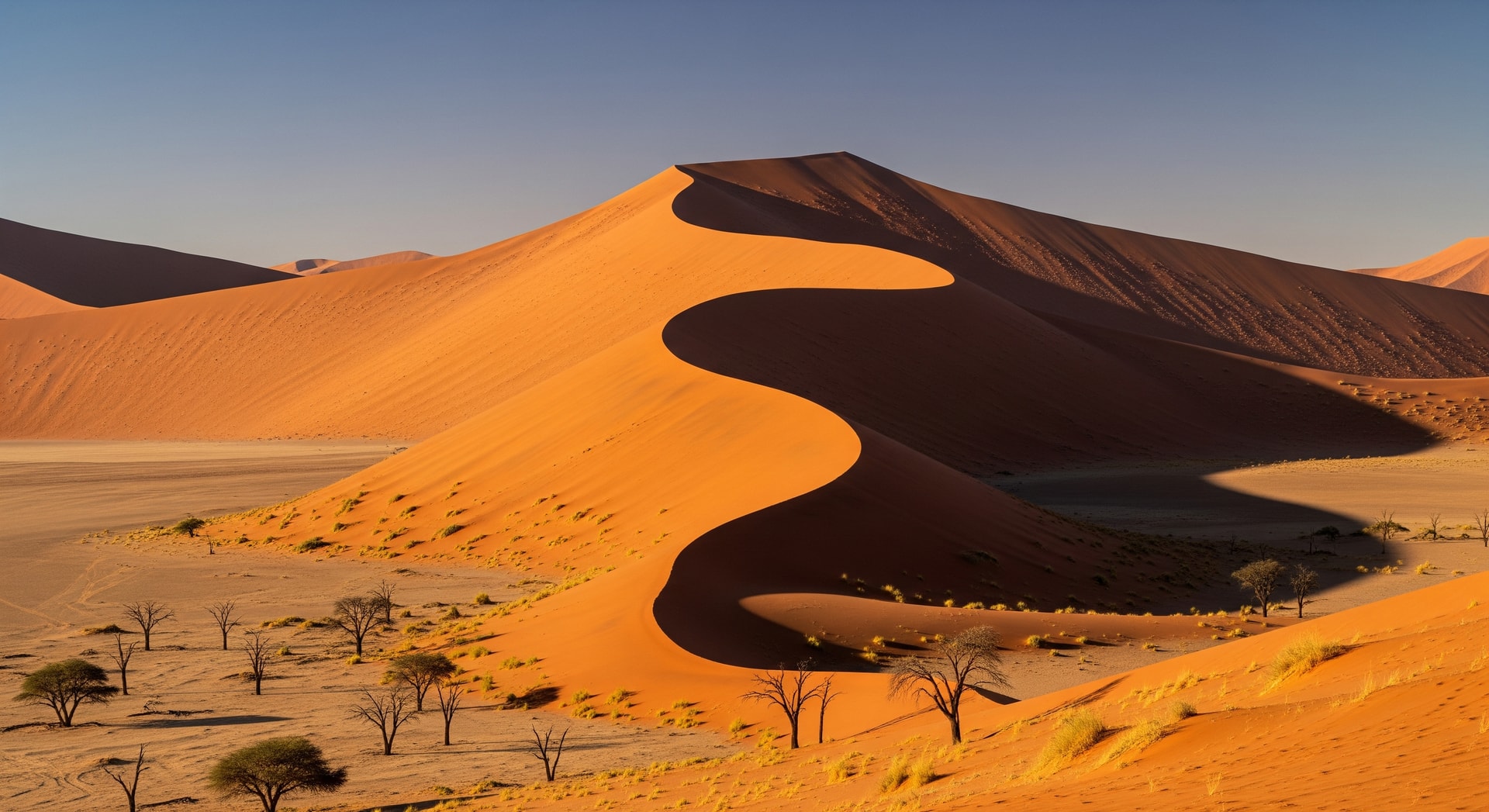
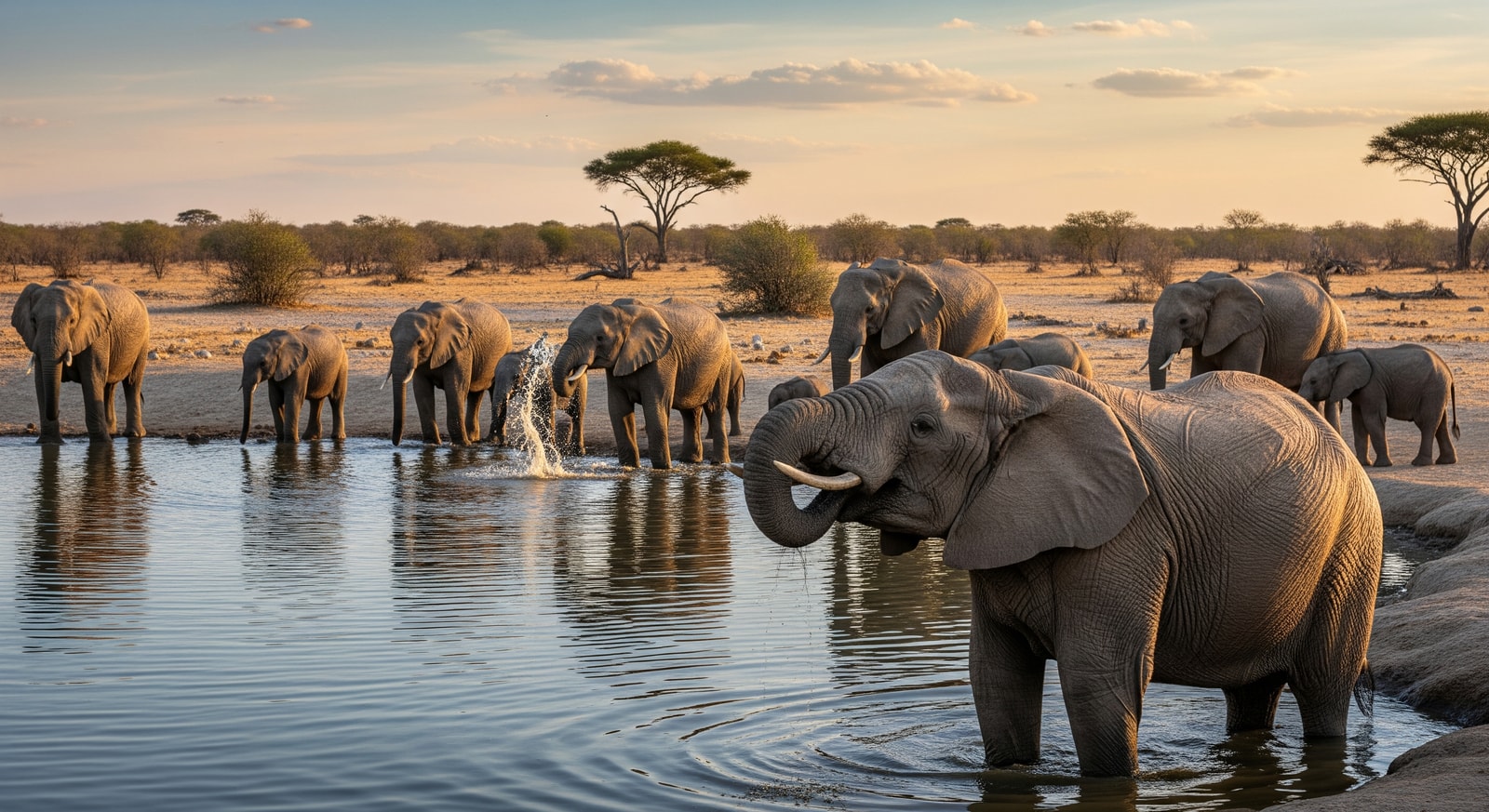
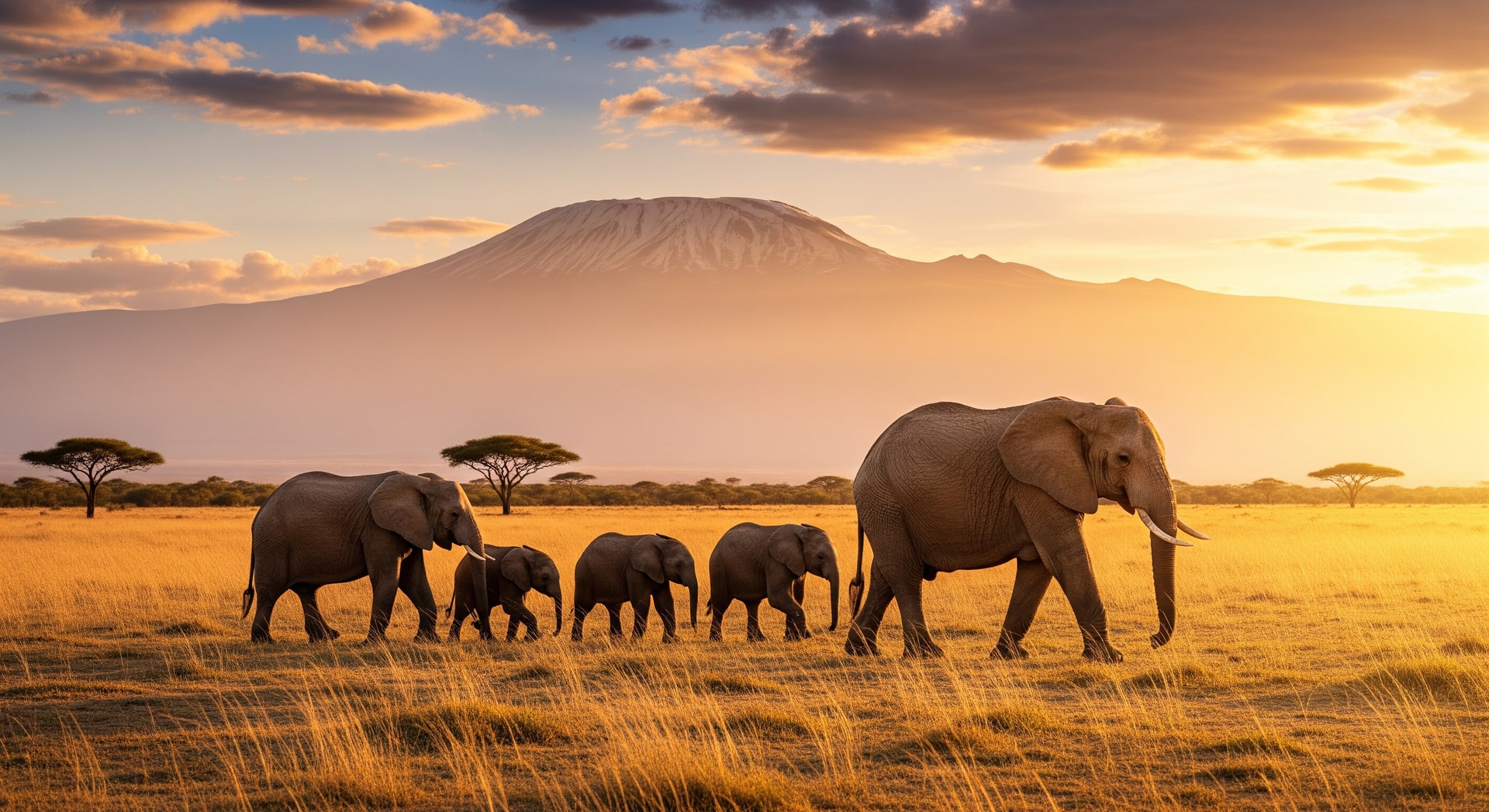
Namibia stands as one of Africa's most visually dramatic destinations — a land where towering red sand dunes rise against cobalt skies, elephants adapted to desert life roam ancient riverbeds, and night skies reveal the Milky Way with breathtaking clarity. This sparsely populated nation in southwestern Africa offers wildlife experiences rivaling those of East Africa, landscapes found nowhere else on Earth, and the freedom of self-drive exploration through vast wilderness areas stretching to every horizon.
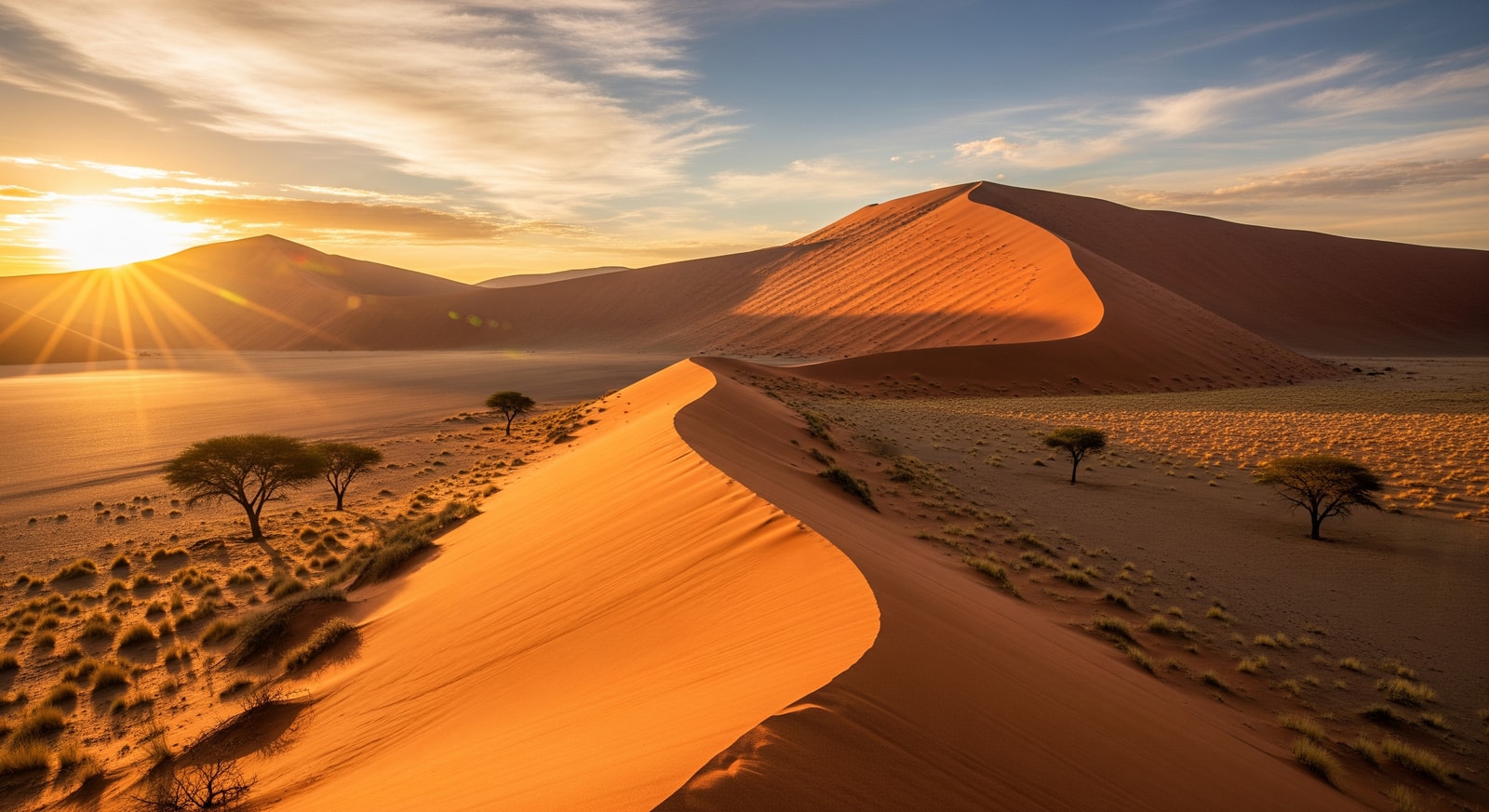
From the rust-colored dunes of Sossusvlei rising over 300 meters above the desert floor to the abundant wildlife of Etosha National Park and the eerie shipwrecks along the Skeleton Coast, Namibia delivers adventures that feel genuinely wild and uncrowded. The country's excellent infrastructure makes it one of Africa's safest and easiest destinations for independent travel, while still offering the raw wilderness experience that draws travelers to the continent.
The Namibia e-Visa system has simplified entry for travelers from certain countries, though many nationalities enjoy visa-free access. This comprehensive guide covers everything you need to know about Namibia's visa requirements, the e-Visa application process, and essential tips for experiencing this extraordinary country where the Namib Desert — the world's oldest — meets the Atlantic Ocean in a landscape of staggering beauty.
Understanding Namibia Visa Requirements
Namibia's visa policy varies significantly by nationality, with many countries enjoying visa-free access for tourist visits while others require advance authorization through the e-Visa system or traditional embassy applications. Understanding which category your nationality falls into is the essential first step in planning your Namibian adventure.
Citizens of many countries, including the United States, United Kingdom, European Union member states, Australia, Canada, and numerous others, can enter Namibia visa-free for tourism stays of up to 90 days. This visa-free stamp is granted upon arrival at immigration, requiring only a valid passport with sufficient validity and blank pages.
The Namibia e-Visa system serves citizens of countries that require advance visa authorization but can apply through the electronic platform. This includes certain Asian, African, and Middle Eastern nationalities. The e-Visa provides a convenient alternative to applying through Namibian embassies, which are limited in number worldwide. Processing is entirely online, and approved e-Visas are delivered electronically.
Some nationalities must still apply for visas through Namibian diplomatic missions using the traditional application process. These travelers should contact their nearest Namibian embassy or consulate well in advance of planned travel to understand requirements and processing times specific to their situation.
Namibia Visa Quick Facts
Visa-free: Many nationalities (US, UK, EU, etc.) up to 90 days
e-Visa: Available for certain nationalities requiring advance authorization
Processing: e-Visa typically 5-10 business days
Embassy visa: Required for some nationalities
Entry stamp: Given at immigration upon arrival
Important: Verify your specific nationality's requirements
Namibia is dangerous for self-drive visitors and you need organized tours.
Namibia is one of Africa's safest and most accessible countries for self-drive travel. The road network is well-maintained, fuel stations are strategically located, and crime rates are low by African standards. Many visitors rent 4x4 vehicles and explore independently, enjoying the freedom to experience landscapes at their own pace with excellent camping and lodge infrastructure throughout.
Who Can Apply for a Namibia e-Visa?
Before starting an e-Visa application, confirm whether you actually need one. Namibia's visa-free access covers citizens of many countries, meaning they can simply arrive with a valid passport and receive an entry stamp. Applying for an e-Visa when you have visa-free access wastes time and money.
The Namibia e-Visa is specifically designed for citizens of countries that require advance visa authorization and are eligible to apply through the electronic system. This includes travelers from certain countries in Asia, Africa, and the Middle East. The government periodically updates eligibility lists, so always verify current requirements before applying.
If your nationality requires a visa but is not eligible for the e-Visa, you must apply through a Namibian embassy or consulate. This traditional process requires physical application submission and may involve longer processing times, so plan accordingly.
- Verify first: Check if your nationality has visa-free access (most Western countries do) — no application needed if so
- e-Visa eligibility: Confirm your nationality is eligible for the e-Visa system if visa required
- Valid passport: At least 6 months validity beyond your planned departure with 2+ blank pages
- Purpose of visit: Tourism, wildlife safaris, visiting friends/family, or short business trips
- Duration: Planning stays within the permitted period (typically up to 90 days)
- Financial means: Ability to demonstrate funds to support your stay
- Return travel: Evidence of return ticket or onward travel arrangements
Required Documents for Namibia e-Visa
If you've confirmed your nationality requires and is eligible for a Namibia e-Visa, prepare these documents before starting your online application. Having everything ready in digital format ensures a smooth, quick application process.
- Valid passport: High-quality color scan of the biographical page with at least 6 months validity beyond planned departure
- Passport photo: Recent digital photograph meeting visa specifications — white background, neutral expression, face clearly visible
- Travel itinerary: Planned arrival and departure dates including entry point
- Accommodation details: Hotel bookings, lodge reservations, or camping site arrangements
- Flight itinerary: Proof of return flight or onward travel from Namibia
- Email address: Valid email where you'll receive your e-Visa approval
- Payment method: Credit or debit card for the online visa fee
- Yellow fever certificate: Required if arriving from or transiting through yellow fever endemic countries
Self-Drive Safari Planning
Namibia is ideal for self-drive safaris. Book your 4x4 vehicle well in advance, especially for peak season (July-October). Many visitors underestimate distances — Namibia is vast and driving days between attractions can be long. Plan realistic daily distances and enjoy the journey through spectacular landscapes.
How to Apply for the Namibia e-Visa
The Namibia e-Visa application is completed entirely online through a straightforward process. Note that processing times can vary, so apply well in advance of your travel dates to ensure sufficient time for approval. Here's how to navigate the application successfully.
- Confirm eligibility: Verify your nationality requires an e-Visa and is eligible for the electronic system
- Access the portal: Navigate to Namibia's official e-Visa website or use DoVisa's guided application service
- Create an account: Register with your email address and create a secure password
- Select visa type: Choose the appropriate category based on your travel purpose — tourist visa is most common
- Enter personal details: Complete all required fields exactly as they appear in your passport
- Provide travel information: Enter your planned arrival date, duration, entry point, and accommodation details
- Upload documents: Submit clear scans of your passport biographical page and a recent photograph
- Review application: Carefully check all information for accuracy before proceeding
- Pay the visa fee: Complete payment through the secure online system using your card
- Submit application: Confirm submission and save your reference number for tracking
- Wait for processing: Monitor your email for updates — processing typically takes 5-10 business days
- Download approval: Once approved, download and print your e-Visa to present upon arrival
e-Visa Costs and Processing Times
Namibia e-Visa fees vary based on the visa type and your nationality. Processing times are generally 5-10 business days, though this can extend during peak periods or if additional documentation is requested. Apply at least 2-3 weeks before your intended travel date to ensure adequate time.
Namibia e-Visa Processing Options
| Visa Type | Validity | Processing Time |
|---|---|---|
| Tourist e-Visa | Up to 90 days | 5-10 business days |
| Business e-Visa | Up to 90 days | 5-10 business days |
| Visa-free entry | Up to 90 days | On arrival (no pre-approval) |
Apply for Your Namibia e-Visa
Common Mistakes to Avoid
Errors Can Delay Your Namibia Adventure
Application errors are the most common cause of e-Visa delays. Review every detail carefully before submission, as corrections may require starting a new application. Namibia's processing can take longer than some other e-Visa systems, making it especially important to get it right the first time.
- Unnecessary applications: Applying for an e-Visa when your nationality has visa-free access — check first!
- Passport validity: Ensure at least 6 months validity beyond your planned departure date from Namibia
- Name discrepancies: Enter your name exactly as it appears in your passport, including spelling and order
- Poor document quality: Ensure passport scan is clear, in color, and all text is legible
- Photo issues: Use a recent, properly formatted photograph meeting visa specifications
- Incorrect dates: Double-check your travel dates and ensure the visa validity covers your entire planned stay
- Late applications: Apply at least 2-3 weeks before travel to allow for processing time and any issues
- Email errors: Verify your email address is correct — all communications are sent electronically
Travel Tips for Namibia
Namibia offers one of Africa's most rewarding travel experiences — a unique combination of world-class wildlife, landscapes of extraordinary beauty, and the freedom of independent exploration that's increasingly rare on the continent. From the towering rust-colored dunes of Sossusvlei to the wildlife-rich waterholes of Etosha National Park, from the fog-shrouded shipwrecks of the Skeleton Coast to the indigenous communities of Damaraland, Namibia delivers on every front with experiences that feel genuinely wild and uncrowded.
The country's excellent tourism infrastructure makes self-drive travel accessible and safe, but success requires careful planning and realistic expectations. Namibia is vast — larger than France and the UK combined — with distances between attractions often spanning hundreds of kilometers of desert and semi-arid terrain. The reward for embracing these distances is experiencing landscapes in solitude, where you might not see another vehicle for hours and the only sounds are wind and wildlife. These practical tips will help you plan an unforgettable Namibian adventure that balances ambition with the patience these spaces deserve.
- Best time to visit: May to October (dry season) offers the best wildlife viewing as animals gather at waterholes. June-August can be cold at night. November-April is greener but with afternoon thunderstorms.
- Book early: Namibia's best lodges and campsites book out months in advance, especially during peak season. Reserve accommodation as early as possible, particularly for Etosha and Sossusvlei.
- Rent a 4x4: While some main routes are tarred, many attractions require 4x4 vehicles. Rooftop tents are popular for camping at designated sites. Book vehicles well in advance.
- Plan distances realistically: A 300km drive can take 4-6 hours on gravel roads. Don't overschedule — driving days are long enough to be exhausting if you try to cover too much ground.
- Fuel planning: Stations are well-spaced on main routes but can be 200km+ apart in remote areas. Never pass a fuel station with less than half a tank.
- Currency: The Namibian Dollar (NAD) is pegged to the South African Rand, which is also accepted. ATMs are available in towns but carry cash for rural areas.
- Sossusvlei timing: Enter Sesriem Gate at opening time (sunrise varies by season) to catch the dunes in magical morning light. The walk to Deadvlei is best done before midday heat.
- Etosha strategy: Stay at multiple camps (Okaukuejo, Halali, Namutoni) to cover different sections of the park. Waterhole viewing at night is extraordinary — many camps have floodlit waterholes.
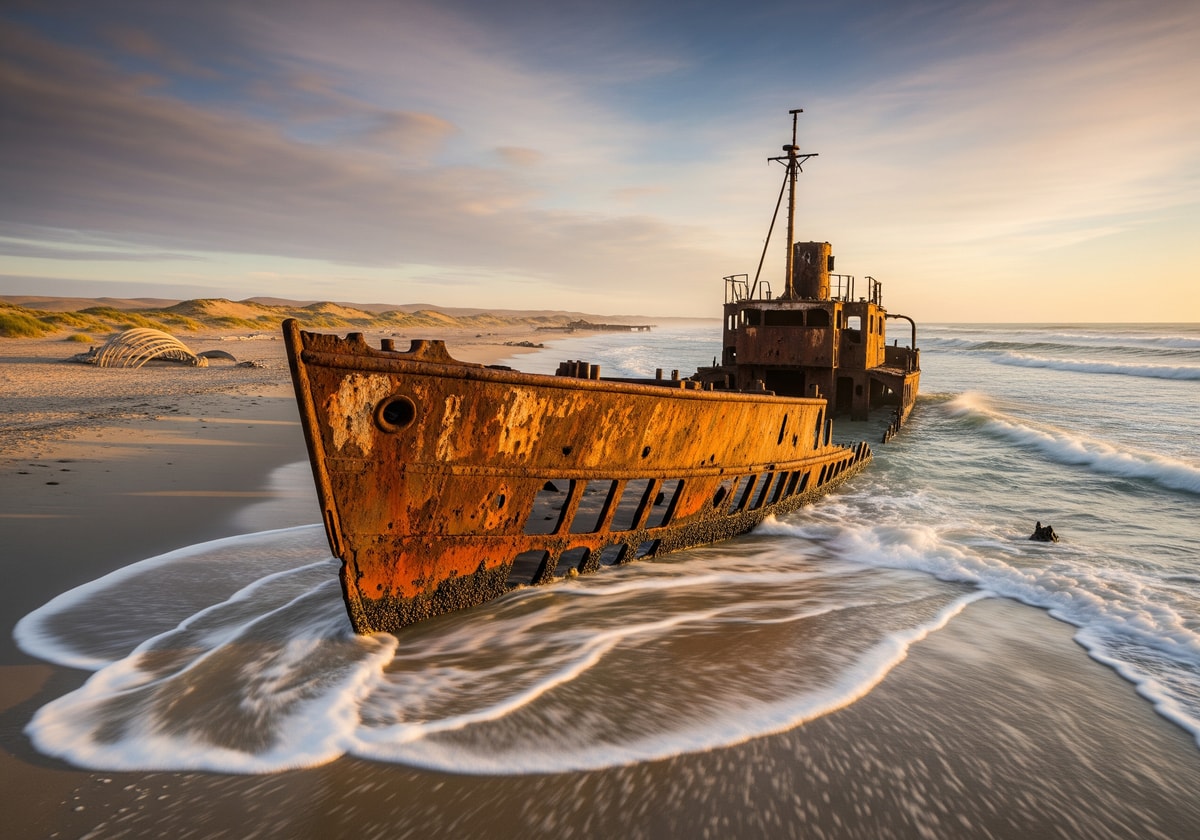
- Skeleton Coast: This haunting stretch of Atlantic coastline requires a day or more. The shipwrecks, seal colonies, and stark beauty reward those who make the journey.
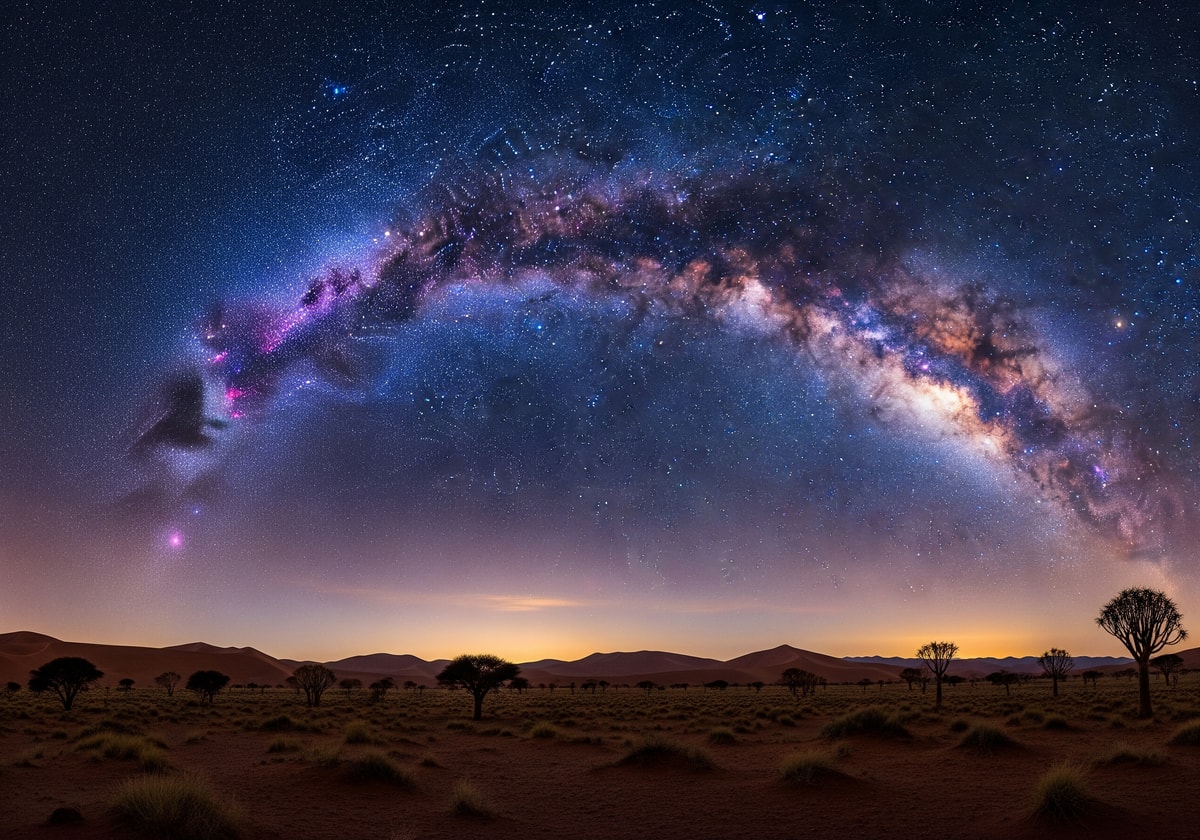
- Night skies: Namibia has some of Earth's darkest skies. Stay at lodges away from towns for unforgettable stargazing — the Milky Way appears almost three-dimensional.
Wildlife Viewing Tip
At Etosha's waterholes, patience is everything. Find a good spot and wait rather than constantly driving from waterhole to waterhole. Animals follow predictable patterns, and the best sightings often come to those who wait quietly as wildlife builds confidence and approaches the water. Bring snacks and enjoy the show.
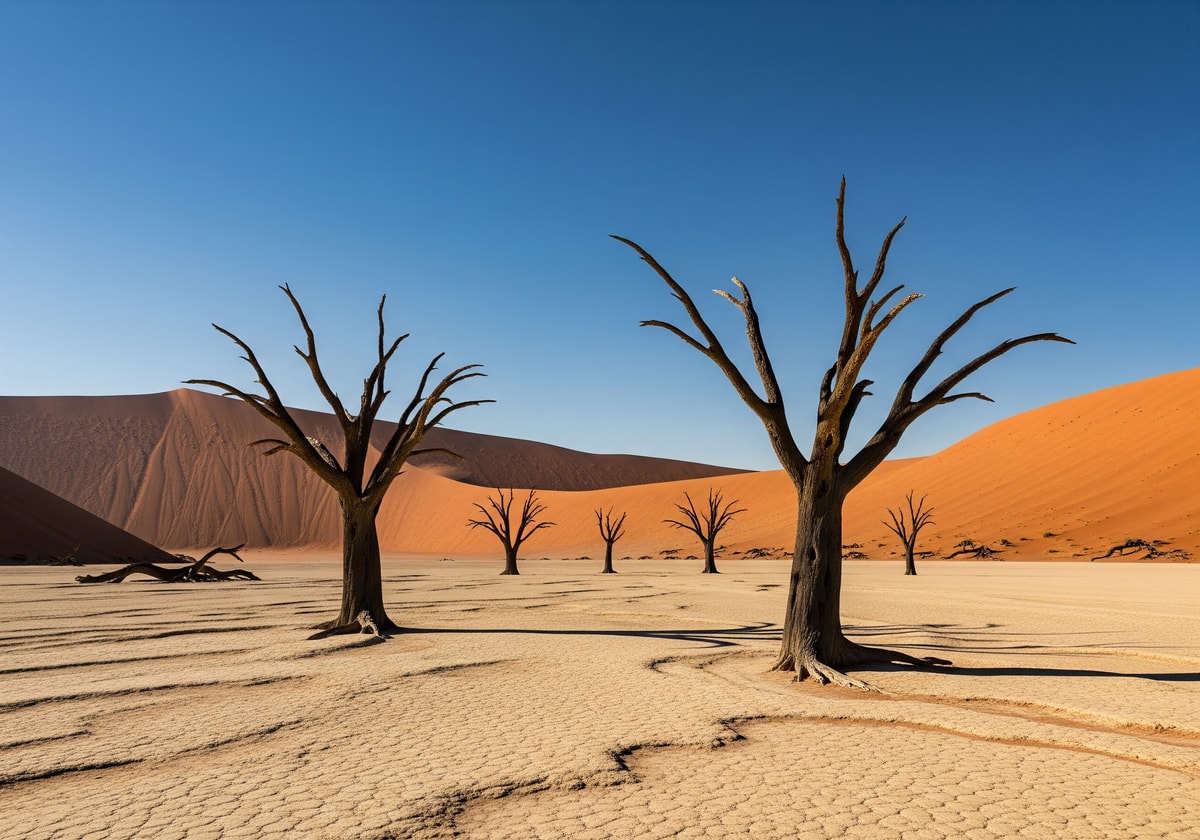
Standing in Deadvlei surrounded by the ancient dead trees against those massive orange dunes was one of the most surreal moments of my life. Namibia feels like another planet.
Why Choose DoVisa?
Expert Namibia visa guidance
Eligibility verification before you apply
Application review for accuracy
Fast processing assistance
24/7 customer support
Secure document handling
Frequently Asked Questions
Do US citizens need a visa for Namibia?
How long can I stay in Namibia on a tourist visa or entry stamp?
Is Namibia safe for self-drive travel?
What is the best time to visit Namibia for wildlife?
Do I need a 4x4 vehicle in Namibia?
How far in advance should I book accommodation in Namibia?
What should I pack for a Namibia trip?
Can I see the Big Five in Namibia?
Is it worth visiting Sossusvlei?
What is the road network like in Namibia?
Do I need travel insurance for Namibia?
What currency is used in Namibia?
How long do I need for a Namibia trip?
Can I combine Namibia with neighboring countries?
What wildlife can I expect to see in Etosha National Park?
Start Your Namibian Adventure
Namibia delivers one of Africa's most complete travel experiences — world-class wildlife, landscapes of surreal beauty, excellent infrastructure for independent travel, and a sense of wilderness and space that becomes harder to find everywhere on Earth. The crimson dunes of Sossusvlei at sunrise, elephants silhouetted against the sunset at Etosha's waterholes, the haunting shipwrecks of the Skeleton Coast, ancient rock engravings at Twyfelfontein, and night skies revealing the universe in stunning clarity — these experiences stay with travelers long after they return home and reshape their understanding of what wild Africa can offer.
The country rewards those who plan carefully and take their time. Rush through Namibia and you miss the magic that emerges from patient waterhole viewing, pre-dawn dune walks, and evenings spent under unpolluted skies with a sundowner in hand. Build enough time into your itinerary to simply be present in these extraordinary landscapes rather than racing between them. The moments of stillness — watching a black rhino approach a waterhole at midnight, or standing alone at Deadvlei as the sun rises — are what make Namibia truly unforgettable.
Whether you enter visa-free or need an e-Visa, Namibia welcomes visitors ready to experience Africa at its most visually dramatic and atmospherically powerful. Check your visa requirements today, book that 4x4 and those lodges as early as possible, and prepare for a journey through landscapes and wildlife encounters that will redefine what you thought possible from a travel experience. Namibia awaits with open horizons — and it will exceed every expectation you bring.
Namibia
Capital: Windhoek
Currency: Namibian Dollar (NAD)
Language: English (official)
Timezone: UTC+1 / UTC+2 (Summer)
Processing: 5-10 business days (e-Visa)
Quick Facts
- Population: 2.5 million
- Namib Desert: World's oldest desert
- World's largest population of free-roaming cheetahs
- Famous for: Sossusvlei, Etosha, Skeleton Coast
Get the DoVisa App
Store your travel documents and access them offline during your Namibia adventure.




Comments(10)
Leave a Comment
Just returned from 2 weeks self-driving Namibia — absolutely life-changing! Entered visa-free as a US citizen, rented a 4x4 with rooftop tent, and had the adventure of a lifetime. Deadvlei at sunrise is as magical as everyone says. Book your lodges early though — I struggled to get some bookings even 4 months ahead!
The wildlife at Etosha was incredible. We sat at Okaukuejo waterhole one evening and saw elephants, rhinos, lions, and countless antelope all come to drink. The floodlights let you watch all night. Don't miss this experience!
Pro tip: Get to Sesriem Gate before it opens for sunrise at Sossusvlei. The light on those dunes in the first hour is unreal — totally different from midday. Also climb Dune 45 for sunrise if Deadvlei is too far.
The night skies in Namibia ruined regular stargazing for me forever! We stayed at NamibRand Nature Reserve and the Milky Way was so bright it cast shadows. Bring a tripod if you want to photograph it. Absolutely unreal.
Don't underestimate the distances! We planned our first day with too many stops and ended up driving after dark, which you really want to avoid due to wildlife on the roads. Give yourself more time than you think you need.
The Skeleton Coast was hauntingly beautiful. The shipwrecks emerging from the fog, the massive seal colony at Cape Cross, the stark landscape — it's unlike anywhere else. Give it at least a full day, preferably two.
Budget travelers take note: Namibia's campsites are excellent! We did the whole trip camping in our rooftop tent for a fraction of what lodges cost. Still had incredible experiences. Just pack warm layers for cold desert nights!
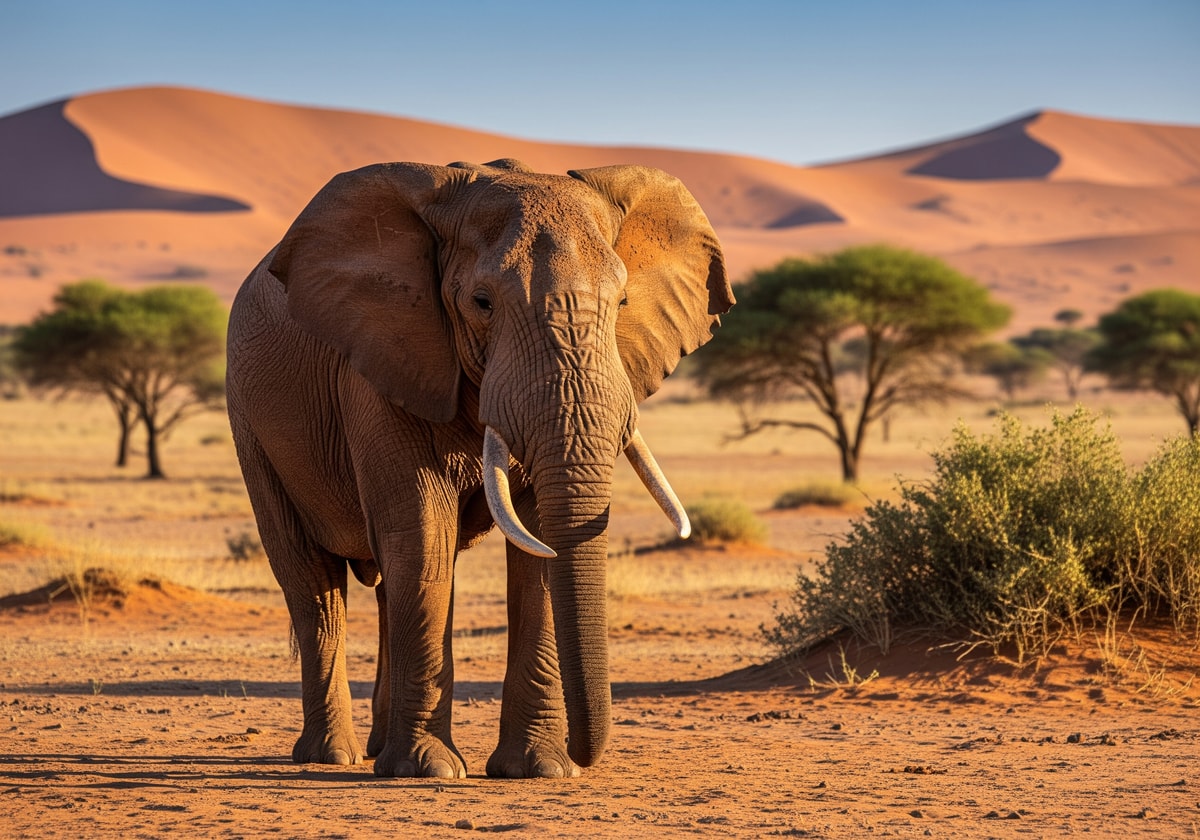
The desert-adapted elephants in Damaraland were a highlight we didn't expect. These amazing animals survive in conditions that seem impossible. Make sure to hire a local guide — they know where to find them.
Is it worth adding Fish River Canyon to the itinerary? We're trying to fit it all into 12 days...
The local guides at Etosha were incredible — they know every waterhole's patterns and which animals frequent each area at different times. A guided drive at least once is worth the investment even if self-driving most of the trip.