
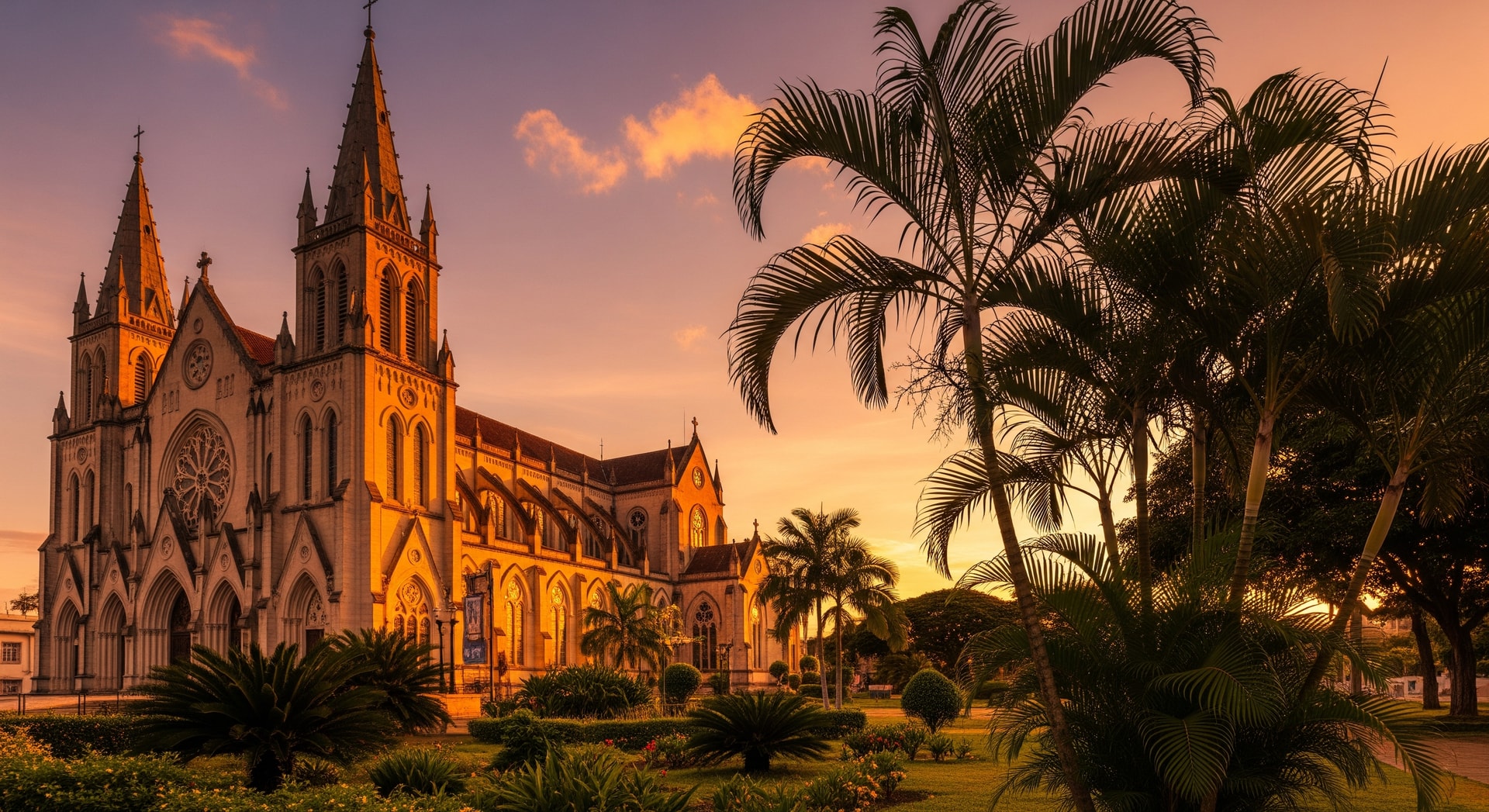
Equatorial Guinea holds a unique position in the African continent — it is the only country where Spanish serves as the primary official language, a legacy of colonial history that distinguishes it from its French, English, and Portuguese-speaking neighbors. This small but oil-wealthy nation, composed of a mainland region (Río Muni) bordered by Cameroon and Gabon plus several islands including the capital island of Bioko, remains one of Africa's least-visited destinations, offering pristine rainforests, volcanic landscapes, and beaches largely untouched by international tourism.
Equatorial Guinea's visa requirements have historically been among Africa's most challenging, but the introduction of electronic visa options has improved accessibility for certain travelers. This comprehensive guide explains the Equatorial Guinea visa application process, required documentation, and important considerations for visiting this unique Central African nation where Spanish colonial architecture, tropical biodiversity, and a distinctive blend of African and Hispanic cultures create a travel experience found nowhere else on the continent.
Understanding Equatorial Guinea Visa Requirements
Equatorial Guinea requires visas for most foreign nationals, and the application process has traditionally been one of Africa's more complex procedures. The country has introduced electronic visa options to streamline entry for certain nationalities, though requirements and availability can vary. Travelers should verify current procedures through official channels or the Equatorial Guinean embassy serving their country before making travel plans.
The e-Visa, when available, allows eligible travelers to apply online for authorization to enter Equatorial Guinea without visiting an embassy in person. This modernization effort aims to make the country more accessible to tourists and business travelers while maintaining immigration controls appropriate for this small nation. Processing times and requirements may differ from other e-Visa systems, so planning ahead is essential.
All visitors to Equatorial Guinea need a valid passport with substantial validity remaining beyond their travel dates, proof of accommodation, evidence of sufficient funds, and in many cases, an invitation letter from a local sponsor or registered tour operator. The visa process reflects the country's relatively closed approach to tourism, which is slowly opening as infrastructure develops and the government seeks to diversify beyond oil revenues.
Equatorial Guinea Visa Quick Facts
Visa required: Yes, for most nationalities
e-Visa availability: Limited — verify current status
Processing: Can take several weeks
Invitation letter: Often required from local sponsor
Important: Requirements may change — verify before applying
Equatorial Guinea is impossible to visit as a tourist.
While visa requirements are stringent, tourist visits are possible. The process requires more planning than typical African destinations, often involving invitation letters from registered operators or sponsors. As the country develops its tourism sector, access is gradually improving. Organized tours provide the most straightforward path to visiting.
Who Can Apply for an Equatorial Guinea Visa?
Equatorial Guinea's visa policy is restrictive compared to many African countries, with most nationalities requiring advance visa authorization regardless of visit purpose. A few Central African Economic and Monetary Community (CEMAC) member states have preferential arrangements, but most international travelers face similar requirements regardless of nationality.
The e-Visa system, where available, may have specific eligibility criteria based on nationality and visit purpose. Business travelers visiting oil and gas operations sometimes have streamlined processes through their employer or industry connections. Tourist visitors typically need to work with registered local operators who can provide the necessary invitation documentation and support the visa application process.
- Valid passport: At least 6 months validity beyond your intended stay with multiple blank pages for visas and entry stamps
- Visa sponsorship: Most visitors require an invitation letter from a local sponsor, registered tour operator, or business entity in Equatorial Guinea
- Purpose of visit: Tourism (organized tours recommended), business meetings, family visits with local sponsors
- Proof of accommodation: Hotel bookings or confirmation from your sponsor/host
- Financial means: Evidence of sufficient funds to support your stay
- Health requirements: Yellow fever vaccination certificate required for entry
Required Documents for Equatorial Guinea Visa
The document requirements for Equatorial Guinea visas are typically more extensive than many other destinations. Having all documents prepared and organized before beginning your application is essential, as incomplete applications face significant delays or rejection. Requirements may vary based on your nationality and visit purpose.
- Valid passport: Original passport with at least 6 months validity and multiple blank pages
- Passport photos: Recent passport-sized photographs meeting Equatorial Guinean specifications
- Visa application form: Completed official application form with accurate information
- Invitation letter: Letter from your sponsor in Equatorial Guinea (often required for tourist and business visits)
- Travel itinerary: Detailed plans including arrival/departure dates and internal travel arrangements
- Accommodation proof: Hotel bookings or letter from host confirming arrangements
- Proof of funds: Bank statements or evidence of financial means for your stay
- Return ticket: Confirmed return or onward travel from Equatorial Guinea
- Yellow fever certificate: Vaccination certificate required for all travelers
- Employment letter: For business visitors, letter from employer explaining purpose of visit
How to Apply for an Equatorial Guinea Visa
The application process for Equatorial Guinea visas depends on whether e-Visa services are available for your nationality and whether you have a local sponsor to support your application. Working with registered tour operators familiar with the process often simplifies what can otherwise be a complex procedure.
- Verify current requirements: Contact the Equatorial Guinean embassy or check official sources for current visa requirements and e-Visa availability
- Secure sponsorship: Arrange invitation letter from local sponsor, tour operator, or business contact as typically required
- Gather all documents: Compile complete documentation including passport, photos, itinerary, accommodation, and financial evidence
- Complete application: Fill out the visa application form accurately and completely
- Submit application: Apply through the e-Visa system if available, or submit to the nearest Equatorial Guinean embassy
- Pay fees: Submit required visa fees as specified for your visa category
- Wait for processing: Allow adequate time for processing — applications may take several weeks
- Receive visa: Once approved, ensure you understand any conditions or restrictions on your visa
Need Visa Assistance?
Travel Tips for Equatorial Guinea
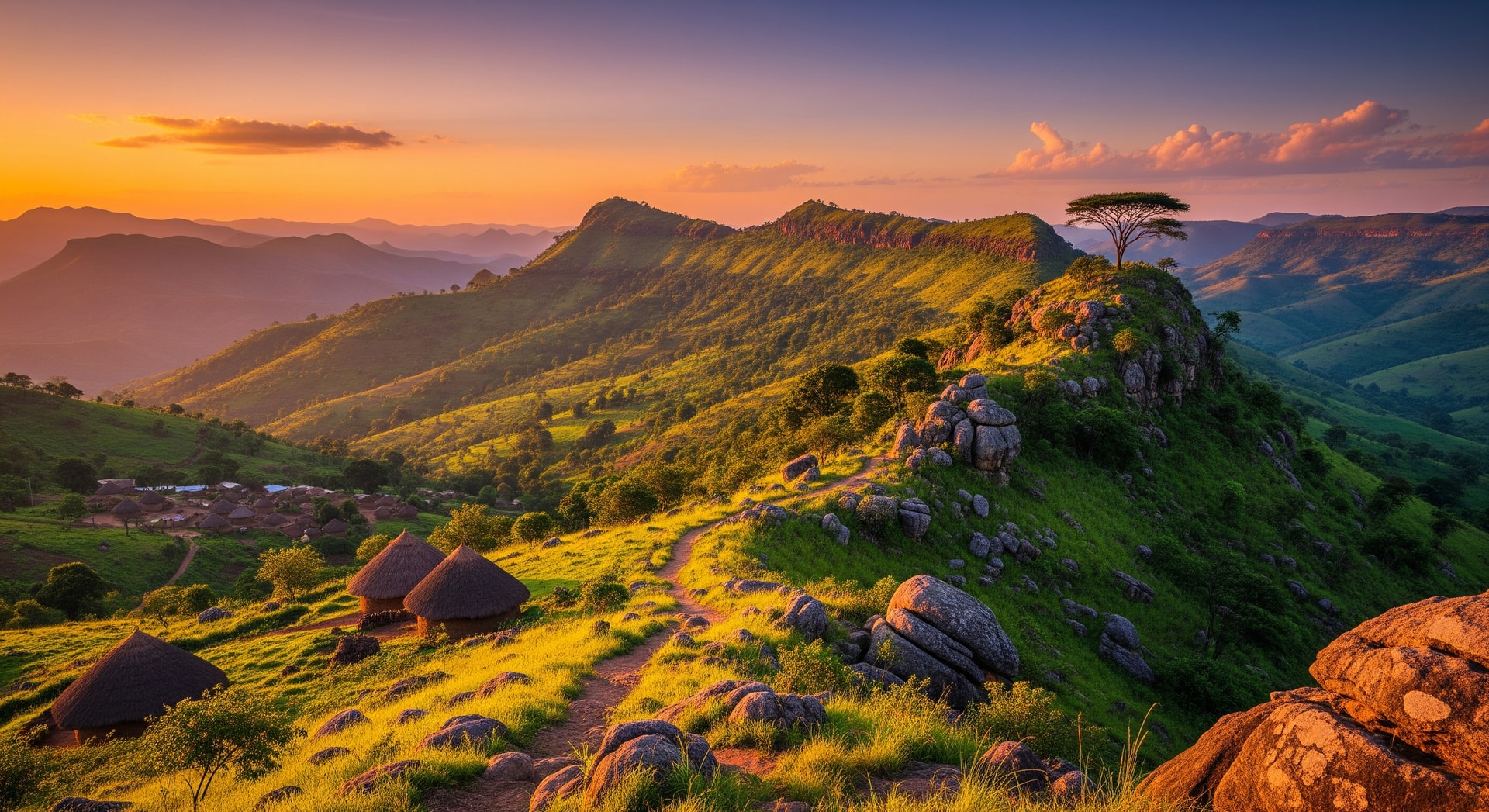
Equatorial Guinea offers unique experiences for adventurous travelers willing to navigate its more demanding entry requirements. The country's distinctive blend of Spanish colonial heritage, traditional African cultures, substantial oil wealth, and pristine natural environments creates a destination truly unlike any other on the continent. From the volcanic peaks and endemic primates of Bioko Island to the untouched rainforests of the mainland region, Equatorial Guinea rewards those who make the effort to reach it with experiences that remain far off the tourist trail.
These practical tips will help you prepare for visiting this rarely-traveled Central African nation, where Spanish serves as the everyday language and tourism infrastructure continues to develop.
- Spanish language: Spanish is the primary language. French and Portuguese are also official, but Spanish dominates in daily life. Basic Spanish skills are very helpful; English is limited outside major hotels.
- High costs: Equatorial Guinea is one of Africa's most expensive destinations due to oil wealth. Budget accordingly for accommodation, food, and services.
- Bioko Island: The capital island offers volcanic landscapes, pristine beaches at Arena Blanca, and Monte Alén rainforest with remarkable biodiversity including endemic primates.
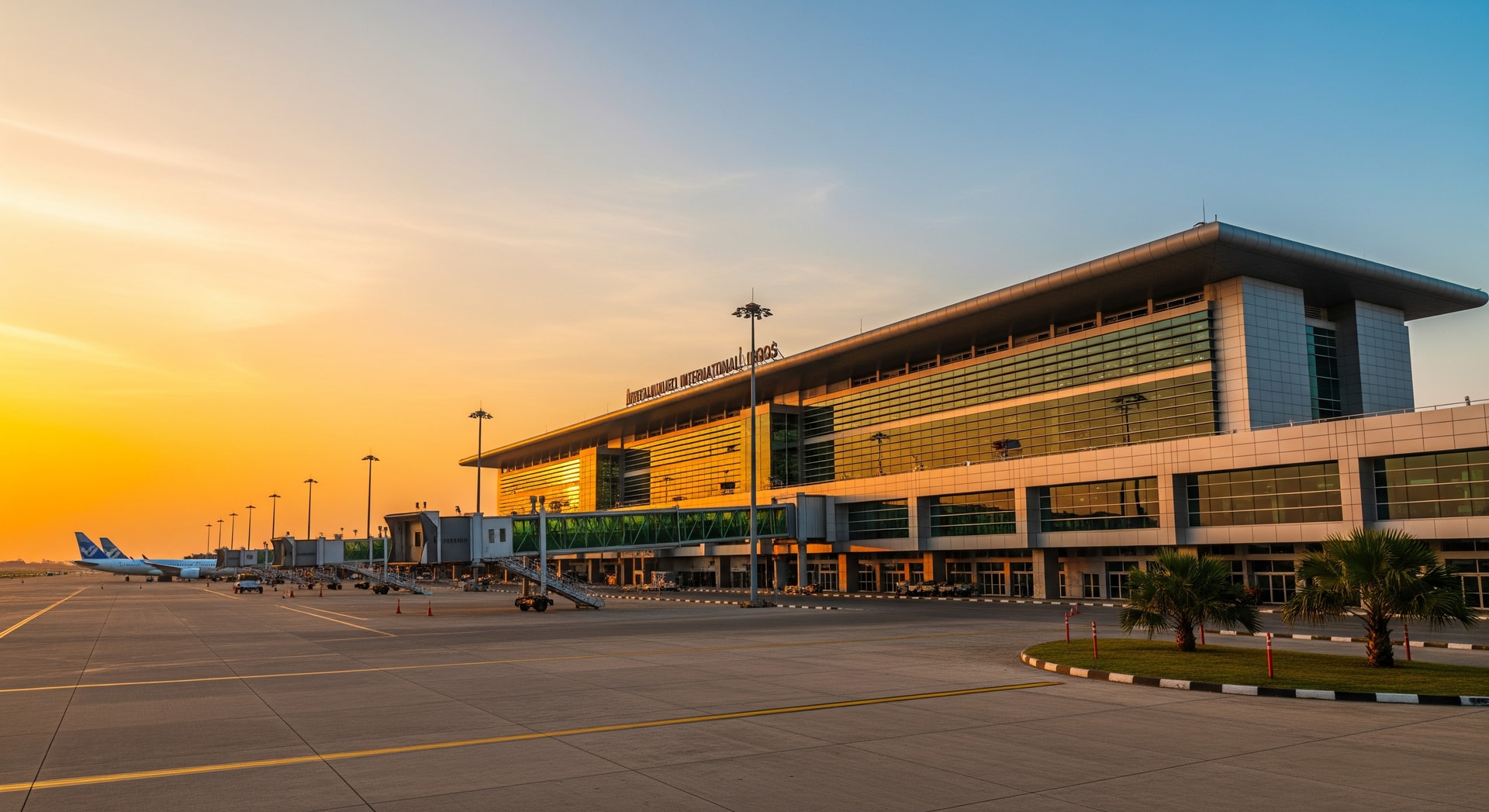
- Malabo: The capital city on Bioko features Spanish colonial architecture, markets, and serves as the base for exploring the island. Modern developments contrast with historic buildings.
- Currency: The Central African CFA Franc (XAF) is the official currency, shared with neighboring Central African countries. Cash is essential as card acceptance is extremely limited outside major hotels. ATMs exist in Malabo but may be unreliable, so bring sufficient cash for your entire visit.
- Health precautions: Yellow fever vaccination is mandatory for entry. Malaria prophylaxis is essential throughout your stay. Healthcare facilities are limited outside Malabo, so travel insurance with evacuation coverage is strongly recommended.
- Organized tours: Working with a registered tour operator who has experience with Equatorial Guinea often simplifies visa arrangements, accommodation bookings, and logistics significantly.
- Respect local customs: Dress modestly, ask permission before photographing people, and respect local sensibilities.
Why Choose DoVisa?
Current visa requirement information
Expert guidance on documentation
Application support and review
24/7 customer assistance
Secure document handling
Frequently Asked Questions
Is Equatorial Guinea difficult to visit as a tourist?
Do I need a yellow fever vaccination for Equatorial Guinea?
What language is spoken in Equatorial Guinea?
What is the best time to visit Equatorial Guinea?
Is Equatorial Guinea safe for tourists?
Planning Your Equatorial Guinea Journey
Equatorial Guinea represents one of Africa's final frontiers for tourism — a destination that rewards the effort required to reach it with experiences found nowhere else on the continent. The unique combination of Spanish language and culture, pristine tropical environments on volcanic Bioko Island, and the distinctive atmosphere of a small, oil-rich nation creates a travel experience that challenges and fascinates in equal measure. Here you'll find African traditions expressed through a Spanish linguistic lens, creating cultural expressions that bridge continents in ways no other country can offer.
The visa process requires patience and typically the assistance of local sponsors or established tour operators familiar with the bureaucratic requirements. While this adds complexity compared to more accessible African destinations, it also means that visitors who do arrive find a country largely untouched by mass tourism, with genuine encounters and unexplored natural wonders awaiting. The beaches remain empty, the rainforests unexplored by tourists, and the local people genuinely curious about the rare foreign visitors they encounter.
For adventurous travelers willing to navigate the requirements, Equatorial Guinea offers glimpses of an Africa that has largely disappeared elsewhere — pristine rainforests, endemic wildlife, and communities where traditional ways persist alongside oil wealth's modern developments. Check current visa requirements carefully, work with experienced operators, and prepare for a journey to one of Africa's most unusual and least-visited nations.
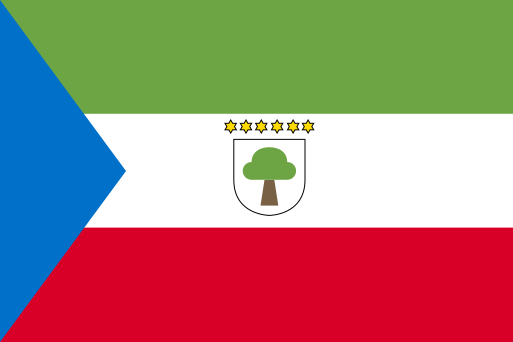
Equatorial Guinea
Capital: Malabo (Bioko Island)
Currency: Central African CFA Franc (XAF)
Language: Spanish (primary), French, Portuguese
Timezone: UTC+1 (West Africa Time)
Processing: Several weeks — plan ahead
Quick Facts
- Population: 1.5 million
- Africa's only Spanish-speaking country
- Oil-rich but tourism developing
- Famous for: Bioko Island, rainforests
Get the DoVisa App
Store your travel documents and access them offline.




Comments(6)
Leave a Comment
As a Spanish speaker, visiting Equatorial Guinea was fascinating — hearing Spanish in the heart of Africa, the colonial architecture in Malabo, the blend of cultures. The visa process took effort but a local operator helped immensely. Truly unique destination.
The rainforests on Bioko Island are pristine — some of the best-preserved in Africa. We saw endemic primates including drill monkeys. If you're serious about wildlife and can handle the logistics, it's worth the effort.
Important tip: everything is expensive here due to the oil economy. Budget at least 2-3x what you'd spend in neighboring countries. Hotel rooms that would be $50 elsewhere cost $150+. But the unique experience justifies it if you can afford it.
The beaches at Arena Blanca on Bioko are beautiful and virtually empty. Such a contrast to crowded destinations elsewhere. If you make it to Equatorial Guinea, don't skip the natural sites — they're the real attraction.
Went for business (oil industry) and the company handled visa logistics. Even with corporate support it took several weeks. For tourists, definitely work with established operators who know the system. Patience is key.
Malabo surprised me — more developed than I expected with nice restaurants and modern facilities alongside colonial buildings. The contrast between old and new, African and Spanish influences makes it fascinating to explore.